The sun catches your little one's skin, making those tiny shoulders glow, but the joy of a summer afternoon quickly fades when you think about harsh ingredients. You want protection that works like an invisible shield rather than a chemical soup.
Finding the best baby sunscreens non toxic options means prioritizing peace of mind for sensitive skin. Here is a breakdown of the mineral-based choices that focus on safety and simplicity.
Key Takeaways
- Look for mineral-based active ingredients like zinc oxide or titanium dioxide which sit on the skin instead of absorbing into it.
- Prioritize products labeled as fragrance-free to reduce the risk of irritation on delicate baby skin.
- Always check for water resistance ratings to ensure the formula stays put during splashing or sweating.
- Choose physical sticks over lotions when you need to focus on small, mobile targets like noses and ears.
- Confirm certifications from organizations like the EWG to verify that the manufacturer avoids hazardous chemicals.
| The Daily Standard | 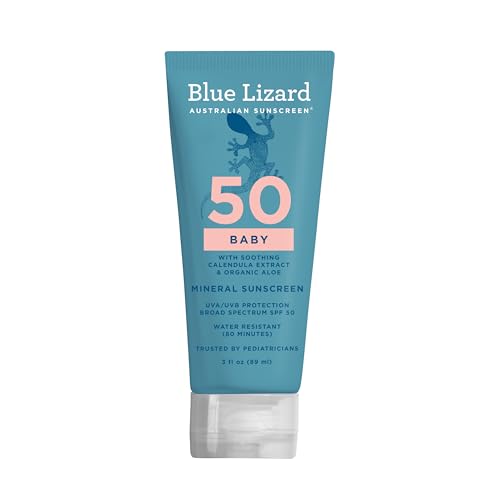 |
Blue Lizard Baby Mineral Sunscreen | Broad spectrum coverage | Physical mineral barrier | Helpful UV-detecting cap | View on Amazon | Read Review |
| Travel Friendly Essential |  |
Blue Lizard Mineral Sunscreen Stick | Extremely portable size | No spill design | Precise application control | View on Amazon | Read Review |
| Bulk Protection Hero |  |
Blue Lizard Baby Mineral Lotion | Larger volume for families | Reliable zinc protection | UV-sensitive bottle cap | View on Amazon | Read Review |
| Organic Ingredient Choice |  |
Babo Botanicals Sensitive Mineral Stick | High organic ingredient content | Certified safety standards | Convenient stick format | View on Amazon | Read Review |
More Details on Our Top Picks
-
Blue Lizard Baby Mineral Sunscreen
You should reach for this version if you need a reliable, everyday option for covering larger areas of your baby's skin. It relies on zinc oxide to provide a physical shield against harmful rays rather than soaking into the skin like chemical alternatives.
The Smart Cap technology is a clever addition, as the bottle cap turns blue when it detects UV light. This serves as a helpful reminder to reapply protection while you are out and about. Just keep in mind that the mineral formula can occasionally leave a slight white cast, which is common with high-zinc products.
- Brand Name:Blue Lizard
- Sunscreen Type:Mineral
- Active Ingredient:Zinc oxide
- Volume Capacity:3 ounces
- SPF Rating:50+
- Application Form:Lotion
- Additional Feature:Smart Cap UV detection
- Additional Feature:Fragrance free formula
- Additional Feature:Water resistant protection
-
Blue Lizard Mineral Sunscreen Stick
Think of this stick as the perfect companion for quick touch ups on a baby's face or ears. It fits easily into a diaper bag, making it much more convenient than lugging around a full tube when you are on the move.
Because it is a solid stick format, you do not have to worry about messy leaks or spills inside your bag. It glides on smoothly, though you will need to rub it in to ensure you have even coverage on delicate skin.
- Brand Name:Blue Lizard
- Sunscreen Type:Mineral
- Active Ingredient:Zinc oxide
- Volume Capacity:0.5 ounces
- SPF Rating:50+
- Application Form:Stick
- Additional Feature:Fragrance free
- Additional Feature:Water resistant
- Additional Feature:UVA/UVB protection
-
Blue Lizard Baby Mineral Lotion
If you spend significant time outdoors or have multiple children to cover, this larger five-ounce tube is your best bet. It provides the same durable mineral protection as the smaller bottles but ensures you will not run out during a long afternoon at the park.
Like the smaller version, it uses zinc oxide to keep your baby safe from sun exposure. It is a dense lotion, so you may need a moment to work it into the skin thoroughly to minimize any visible residue.
- Brand Name:Blue Lizard
- Sunscreen Type:Mineral
- Active Ingredient:Zinc oxide
- Volume Capacity:5 ounces
- SPF Rating:50+
- Application Form:Lotion
- Additional Feature:Smart Cap indicator
- Additional Feature:Water resistant
- Additional Feature:Fragrance free
-
Babo Botanicals Sensitive Mineral Stick
This option is ideal if you prefer products with a focus on organic ingredients. It holds certifications that signify it has met strict safety standards, which can provide extra peace of mind for parents of newborns or those with sensitive skin.
The stick application is great for avoiding greasy hands during beach or park visits. While it offers excellent protection, the natural ingredients mean it is slightly firmer than synthetic sticks, so warm it against the skin for a second to help it glide.
- Brand Name:Babo Botanicals
- Sunscreen Type:Mineral
- Active Ingredient:Zinc oxide
- SPF Rating:50
- Application Form:Stick
- Additional Feature:EWG and MADE SAFE certified
- Additional Feature:Fragrance free
- Additional Feature:Water resistant formula
Frequently Asked Questions
Is it safe to use sunscreen on a baby under six months old?
Pediatricians typically suggest keeping babies under six months out of direct sunlight entirely. If shade is not an option, apply a small amount of mineral sunscreen only to exposed areas like the face and the backs of the hands. It is better to use hats and light clothing as your primary defense at this age.
How much sunscreen should I apply to a baby?
Use enough to create a visible, thin layer on the skin before rubbing it in. For a baby, roughly a quarter-sized amount is usually sufficient to cover the face and neck area. Don't forget often-missed spots like the tops of the feet and behind the ears.
How often do I need to reapply sunscreen?
You should reapply every two hours if you remain outdoors. If your baby has been in the water or sweating heavily, apply a fresh layer immediately after drying them off with a towel. Sticking to this schedule is the best way to ensure consistent protection throughout the day.
Does the expiration date on sunscreen really matter?
Yes, sunscreen ingredients break down and lose their effectiveness over time. Most bottles have a shelf life of three years, but you should discard any product that has been stored in a hot car or direct sun. If the consistency or smell has changed, it is time to buy a fresh tube.
Can sunscreen cause skin irritation for my baby?
It is possible, especially if the product contains harsh chemicals or synthetic scents. Perform a patch test by applying a small amount to the inside of the baby's forearm and waiting 24 hours to check for redness. If you see a rash, switch to a hypoallergenic formula designed specifically for sensitive skin.