
Many people assume that chemicals labeled as sun protection are harmless to marine life. In reality, common ingredients like oxybenzone can bleach corals even at very low concentrations.
Understanding the labels is the smartest way to protect both your skin and the ocean. These best reef friendly sunscreens provide the protection you need without the hidden environmental cost. Keep reading to see how these options compare.
Key Takeaways
- Look for non-nano zinc oxide as your primary active ingredient to ensure physical rather than chemical protection.
- Check the label for Hawaii 104 compliance to verify that the formula excludes known harmful chemicals like oxybenzone and octinoxate.
- Prefer broad spectrum coverage to shield your skin from both UVA and UVB radiation during long days outside.
- Consider the water resistance duration if you plan on swimming, as most formulas require reapplication every 80 minutes.
- Opt for vegan or cruelty-free certifications if you prefer to avoid animal-derived ingredients in your personal care routine.
| Best Daily Moisture | 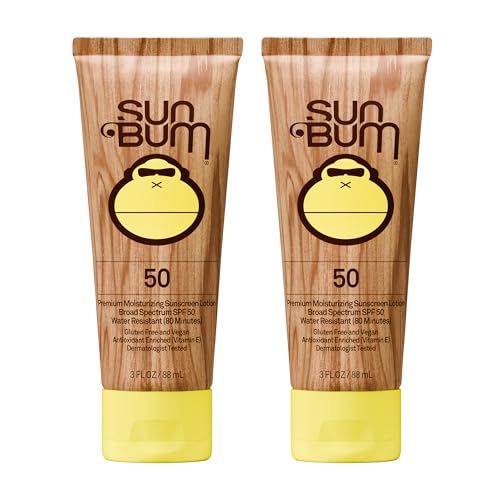 |
Sun Bum Original SPF 50 Lotion | Smooth lotion consistency | Contains Vitamin E | Broad spectrum protection | View on Amazon | Read Review |
| Sensitive Skin Shield |  |
Badger Zinc Oxide SPF 50 | Simple ingredient list | Gentle mineral protection | Highly water resistant | View on Amazon | Read Review |
| Sustainable Outdoor Choice |  |
Thrive Natural Care SPF 50 | Strong mineral protection | High volume container | Environmentally conscious formula | View on Amazon | Read Review |
| Quick Application Pro |  |
Sun Bum SPF 30 Spray | Fast and easy application | Sheer finish | Even mist distribution | View on Amazon | Read Review |
More Details on Our Top Picks
-
Sun Bum Original SPF 50 Lotion
If you want a sunscreen that feels like your everyday body lotion, this is the one to keep in your bag. It glides onto the skin without that chalky residue often found in mineral alternatives, making it perfect for those who dislike the feeling of a heavy barrier.
The formula is packed with Vitamin E, which acts as an antioxidant to help neutralize free radicals from sun exposure. Just keep in mind that since it is a chemical-based formula, you should apply it at least 15 minutes before heading outdoors to ensure full absorption.
- Brand Name:Sun Bum
- Sunscreen Type:Chemical
- SPF Rating:50
- Container Size:3 ounces
- Pack Quantity:2 pack
- Additional Feature:Hawaii 104 Act compliant
- Additional Feature:Vegan formula
- Additional Feature:Oxybenzone and Octinoxate free
-
Badger Zinc Oxide SPF 50
Think of this as a suit of armor for your skin. Because it uses non-nano zinc oxide as its primary active ingredient, it sits on top of your pores rather than soaking in, which makes it a fantastic choice if you have reactive or sensitive skin.
The ingredient list is wonderfully short and focused, which reduces the chance of an adverse reaction. It is quite thick, so you will need to spend a little extra time rubbing it in to eliminate white streaks after application.
- Brand Name:Badger
- Sunscreen Type:Mineral
- Active Ingredient:Zinc Oxide
- SPF Rating:50
- Container Size:2.9 fluid ounces
- Additional Feature:Non-nano mineral filter
- Additional Feature:Reef safe formula
- Additional Feature:Biodegradable ingredients
-
Thrive Natural Care SPF 50
This is a robust option for people who spend their weekends hiking or surfing. It relies on mineral zinc oxide to provide a physical barrier against harsh rays, ensuring you stay protected even during periods of heavy sweat or activity.
But the real benefit here is the commitment to environmental impact. The formula is designed to be ocean friendly, meaning it will not damage the delicate coral ecosystems you might be swimming near.
- Brand Name:Thrive Natural Care
- Sunscreen Type:Mineral
- Active Ingredient:Non-Nano Zinc Oxide
- SPF Rating:50
- Container Size:5.8 ounces
- Pack Quantity:1 pack
- Additional Feature:Hawaii 104 Act compliant
- Additional Feature:Vegan friendly
- Additional Feature:No synthetic fragrances
-
Sun Bum SPF 30 Spray
Sprays are like the convenience stores of the sunscreen world because they get the job done fast. This version is sheer and lightweight, which makes it a breeze to cover those hard to reach areas like your back or the back of your legs.
The SPF 30 rating is sufficient for most standard days, though you will want to reapply every two hours to maintain consistent coverage. Because it is an aerosol, avoid spraying it directly toward your face and always apply it in a well ventilated area.
- Brand Name:Sun Bum
- Sunscreen Type:Chemical
- SPF Rating:30
- Container Size:6 ounces
- Additional Feature:Broad spectrum coverage
- Additional Feature:Lightweight body spray
- Additional Feature:Water resistant formula
Frequently Asked Questions
Why do some sunscreens leave a white cast on my skin?
That white tint is a common trade off for using mineral filters. Since zinc oxide is a physical powder, it does not disappear into the skin like chemical liquids. Look for tinted versions or formulas with smaller particle distribution if you want to avoid looking like a ghost.
Does reef friendly mean it is safe for sensitive skin?
Generally, yes, because mineral sunscreens are non comedogenic and hypoallergenic. They avoid the harsh chemicals that typically cause allergic reactions or breakouts. If you have sensitive skin, mineral options are usually your best bet for avoiding irritation.
How often should I reapply my sunscreen at the beach?
Plan to reapply at least every two hours while you are in the sun. If you go for a swim or towel off, apply a fresh layer immediately regardless of how much time has passed. Always follow the directions on the bottle to maintain full protection.
Is there a difference between reef safe and reef friendly?
These terms are not strictly regulated by any government agency, so they act more like marketing claims. You must read the active ingredients list yourself to confirm the product is safe. Do not just take the label's word for it.
Can I use my old chemical sunscreen if I am not going in the ocean?
You can, but keep in mind that those chemicals still wash off in the shower and enter the water treatment system. Most systems cannot filter out these specific compounds, meaning they eventually reach the ocean anyway. It is better to switch to mineral alternatives for your everyday routine.