Determining whether you should apply your hyaluronic acid serum before or after retinol is a common point of confusion for skincare enthusiasts. Getting the sequence right ensures that you maximize the benefits of both ingredients while minimizing the risk of irritation. Because retinol is a potent derivative of vitamin A that accelerates cell turnover, it can sometimes cause dryness or sensitivity.
Conversely, hyaluronic acid acts as a powerful humectant, drawing moisture into the skin to keep it plump and hydrated. Understanding how these two work together within your nighttime routine is essential for achieving a healthy, glowing complexion without compromising your skin barrier or dealing with unwanted flaking.
The Science Behind Ingredient Layering
Effective skincare routines rely on the principle of applying products from the thinnest consistency to the thickest. When considering whether to use a hyaluronic acid serum before or after retinol, viscosity is your primary guide.
Most hyaluronic acid serums are water-based and lightweight, designed to penetrate the skin quickly to deliver deep hydration. Retinol, depending on the formulation, often comes in a cream, lotion, or oil-based serum that is slightly heavier.
By applying your water-based humectant first, you create a hydrated canvas that allows subsequent products to glide on more easily. This practice also helps buffer the skin against the potentially harsh effects of stronger active ingredients.
If you apply a heavy moisturizer first, the active ingredients in your serum may struggle to reach the deeper layers of the epidermis where they are needed most. Always check the texture of your specific products; if your retinol is a very thin, watery liquid and your hyaluronic acid is a thick, viscous gel, you might need to adjust this rule accordingly.
Why Order Matters for Skin Barrier Health
The skin barrier acts as a protective shield against environmental stressors, and the way you layer your products directly influences its integrity. Retinol is a derivative of vitamin A, known for its ability to stimulate collagen production and improve skin texture. However, this process can lead to temporary side effects like flaking or redness if the skin is not properly supported.
When you use hyaluronic acid to prime the skin, you are essentially strengthening the barrier before introducing the active treatment. This preemptive hydration helps mitigate the drying nature of retinoids. If you skip this step, the retinol might interact too aggressively with dry or dehydrated skin, leading to a compromised moisture barrier.
Maintaining the correct sequence ensures that your skin remains resilient throughout the transformation process. Think of the hyaluronic acid as a support system that allows the more demanding retinol to do its work without causing unnecessary distress to your complexion.
The Recommended Application Order for Maximum Results
The Recommended Application Order generally favors starting with your water-based hyaluronic acid before moving to your retinol treatment. This sequence is widely endorsed by dermatologists because it optimizes product absorption and minimizes irritation.
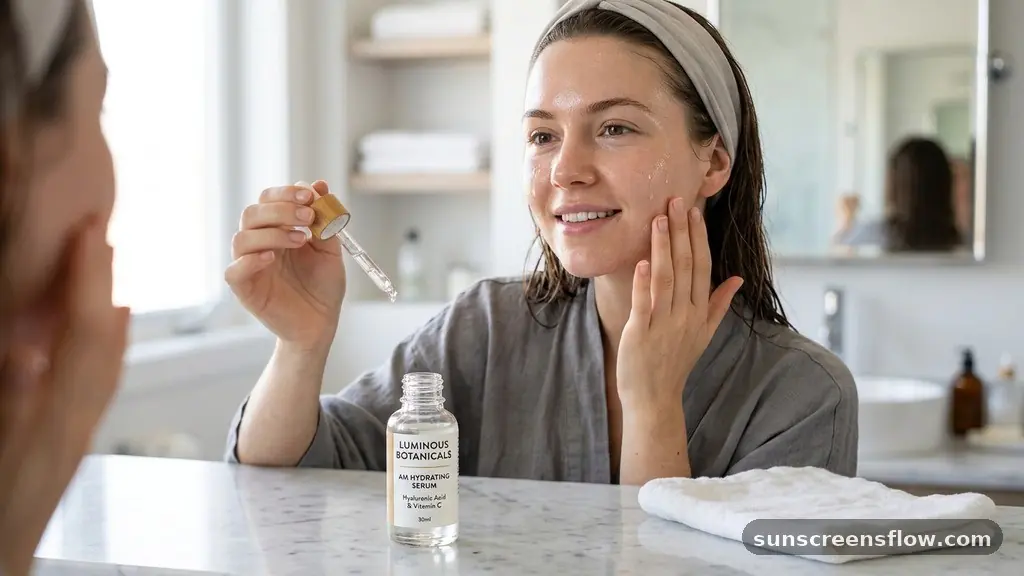
Start by cleansing your face thoroughly to remove impurities, then apply a small amount of hyaluronic acid serum to slightly damp skin. The dampness helps the humectant molecules pull even more water into the epidermis.
Once the serum is absorbed but the skin still feels slightly tacky, follow with your retinol. This layering technique allows the retinol to penetrate effectively while the underlying layer of hydration continues to work beneath it.
If you find that your skin is particularly sensitive, you can even wait a few minutes between applications to let the serum fully settle. This “sandwiching” technique—applying a layer of moisture before and potentially after the retinol—is a popular method for those who are just beginning their journey with vitamin A derivatives.
Tips for Better Absorption and Efficacy
Achieving the best results from your products goes beyond just the order of application. Tips for Better Absorption often revolve around the state of your skin when you apply your treatments. For instance, applying products on skin that has just been cleansed and patted dry, rather than bone-dry or soaking wet, can change how the ingredients interact with the surface.
- Use a gentle, non-stripping cleanser to ensure your natural oils aren’t completely wiped away.
- Apply hyaluronic acid to damp skin to lock in extra moisture.
- Wait until the skin is fully dry before applying retinol to reduce the risk of irritation.
- Store your products in a cool, dark place to maintain the stability of the retinol.
- Use a pea-sized amount of retinol, as more does not necessarily mean better results.
Consistency is also a major factor. Retinol requires regular, long-term use to show visible improvements in fine lines and texture. By integrating these tips into your nightly ritual, you ensure that your skin is receiving the maximum benefit from every drop of product you apply, preventing waste and promoting a more balanced complexion over time.
Managing Potential Side Effects
Even with the perfect layering sequence, some individuals may experience flaking or redness when introducing or increasing the strength of their retinol. This is a normal part of the process as the skin adapts to faster cell turnover.
If you notice these symptoms, do not immediately assume you are doing something wrong. Instead, evaluate the frequency of your use.
If irritation persists, consider the “retinol sandwich” method. This involves applying a light moisturizer, then your retinol, and finally another layer of moisturizer or a hydrating serum on top. This creates a physical buffer that slows down the absorption of the retinol, making it gentler on the skin.
You can also temporarily reduce your frequency to every other night until your skin builds up a tolerance. Remember that the goal is long-term improvement, not immediate results at the expense of your skin’s health.
Addressing Topical Gaps in Skincare Routine

Many people wonder if they should skip the hyaluronic acid on nights when they don’t use retinol. The truth is that hyaluronic acid is a versatile, non-irritating ingredient that is beneficial for almost any routine.
One common gap in knowledge is the belief that you only need hydration when you are using drying actives. In reality, your skin needs moisture every single day to maintain its elasticity and barrier function.
Another gap is the confusion surrounding the “most active formula” concern. People often worry that by applying a hydrating serum first, they are diluting the potency of their retinol. However, because retinol is oil-soluble and hyaluronic acid is water-soluble, they operate in different ways within the skin.
The hyaluronic acid does not block the retinol; it simply provides a vehicle for better comfort. Trusting this layering process allows you to enjoy the benefits of both without having to choose one over the other.
Comparing Product Textures and Formulations
Not all serums are created equal, and understanding the specific formulation of your products can help you make better decisions. The following table highlights how different consistencies should be treated in your routine.
| Product Type | Consistency | Application Timing |
|---|---|---|
| Hyaluronic Acid Serum | Lightweight, Water-Based | First (after cleansing) |
| Retinol Serum | Medium, Cream or Oil-Based | Second (after absorption) |
| Heavy Moisturizer | Thick, Emollient | Last (to seal everything) |
When you look at this comparison, you can see why the water-based serum takes precedence. By following this progression, you ensure that the heaviest products are saved for last, effectively sealing in the active treatments and the hydration you have just applied. This prevents the “pilling” effect, where products roll off the skin, which often happens when you apply a heavier cream before a lighter serum.
Adjusting for Different Skin Types
For most skin types, the standard layering order works perfectly. However, if you have extremely oily skin, you might find that you don’t need a heavy moisturizer after your retinol, or you may prefer a very lightweight hyaluronic acid serum that doesn’t feel sticky. Conversely, those with dry or mature skin might benefit from applying a nourishing oil on top of their retinol to prevent transepidermal water loss.
By strategically layering these products, you can customize your routine to address your specific concerns. If your primary goal is anti-aging, the retinol is your workhorse. If your goal is hydration, the hyaluronic acid is your champion.
Combining them allows you to target both needs simultaneously. Listen to your skin; if it feels tight or uncomfortable, increase your hydration. If it feels fine, you have likely found the perfect balance for your unique biology.
Consistency and Long-Term Skin Transformation
Transforming your skin takes time, patience, and a steady hand. You won’t see dramatic changes overnight, but with the consistent application of your chosen serums, you will notice improvements in tone, texture, and overall luminosity. The key is to remain disciplined with your routine, even on the days when you feel like skipping it.
When you consistently apply your hyaluronic acid serum before or after retinol—ideally before—you are creating a sustainable habit. This habit protects your barrier while allowing the active ingredients to perform their restorative functions.
As you continue your journey, your skin will likely become more tolerant, allowing you to focus on other areas of skincare, such as antioxidant protection during the day or advanced exfoliation. Stay the course, keep your products simple but effective, and enjoy the process of caring for your skin.
Frequently Asked Questions
Can I mix hyaluronic acid and retinol in the same bottle?
It is generally better to apply them separately as distinct steps in your routine. Mixing them beforehand can alter the pH balance of the retinol or prevent it from being absorbed correctly, potentially reducing its efficacy and stability over time.
Does hyaluronic acid make retinol less effective?
No, it does not. Because they work via different mechanisms, hyaluronic acid provides hydration while retinol works on cellular turnover. Using them together is a common practice that helps you maintain a healthy skin barrier while still reaping the benefits of the potent vitamin A derivative.
Should I wait for my serum to dry completely?
You should let your hyaluronic acid serum absorb until your skin feels slightly tacky, but not bone-dry. Applying retinol when the skin is still slightly damp can sometimes increase absorption, which might be too intense for beginners, so find the timing that feels most comfortable for you.
Can I use this layering method every single night?
If your skin is well-adjusted to retinol, you can use this method every night. However, if you are just starting or have sensitive skin, it is best to incorporate retinol gradually, perhaps starting with two or three times a week before increasing the frequency as tolerated.
Conclusion
Integrating these two skincare staples into your nightly routine is a straightforward process once you understand the logic behind the layering. By applying your lightweight, hydrating serum first, you provide the necessary support for your skin to handle the transformative power of a vitamin A derivative. Remember that your skin’s health is the ultimate priority, so always adjust based on how your face feels rather than rigid rules.
Whether you are dealing with dryness or simply looking to optimize your regimen, following the recommended order of operations will help you achieve a healthier, more radiant complexion. Feel free to experiment with the timing of your applications to find what works best for your unique needs, and don’t hesitate to reach out if you have more questions about your specific skincare goals.
Meta Description: Learn whether to apply your hyaluronic acid serum before or after retinol to maximize skin hydration and minimize irritation for better results.