


Navigating the complexities of a modern skincare routine often leads to confusion, particularly when deciding whether to apply vitamin c serum before or after moisturizer. Achieving the best results for your complexion requires more than just high-quality products; it demands a strategic understanding of how different formulations interact with your skin barrier.
Because serums are typically designed with smaller molecular weights to penetrate deeper into the epidermis, while moisturizers serve as occlusives to seal in hydration, the order of application is critical. By placing your potent antioxidant treatment directly onto clean, dry skin, you ensure that the active ingredients are not blocked by the heavier, oil-rich components found in most creams.
The Science of Skincare Layering and Absorption
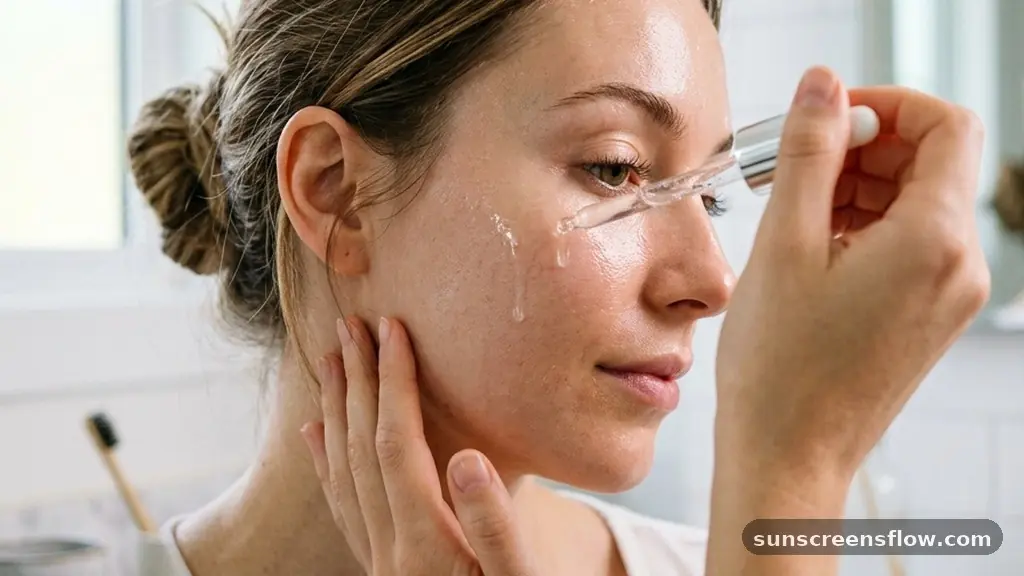
The fundamental rule of skincare layering is to apply products from the thinnest consistency to the thickest. This principle exists because aqueous, watery serums contain highly concentrated active ingredients meant to be absorbed rapidly. If you apply a thick, emollient-heavy moisturizer first, you create a barrier on the surface of your skin that prevents the serum from reaching the deeper layers of the dermis.
Vitamin C, specifically in the form of L-ascorbic acid, is famously unstable and requires optimal conditions to penetrate effectively. When you apply your vitamin C serum first, you allow the pH-dependent formula to work its magic without interference.
Furthermore, the skin is naturally designed to protect itself, meaning it is quite selective about what it lets through. By applying your serum to clean skin, you minimize the number of obstacles the vitamin C molecules encounter.
Once the serum has dried, it has largely been absorbed into the skin, meaning the subsequent application of a moisturizer will not wipe away or dilute the active treatment. This layering technique maximizes the potency of your antioxidants, helping to neutralize free radicals caused by environmental stressors like UV radiation and pollution throughout the day.
Why Serum Consistency Dictates Order
Texture is the most reliable indicator of where a product belongs in your routine. Serums are engineered to be lightweight, often featuring a water-based or gel-like base that evaporates or absorbs quickly. Moisturizers, conversely, are formulated with lipids, oils, and waxes designed to lock in moisture and prevent transepidermal water loss.
If you were to reverse this order, you would essentially be trying to push a thin, water-based serum through a thick wall of oil. The result would be a product that sits on top of your face, feeling sticky and potentially pilling, while the active ingredients fail to provide the promised benefits.
Think of your skin as a sponge. If you coat the sponge in a thick layer of wax, adding water (your serum) afterward will simply cause the liquid to bead up and roll off. By applying the serum first, you are feeding the sponge the nutrients it needs, and by following up with a moisturizer, you are effectively “sealing” those nutrients inside.
This logic applies regardless of whether you are using a stabilized vitamin C derivative or pure ascorbic acid; the delivery mechanism remains the same. Prioritizing the serum ensures that you are getting your money’s worth out of your skincare investment, as these concentrated bottles are often the most expensive part of a routine.
Locking in Benefits with Moisturizer
Once you have applied your vitamin C serum, the next step is to provide a protective seal. Locking in benefits with moisturizer is the final essential phase of your morning routine. While the serum works to brighten your complexion and promote collagen synthesis, the moisturizer acts as a shield against the drying effects of the environment. Many modern moisturizers contain humectants like hyaluronic acid or ceramides, which work in tandem with the serum to plump the skin and improve overall texture.
When you apply your moisturizer, do so with gentle, upward strokes. This serves two purposes: it ensures even coverage and promotes lymphatic drainage. Because the serum has already been absorbed, you don’t need to worry about it mixing with your moisturizer in a way that compromises its efficacy.
Instead, the moisturizer provides a smooth, hydrated canvas. This combination not only enhances the performance of the vitamin C but also ensures that your skin remains comfortable and supple until the evening. If you skip this step, you risk dehydration, which can lead to increased oil production as the skin attempts to compensate for the lack of moisture.
Common Mistakes to Avoid in Your Routine

Even with the right sequence, many people unintentionally sabotage their results by making simple errors. One of the most common mistakes to avoid is applying your serum to soaking wet skin.
While some products, like those containing hyaluronic acid, perform better on damp skin, vitamin C serums—especially those with a low pH—can cause stinging or irritation if applied to skin that has not been properly patted dry. Always give your skin a moment to settle after cleansing before reaching for your serum bottle.
Another frequent error is rushing the process. Applying your moisturizer immediately after your serum can lead to “pilling,” where the products clump together into small, eraser-like balls on your skin. This happens when the serum has not had enough time to absorb.
Patience is a virtue in skincare; waiting 60 to 90 seconds between steps allows the serum to settle into the skin. Additionally, ensure you are not using too much product. A few drops of vitamin C serum are usually sufficient to cover the entire face and neck; using an excessive amount won’t provide faster results and will only make it harder for your moisturizer to sit correctly.
The Role of pH Levels in Serum Efficacy
The effectiveness of vitamin C is heavily influenced by the pH balance of the product. Most high-quality L-ascorbic acid serums are formulated at a very low pH (typically below 3.5) to ensure stability and skin penetration.
If you apply a moisturizer with a higher, more neutral pH immediately on top of the serum, you may unintentionally neutralize the acidity of the serum. While this doesn’t necessarily make the serum “useless,” it can decrease its potency over time.
This is why waiting for the serum to dry is not just about texture—it is about chemical integrity. By allowing the serum to absorb fully, you give the active ingredients the time they need to interact with the skin at their intended pH level.
Once the serum has been absorbed, the pH of the surface of your skin changes, and the subsequent application of a moisturizer is less likely to interfere with the work already done. For those with sensitive skin, this “waiting period” is even more crucial, as it allows the skin to adjust to the acidic nature of the vitamin C before the soothing, protective layer of a moisturizer is added.
Comparing Application Protocols for Skin Types
Not all skin types respond to the same layering techniques in the same way. The table below outlines how the “serum first” rule applies across different skin profiles to ensure you are getting the best results.
| Skin Type | Serum Application Strategy | Moisturizer Requirement |
|---|---|---|
| Oily/Acne-Prone | Use a lightweight, water-based vitamin C serum. | Use a gel-based, oil-free moisturizer. |
| Dry/Dehydrated | Layer vitamin C with an oil-soluble derivative. | Use a rich, cream-based occlusive moisturizer. |
| Sensitive | Allow 2-3 minutes for serum to absorb fully. | Use a barrier-repairing, fragrance-free cream. |
| Mature | Focus on serums with added peptides. | Use a moisturizer with ceramides for repair. |
Each skin type requires a tailored approach to ensure that the vitamin C serum penetrates effectively without causing irritation or congestion. By adjusting the texture of your moisturizer to match your skin’s needs, you can ensure that the serum remains the star of the show.
Achieving Improved Texture and Radiance
Consistency is the key to seeing improved texture and a brighter, more even skin tone. Vitamin C is a powerhouse ingredient, but it is not a miracle cure that works overnight.
When you correctly layer your vitamin C serum before your moisturizer, you are setting the stage for long-term improvements in collagen production and melanin suppression. Over weeks of consistent use, you will likely notice that your skin feels smoother, looks more radiant, and has a reduced appearance of dark spots or hyperpigmentation.
The combination of a well-applied serum and a high-quality moisturizer creates a synergy. The serum provides the clinical-grade active benefits, while the moisturizer ensures the skin remains healthy enough to tolerate those actives. If your skin is constantly irritated or dry, it cannot properly repair itself, which renders the vitamin C less effective.
By focusing on the health of your moisture barrier through proper layering, you are essentially creating the perfect environment for the vitamin C to perform its function. The result is a complexion that looks vibrant and feels significantly more refined.
Addressing Topical Gaps and Advanced Tips
A common question that often goes unanswered in basic skincare guides is whether you can skip the moisturizer if your serum feels hydrating enough. For most people, the answer is no. Even if your vitamin C serum contains humectants, it lacks the occlusive properties required to prevent water from evaporating from the skin.
Without a moisturizer, you may experience “transepidermal water loss,” where the very product you are trying to use to improve your skin ends up causing dryness. If you have extremely oily skin, you might be tempted to skip the moisturizer, but even then, a lightweight, oil-free gel is highly recommended to maintain the lipid barrier.
Another advanced tip is to consider the form of vitamin C you are using. Pure L-ascorbic acid is the gold standard but can be irritating. Derivatives like Sodium Ascorbyl Phosphate or Tetrahexyldecyl Ascorbate are more stable and less acidic.
If you find that your skin reacts poorly to the layering process, it may not be the order that is the problem, but the specific derivative of vitamin C. Switching to a more stable, oil-soluble form can often solve issues with pilling or irritation, allowing for a much smoother integration into your existing routine.
FAQ: Common Queries About Layering
Does the order of application change if I use a toner?
Toners should always be applied before your vitamin C serum. After cleansing, apply your toner to balance the skin’s pH, then wait for it to dry completely. Once the toner has been absorbed, you can proceed with your vitamin C serum followed by your moisturizer.
Can I mix my vitamin C serum into my moisturizer?
It is generally not recommended to mix them in your palm. Serums are formulated with specific pH levels to remain stable. Mixing them with a moisturizer can alter the pH, potentially making the vitamin C less effective or causing the product to become unstable before it even touches your skin.
Should I apply vitamin C at night or in the morning?
While you can use it at night, vitamin C is best used in the morning. Since it is an antioxidant, it works to neutralize the free radicals caused by daily UV exposure and environmental pollution. Applying it before your sunscreen provides an extra layer of defense against skin damage.
What if my serum pills under my moisturizer?
Pilling usually happens because the serum has not dried or the products are incompatible. Try waiting longer between applications, or check if your moisturizer contains silicones that might be clashing with the base of your serum. Sometimes, simply patting rather than rubbing the moisturizer on can prevent this.
Conclusion
Mastering the sequence of your skincare products is a vital step toward achieving your aesthetic goals. By consistently applying your vitamin C serum before your moisturizer, you respect the molecular architecture of your products and ensure that your skin receives the full benefit of your active treatments. Remember to cleanse, apply your serum, allow it to dry, and then finish with a hydrating moisturizer to lock in the benefits and protect your barrier.
This disciplined approach not only optimizes your investment in high-quality skincare but also paves the way for a clearer, more resilient, and improved texture over time. While the science of skincare can feel overwhelming, sticking to the “thinnest to thickest” rule will keep your routine simple, effective, and perfectly aligned with the needs of your skin.


