


A facial serum is a lightweight, potent skincare formulation designed to deliver a high concentration of specific active ingredients directly into the skin. Unlike traditional moisturizers, which are primarily formulated to create a barrier on the skin’s surface to lock in hydration, a serum typically possesses a smaller molecular weight.
This specialized structure allows the product to penetrate the epidermis more effectively, targeting deeper layers where many skin concerns—such as hyperpigmentation, fine lines, or dehydration—actually originate. By integrating a serum into your daily skincare routine, you are essentially providing your complexion with a targeted treatment that works harder and faster than standard lotions or creams.
The Science Behind Concentrated Skincare
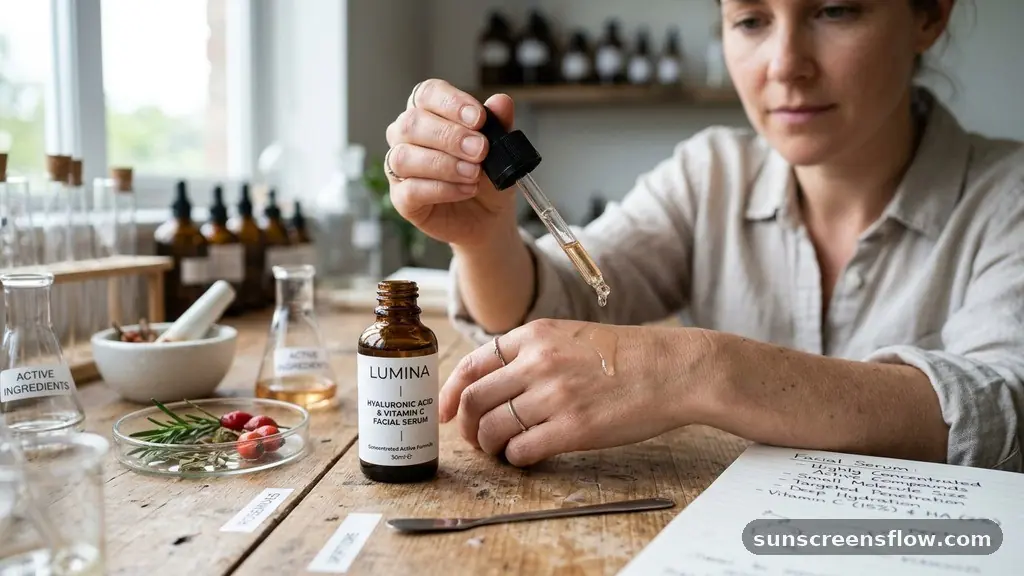
At their core, facial serums are defined by their composition. They are usually water-based or oil-based solutions that have been stripped of the heavy occlusives and thickeners found in standard creams.
This focus on the role of concentrated actives means that a higher percentage of the bottle is dedicated to the ingredients that actually change the skin’s appearance. Because they lack the heavy waxes and oils that provide a “cushiony” feel, serums feel thin and absorb almost instantly, leaving behind little to no residue.
The efficacy of a serum is largely determined by its delivery system. When you apply a serum, you are applying a concentrated dose of nutrients that the skin can absorb rapidly. Because these products are designed to address specific skin needs, they often contain potent compounds like antioxidants to fight free radical damage, or specialized acids to encourage cellular turnover.
Understanding this concentration is crucial; because the ingredients are so potent, a little bit goes a long way. You generally only need a few drops to cover the entire face and neck, making them a highly efficient addition to your regimen.
Understanding Molecular Weight and Absorption
The ability of a skincare product to penetrate the skin is governed by the size of its molecules. The epidermis serves as a protective barrier, which is excellent for keeping external pathogens out but challenging when you want to deliver beneficial treatments into the skin.
Serums are engineered with a low molecular weight, which is the secret sauce behind their success. Smaller molecules can navigate the spaces between skin cells more easily than the large, complex molecules found in thicker creams.
This high level of permeability is why serums are often used to treat conditions that require deep intervention, such as collagen synthesis or pigment regulation. When you apply a product with a high molecular weight, it often sits on the surface, which is beneficial for sealing in moisture but ineffective for stimulating deep-tissue change.
By contrast, a well-formulated serum acts as a vehicle for active ingredients to reach the target site. This is why you will often see dermatologists recommend applying serums before heavier creams; you want the treatment to reach the skin first, unimpeded by a thick layer of occlusive moisturizer.
Key Categories of Active Ingredients
When selecting a product, it helps to identify exactly which skin concern you are trying to address. Serums are not “one size fits all”; they are categorized by their primary function.
Some are designed to hydrate, some to brighten, and others to resurface. The following table provides a breakdown of common ingredients and their primary functions within a serum.
| Ingredient Class | Primary Benefit | Target Skin Type |
|---|---|---|
| Hyaluronic Acid | Deep hydration & plumping | All skin types, especially dehydrated |
| Vitamin C | Brightening & antioxidant protection | Dull, uneven skin tone |
| Retinol | Anti-aging & cell renewal | Mature, acne-prone, or textured skin |
| Niacinamide | Pore refinement & barrier support | Oily, congested, or sensitive skin |
Each of these ingredients serves a distinct biological purpose. For instance, hyaluronic acid acts as a powerful humectant, drawing moisture from the environment into the skin to prevent transepidermal water loss.
Conversely, niacinamide is highly prized because it helps regulate sebum production, minimize the appearance of pores, and calm redness. By understanding what these specific molecules do, you can tailor your regimen to solve your unique skin challenges rather than simply guessing what works.
The Role of Exfoliating Acids
Many serums are formulated with chemical exfoliants, specifically AHAs (alpha hydroxy acids) and BHAs (beta hydroxy acids). These ingredients are essential for maintaining a clear and radiant complexion. AHAs, such as lactic or glycolic acid, work by dissolving the glue that holds dead skin cells to the surface of the skin. This process, known as chemical exfoliation, is much gentler and more uniform than physical scrubs, which can cause micro-tears in the skin.
BHAs, on the other hand, are oil-soluble, meaning they can dive deep into the pores to clear out excess sebum and debris. This makes them the gold standard for those dealing with blackheads or breakouts. However, because these ingredients are so active, they carry a risk of irritation.
Users might experience stinging, redness, or peeling if they use these serums too frequently or in concentrations that are too high for their skin’s tolerance. Always start slow when introducing acid-based serums, perhaps using them only two or three times a week initially to allow your skin barrier to adjust to the increased rate of cellular turnover.
Establishing the Correct Order of Application
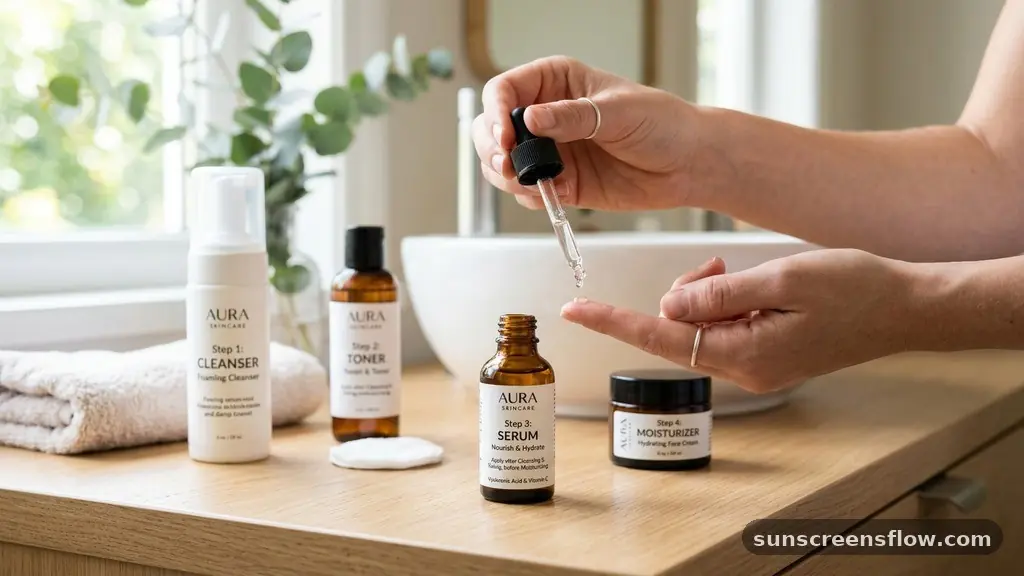
The golden rule of skincare application is to go from the thinnest consistency to the thickest. After cleansing and toning, your skin is a blank canvas, perfectly primed to absorb the nutrients in your serum. If you apply a heavy cream or oil first, it will create a film on your skin that effectively blocks the serum from penetrating. This is a common mistake that renders high-quality, expensive serums useless.
By applying your serum immediately after cleansing, you ensure that the active components have direct contact with your skin cells. Once the serum has fully absorbed—usually within sixty seconds—you can follow up with your moisturizer. The moisturizer acts as a sealant, locking in the serum and preventing transepidermal water loss.
Think of the serum as the “treatment” and the moisturizer as the “protection.” Neglecting this order can lead to wasted product and diminished results, regardless of how high-quality your chosen serum might be.
Addressing Sensitivity and Barrier Health
While serums are powerful, they are not without their risks. Because they contain such high concentrations of actives, they can sometimes overwhelm a compromised skin barrier. If your skin feels tight, inflamed, or constantly reactive, it may be a sign that you are over-using active ingredients.
It is important to remember that more is not always better. A serum that is too harsh can cause inflammation, which actually accelerates aging and disrupts the skin’s natural healing processes.
If you find that your skin is reacting negatively, look for serums that contain soothing agents. Ingredients like ceramides, peptides, or calming botanical extracts can help mitigate the potential for irritation. Furthermore, if you are using multiple types of serums, consider alternating them.
For example, use your antioxidant-rich vitamin C serum in the morning to protect against environmental stressors, and reserve your retinol or exfoliating acid serum for the evening. This strategic scheduling allows you to reap the benefits of multiple actives without exposing your skin to a cocktail of ingredients that might trigger a reaction.
Topical Gaps: What You Might Be Missing
There is often a misconception that serums are only for “problem” skin. In reality, a preventative serum is just as important as a corrective one.
Many people wait until they see deep-set wrinkles or severe hyperpigmentation before they start using targeted treatments. However, the best time to start using an antioxidant serum, for example, is in your twenties or thirties, long before environmental damage becomes visible.
Another common gap in knowledge is the importance of UV protection when using active serums. Many people use retinol or AHAs at night but forget that these ingredients increase the skin’s sensitivity to the sun during the day.
Failing to wear broad-spectrum sunscreen while using these products is counterproductive; you are essentially undoing the progress made by the serum by exposing your sensitized skin to damaging UV rays. Always ensure that your morning routine includes a high-SPF sunscreen to protect the results of your hard-working night treatments.
The Evolution of Serum Formulations
The market for facial serums has evolved significantly over the past decade. We have moved from simple, single-ingredient solutions to complex, multi-functional formulas that address several concerns at once.
Modern technology now allows for “encapsulated” ingredients, which release actives slowly over several hours. This is a game-changer for ingredients like retinol, as it minimizes the risk of irritation while maximizing the duration of the treatment.
Furthermore, we are seeing a shift toward more sustainable and stable formulations. Vitamin C, for instance, is notoriously unstable and prone to oxidizing when exposed to light or air. New, advanced derivatives of vitamin C are now being used in serums to ensure that the product remains potent from the first drop to the last. When selecting a product, look for opaque or airless pump packaging, as this is a strong indicator that the manufacturer has prioritized the stability and longevity of the ingredients inside.
Maximizing Results Through Consistency
The most important factor in the success of any serum is consistent use. Unlike a makeup product that provides an immediate, temporary effect, a serum is a long-term investment in your skin’s health.
Because the skin cycle takes approximately 28 to 40 days, you should not expect to see dramatic changes overnight. You need to commit to using your chosen serum daily for at least a full skin cycle to judge its efficacy.
To ensure success, build your routine around these principles:
- Identify your primary skin goal (hydration, anti-aging, or brightening).
- Choose a serum with a proven, stable version of the active ingredient you need.
- Apply the serum to clean, slightly damp skin for optimal absorption.
- Follow with a moisturizer to lock in the actives and support the barrier.
- Be patient and consistent, giving the products at least one month of daily use.
- Always use broad-spectrum sunscreen during the day to protect your results.
By maintaining this discipline, you allow the ingredients to work cumulatively. Over time, you will notice improvements in skin texture, brightness, and overall resilience. Serums are the workhorses of a professional-grade routine, and when used correctly, they are the most effective way to change the trajectory of your skin’s health.
Common Questions and Considerations
Does a facial serum replace my moisturizer?
No, a serum is not a replacement for a moisturizer. While some serums contain hydrating ingredients like hyaluronic acid, they lack the occlusive agents necessary to prevent water loss throughout the day. You should use a serum to treat specific concerns and a moisturizer to seal that hydration in.
Can I use multiple serums at the same time?
Yes, you can layer serums, but it is best to limit your routine to two or three at most to avoid irritation. Always apply the lightest, most watery serum first and wait a few minutes for each layer to absorb before applying the next one to avoid pilling or dilution.
Is it normal to feel a slight tingle when using a serum?
Some active ingredients, particularly AHAs or retinol, may cause a mild, fleeting tingle. However, if you experience persistent stinging, burning, or visible redness, you should wash the product off immediately and discontinue use. This is a sign that the product is too strong or that your skin barrier is damaged.
How do I know if my serum has gone bad?
Most serums have a shelf life of six to twelve months once opened. If the product changes color—for example, a vitamin C serum turning from clear or light yellow to dark brown—or develops an off-putting scent, it has likely oxidized and should be discarded, as it will no longer provide the intended benefits.
Conclusion
In summary, a facial serum is a powerful tool that bridges the gap between basic cleansing and long-term skin health. By utilizing a low molecular weight to deliver concentrated actives deep into the epidermis, these products offer unmatched efficacy in treating specific concerns ranging from dehydration to uneven tone. Whether you are incorporating antioxidants to shield your skin from environmental damage or using AHAs to refine your texture, the key lies in understanding your skin’s unique needs and applying products in the correct order.
Remember to prioritize consistency, protect your skin with sunscreen, and listen to your skin’s signals to avoid irritation. When integrated thoughtfully into your daily routine, a well-chosen serum can be the single most effective step toward achieving a healthier, more radiant complexion.


