


Skin serums are lightweight, highly concentrated treatments designed to deliver potent active ingredients directly into the deeper layers of the skin. Unlike traditional creams or lotions that primarily focus on creating a barrier on the surface, serums are formulated with a smaller molecular weight, allowing them to penetrate the epidermis more effectively.
When you incorporate a high-quality serum into your daily regimen, you are essentially providing your complexion with a targeted dose of nutrients that address specific concerns—whether you are dealing with chronic dehydration, or premature aging. By understanding what is skin serum and how it functions, you can move beyond generic skincare and begin curating a routine that produces visible, long-term results.
The Fundamental Differences Between Serums and Moisturizers
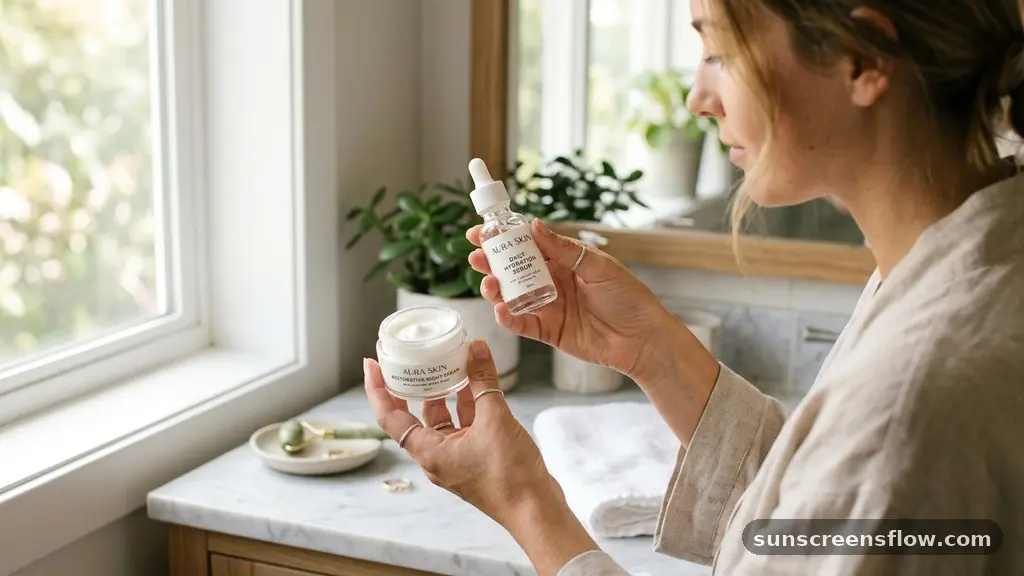
To truly grasp what is skin serum, you must first understand how serums differ from moisturizers. Many people mistakenly assume these products are interchangeable, but they serve distinct functions within a healthy skincare ecosystem.
Moisturizers are typically formulated with occlusives and emollients, which are designed to create a seal over the skin, effectively locking in moisture and preventing trans-epidermal water loss. They are thicker, richer, and meant to support the outermost layer of your skin barrier.
In contrast, serums are designed for penetration rather than protection. Because they contain fewer lubricating and thickening agents, they have a thinner consistency that absorbs rapidly. Think of your moisturizer as the “sealant” and the serum as the “treatment.”
If you apply a heavy moisturizer first, the smaller, more refined molecules of a serum may struggle to pass through the waxy, occlusive layer of the cream. By placing the serum directly onto clean, slightly damp skin, you ensure that the concentrated actives reach their intended targets without being blocked by heavier oils or waxes. This systematic approach is the foundation of an effective, results-driven skincare routine.
The Role of Molecular Weight in Skin Penetration
The effectiveness of any topical treatment is dictated by its ability to bypass the stratum corneum, the outermost layer of the skin. This is where the concept of molecular weight becomes essential.
Serums are engineered to have a low molecular weight, meaning the individual molecules of the active ingredients are small enough to navigate the gaps between skin cells. This is a critical distinction when comparing them to heavier lotions or rich night creams.
When you apply a product with a large molecular weight, it often sits on top of the skin, providing a smooth surface feel but offering little in the way of deep cellular repair. Because serums are formulated with smaller molecules, they can travel deeper into the dermis, where they can influence collagen production, stimulate cell turnover, and neutralize free radicals.
This depth of penetration is why serums are considered the “powerhouse” of a skincare cabinet. Whether you are using a serum to fade dark spots or to soothe chronic inflammation, the science of molecular weight ensures that the ingredients are working where they are needed most, rather than simply evaporating or rubbing off on your pillowcase.
Targeting Specific Skin Concerns with Active Ingredients
The beauty of incorporating a serum lies in its ability to address specific skin concerns with precision. Because they are not weighed down by fillers or heavy emollients, manufacturers can pack them with high concentrations of active ingredients. These ingredients are the workhorses of the beauty world, each serving a unique purpose in your skin’s health.
For instance, if your primary goal is to brighten a dull complexion or address hyperpigmentation, you might look for a formula containing vitamin c. This powerful antioxidant helps to fade dark spots and protects the skin from environmental stressors like pollution and UV damage. If your concerns are more related to texture and aging, retinol is the gold standard.
It speeds up cell turnover, which helps reduce wrinkles and refine skin texture over time. For those struggling with oiliness or congestion, niacinamide is a versatile powerhouse; it helps regulate sebum production, minimize the appearance of pores, and soothe redness or inflammation. By selecting a serum tailored to your specific needs, you are essentially giving your skin a focused supplement that works to correct and improve its state from the inside out.
Establishing the Correct Order of Operations
A common point of confusion for many is how to integrate these treatments into a daily routine. The golden rule of layering is to apply products from the thinnest consistency to the thickest.
Your routine should always start with a gentle cleanse to remove dirt, oil, and environmental debris, ensuring the skin is a blank canvas. After cleansing, you may use a toner to balance the pH of your skin, but then the serum should immediately follow.
Applying your serum while the skin is still slightly damp can actually enhance its penetration, as water acts as a carrier for many active ingredients. Once the serum has been allowed to absorb for sixty seconds, you should follow up with your moisturizer to lock everything in. If you are applying multiple serums, always layer them by texture—water-based serums first, followed by oil-based ones.
This simple sequence prevents pilling and ensures that every layer of your skincare regimen can perform its intended function without interference. Remember, the goal is to create a harmonious environment where each product supports the next, leading to a more resilient and radiant complexion.
Managing Skin Barrier Health and Dehydration
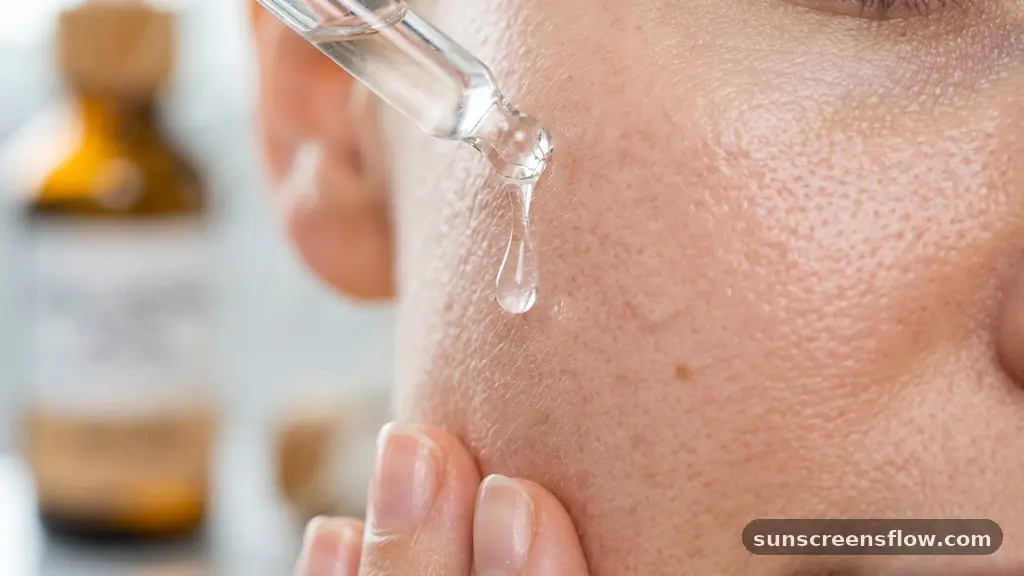
One of the most frequent misconceptions about serums is that they are only for “problems” like acne or aging. In reality, one of the most important roles of a serum is to maintain the integrity of the skin barrier and prevent dehydration. The skin barrier is the first line of defense against the outside world; when it is compromised, it becomes susceptible to irritation, dryness, and sensitivity.
Hyaluronic acid is perhaps the most famous ingredient for this purpose. As a potent humectant, it can hold up to 1,000 times its weight in water, pulling moisture from the environment into the skin. When you use a hyaluronic acid serum, you are providing the deep, foundational hydration that a standard moisturizer simply cannot reach.
Furthermore, by keeping the skin adequately hydrated, you ensure that the barrier remains flexible and strong. A healthy barrier is better equipped to repair itself, resist environmental damage, and maintain a smooth, plump appearance. Neglecting hydration is often the root cause of “premature aging” symptoms, such as fine lines caused by dryness, which can be easily corrected with the right serum application.
Comparison of Common Serum Ingredients
To help you decide which serum might be right for your specific needs, the following table outlines the most common active ingredients found in modern serums and their primary benefits.
| Ingredient | Primary Benefit | Best For |
|---|---|---|
| Vitamin C | Brightening and Antioxidant protection | Dullness and Pigmentation |
| Retinol | Collagen stimulation and Cell turnover | Wrinkles and Texture |
| Niacinamide | Sebum regulation and Barrier support | Acne and Large pores |
| Hyaluronic Acid | Deep hydration and Plumping | Dehydration and Dryness |
| Salicylic Acid | Exfoliation and Pore clearing | Active breakouts |
Addressing Common Topical Gaps: Why Some Serums Fail
Even with the best intentions, many users find that their serums do not deliver the promised results. This usually stems from a misunderstanding of how active ingredients interact with the skin.
One major gap in consumer knowledge is the importance of patience and consistency. Ingredients like retinol or vitamin c are not “quick fixes”; they require weeks, sometimes months, of consistent use to show visible changes in collagen density or pigment reduction.
Another common issue is the “over-layering” of actives. It is tempting to use a vitamin c serum, a retinol serum, and a salicylic acid treatment all in the same morning, but this often leads to irritation and a compromised skin barrier. When the barrier is inflamed, the skin becomes less effective at absorbing nutrients and more prone to sensitivity.
Instead of trying to do everything at once, focus on a “less is more” approach. Use your antioxidant serum in the morning to protect against daytime damage, and reserve your corrective treatments, such as retinol or exfoliating acids, for the evening when the skin enters its natural repair cycle. By respecting the biological limits of your skin, you allow the active ingredients to function as intended without triggering unnecessary inflammation.
The Importance of Sun Protection When Using Actives
When discussing what is skin serum, it is impossible to ignore the role of sun protection. Many of the most effective serums—especially those containing exfoliating acids or vitamin A derivatives—increase the skin’s sensitivity to UV radiation.
For example, retinol encourages the rapid shedding of dead skin cells, which exposes fresher, more delicate skin to the surface. If you fail to wear a broad-spectrum SPF every single day, you are essentially undoing the benefits of your serum and potentially causing more damage than you are fixing.
Think of your serum as the architect of your skin’s health and your sunscreen as the security guard. The architect can design a beautiful, healthy structure, but if the security guard isn’t there to keep the UV rays out, the structure will quickly deteriorate. Even if your serum is designed to fade dark spots, sun exposure will trigger the production of more melanin, effectively canceling out the brightening effects of your treatment.
To maximize the return on your investment in high-quality serums, prioritize a high-SPF, broad-spectrum sunscreen as the final step in your morning routine. This synergy between treatment and protection is the only way to achieve truly transformative, long-lasting results.
Common Mistakes to Avoid in Your Skincare Routine
Even with a high-quality serum, certain habits can undermine your progress. Avoiding these pitfalls is just as important as choosing the right product.
- Applying serums on dry skin: Always dampen the skin slightly to improve absorption and efficacy.
- Mixing incompatible actives: Avoid layering strong acids with potent retinoids, as this can cause significant irritation.
- Ignoring the neck and chest: The skin on your neck and chest is just as prone to aging as your face; extend your serum application to these areas.
- Storing products in the bathroom: Humidity and temperature fluctuations can degrade the potency of active ingredients like vitamin C.
- Expecting immediate results: Most effective serums require at least 4 to 8 weeks of consistent use to show noticeable improvements.
- Using too much product: Serums are highly concentrated; a few drops are usually sufficient to cover the entire face and neck.
By being mindful of these common mistakes, you ensure that your skincare routine remains effective and that your skin remains healthy, balanced, and resilient. Remember that your skin is a living organ; it responds to how you treat it, and a thoughtful, consistent approach is always better than an aggressive, haphazard one.
Frequently Asked Questions
Do I need both a serum and a moisturizer?
Yes, they serve different purposes. A serum provides concentrated active ingredients that penetrate deeply to address specific concerns, while a moisturizer acts as a protective barrier to lock in hydration and prevent water loss. Using both ensures your skin is treated and protected simultaneously.
How often should I apply a skin serum?
Most serums are designed for daily use, typically once or twice a day depending on the active ingredients. Antioxidant serums are best for the morning, while corrective serums like retinol or exfoliating acids are generally reserved for nighttime application to support the skin’s natural repair cycle.
Can I use multiple serums at once?
You can use multiple serums, but you should layer them from thinnest to thickest consistency. However, be cautious about mixing too many potent actives, such as multiple exfoliants or high-strength retinoids, as this can lead to irritation. It is often better to rotate them based on your needs.
Are serums really necessary for healthy skin?
While you could technically survive with just a cleanser and moisturizer, serums are the most effective way to target specific skin goals. If you want to proactively manage concerns like hyperpigmentation, fine lines, or acne, a well-chosen serum is the most efficient tool for achieving those results.
Conclusion
Understanding what is skin serum is the first step toward achieving a more intentional and effective skincare routine. By recognizing that these products are not just “extra” steps, but rather the primary vehicles for delivering powerful active ingredients into the skin, you can better appreciate their role in your overall health. Whether you are seeking to fade dark spots, manage acne, or simply keep your skin hydrated and resilient against the environment, there is a serum designed to support your unique needs.
Remember to prioritize consistency, respect your skin’s barrier, and always pair your treatments with adequate sun protection to see the best results. By choosing high-quality, targeted formulas and applying them correctly, you can transform your complexion and enjoy the benefits of a truly scientific approach to beauty.


