


Navigating the order of your daily skincare regimen can often feel like solving a complex puzzle, especially when you are trying to determine whether does serum or toner go first. While the beauty industry is filled with conflicting advice, the fundamental rule of thumb relies on the science of skincare layering. To achieve the best results, you must apply your products in a specific sequence based on their viscosity and molecular weight.
Generally, the rule is to go from the thinnest, most water-like consistency to the thickest, most occlusive formula. Because toners are typically designed to prep the skin and balance its pH balance after cleansing, they almost always precede serums, which are concentrated treatments meant to penetrate deeper into the epidermis.
The Fundamental Logic of Skincare Layering

The primary reason why the order of application matters so much is the physical nature of your products. Your skin acts as a protective barrier, and its primary job is to keep foreign substances out.
By applying products in the correct order, you are essentially “coaching” your skin to accept the nutrients you are providing. If you apply a heavy, oil-based cream before a light, water-based toner, the toner will never reach the skin surface because it is blocked by the heavier barrier.
When you ask does serum or toner go first, the answer is rooted in absorption rate. A toner is usually a watery solution designed to remove any remaining impurities, tighten pores, and hydrate the surface. Because it is highly fluid, it evaporates or absorbs into the top layer of the skin very quickly.
If you were to apply a serum first, you might trap the toner on top of the serum, preventing the active ingredients in the serum from reaching the deeper layers of the dermis. By starting with a toner, you ensure that your skin is clean, slightly damp, and ready to act as a sponge for the more potent, nutrient-dense serums that follow. This systematic approach ensures that you get the most value out of your expensive skincare investments.
Understanding the Role of Toner in Your Regimen
Many people mistakenly believe that toners are just an optional step or a way to remove leftover makeup that your facial cleanser missed. While that was true of the alcohol-heavy, stripping formulas of the past, modern toners serve a much more sophisticated purpose. Today’s toners are formulated to restore pH balance and provide an initial surge of skin hydration.
After you wash your face, the water you use—especially if it is “hard” water—can disrupt your natural acid mantle. A good toner acts as a bridge between cleansing and treatment.
When applying toner, you are essentially creating a damp environment on the skin. Damp skin is significantly more permeable than dry skin, meaning it acts like a sponge, drawing in the subsequent layers of your routine.
If you skip this step and go straight to your serum, you might find that your treatment products don’t spread as easily or feel “tacky” on the skin. Furthermore, many toners contain soothing botanical extracts or mild humectants that prep the skin barrier, making the entire topical application process smoother and more effective for the delicate cells of the epidermis.
Why Serums Are Designed for Deeper Penetration
Once your skin is prepped with a toner, it is time for the heavy lifting: the serum. A serum is a powerhouse of active ingredients designed to target specific concerns like hyperpigmentation, fine lines, or dehydration.
Because these products are formulated with a smaller molecular weight than moisturizers or oils, they are capable of bypassing the surface of the skin to reach the dermis. This is why the question of does serum or toner go first is so critical; if you impede the serum’s path, you effectively neutralize its potential.
Think of your serum as the “medicine” of your skincare routine. Whether you are using a potent Vitamin C serum for brightening or a Retinol treatment for cell turnover, these ingredients need direct contact with the skin cells to function correctly. If you apply a thicker, creamier product before the serum, the active molecules will sit on the surface, unable to penetrate.
By placing the serum directly onto the skin that has been freshly dampened by toner, you ensure that the active ingredients have a clear pathway to perform their function. This is the cornerstone of effective skincare layering and the secret to seeing visible results from your products.
Comparing Product Textures and Application Order
To visualize how these products interact, it helps to look at their physical properties. The following table outlines the general hierarchy of application based on how these products interact with your skin barrier.
| Product Step | Consistency | Primary Function |
|---|---|---|
| Facial Cleanser | Varies | Removal of dirt and debris |
| Toner | Water-like | pH balancing and prep |
| Essence | Thin, milky | Deep hydration |
| Serum | Viscous/Concentrated | Targeted treatment |
| Moisturizer | Cream/Lotion | Sealing in hydration |
As demonstrated, the progression moves from the most fluid to the most viscous. This is not just a suggestion; it is a physical necessity dictated by how your skin absorbs liquids.
If you have multiple serums, the rule of “thinnest to thickest” still applies. For example, a watery hyaluronic acid serum should always be applied before a thicker, oil-based serum or a cream-based treatment.
Addressing Topical Gaps: When to Break the Rules
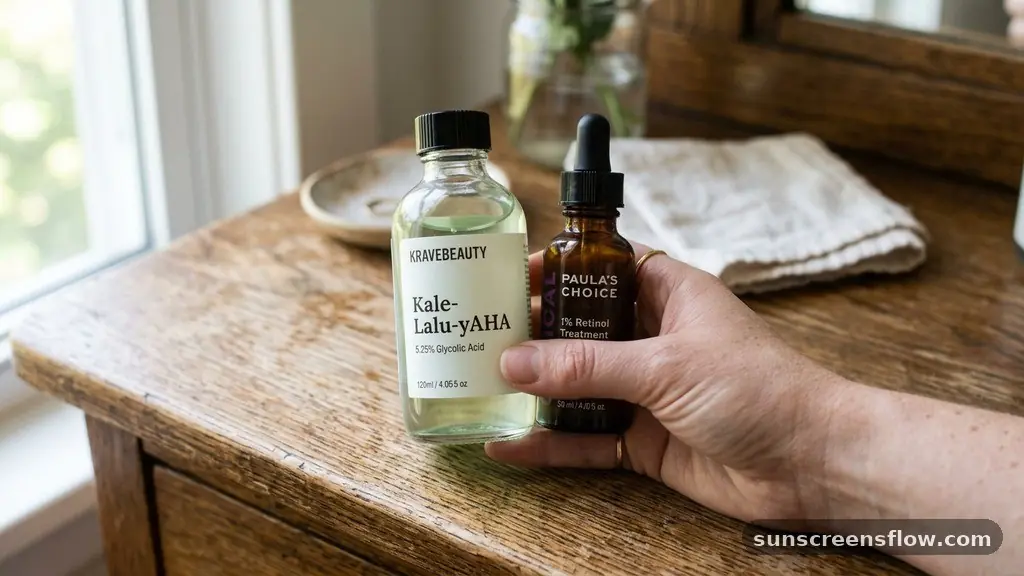
While the general rule is “toner then serum,” there are exceptions based on the specific type of product you are using. Some modern formulations, often referred to as “treatment toners” or “exfoliating toners,” act differently.
If you are using a toner that contains high concentrations of chemical exfoliants like AHAs or BHAs, you should treat it more like a serum than a traditional hydrator. In these cases, you might apply the exfoliating toner, let it sit for a few minutes to do its work, and then follow up with a hydrating serum.
Another nuance involves the use of essence. An essence sits somewhere between a toner and a serum in terms of viscosity. If you are using a full K-beauty regimen, the order is typically: Cleanser, Toner, Essence, Serum, Moisturizer.
The essence provides an extra layer of hydration, further softening the skin to make the serum even more effective. If you find yourself confused, always look at the bottle. If the product feels like water, it goes early.
If it feels like a gel or a lotion, it goes later. Trusting your sense of touch is often the best way to determine the correct order when the instructions are unclear.
The Role of Skin Texture and Barrier Health
Your skin texture is a direct reflection of how well you are maintaining your skin barrier. If your barrier is compromised, your skin may feel rough, tight, or excessively oily as it tries to compensate for water loss.
Proper layering helps to repair this barrier. When you use a toner to balance the pH and a serum to deliver concentrated nutrients, you are providing the building blocks for healthy, resilient skin.
Using products in the wrong order can lead to pilling—where your skincare rolls off in little bits—or irritation. For instance, if you apply an active serum like Retinol over a thick moisturizer, the moisturizer may cause the Retinol to be too concentrated in one area, leading to redness or flaking. By following the standard order, you ensure an even distribution of ingredients.
This consistency is what allows your skin to adapt to potent actives without experiencing unwanted sensitivity. Remember, the goal is to create a seamless delivery system that supports your skin’s natural functions rather than working against them.
Common Mistakes in Skincare Layering
One of the most frequent mistakes people make is rushing the process. Even if you know that toner comes before serum, applying them back-to-back without allowing for absorption can cause the layers to mix, diluting their effectiveness.
It is best to wait roughly 30 to 60 seconds between steps. This allows the toner to sink in, leaving the skin slightly tacky but not soaking wet.
Another common error is using too many products at once. If you are layering four different serums, your skin will likely become overwhelmed, and the absorption rate will drop significantly. If you have multiple concerns, consider splitting your routine between morning and evening.
For example, use your Vitamin C serum in the morning for environmental protection and save your Retinol or exfoliating treatments for the evening. By simplifying your routine, you ensure that every product you apply actually reaches its destination. Overloading the skin is a surefire way to negate the benefits of even the most expensive skincare products.
The Importance of Consistency and Patience
Consistency is the most underrated aspect of any skincare routine. It is tempting to look for instant results, but the benefits of proper layering—like improved skin texture and better hydration—take time to manifest.
When you consistently follow the “toner before serum” rule, you are training your skin to maintain a healthy pH and a strong barrier. Over weeks and months, this leads to a more radiant complexion and fewer breakouts.
It is also important to listen to your skin. If you notice that your skin feels tight after using a toner, you might need a more hydrating formula. If your skin feels greasy after your serum, you might be using too much or applying it over a product that is already too heavy.
Skincare is a highly personal practice. While the rules of layering provide a necessary framework, you should always adjust based on how your skin responds. If your skin is happy, hydrated, and free of irritation, you are likely doing it right.
Key Takeaways for Your Daily Regimen
To summarize, the order of application is a critical component of skin health. By respecting the viscosity of your products and the biological needs of your skin, you can maximize the efficacy of your regimen. Here are the core principles to remember:
- Always cleanse your face first to remove impurities and prepare the skin surface.
- Apply your toner while the skin is still slightly damp to help lock in moisture.
- Wait for the toner to absorb before moving on to your treatment steps.
- Layer your serums from thinnest to thickest to ensure maximum penetration.
- Use water-based products before oil-based products to prevent blocking absorption.
- Listen to your skin’s reaction; if you experience irritation, simplify your steps.
- Consistency is more important than using a high volume of products.
By following these guidelines, you eliminate the guesswork. You no longer have to wonder about the sequence of your routine, allowing you to focus on selecting the high-quality ingredients that actually make a difference for your specific skin type and goals.
Frequently Asked Questions
Does the order change if I use an essence?
An essence is typically thinner than a serum but thicker than a toner. Therefore, the correct order is to cleanse, apply your toner, follow with your essence, and then apply your serum. This sequence ensures that each layer is absorbed properly before the next one is applied.
Can I skip the toner and go straight to the serum?
While you can skip toner if you are in a rush, it is not recommended if you want the best results. Toner helps adjust the pH of your skin and prepares it to act as a better vehicle for the active ingredients found in your serums.
Should I apply serum to damp or dry skin?
It is generally best to apply your serum to slightly damp skin. This is why using a toner beforehand is so beneficial; it provides the necessary moisture that helps the serum spread more evenly and penetrate the epidermis more effectively, maximizing the benefits of the active ingredients.
What happens if I apply serum before toner?
If you apply a thicker serum before a toner, the toner will likely sit on top of the serum rather than absorbing into the skin. This can make your skin feel sticky or greasy, and it effectively prevents the toner from providing its intended benefits, such as pH balancing and pore tightening.
Conclusion
Understanding the relationship between toners and serums is essential for anyone serious about their skincare. The rule of “thinnest to thickest” is not just a suggestion; it is a scientific necessity for ensuring that your products penetrate the skin barrier and deliver their active ingredients to the dermis. By consistently applying your toner to prep the skin and following it with a targeted serum, you create an optimized environment for skin health.
Remember that every step in your routine serves a purpose, and by respecting the order of application, you ensure that every drop of product is working as hard as possible to improve your complexion. Keep your routine simple, stay consistent, and always pay attention to how your skin responds to the products you choose.


