


Achieving radiant, even-toned skin often feels like a marathon rather than a sprint, and incorporating a potent active ingredient like vitamin C is a significant commitment. Many skincare enthusiasts find themselves wondering exactly how long for vitamin C serum to work before they see visible improvements in their complexion.
While the marketing on product packaging might promise overnight miracles, the biological reality of skin repair and cell turnover is far more nuanced. Understanding the timeline for results requires a look at how these topical antioxidants interact with your skin’s biology, the specific concerns you are aiming to treat, and the quality of the formulation you are applying daily.
The Biological Timeline of Skin Transformation
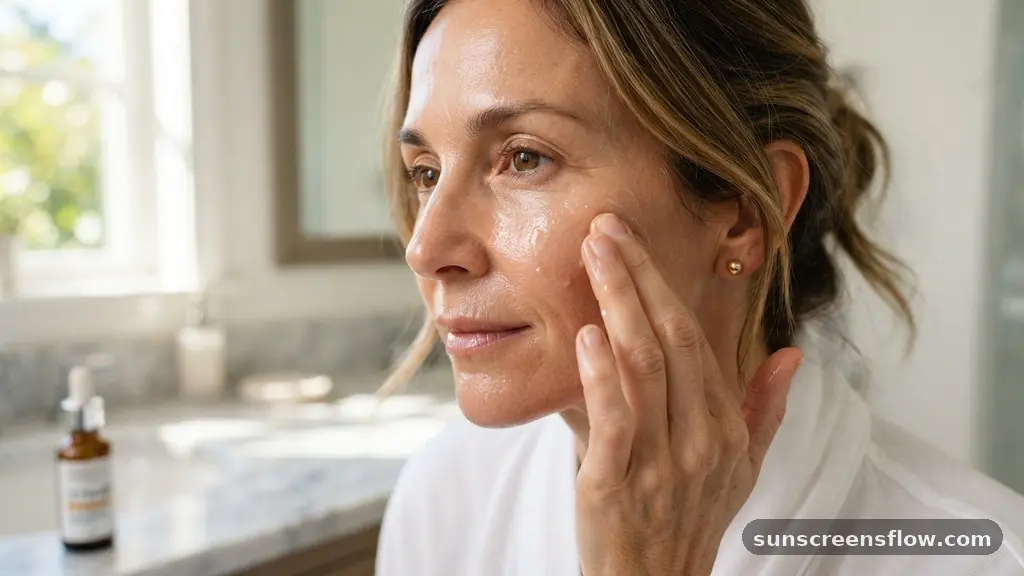
To grasp why results don’t happen instantly, one must consider the natural pace of epidermal turnover. On average, it takes the skin roughly 28 to 40 days to complete a full renewal cycle, where new cells travel from the deepest layer of the epidermis to the surface.
When you apply a serum containing L-ascorbic acid, it begins working immediately at a molecular level to neutralize free radicals caused by environmental stressors. However, the visible manifestation of these changes—such as a reduction in dark spots or a smoothing of skin texture—cannot appear until the skin has physically shed the damaged, pigmented layers and replaced them with healthier, protected cells.
Most dermatologists suggest that you should commit to a consistent skincare routine for at least 8 to 12 weeks before evaluating whether a product is truly effective. During the first two weeks, you might notice subtle shifts, such as improved hydration or a slight increase in natural luminosity. However, the more structural changes, such as the fading of hyperpigmentation or the stimulation of collagen synthesis, require sustained, long-term application.
Attempting to judge the efficacy of an active ingredient after only a few days is a common mistake that leads many users to abandon effective treatments prematurely. Patience is the most important tool in your skincare arsenal when dealing with potent active ingredients.
Addressing Hyperpigmentation and Dark Spots
One of the primary reasons individuals incorporate vitamin C into their regimen is to target hyperpigmentation and stubborn dark spots. Vitamin C functions by inhibiting the enzyme tyrosinase, which is the catalyst for melanin production.
By disrupting this pathway, the serum prevents new pigment from forming, while simultaneously helping to fade existing clusters of melanin. Because these spots are often embedded deep within the skin layers, the time it takes to see a significant difference can be lengthy.
For mild sun damage or recent post-inflammatory hyperpigmentation (such as marks left behind by acne), you might start to notice a brightening effect around the 6-week mark. However, for chronic or deep-seated discoloration, it often takes 3 to 6 months of daily, diligent application to see a marked reduction. It is essential to understand that vitamin C is not a bleaching agent; it is a regulator.
It works in tandem with your skin’s natural shedding process to gradually reveal a more uniform skin tone. If you are not seeing results after four months, it may be time to assess your concentration levels or consider if your specific type of hyperpigmentation requires a more targeted prescription-strength intervention alongside your antioxidant serum.
The Role of Concentration and Formulation Stability
Not all serums are created equal, and the efficacy of your product is inextricably linked to its chemical stability. L-ascorbic acid is notoriously finicky; it is highly susceptible to serum oxidation when exposed to light, air, or heat. If your serum has turned a dark orange or brown color, it has likely oxidized and lost much of its potency, meaning you will effectively be applying a useless product to your face. This is a common reason why some users wait months for results that never arrive.
The pH balance of the product is equally critical. For the molecule to successfully penetrate the skin barrier, the serum typically needs a low pH, usually below 3.5. If the formulation is poorly balanced, the active ingredient may sit on the surface rather than reaching the depths where it can influence collagen synthesis.
Furthermore, the inclusion of synergistic ingredients can significantly accelerate results. Look for formulations that pair vitamin C with ferulic acid and vitamin E. Research has shown that this specific trio stabilizes the L-ascorbic acid and can actually double its photoprotective capabilities, making it much more effective at fighting oxidative stress and long-term photodamage.
| Factor | Impact on Speed of Results |
|---|---|
| L-ascorbic Acid Concentration | Higher concentrations (10-20%) generally work faster but may cause irritation. |
| Synergistic Ingredients | Presence of Ferulic Acid and Vitamin E increases stability and absorption. |
| Product Packaging | Opaque, air-tight containers prevent oxidation and maintain potency. |
| Consistency of Use | Daily application is required to maintain skin levels of the antioxidant. |
Managing Expectations for Collagen Synthesis
Beyond brightening, many users turn to vitamin C for its role in collagen synthesis. Collagen is the structural protein that keeps skin firm and plump.
While vitamin C is a necessary cofactor in the production of collagen, it is important to realize that topical application has limitations. Unlike a laser treatment or a microneedling session that physically triggers a wound-healing response to force collagen production, a serum provides the building blocks for your body to do the work naturally.
Because this is a biological process of protein synthesis rather than a simple surface change, the timeline for seeing “anti-aging” results is the longest of all. You should not expect to see a drastic reduction in fine lines within a month. Instead, think of vitamin C as a long-term insurance policy.
Over the course of 6 to 12 months, consistent use can lead to improved skin density and a slower rate of degradation. It helps mitigate the breakdown caused by chronic free radicals, effectively acting as a preventative measure. When you look in the mirror after a year of consistent use, the difference will likely be in the overall resilience and “bounce” of your skin rather than the disappearance of deep-set wrinkles.
Common Mistakes That Sabotage Progress
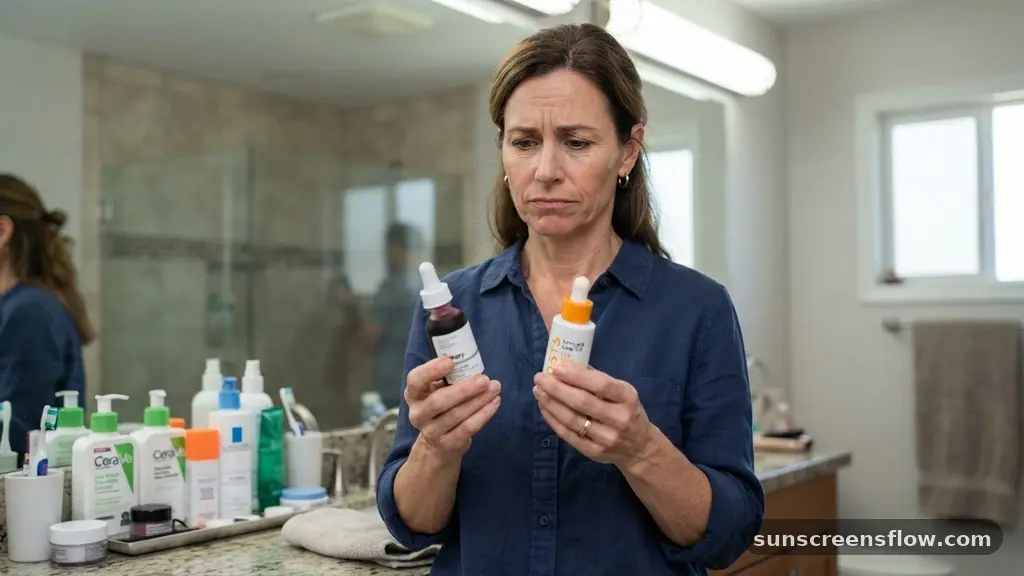
A major reason people fail to see results is the accidental degradation of the active ingredients through poor application habits. One of the most frequent errors is applying vitamin C immediately after a strong chemical exfoliation session.
While both are beneficial, using strong acids—like glycolic or lactic acid—at the exact same time can disrupt the pH balance of your skin and lead to unnecessary irritation. This inflammation can actually worsen post-inflammatory hyperpigmentation, effectively working against the goals you are trying to achieve.
Another mistake is the lack of proper sun protection. Vitamin C provides a layer of defense against environmental damage, but it is not a substitute for sunscreen. If you are treating sun damage but neglecting to wear broad-spectrum SPF 30 or higher every single day, you are essentially trying to fill a bucket with a hole in the bottom.
The UV rays will continue to trigger melanin production and break down collagen at a rate faster than the serum can repair it. Furthermore, ensure you are storing your serum in a cool, dark place—never in a humid bathroom cabinet where heat and moisture can accelerate the breakdown of the formula.
The Importance of Skin Barrier Integrity
Your skin barrier is the gatekeeper of your complexion. If this barrier is compromised—manifesting as redness, flaking, or a stinging sensation—the transdermal absorption of your active ingredients will be compromised, and you will be more prone to irritation. Many people get excited about the brightening potential of vitamin C and start with a high-percentage serum on a damaged barrier, leading to a cycle of sensitivity.
Before you can expect a serum to work effectively, your skin needs to be in a healthy, hydrated state. If your skin is dehydrated, it cannot properly metabolize the active ingredients. Incorporating ceramides, hyaluronic acid, or gentle lipid-replenishing moisturizers alongside your vitamin C can help maintain the integrity of the barrier.
A healthy barrier ensures that the antioxidants can penetrate effectively without causing the inflammation that often occurs when a potent acid is applied to raw, sensitive skin. Think of your routine as a foundation; you cannot build a house on an unstable base.
Synergy with Other Actives
While vitamin C is a powerhouse, it works best when it is part of a well-rounded strategy. Many users wonder how it interacts with other popular ingredients like retinol.
While there is a common myth that they cannot be used together, modern skincare science suggests that it is perfectly fine to use them in the same routine—just at different times of the day. Using vitamin C in the morning takes advantage of its ability to neutralize environmental free radicals throughout the day, while applying retinol at night allows it to work on cell regeneration while you sleep.
* Morning Routine: Cleanser, Vitamin C Serum, Moisturizer, Broad-Spectrum Sunscreen.
* Evening Routine: Cleanser, Treatment/Exfoliant (as needed), Retinol (if desired), Night Cream.
* Storage Tip: Always recap the bottle tightly immediately after use to minimize air exposure.
* Evaluation: Take a photo in natural lighting every 30 days to objectively track progress.
By separating these potent ingredients, you allow your skin to receive the benefits of both without the risk of overwhelming your acid mantle. This multi-pronged approach addresses different aspects of skin health—protection and brightening in the morning, and repair and renewal at night—which significantly speeds up the visual results you are seeking.
Topical Absorption and Penetration Factors
The speed at which a serum works is also dictated by the delivery system used by the manufacturer. Some brands use encapsulated vitamin C or derivative forms like sodium ascorbyl phosphate, which are more stable and sometimes gentler than pure L-ascorbic acid.
While these might work slightly differently, they are often designed to have superior transdermal absorption rates. If you have particularly thick or oily skin, you might find that your skin is more resistant to penetration.
In such cases, ensuring your skin is clean and slightly damp can help, though some L-ascorbic acid formulas are specifically designed to be applied to dry skin to avoid immediate instability. Always follow the specific instructions on your product’s packaging.
If you are using a professional-grade serum, it likely contains penetration enhancers that help the molecule pass through the lipid barrier more efficiently. Understanding that “more” does not equal “better” is key—applying a larger amount of serum does not speed up the process and may just lead to a sticky, uncomfortable residue that rubs off on your pillowcase before it has a chance to absorb.
Addressing Topical Gaps: Why Some See No Results
A lingering question for many is why they see absolutely no change after months of use. Beyond the obvious issues of oxidation or improper storage, there is the factor of individual skin chemistry. Some people simply do not respond to certain forms of vitamin C.
If you have been using a derivative and aren’t seeing results, switching to a high-quality, fresh L-ascorbic acid formula might be the catalyst you need. Conversely, if your skin is consistently irritated, your concentration may be too high, and your skin is staying in a state of chronic inflammation, which prevents healing.
Another common gap is the lack of exfoliation. If you have a thick buildup of dead skin cells on the surface, the serum will have a much harder time penetrating to the living layers of the epidermis. Regular, gentle exfoliation (either physical or chemical) clears the way for the serum to reach its target destination.
Without this, you are essentially applying your expensive treatment to a wall of dead, dull skin cells. It is a balancing act of keeping the surface clear and the barrier healthy, providing the perfect environment for your antioxidants to perform their function.
FAQ Section
How do I know if my vitamin C serum has oxidized?
If your serum has shifted from a clear or light straw color to a dark yellow, orange, or brown, it has oxidized. Once it changes color, it has lost its potency and may even cause skin irritation. It is best to discard it and purchase a fresh bottle.
Can I use vitamin C serum every single day?
Yes, for most skin types, daily use is recommended to maintain a consistent level of antioxidant protection. If you are new to the ingredient or have sensitive skin, start by applying it every other day to allow your skin to adjust to the low pH levels before increasing frequency.
Does vitamin C serum help with active acne breakouts?
Vitamin C is primarily for brightening and protection, not for treating active acne. While its anti-inflammatory properties might help calm some redness, it is not an antimicrobial agent. It is better to use it to fade the marks left behind by acne once the breakout has cleared.
Should I apply vitamin C before or after moisturizer?
You should always apply your vitamin C serum after cleansing and toning but before your moisturizer and sunscreen. Applying it directly to clean, dry skin ensures maximum absorption, as moisturizers are designed to create a seal that could block the serum from penetrating if applied first.
Conclusion
Determining how long for vitamin C serum to work is ultimately an exercise in managing expectations and respecting the biological pace of your skin. While you might notice a subtle glow within the first few weeks, the transformative benefits—such as the fading of hyperpigmentation, the smoothing of skin texture, and the long-term support of collagen synthesis—are cumulative. By maintaining a consistent skincare routine, storing your products correctly to prevent serum oxidation, and ensuring your skin barrier remains healthy, you provide the optimal environment for these topical antioxidants to succeed.
Remember that skincare is a long-term commitment to health, not a quick fix. With patience, the right formulation, and a diligent approach to sun protection, you will eventually see the radiant, resilient complexion you are striving for.


