


Determining whether CeraVe Vitamin C serum is good for your specific skincare needs requires looking beyond the marketing buzz and diving deep into the formulation’s chemistry. Many consumers find themselves wondering if this particular product lives up to the hype, especially when compared to high-end boutique brands. At its core, this serum is designed to provide potent antioxidant protection while simultaneously addressing common concerns like dullness and uneven skin tone.
By leveraging a stable form of L-ascorbic acid, the product aims to brighten the complexion and support long-term skin health. Whether you are dealing with early signs of aging or simply want to refresh a tired-looking face, understanding the science behind the ingredients is the first step toward achieving a radiant glow.
The Science of L-ascorbic Acid in Skincare
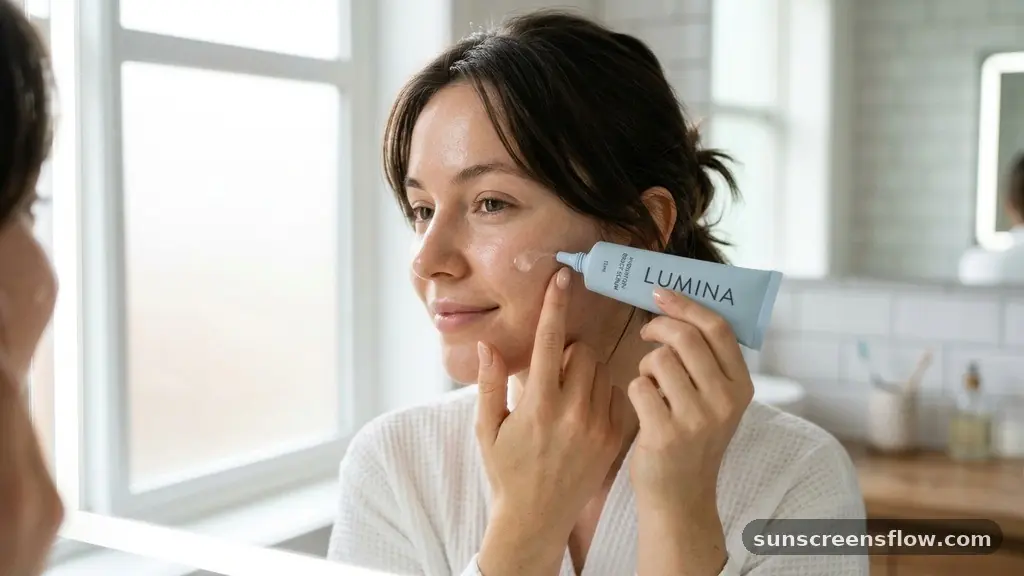
At the heart of the CeraVe formula is 10% pure vitamin C, which is the gold standard for topical dermatological applications. L-ascorbic acid is widely recognized for its ability to neutralize free radical damage caused by environmental stressors like pollution and UV exposure. When applied consistently, this potent ingredient helps to stimulate collagen synthesis, which is essential for maintaining skin elasticity and firmness over time. Unlike some other derivatives that require conversion within the skin, pure vitamin C is active upon contact, making it a highly efficient choice for those seeking noticeable results.
However, the efficacy of this ingredient is heavily dependent on stability. Vitamin C is notoriously unstable and susceptible to oxidation when exposed to light or air. CeraVe addresses this by utilizing specific air-tight packaging that protects the integrity of the formula from the moment it is manufactured until the final drop is used.
This attention to detail ensures that the product maintains its potency throughout its shelf life, preventing the serum from turning orange or losing its effectiveness. When you invest in a serum, you are essentially paying for the chemistry that keeps the active ingredients working as intended, and this product hits that mark well.
Synergistic Ingredients: Ceramides and Hyaluronic Acid
What sets this formula apart from many competitors is its inclusion of signature skin-supporting ingredients. While many vitamin C serums can be drying or irritating, CeraVe incorporates three essential ceramides to support skin barrier repair.
Ceramides are lipids that help lock in moisture and protect the skin against external irritants. By pairing a powerful active like vitamin C with these soothing lipids, the brand creates a balanced experience that is much more tolerable for individuals who might otherwise find high-concentration acids too harsh for their daily routine.
Furthermore, the addition of hyaluronic acid ensures that the skin remains hydrated during the treatment process. Because vitamin C can sometimes feel slightly dehydrating, the humectant properties of hyaluronic acid draw moisture into the surface layers of the skin, leaving it feeling plump and smooth. This combination makes the serum a versatile addition to almost any regimen.
It is not just about correcting hyperpigmentation or dark spots; it is about maintaining a healthy, hydrated environment for your skin to heal and thrive. This holistic approach to formulation is a major reason why many dermatologists recommend this specific product for those starting their journey with active ingredients.
Addressing Sensitive Skin Concerns
A common barrier to using vitamin C is the fear of irritation, particularly for those with sensitive skin. The good news is that this serum is formulated to be non-comedogenic and fragrance-free, significantly reducing the risk of breakouts or allergic reactions.
Because it is dermatology-tested, it undergoes rigorous evaluation to ensure that it meets safety standards for various skin types. However, regardless of how gentle a formula is, everyone’s skin chemistry is unique, which is why patch testing is always recommended before applying a new product to your entire face.
To perform a successful patch test, apply a small amount of the serum to your inner forearm or behind your ear and wait 24 to 48 hours to see if any redness or itching occurs. If your skin remains calm, you can safely integrate it into your morning routine.
The inclusion of vitamin B5 (panthenol) also serves a protective role, as it is known for its soothing and anti-inflammatory properties. This makes the serum an excellent entry point for beginners who are concerned about potential stinging or redness that often comes with higher-strength acidic treatments.
Optimizing Your Routine: Layering and Sunscreen Compatibility
Understanding how to layer products is essential for maximizing the benefits of any topical treatment. As a general rule of thumb, you should always apply your vitamin C serum after cleansing and toning, but before applying your heavier moisturizer layering steps.
Because the serum has a relatively lightweight, gel-like consistency, it absorbs quickly, allowing you to follow up with your preferred cream or lotion without feeling heavy or greasy. This seamless integration ensures that you can continue your usual skincare steps without disrupting your workflow.
Perhaps the most important rule when using any vitamin C product is its sunscreen compatibility. While vitamin C provides secondary protection against environmental damage, it does not replace your SPF. In fact, using vitamin C alongside a broad-spectrum sunscreen can actually boost your overall protection against UV rays.
The antioxidant properties of the serum work in tandem with the physical or chemical filters in your sunscreen to neutralize any free radicals that might bypass your sun protection. Below is a quick breakdown of how to structure your morning routine for the best results:
- Cleanse skin thoroughly with a gentle, pH-balanced cleanser.
- Apply a thin layer of the CeraVe Vitamin C serum to dry skin.
- Allow the serum to absorb for 60 seconds.
- Follow with a lightweight moisturizer if your skin feels dry.
- Always finish with a broad-spectrum SPF 30 or higher.
Comparing Product Efficacy and Value
When analyzing whether this serum is a good investment, it is helpful to look at the market landscape. Many high-end serums cost upwards of $100, while CeraVe offers a more accessible price point without sacrificing the core components that make vitamin C effective. The table below compares the typical features of mass-market versus premium vitamin C serums to help you understand what you are paying for in a skincare product.
| Feature | CeraVe Vitamin C | Premium Boutique Serums |
|---|---|---|
| Primary Active | 10% L-ascorbic acid | 15-20% L-ascorbic acid |
| Stability Packaging | Air-tight/Opaque tube | Glass dropper/Air-tight |
| Added Benefits | Ceramides, B5, HA | Botanical extracts/Peptides |
| Price Point | Accessible/Mid-range | High/Luxury |
| Irritation Risk | Low (due to ceramides) | Moderate (due to higher acidity) |
As the table demonstrates, while some luxury brands offer higher concentrations of vitamin C, those higher levels often come with a significantly increased risk of irritation. For most people, the 10% concentration found in the CeraVe formula is the “sweet spot”—it provides enough potency to see visible improvements in skin brightening and dark spots without overwhelming the skin barrier.
Managing Expectations for Dark Spots and Hyperpigmentation
One of the most frequent questions users ask is how long it takes to see results. It is important to approach skincare with realistic expectations. Vitamin C is not a magic eraser; it is a long-term investment in skin health.
While you might notice an immediate glow due to the hydrating properties of the serum, real changes in hyperpigmentation and uneven skin tone typically take at least 8 to 12 weeks of consistent daily use. This is the time required for your skin cells to cycle through their natural renewal process.
Consistency is the single most important factor. If you use the serum sporadically, you will not see the cumulative benefits. Additionally, you must be diligent about sun protection.
If you are treating dark spots but failing to wear sunscreen, the UV exposure will simply continue to trigger melanin production, effectively undoing the work the serum is trying to do. Think of the serum as your offensive strategy against pigmentation and sunscreen as your defensive strategy. Both are mandatory for the best possible outcome.
Addressing Topical Gaps: Why Is My Serum Turning Orange?
A common concern among users is the color change of the product over time. If your serum starts to turn a yellowish or brownish hue, it is a sign of oxidation. While the product is still technically “safe” to use, it has likely lost much of its efficacy.
This is why the packaging is so critical. CeraVe uses an aluminum-lined tube to prevent light and air from entering the container, which is superior to the clear glass dropper bottles often sold by competitors. If you notice your bottle is starting to discolor, it’s a sign that it’s time to replace it.
To extend the life of your product, store it in a cool, dark place rather than in a bathroom that gets steamy and bright. While some people choose to store their vitamin C in the refrigerator, it is not strictly necessary as long as the packaging remains sealed and the environment is stable.
If you find that you aren’t finishing the product before it starts to turn, try to use it more consistently or purchase smaller quantities if available. Proper storage is the secret to getting the full value out of your skincare investment.
The Role of Antioxidants in Long-Term Anti-Aging
Beyond just brightening the complexion, antioxidant protection is a critical component of any anti-aging strategy. As we age, our skin’s natural ability to repair itself slows down, making it more vulnerable to the cumulative effects of environmental stressors. By providing an external source of antioxidants, you are essentially giving your skin the tools it needs to fight off the oxidative stress that leads to fine lines and loss of elasticity. Collagen synthesis is highly dependent on the presence of vitamin C, meaning that by using this serum, you are actively supporting the structural integrity of your skin.
This long-term perspective is what makes this serum a staple in many dermatological routines. It is not just a quick fix for a dull morning; it is a preventative measure against the visible signs of aging that develop over years of exposure.
When combined with a robust routine that includes moisturizing and sun protection, the use of a reliable vitamin C serum can significantly improve the texture and clarity of your skin. It is a fundamental step that bridges the gap between basic hygiene and advanced skin maintenance.
Common Questions About CeraVe Vitamin C Serum
Does CeraVe vitamin C serum really work for all skin types?
Yes, the formula is specifically designed to be inclusive. Because it is non-comedogenic and contains ceramides, it is generally effective for oily, dry, and combination skin. However, those with extremely reactive or rosacea-prone skin should always perform a patch test to ensure the L-ascorbic acid does not trigger a flare-up.
Can I use this serum at the same time as retinol?
It is generally recommended to use vitamin C in the morning and retinol at night. Using them simultaneously can cause excessive irritation and may destabilize the active ingredients. Keeping them in separate parts of your routine allows each product to perform its function without compromising your skin barrier.
Is it normal for the serum to tingle upon application?
A very slight, temporary tingling sensation can be normal, especially if you are new to using high-potency vitamin C. However, if the tingling turns into a burning sensation or if you develop significant redness, you should wash it off immediately and discontinue use, as your skin may be too sensitive.
How long should a single tube last?
If used once daily as directed, a standard tube typically lasts about two to three months. Because the packaging is designed to minimize air exposure, the product should remain effective throughout this period, provided the cap is screwed on tightly after every single use to prevent premature oxidation.
Can I apply this to my neck and chest?
Absolutely. The skin on your neck and chest is just as susceptible to sun damage and signs of aging as your face. Extending your skincare routine to these areas is a highly recommended practice for maintaining a uniform appearance and protecting those delicate zones from long-term environmental damage.
Conclusion
Is CeraVe vitamin C serum good? The consensus among skincare professionals and consistent users is that it provides a high-quality, stable, and accessible option for those looking to incorporate antioxidant protection into their daily lives.
By utilizing 10% pure vitamin C alongside ceramides and hyaluronic acid, the product manages to deliver the brightening and anti-aging benefits of a potent active while maintaining the gentle, barrier-repairing characteristics that the brand is famous for. While it may not have the highest concentration of acid on the market, its stability and ease of use make it an ideal choice for beginners and experienced skincare enthusiasts alike.
Ultimately, the effectiveness of any serum depends on your commitment to a consistent routine. By pairing this product with daily sunscreen compatibility, proper moisturizer layering, and a patient approach to results, you can significantly improve the look of dark spots, dullness, and uneven skin tone.
Whether you are aiming to prevent future damage or correct existing concerns, this serum offers a reliable, evidence-based solution that fits seamlessly into a modern, effective skincare regimen. Investing in the health of your skin barrier is always a smart move, and this product provides the necessary support to keep your complexion looking vibrant and resilient for years to come.


