


Integrating a snail mucin serum into your daily regimen can be a transformative experience for your complexion, providing unparalleled hydration and skin-repairing benefits. Often recognized for its slightly sticky texture, this unique ingredient—scientifically known as snail secretion filtrate—has gained massive popularity for its ability to soothe irritation and promote a dewy, youthful glow. Whether you are a skincare enthusiast or a beginner looking to simplify your routine, understanding the precise application techniques and the science behind this powerhouse ingredient is essential for achieving the best possible results without causing congestion or sensitivity.
The Science Behind Snail Secretion Filtrate
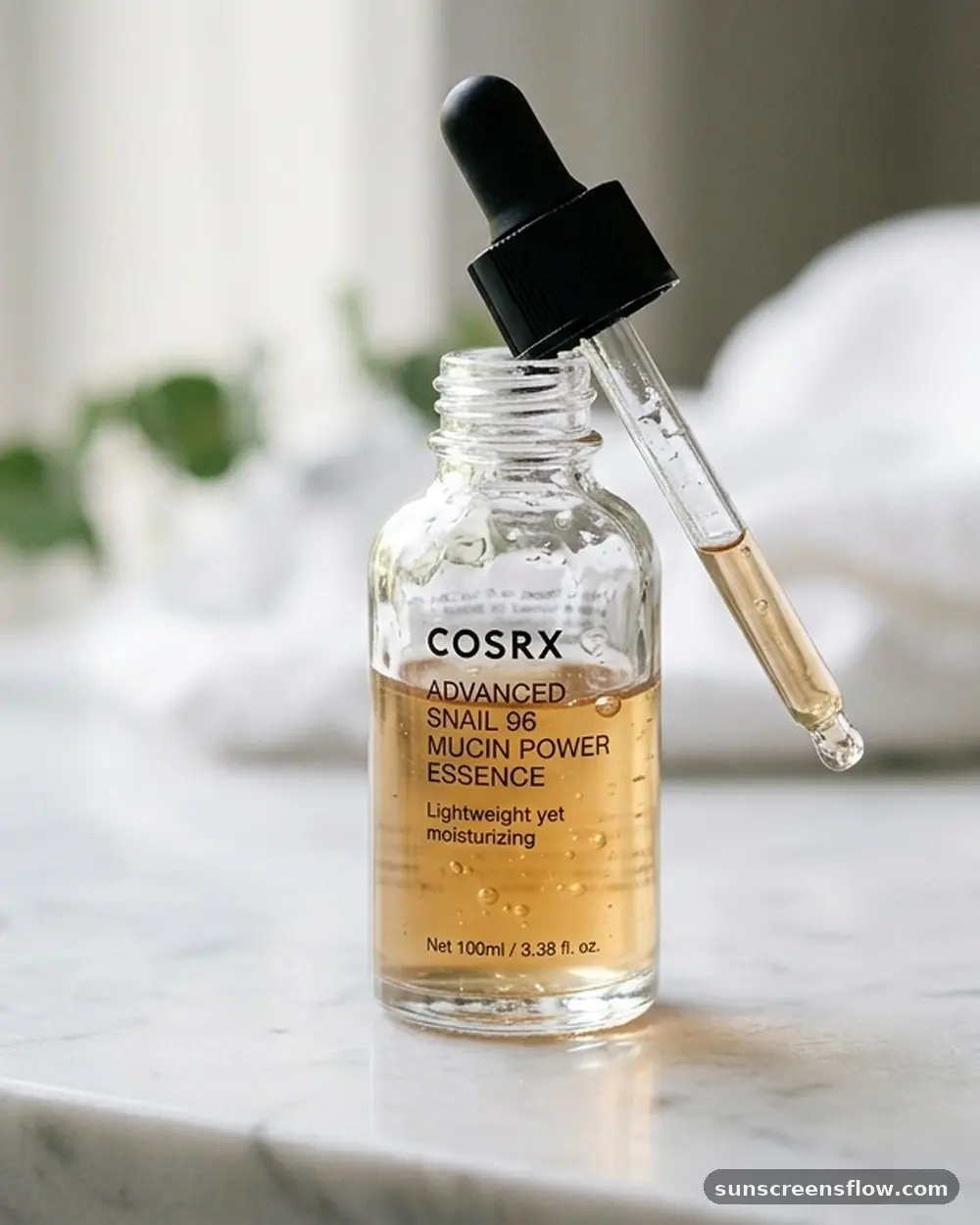
At its core, snail secretion filtrate is a complex cocktail of beneficial compounds that snails produce to protect their soft bodies from harsh environments and injury. When harvested ethically and formulated into a serum or essence, these components work synergistically to support human skin health.
The most notable constituents are glycoproteins, which serve as the building blocks for tissue repair, and various peptides that assist in maintaining structural integrity. These substances help to lock in moisture, effectively reducing transepidermal water loss—the process by which water evaporates from the skin’s surface, leading to dryness and dehydration.
Beyond simple moisturizing, this substance acts as a potent humectant. It draws water from the environment into the upper layers of the epidermis, creating a plumping effect that can temporarily minimize the appearance of fine lines and wrinkles. Because it is naturally rich in nutrients, it does not just sit on top of the dermis; rather, it sinks in to improve the overall texture.
Many users find that consistent use leads to a more refined surface, as the filtrate helps to gently encourage cell turnover. When you understand that you are essentially applying a natural, bioactive repair fluid, the importance of proper application becomes much clearer.
Step-by-Step Application Guide for Maximum Efficacy
To get the most out of your product, you must follow a structured approach. The golden rule for any product containing snail secretion filtrate is that it performs best on damp skin.
Because it is a humectant, it needs water to hold onto; if you apply it to a bone-dry face, it may actually pull moisture out of your skin rather than into it. Follow these steps to ensure you are reaping the full rewards:
- Cleanse your face thoroughly with a gentle cleanser to remove debris and oils.
- Leave your skin slightly moist after patting it with a towel; do not dry it completely.
- Dispense one to two pumps of the snail mucin serum into your clean palms.
- Gently pat the product into your skin, starting from the center of your face and moving outward.
- Allow the product to settle for about 30 to 60 seconds before moving to your next skincare step.
- Seal the hydration in by applying a moisturizer immediately after.
This Step-by-Step Application Guide emphasizes the importance of the “patting” motion rather than rubbing. Rubbing can cause unnecessary friction, whereas patting encourages the product to adhere to the skin and absorb more efficiently. Since the consistency is often viscous, patting also helps break down the tension of the formula, allowing it to spread evenly across the forehead, cheeks, and chin.
Optimizing Skincare Layering and Order of Operations
Determining where to place this product in your skincare layering ritual is a common point of confusion. Generally, skincare products are applied from the thinnest consistency to the thickest.
Because most snail products are formulated as an essence or a lightweight serum, they should follow your toner but precede heavier creams or oils. If you are using a COSRX snail essence, for example, it is usually thin enough to act as the primary hydration step right after cleansing.
If you are incorporating other active ingredients, the timing becomes even more critical. You should apply those treatments first, let them absorb, and then follow up with the snail mucin. This is particularly relevant if you are using chemical exfoliants.
By applying your snail product after your actives have had time to work, you create a protective, soothing layer that mitigates the potential dryness or irritation caused by acids. This creates a buffer that strengthens your skin barrier while still allowing the actives to perform their designated functions.
Common Ingredient Pairings and Conflicts
Navigating which ingredients play well with others is a vital skill for any skincare enthusiast. Snail mucin is famously versatile, making it an excellent companion for most popular actives.
However, there are nuances to consider when building your routine. The following table illustrates how snail mucin interacts with other common skincare powerhouses.
| Ingredient | Compatibility | Benefit |
|---|---|---|
| Hyaluronic Acid | High | Supercharged hydration and plumping. |
| Niacinamide | High | Reduces redness and improves texture. |
| Glycolic Acid | Moderate | Soothes potential irritation from exfoliation. |
| Retinol | High | Buffers the skin against retinoid-induced dryness. |
As indicated in the table, hyaluronic acid and niacinamide are excellent partners. Both work to improve the skin’s moisture levels and barrier function. When you combine these with glycoproteins found in snail mucin, you create an environment where the skin can recover quickly from environmental stress.
While glycolic acid is safe to use in the same routine, you must exercise caution to ensure you are not over-exfoliating. If your skin feels sensitive, use the snail mucin as a calming agent after the acid has fully dried on the skin.
Addressing Topical Gaps: Safety and Sensitivities
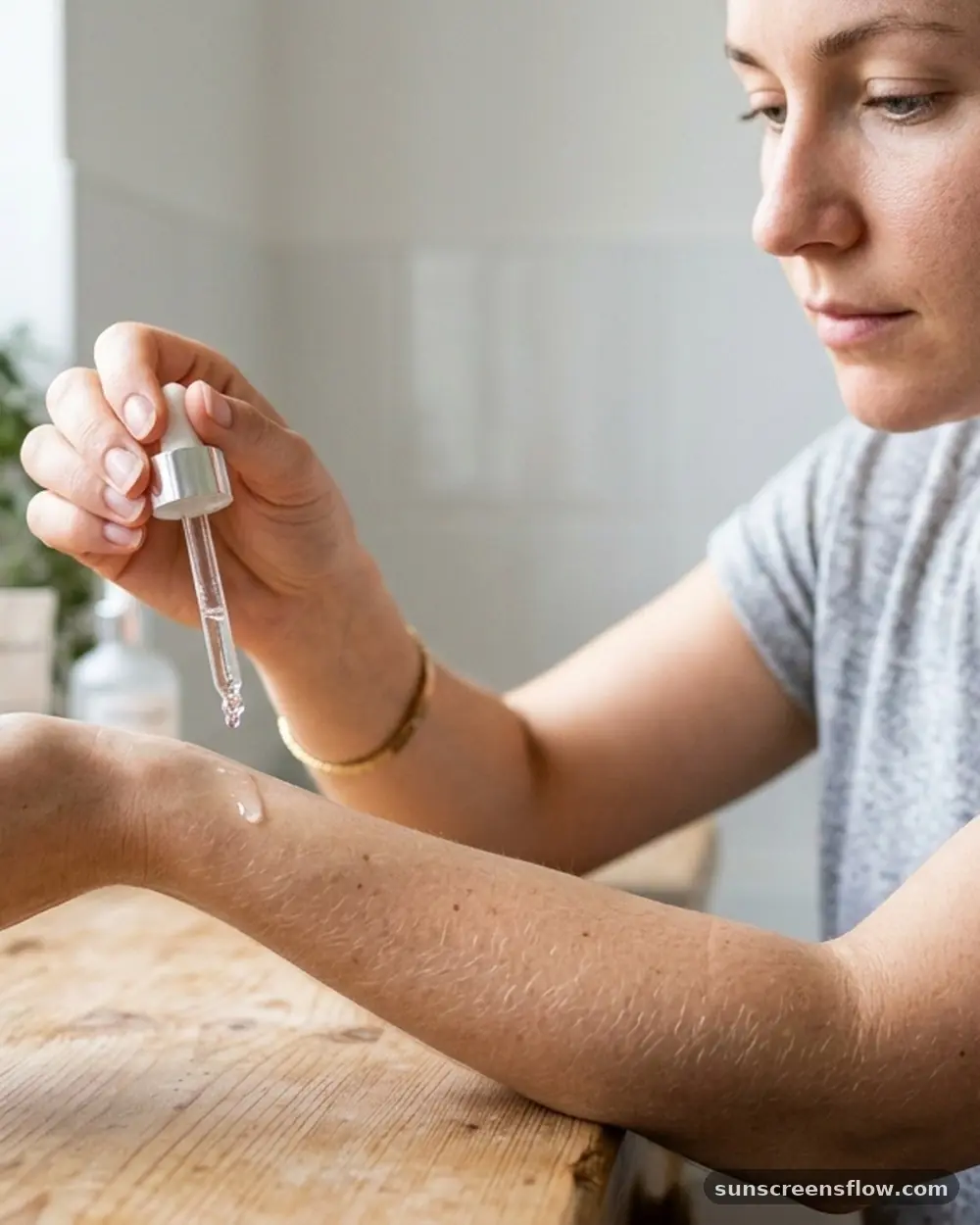
A common concern among new users is the potential for allergic reactions. Because snail secretion filtrate is a biological byproduct, those with specific allergies to shellfish or dust mites might theoretically experience cross-reactivity, though this is rare.
Before incorporating any new product into your daily routine, you should always perform a patch test. Apply a small amount of the serum to the inside of your wrist or behind your ear and wait 24 hours to monitor for redness, itching, or swelling.
Another gap in common knowledge is the shelf-life and storage of these products. Because many high-quality formulas contain natural extracts, they can be sensitive to extreme temperature changes or direct sunlight. Store your bottle in a cool, dark place, such as a vanity drawer or a bathroom cabinet away from the shower’s heat.
If you notice a significant change in color, smell, or consistency, the product may have oxidized or degraded. While the slightly sticky texture is a normal characteristic of the ingredient, a foul odor is not. Trust your senses; if it seems off, it is better to err on the side of caution.
The Role of Snail Mucin in Barrier Repair
The human skin barrier is the outermost layer of the epidermis, acting as a shield against pathogens and moisture loss. When this barrier is compromised—due to over-exfoliation, harsh weather, or aggressive product use—the skin becomes prone to sensitivity, breakouts, and chronic dryness.
Snail mucin is a superstar for barrier repair because it contains natural peptides and allantoin. These components actively promote the healing of micro-tears and soothe inflammation.
When you use a serum containing this ingredient, you are providing your skin with the raw materials it needs to rebuild its structural integrity. Unlike heavy occlusives that simply “plug” the holes in your barrier, snail mucin works by hydrating the skin from within and supporting the natural processes of cell renewal.
This makes it an ideal choice for those who are currently using prescription-strength acne treatments or anti-aging retinoids, as it can help minimize the “purge” or peeling phase associated with these potent ingredients. Regular use helps to stabilize the skin, making it more resilient to the challenges of modern urban environments.
Differentiating Between Essence and Serum
In the world of K-beauty, the lines between an essence and a serum can sometimes blur, leading to confusion about how to use them. Generally, an essence is more watery and intended to provide a base layer of hydration, whereas a serum is often more concentrated and targeted toward specific concerns like brightening or anti-aging. Many snail mucin products are technically essences, which means they are designed to be used as a foundational step.
If you are using both a snail essence and a specialized serum, the order remains consistent: apply the product with the lower viscosity first. If your snail product is a thick, gel-like serum, it might actually come after your more watery, active-based serums. Always check the texture of the products in your hand.
If one feels significantly thinner or more like water, it goes on first. If one is thick and viscous, it goes on later. This layering strategy ensures that each product can penetrate the skin without being blocked by a heavier, occlusive layer applied too early in the process.
Daytime vs. Nighttime Usage
One of the most frequent questions regarding this product is whether it is better suited for the morning or the evening. The short answer is that it is highly effective at both times.
During the day, the hydration provided by the mucin acts as a shield against the drying effects of office air conditioning and pollution. Because it leaves a slight glow, it can also act as a beautiful base for makeup, helping to prevent foundation from looking cakey or settling into fine lines.
At night, the focus shifts to repair. During sleep, your skin undergoes a natural recovery process. Applying a generous layer of snail mucin serum before your night cream allows the skin to absorb the nutrients while you rest.
Many users find that waking up with a hydrated, plump complexion is one of the most rewarding parts of their evening routine. If you have limited time and can only use it once a day, the evening is generally preferred to maximize the overnight repair benefits, but there is absolutely no reason you cannot enjoy it twice daily if your skin responds well to it.
Long-term Benefits and Consistency
Skincare is a marathon, not a sprint, and the benefits of using snail secretion filtrate are cumulative. While you might notice an immediate improvement in hydration and skin “bounce” after the first application, the real transformation happens over weeks and months. Consistent use helps to fade the appearance of post-inflammatory hyperpigmentation—the dark spots left behind by healed acne—and creates a smoother, more even skin tone.
The secret to success lies in making the application a non-negotiable part of your ritual. By keeping your bottle in a visible spot near your sink, you are more likely to reach for it every single day. Remember that your skin’s cycle of renewal is approximately 28 days; this is the minimum amount of time you should give any new product before deciding if it is truly working for you.
Documenting your progress with photos can be a helpful way to see subtle changes that you might miss when looking in the mirror every day. Over time, you will likely find that your need for heavy, greasy moisturizers decreases, as your skin becomes naturally more hydrated and balanced from within.
FAQ Section
Can I use snail mucin serum every day?
Yes, you can absolutely use snail mucin serum every day. It is a gentle, hydrating, and soothing product that is generally well-tolerated by all skin types. Using it morning and night can help maintain optimal moisture levels and support the skin barrier, leading to a healthier, more resilient complexion.
What should I avoid mixing with snail mucin?
Snail mucin is highly compatible with most skincare ingredients, including retinol, vitamin C, and niacinamide. There are no major conflicts to avoid. However, if you have sensitive skin, always introduce new products one at a time to ensure that any potential irritation is not caused by the interaction of multiple actives.
Is snail mucin effective for treating wrinkles?
While snail mucin is not a replacement for medical-grade anti-aging treatments, it is excellent for minimizing the appearance of fine lines. Its high humectant content plumps the skin with moisture, which softens the look of dehydration-related lines, while the glycoproteins and peptides support long-term skin elasticity and texture improvement.
Should I apply snail mucin before or after my moisturizer?
You should always apply your snail mucin serum before your moisturizer. As a general rule, you should apply products in order of their consistency, from thinnest to thickest. Since snail mucin is typically a lightweight essence or serum, it needs to be applied first to hydrate the skin before sealing it with a cream.
Conclusion
Mastering how to use snail mucin serum is about more than just adding a trendy step to your vanity; it is about understanding how to optimize your skin’s moisture balance and barrier health. By applying the product to damp skin, patting it in gently, and layering it correctly with other humectants and active ingredients, you can unlock a level of radiance and hydration that many other products simply cannot match. Whether you are aiming to soothe irritation, diminish the appearance of fine lines, or simply maintain a healthy, glowing complexion, this versatile ingredient serves as a cornerstone of a well-rounded routine.
Remember to prioritize consistency, perform a patch test if you have sensitive skin, and always listen to how your skin responds to different combinations. With the right technique and a little patience, this unique snail secretion filtrate can become your skin’s best friend, helping you achieve that coveted, dewy look while keeping your skin barrier strong and protected against the rigors of daily life.


