

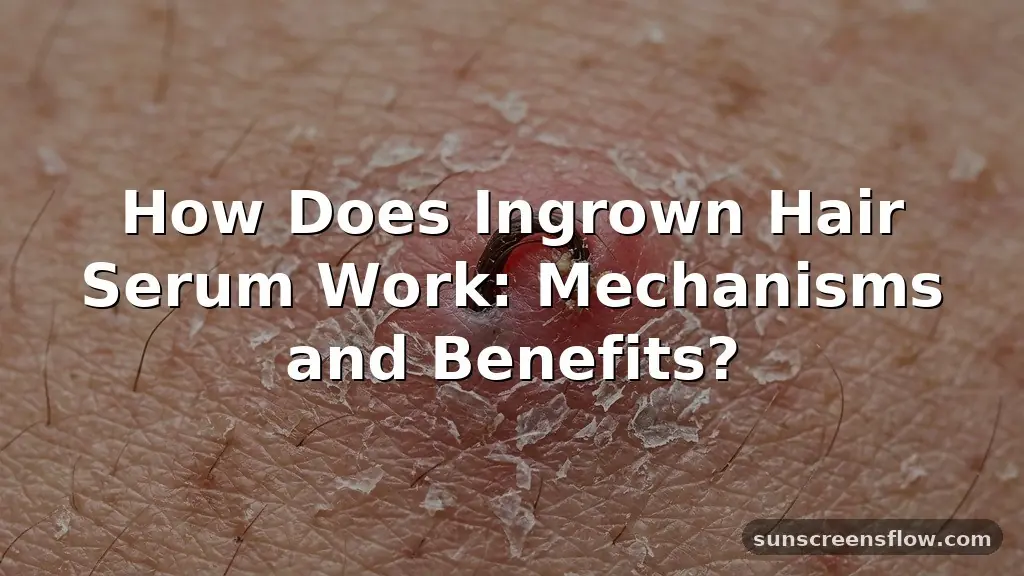
Dealing with stubborn bumps after shaving or waxing is a frustration many people face, but understanding how does ingrown hair serum work can transform your grooming routine. At its core, an ingrown hair serum is a targeted topical treatment designed to address the mechanical and chemical barriers that prevent hair from growing out of the skin properly.
Unlike standard moisturizers, these specialized formulas focus on dissolving debris, calming irritation, and encouraging the hair to break through the surface of the epidermis. By combining active ingredients that tackle both the immediate symptoms and the underlying causes, these serums act as a preventive shield against the recurring cycle of irritation.
The Biological Mechanics of Ingrown Hairs
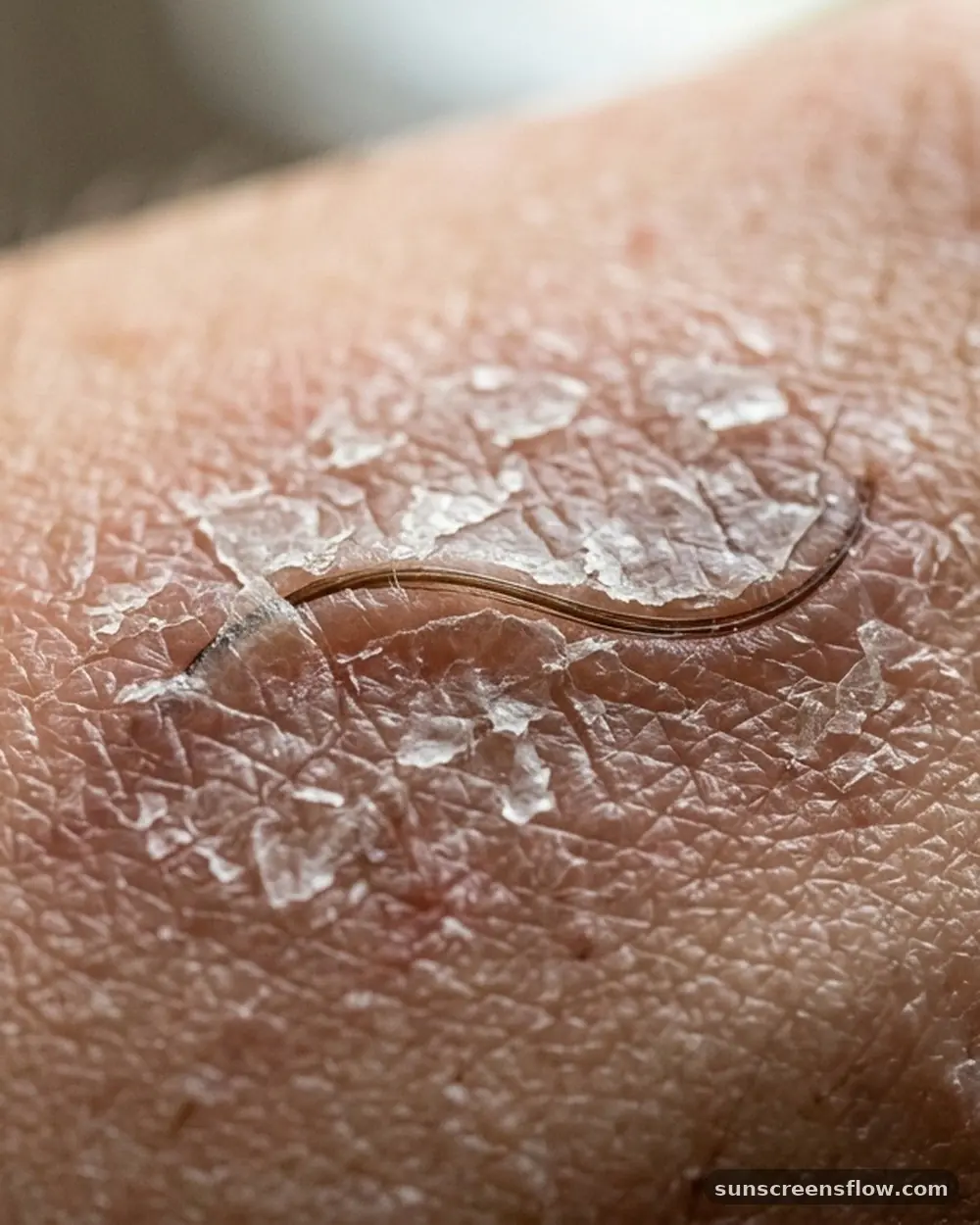
To understand the efficacy of these serums, one must first recognize the biological process that creates an ingrown hair. When a hair is cut at the skin level—whether by a razor, wax, or epilator—it can sometimes fail to exit the pore correctly. This often occurs due to keratin buildup, where dead skin cells accumulate around the opening of the hair follicle.
As the hair continues to grow, it may curl backward or sideways, penetrating the surrounding tissue. This intrusion triggers the body’s immune response, leading to inflammation, redness, and the formation of painful razor bumps.
The hair follicle is a complex structure, and when it becomes obstructed by excess sebum or dead skin, the environment becomes ripe for bacterial growth. This is where the term folliculitis often enters the conversation—the hair follicle becomes infected, turning a minor irritation into a persistent, visible bump.
Ingrown hair serums work by intervening at the site of the follicle, clearing away the physical obstruction that prevents the hair from emerging. By thinning the layer of dead skin cells that traps the hair, the serum creates a clear path, allowing the follicle to function as nature intended.
Chemical Exfoliation as a Core Mechanism
The primary engine behind most effective ingrown hair treatments is chemical exfoliation. Unlike physical scrubs that can sometimes cause micro-tears and further aggravate sensitive skin, chemical exfoliants work on a molecular level to dissolve the bonds holding dead skin cells together. Ingredients like salicylic acid are particularly prized for this purpose.
As a beta-hydroxy acid (BHA), salicylic acid is oil-soluble, meaning it can penetrate deep into the pore to clear out trapped sebum and debris. This comedolytic action is essential for preventing the buildup that causes hairs to become trapped in the first place.
In addition to salicylic acid, many high-quality serums utilize alpha-hydroxy acids (AHAs) such as glycolic acid or lactic acid. These acids are water-soluble and work primarily on the surface of the skin to promote epidermal turnover. By accelerating the rate at which the skin sheds its outer layer, these acids ensure that the pore remains unobstructed.
When used consistently, this process prevents the accumulation of keratin that typically leads to the hair curling inward. The result is a smoother skin texture and a significant reduction in the frequency of bumps, as the hair encounters no resistance when it reaches the surface.
Balancing Skin Barrier and pH Levels
A common misconception is that aggressive exfoliation is always better, but maintaining the integrity of the skin barrier is vital for long-term health. A compromised barrier can lead to increased skin sensitivity, making the area even more prone to irritation.
Effective serums are formulated to balance the acidic nature of the exfoliants with soothing agents that protect the skin’s natural pH balance. This balance is crucial because an overly alkaline skin environment can encourage the proliferation of unwanted bacteria, while a properly acidic barrier acts as a natural defense mechanism.
When choosing a product, it is important to look for formulations that incorporate calming ingredients alongside the actives. For instance, witch hazel is frequently included for its astringent properties, which help to tighten pores and reduce redness without stripping the skin of its necessary moisture.
By integrating these soothing elements, the serum manages to treat the ingrown hair while simultaneously nurturing the surrounding skin. This dual approach ensures that the treatment does not lead to dryness or flaking, which could inadvertently worsen the cycle of blockage by creating more dead skin debris.
The Role of Anti-Inflammatory and Antimicrobial Ingredients
Beyond exfoliation, treating the symptoms of an existing ingrown hair requires addressing the underlying inflammation and potential microbial presence. Many serums include botanical extracts known for their potent anti-inflammatory properties. Aloe vera is a staple in this category, providing immediate relief from the burning sensation often associated with shaving irritation. Its ability to hydrate the skin while cooling the area helps to mitigate the redness that accompanies a fresh bump, making the skin appear clearer and more even-toned.
Furthermore, ingredients like tea tree oil are often added for their natural antimicrobial benefits. Since ingrown hairs can often lead to small, localized infections within the follicle, having an ingredient that naturally combats bacterial growth is a significant advantage.
This helps to prevent the bump from becoming a pustule, which can lead to scarring or hyperpigmentation. By keeping the area clean and reducing the inflammatory response, the serum allows the body to heal the trauma caused by the hair’s erratic growth pattern, effectively stopping the cycle of irritation in its tracks.
Strategic Application for Optimal Results
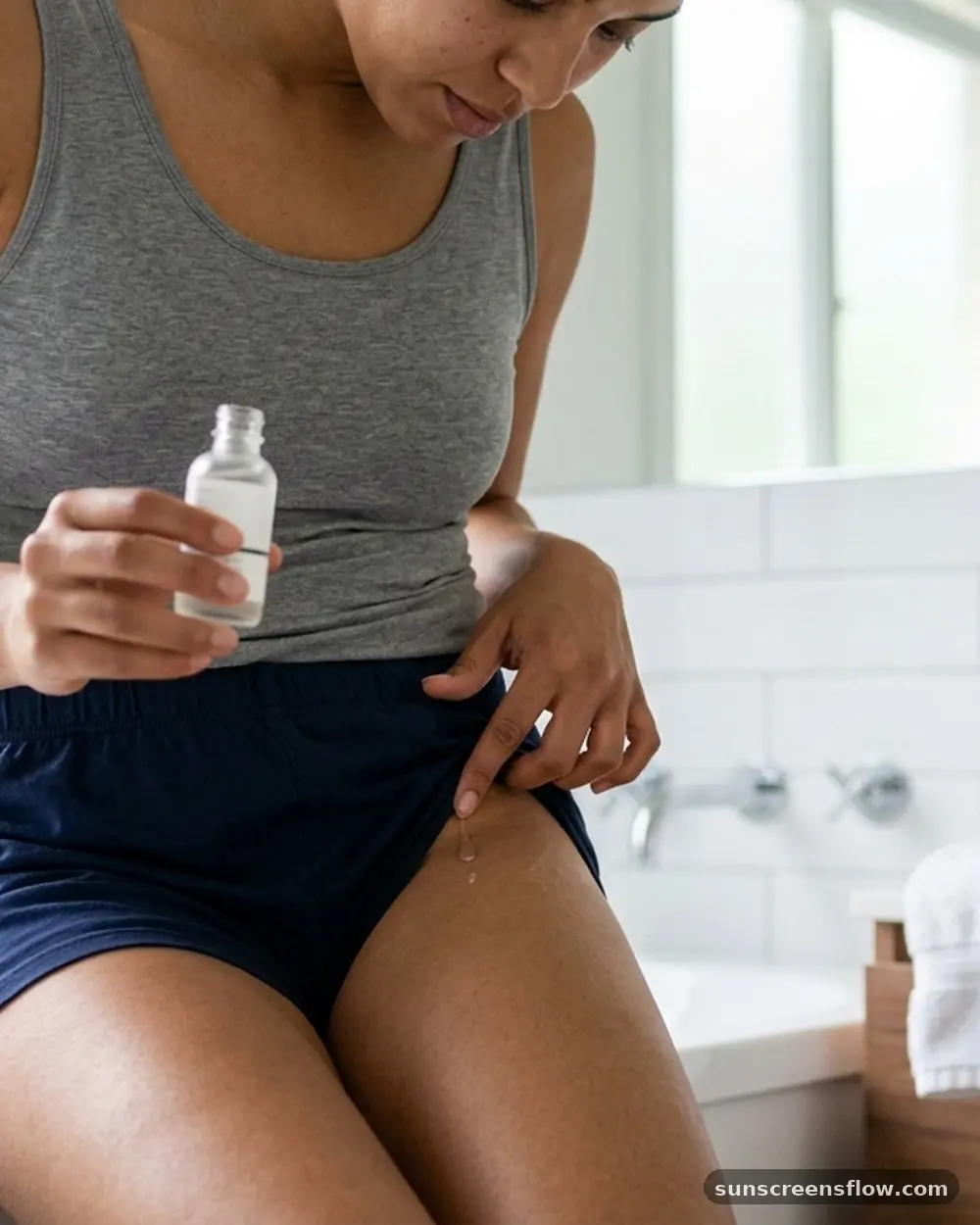
Understanding how to apply the serum is just as important as the ingredients themselves. For the best results, consistency is key, especially during post-waxing care or shortly after shaving.
Most dermatologists recommend applying the serum once or twice daily to the affected areas, such as the bikini line, underarms, or legs. Because these products contain active acids, it is essential to start slowly if you have sensitive skin to ensure that your complexion can tolerate the concentration of the chemical exfoliants.
It is also important to consider the timing of application. Applying the serum immediately after hair removal can sometimes cause stinging, especially if the skin barrier has been disrupted by a razor or wax strip. Many users find it beneficial to wait a few hours or even until the next day to begin the treatment.
This allows the skin to settle and reduces the risk of excessive irritation. By incorporating the serum into your daily routine—almost like a toner for your body—you create a consistent environment where the pores remain clear and the skin remains smooth, significantly reducing the likelihood of new ingrown hairs forming over time.
Comparing Common Ingredients in Ingrown Hair Serums
To help you identify the best ingredients for your specific skin type, the following table summarizes the primary roles of common components found in high-quality ingrown hair treatments.
| Ingredient | Primary Function | Best For |
|---|---|---|
| Salicylic Acid | Deep pore cleansing and oil removal | Oily skin and clogged pores |
| Glycolic Acid | Surface exfoliation and brightening | Rough texture and hyperpigmentation |
| Witch Hazel | Astringent and redness reduction | Sensitive or irritated skin |
| Aloe Vera | Soothing and hydration | Post-shave burning and inflammation |
| Tea Tree Oil | Antimicrobial protection | Preventing infected bumps |
Addressing Topical Gaps: Why Some Serums Fail
One of the most frequent questions regarding these products is why some users don’t see the results they expect. Often, this comes down to user error or product selection. A common gap in success is the failure to address the “mechanical” side of the problem.
If you are using a potent serum but continue to shave with a dull razor or against the grain, the serum cannot counteract the physical trauma you are inflicting on the follicle. The serum is a tool for maintenance and prevention, not a magic eraser for poor shaving technique.
Another common pitfall is the lack of hydration. If an individual uses a strong chemical exfoliant without following up with a non-comedogenic moisturizer, the skin may overcompensate by producing more sebum, which can lead to new blockages. Additionally, some users stop using the serum as soon as the bump disappears.
However, because the hair is still growing, the cycle of obstruction can easily restart. It is essential to view the serum as a long-term maintenance product. By keeping the hair follicle clear even when no bumps are visible, you are actively preventing the next wave of irritation before it has a chance to manifest.
Common Myths and Misconceptions
There are many myths surrounding the treatment of ingrown hairs that can lead to ineffective or even harmful practices. One of the most persistent myths is that you should “dig out” an ingrown hair with tweezers. This is highly discouraged, as it almost always leads to secondary infection, permanent scarring, and increased hyperpigmentation.
An ingrown hair serum works by encouraging the hair to surface naturally; it does not replace the need for patience. If a hair is deeply embedded, it may take several days of consistent serum application for the skin to thin enough for the hair to release.
Another myth is that all hair removal methods are equally prone to causing ingrown hairs. While it is true that any method can cause them, shaving is statistically more likely to result in trapped hairs because the razor cuts the hair at a sharp, diagonal angle, making it easier for the tip to pierce the skin. Waxing, while pulling from the root, can also cause issues if the hair breaks during the process.
Regardless of the method, the serum functions as a necessary corrective measure to counteract the inherent risks of hair removal. Understanding that no method is perfectly safe allows you to be more proactive in your aftercare.
Best Practices for a Healthy Grooming Routine
To maximize the benefits of your serum, integrate it into a broader healthy grooming routine. This involves more than just selecting the right product; it involves treating the skin with the same care you would apply to your face. Consider these essential steps for maintaining smooth, bump-free skin:
- Always use a clean, sharp razor and replace it frequently to ensure a smooth cut.
- Apply a moisturizing shave cream or gel to soften the hair and protect the skin barrier.
- Shave in the direction of hair growth whenever possible to minimize the risk of the hair curling back into the follicle.
- Exfoliate gently before hair removal to remove loose dead skin that could clog the razor.
- Apply your chosen ingrown hair serum consistently as part of your post-care ritual.
- Wear loose-fitting clothing after hair removal to prevent friction and allow the area to breathe.
By following these guidelines, you create an environment where the skin can recover quickly from the stress of hair removal. The serum acts as the final step in this process, ensuring that any stray hairs are guided safely to the surface while keeping the skin hydrated and protected from inflammation.
Addressing Frequently Asked Questions
Do ingrown hair serums actually work for everyone?
While most people see significant improvement, individual results vary based on skin type and hair coarseness. Those with curly, coarse hair are more prone to ingrowns and may require a more consistent, long-term application of the serum compared to those with finer, straighter hair.
How often should you use an ingrown hair serum?
For best results, apply the serum once daily to the affected area. If you have particularly sensitive skin, you may start by using it every other day to monitor how your skin reacts, gradually increasing frequency as your skin builds a tolerance to the chemical exfoliants.
What should I do if the serum causes stinging?
If you experience stinging, your skin barrier may be compromised or the concentration of acids might be too high for your current sensitivity levels. Rinse the area with cool water, apply a gentle moisturizer, and wait a few days before attempting to reintroduce the serum.
Can I use ingrown hair serum on my face?
Most ingrown hair serums are formulated for the body, where skin is typically thicker. While some ingredients are similar to facial products, the concentration of acids in body serums may be too harsh for the delicate skin on your face. Always check the label for specific usage instructions.
Conclusion
In summary, the effectiveness of an ingrown hair serum lies in its ability to combine chemical exfoliation with soothing, barrier-protective ingredients. By dissolving the keratin buildup that traps hairs and addressing the inflammation associated with folliculitis, these serums provide a comprehensive solution to a common aesthetic and physical concern. Whether you are dealing with razor bumps from daily shaving or irritation following a professional wax, the consistent use of a well-formulated serum can prevent the cycle of infection and scarring.
By maintaining a clean, hydrated, and properly exfoliated skin surface, you can ensure that your hair grows out smoothly, leaving your skin looking clearer and feeling much more comfortable. Remember that the key is consistency and choosing a product that respects your skin’s unique pH balance and sensitivity needs.


