

Deciding whether you should apply your hyaluronic acid serum before or after moisturizer is a common point of confusion for many skincare enthusiasts. Getting the order wrong can significantly impact how well your products perform, potentially leaving your skin feeling tight or dehydrated rather than plump and radiant. Understanding the science behind product absorption and the specific properties of humectants will help you build a more effective daily regimen.
By mastering your skincare layering order, you ensure that your active ingredients can penetrate effectively while your barrier remains protected. This piece breaks down exactly how to sequence these products for maximum hydration and lasting skin health.
Understanding the Role of Humectants in Your Routine
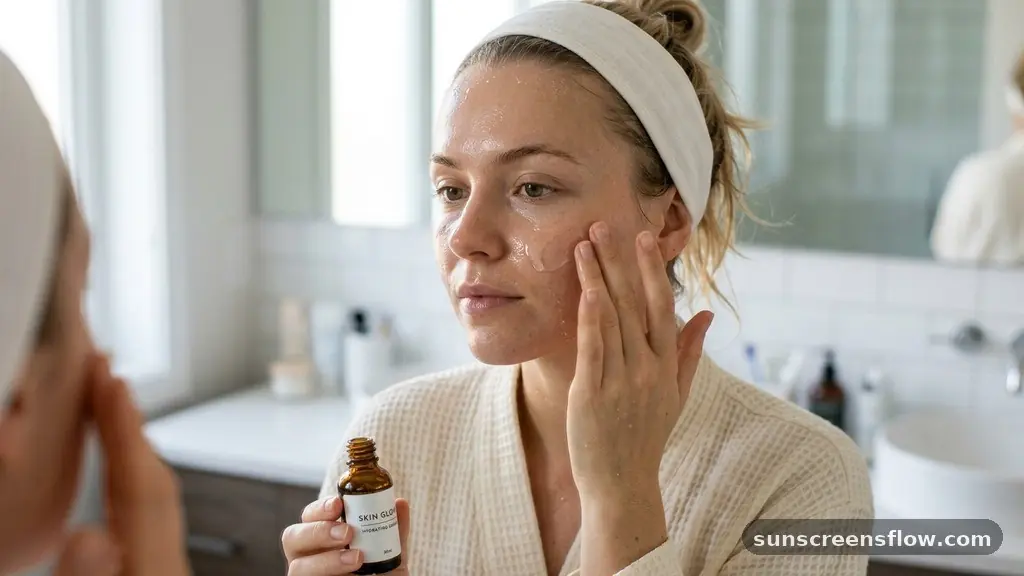
Hyaluronic acid is a powerful humectant, meaning its primary biological function is to attract and bind water molecules to the surface of your skin. Unlike oils or heavy creams that sit on the surface, a quality serum is designed to penetrate the epidermis to deliver deep hydration.
Because it is a water-loving molecule, it behaves differently depending on the environment it is placed in. If the air is extremely dry and you apply it to bare, dry skin, it may actually pull moisture out of your deeper skin layers rather than pulling it from the atmosphere.
This is why the context of your application matters so much. When you use a serum, you are essentially providing the skin with a concentrated dose of hydration that needs to be sealed in to prevent evaporation.
If you leave the serum exposed to the air without an occlusive layer over it, the water it has pulled into your skin will eventually evaporate, leading to what professionals call transepidermal water loss. By placing your moisturizer over the top, you create a physical barrier that keeps that hydration locked firmly within the dermis and epidermis.
The Importance of Skin Barrier Protection
Your skin barrier acts as the frontline defense against environmental stressors, pollutants, and bacteria. When this barrier is compromised, you experience sensitivity, redness, and rapid moisture loss.
Integrating a humectant-rich serum into your daily habits isn’t just about temporary plumpness; it is about supporting the structural integrity of your skin. A well-hydrated barrier is more resilient and less prone to irritation from other active ingredients like retinol or exfoliating acids.
Think of your skincare routine as a construction project. The serum acts as the mortar that fills in the gaps between your skin cells, while the moisturizer acts as the protective paint that seals everything off. If you reverse this order, you are essentially trying to paint before you put up the walls.
The occlusive nature of most moisturizers means they are designed to trap everything beneath them. If you apply a thick cream first, the smaller molecules of your serum will struggle to navigate through the heavy waxes and oils, rendering the serum largely ineffective.
Why Damp Application Changes Everything
One of the most overlooked aspects of using a hyaluronic acid serum is the state of your skin during application. Applying your product to damp skin is a pro-level tip that significantly boosts performance.
Because hyaluronic acid is a magnet for water, giving it a head start by applying it to a slightly moist face allows it to pull that surface water into the skin instantly. This creates a much more noticeable plumping effect and prevents the serum from feeling sticky or tacky.
Many people skip this step and wonder why their expensive serum isn’t delivering the advertised results. If you have just washed your face, don’t reach for a towel to get your skin completely bone-dry.
Instead, gently pat off the excess droplets and apply your serum while the skin still feels cool and supple. This simple adjustment to your routine ensures that you are maximizing the humectant properties of the serum before you move on to the next step of sealing it all in with your moisturizer.
Strategic Layering Order for Active Ingredients
When you are managing a routine that includes multiple active ingredients, the sequence becomes even more critical. Generally, you want to apply products from the thinnest consistency to the thickest consistency.
Water-based serums, which include most hyaluronic acid formulations, should almost always go on first after cleansing and toning. This allows the ingredients to penetrate the skin barrier without being blocked by heavier emollients or oils.
Retinols, peptides, and vitamin C serums all have specific roles, but they often require a clean canvas to function. If you apply a heavy moisturizer first, you might be diluting the efficacy of your active ingredients. However, if you are using a very potent retinoid that causes irritation, some dermatologists suggest a sandwich method.
In this specific case, you might apply a thin layer of moisturizer, then your active treatment, then another layer of moisturizer. For standard hydration, though, sticking to the “serum first” rule is the safest and most effective approach for the vast majority of skin types.
Addressing Common Misconceptions About Product Absorption
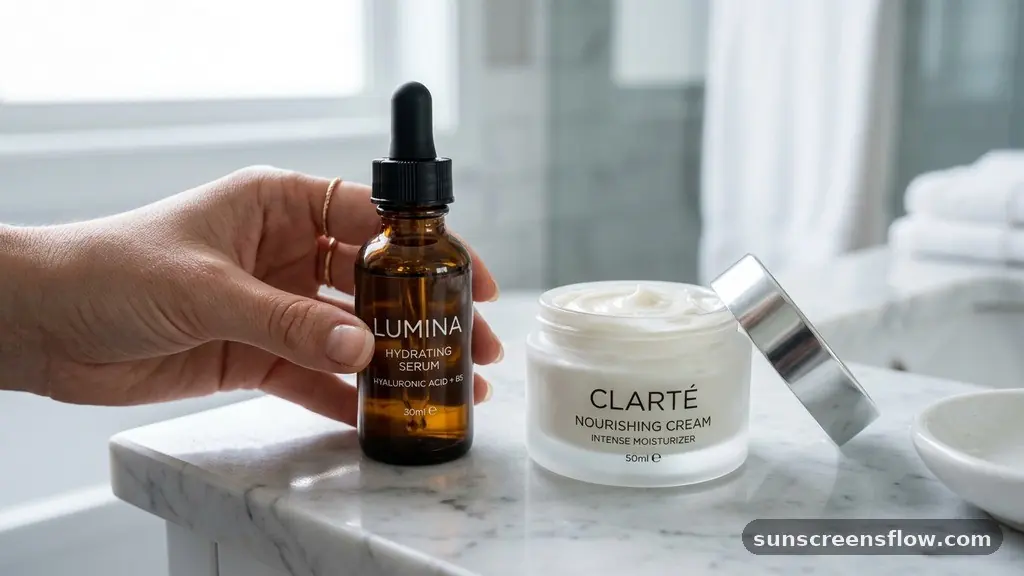
There is a persistent myth that expensive skincare products can “sense” when to penetrate and when to sit on top of the skin. In reality, your skin is a physical barrier, and absorption is governed by molecular weight and solubility.
Hyaluronic acid serums often contain different molecular weights, with smaller molecules reaching deeper into the dermis and larger ones providing surface-level smoothing. If you put a heavy, lipid-rich moisturizer on before these molecules, you are creating a physical wall that the serum cannot easily cross.
Another common mistake is thinking that more product equals better results. With hyaluronic acid, you only need a few drops to cover the entire face and neck.
Using too much can actually lead to pilling, where the product rolls off your skin in little beads when you apply your moisturizer. Pilling is a classic sign that your layering order is correct, but your product volume is too high, or you aren’t allowing enough time for the serum to absorb before moving to the next step.
Comparing Moisturizer Types and Their Occlusive Properties
Not all moisturizers are created equal, and their ability to seal in hydration varies based on their ingredients. Some are formulated with high levels of occlusives, such as petrolatum or dimethicone, which are excellent for preventing transepidermal water loss.
Others rely on emollients like ceramides or glycerin to smooth the skin surface. Understanding what is in your cream will help you decide how much time you need to let your serum set.
| Ingredient Category | Primary Function | Best Used For |
|---|---|---|
| Humectants (e.g., Hyaluronic Acid) | Attract moisture to the skin | Hydration and plumping |
| Emollients (e.g., Ceramides) | Smooth and soften skin texture | Barrier support |
| Occlusives (e.g., Petrolatum) | Seal in moisture and prevent loss | Dry or compromised skin |
If you are using a very heavy, occlusive night cream, you must give your serum a full minute or two to sink in. If you rush, you will end up with a greasy, slippery mess that doesn’t feel comfortable. If you are using a lightweight, non-comedogenic lotion, the timing is less critical because the product will absorb quickly, allowing for a faster application sequence.
Troubleshooting Common Skin Concerns
If you find that your skin feels tight or dry even after using a serum and moisturizer, you might be dealing with an environmental issue rather than a product issue. In very low-humidity environments, such as during winter or in air-conditioned offices, hyaluronic acid can struggle to pull moisture from the air. In these cases, it is vital to pair your serum with a mist or a heavy cream that contains humectants like glycerin, which are more stable in dry climates.
- Check the local humidity levels; if it is very dry, add a hydrating toner before your serum.
- Ensure your serum is free of high concentrations of alcohol, which can dry out the skin.
- Verify that your moisturizer contains ceramides to help lock in the hydration provided by the serum.
- Monitor your skin for signs of irritation, which might indicate you are over-exfoliating before applying your serum.
- Adjust your application technique to ensure you are massaging the product in rather than just patting it on.
If you are still experiencing dryness, you may need to look at your cleanser. If your cleanser leaves your skin feeling “squeaky clean,” it is likely stripping your natural oils, which makes it much harder for your serum and moisturizer to do their jobs effectively. Switching to a pH-balanced, gentle cleanser can change the effectiveness of your entire routine overnight.
The Role of Molecular Weight in Serum Performance
The effectiveness of your hyaluronic acid serum is often dictated by the molecular weight of the ingredient. High molecular weight hyaluronic acid sits on the surface of the skin, providing an immediate smoothing effect and a protective film.
Low molecular weight hyaluronic acid is small enough to penetrate deeper into the epidermis, where it can provide more sustained hydration. Many modern serums contain a blend of both to give you the best of both worlds.
When you apply your moisturizer, you are effectively capping off both of these types. If you use a product that only contains high molecular weight chains, it is even more important to follow up with a moisturizer immediately, as these large molecules are highly susceptible to evaporation. By understanding that your serum is working at different depths, you can appreciate why the “sandwiching” of these products is a non-negotiable step in maintaining a healthy, hydrated complexion.
Addressing Topical Gaps in Skincare Knowledge
A frequent gap in knowledge involves the interaction between hyaluronic acid and other active ingredients. Many users worry that using a serum with retinol or Vitamin C will render the hyaluronic acid ineffective. In truth, these ingredients are highly compatible.
Hyaluronic acid is incredibly gentle and actually helps buffer the potential irritation caused by stronger actives. Because it is non-comedogenic, it is suitable for almost every skin type, from oily and acne-prone to dry and sensitive.
Another gap is the belief that “more is better” regarding hyaluronic acid concentration. A product with a 2% concentration is often more effective than one with a 10% concentration because the formula is more stable and less prone to crystallization on the skin.
When choosing your serum, look for reputable brands that balance the concentration with other supporting ingredients like peptides or glycerin. This ensures that your serum is not just a single-ingredient wonder but a comprehensive tool for skin health.
Frequently Asked Questions
Can I apply hyaluronic acid serum to dry skin?
Technically yes, but it is far less effective. Because hyaluronic acid is a humectant, it needs water to function. Applying it to dry skin can cause it to pull moisture from your deeper skin layers, leading to temporary dehydration. Always apply to damp skin for better results.
Does the order of application change at night?
No, the logic remains the same regardless of the time of day. You should always apply your water-based serum first to allow for maximum penetration, then follow with your moisturizer. At night, you might choose a heavier cream, but the layering sequence of serum before moisturizer remains constant.
Can I mix my serum directly into my moisturizer?
You can, but it isn’t the most efficient way to use the products. When you mix them, you dilute the serum’s concentration and change the way it interacts with your skin barrier. Applying them in sequence—serum first, then moisturizer—ensures each product does its specific job properly.
Is it possible to use too much hyaluronic acid?
Yes, using too much can cause pilling, where the product forms small rolls on the skin. It can also create a tacky, sticky feeling that makes it difficult to apply makeup or sunscreen. A few drops are usually enough to cover your entire face and neck effectively.
Conclusion
Mastering the order of your skincare products is the most straightforward way to improve your skin’s health and appearance. By consistently applying your hyaluronic acid serum before your moisturizer, you provide your skin with the hydration it needs while ensuring that the moisturizer can lock that moisture in place. Remember to apply your serum while your skin is still damp, choose products that suit your specific skin type, and always prioritize a healthy, protected barrier.
Small adjustments to your daily routine often yield the most significant results over time. If you have been struggling with dryness or lackluster skin, try this sequence for a few weeks and observe the difference in how your skin feels and reacts. You are now equipped with the knowledge to refine your routine for a healthier, more radiant complexion.


