


The delicate skin surrounding your eyes is significantly thinner than the skin on the rest of your face, making it the first area to show signs of fatigue, aging, and environmental stress. Learning how to apply eye serum correctly is not just about the product itself, but about respecting the anatomy of the orbital bone and the physiological needs of the dermis. When you integrate a targeted serum into your daily regimen, you are delivering potent active ingredients directly to a zone that lacks the density of collagen and elastin found elsewhere.
Because eye serums are formulated with a smaller molecular weight than heavy creams, they offer superior absorption, allowing them to penetrate deep into the skin to combat issues like dark circles, puffiness, and fine lines. Understanding the nuances of application ensures that you maximize the efficacy of your investment while protecting the fragile skin barrier from unnecessary irritation or mechanical stress.
The Anatomy of Application: Why Technique Matters
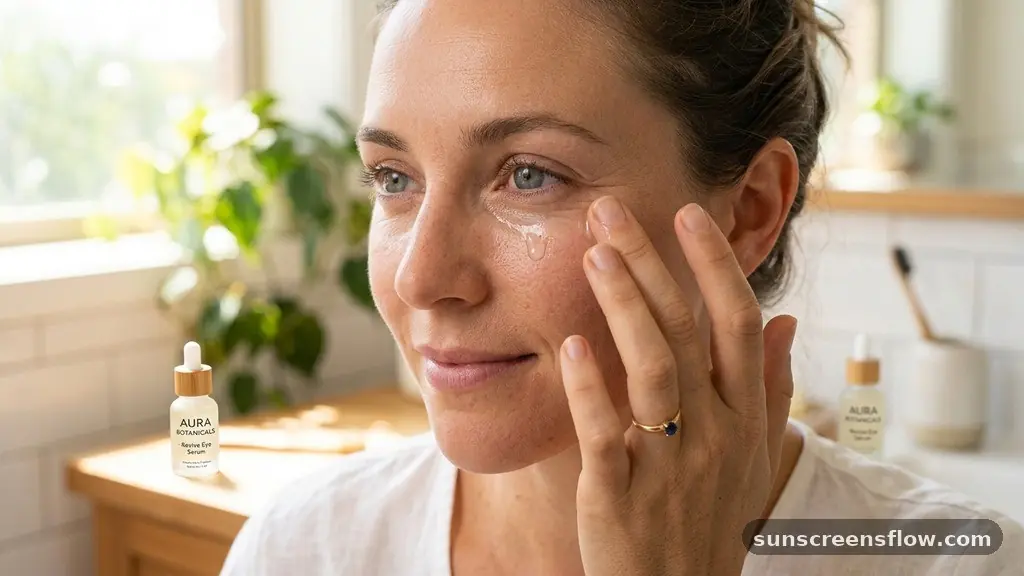
Many individuals treat the eye area with the same vigor they apply to their cheeks or forehead, but this is a common mistake that can exacerbate crow’s feet and sagging. The skin around the eye is remarkably thin, containing fewer oil glands and a more fragile network of capillaries. When you apply pressure too forcefully, you risk damaging the underlying tissue and potentially causing micro-tears that lead to inflammation.
The golden rule of skincare application in this zone is the use of the ring finger. Anatomically, this digit has the least amount of muscle strength, which naturally encourages a gentle pressure that is sufficient for product distribution without being abrasive.
Beyond the choice of finger, the direction and motion of your application play a vital role in results. You should always aim to follow the structure of the orbital bone—the hard, bony ridge that circles your eye. By applying the serum along this perimeter rather than directly on the mobile eyelid or too close to the waterline, you allow the product to migrate naturally toward the area that needs treatment without causing irritation.
This technique prevents the product from entering the eye, which is a frequent cause of stinging or blurred vision. By respecting these structural boundaries, you ensure that the active ingredients work where they are most needed while maintaining the integrity of the eyelid’s sensitive membrane.
Mastering the Tapping Motion for Enhanced Absorption
The tapping motion is widely considered the gold standard for applying eye serums because it performs two functions simultaneously: it ensures even coverage and promotes lymphatic drainage. Instead of dragging or pulling the skin, which can lead to increased laxity over time, tapping helps the serum sink into the dermis more effectively.
Think of your finger as a light rain shower rather than a windshield wiper. This method stimulates micro-circulation, which is particularly beneficial if you are using a serum containing caffeine to reduce morning puffiness.
When you tap, start from the inner corner of the eye and work your way outward toward the temples. This path aligns with the natural flow of the lymphatic system, helping to move fluid away from the undereye area where it often pools and creates the appearance of bags. Consistency is key here; doing this for thirty seconds each morning can significantly improve the appearance of the eye contour.
Remember, the goal is to deposit the product onto the surface of the skin and allow it to absorb naturally. If you feel you have applied too much, do not rub it in; simply continue the light tapping until the skin feels tacky but not saturated. Over-application can lead to pilling when you move on to your moisturizer or SPF later in your morning routine.
Morning vs. Evening: Optimizing Your Routine
The timing of your application depends heavily on the specific concerns you are addressing and the chemical composition of your chosen serum. In a morning routine, you are primarily looking for protection and immediate aesthetic improvement. Ingredients like vitamin C are excellent for brightening the under-eye area, while caffeine is the go-to for depuffing.
Because these serums are lightweight, they act as a perfect base for the rest of your products. However, you must wait for the serum to dry completely before applying your SPF. If the serum is still wet, you risk diluting your sunscreen, which can leave the delicate eye area vulnerable to UV damage.
Conversely, an evening routine is the ideal time to focus on repair and long-term correction. This is when you should reach for serums containing retinol or powerful peptides. Retinol is a gold-standard ingredient for addressing fine lines and crow’s feet, but it can be highly photosensitive and irritating.
By using it at night, you allow the skin to undergo its natural regenerative cycle without the interference of environmental stressors like sunlight or pollution. Hyaluronic acid is another fantastic night-time companion, as it draws moisture into the skin while you sleep, ensuring you wake up with a plump, hydrated appearance. The table below outlines how to categorize your products based on their primary function and timing.
| Ingredient Category | Primary Benefit | Best Time to Use |
|---|---|---|
| Caffeine | Reduces Puffiness | Morning |
| Vitamin C | Brightens Dark Circles | Morning |
| Retinol | Smooths Fine Lines | Evening |
| Hyaluronic Acid | Deep Hydration | Morning & Evening |
The Importance of Proper Product Layering
One of the most frequent questions regarding eye care is the order of operations. The rule of thumb in dermatology is to apply products from the thinnest consistency to the thickest. An eye serum is almost always the thinnest product in your eye-care arsenal.
Therefore, it should be applied to clean, dry skin immediately after your toner or essence, but before any heavy creams or oils. If you apply a thick, occlusive eye cream first, the serum will simply sit on top of that barrier, unable to penetrate the dermis to deliver its active ingredients.
Product layering is an art that requires patience. If you rush through your skincare steps, you end up with a cocktail of ingredients that don’t have the chance to work properly. After tapping in your serum, give it at least sixty seconds to settle.
You will know it is ready for the next step when the skin feels slightly tacky but no longer wet. If you are using a serum with peptides or hyaluronic acid, sealing it in with a slightly richer eye cream can create a “sandwich” effect, locking in the hydration and preventing transepidermal water loss. This is particularly important for individuals with dry skin who find that serums alone are not enough to keep the area comfortable throughout the day.
Addressing Topical Gaps: Common Mistakes and Myths

Many enthusiasts fall into the trap of believing that more is better. When it comes to eye serum, a single drop—about the size of a grain of rice—is more than enough for both eyes. Using an excessive amount of product leads to a common issue: the serum migrates into the eyes, causing irritation or even a mild allergic reaction.
Another gap in common knowledge is the failure to perform a patch testing routine. Because the skin around the eyes is so sensitive, even products that work well on your cheeks might cause contact dermatitis in the eye area. Always test a new serum on your inner forearm for twenty-four hours before applying it near your eyes.
Furthermore, there is a misconception that eye serum can replace a dedicated eye cream. While serums are excellent for delivering high concentrations of actives, they often lack the occlusive properties of creams. If your concern is chronic dryness, a serum alone will not provide enough of a seal to maintain the skin barrier.
Think of the serum as the medicine and the cream as the bandage. By understanding this distinction, you can bridge the gap between temporary fixes and long-term skin health. Finally, never ignore the expiration date of your eye serum.
Because these products are often used around the eyes, they are prone to contamination. If a serum changes color, smell, or consistency, it is time to discard it to prevent bacterial infections.
Selecting the Right Ingredients for Your Concerns
Not all eye serums are created equal, and your choice should be dictated by your specific skin goals. If your primary concern is dark circles caused by thinning skin, look for products infused with peptides to boost collagen production, which effectively thickens the skin over time.
If your dark circles are the result of hyperpigmentation, vitamin C or niacinamide are superior choices because they help inhibit melanin production and brighten the tone. For those struggling with puffiness, caffeine is the undisputed champion due to its vasoconstrictor properties, which tighten the blood vessels and reduce fluid retention.
For those focused on anti-aging, retinol remains the most effective ingredient for stimulating cellular turnover and smoothing out crow’s feet. However, it is essential to start with a low concentration to allow your skin to build tolerance.
If you have extremely sensitive skin, look for plant-based alternatives like bakuchiol, which offers similar benefits without the typical dryness associated with traditional retinoids. Hyaluronic acid is a universal benefit, suitable for every skin type and age group, providing the essential hydration that keeps the skin looking plump and youthful. By tailoring your selection to your specific needs, you transform your application from a generic task into a targeted treatment.
The Role of Consistency and Lifestyle
Even the most expensive, scientifically advanced eye serum will fail if the rest of your lifestyle does not support your skin’s health. The skin around your eyes is a direct reflection of your internal health. Factors like dehydration, lack of sleep, high salt intake, and excessive screen time can make even the best products appear ineffective.
When you apply your serum, view it as part of a holistic approach to wellness. If you are drinking enough water and getting adequate rest, the serum’s ability to reduce puffiness will be significantly enhanced.
Consistency is the most overlooked factor in achieving results. Skincare is not a magic fix; it is a long-term commitment. Most active ingredients, especially those targeting fine lines or dark circles, require at least six to twelve weeks of daily use before visible changes occur.
Do not be discouraged if you do not see a difference after three days. By maintaining a steady morning routine and evening routine, you create an environment where your skin can thrive.
If you find yourself frequently skipping your application, try keeping your serum next to your toothbrush. This simple association makes it much easier to remember to apply the product twice a day, every day, without fail.
Safe Application and Avoiding Irritation
Safety should always be the priority when dealing with the ocular region. If you experience burning, redness, or excessive tearing after applying your serum, wash it off immediately with cool water and discontinue use. This is a clear sign that the product is either too potent for your skin or that you are applying it too close to the sensitive mucosa of the eye.
A common mistake is applying serum while the skin is still damp from a cleanser that contains harsh surfactants. Always pat the skin dry with a clean, soft towel before applying your serum to ensure the product doesn’t spread further than intended.
Additionally, pay attention to the texture of your serum. Some serums are designed with a cooling metal applicator tip. While these can feel refreshing, they must be cleaned thoroughly after every use to prevent the buildup of bacteria.
If your product comes in a dropper bottle, be careful not to let the dropper touch your skin, as this can introduce bacteria back into the bottle, compromising the shelf life of the entire product. Store your serums in a cool, dry place away from direct sunlight, as heat can degrade the efficacy of active ingredients like vitamin C and retinol.
FAQ Section
Should I apply eye serum before or after moisturizer?
You should always apply your eye serum before your moisturizer. Serums are formulated with smaller molecules designed to penetrate deep into the skin, while moisturizers are thicker and designed to create a protective seal. Applying the serum first ensures the active ingredients reach the dermis effectively.
Can I use my regular face serum around my eyes?
It is generally not recommended to use standard face serums around the eyes. Products specifically formulated for the eye area are tested for ocular safety and are pH-balanced to avoid stinging. Face serums may contain high concentrations of acids or fragrances that can easily irritate the sensitive eye contour.
How do I know if my eye serum is working?
Visible results from eye serums typically take between six to twelve weeks of consistent use. You should look for subtle improvements in skin texture, a reduction in the appearance of morning puffiness, or a slight brightening of the under-eye area. Keep a photo journal to track your progress.
Is it necessary to use a separate eye serum if I already use an eye cream?
While not strictly mandatory, using both can provide superior results. The serum acts as a targeted treatment for specific concerns like fine lines or dark circles, while the eye cream provides essential moisture and locks the serum into the skin. This layering approach is highly effective for comprehensive care.
Conclusion
Learning how to apply eye serum effectively is a foundational skill for anyone serious about their skincare journey. By understanding the importance of the orbital bone, utilizing the ring finger for gentle pressure, and mastering the tapping motion, you can significantly enhance the results of your routine. Whether you are addressing dark circles, puffiness, or the onset of fine lines, the key lies in the strategic use of active ingredients like retinol, caffeine, and peptides.
Remember that consistency is the bridge between temporary application and long-term skin health. By layering your products correctly, respecting the needs of your skin barrier, and maintaining a healthy lifestyle, you can ensure that your eyes remain bright, firm, and youthful for years to come. Treat this area with the care it deserves, and your skin will undoubtedly reward you with a more vibrant, refreshed appearance.


