


Mastering the art of using a topical vitamin A derivative is one of the most effective ways to transform your complexion. Learning exactly how to apply retinol serum correctly is the difference between achieving a radiant, youthful glow and dealing with unnecessary irritation. Because this ingredient is highly active, it works by accelerating cell turnover and encouraging the skin to shed dead cells more efficiently.
When integrated properly into your evening skincare routine, it can significantly improve skin texture, reduce the appearance of fine lines, and address stubborn hyperpigmentation. However, because of its potency, many beginners make the mistake of using too much too soon, which can lead to a compromised moisture barrier. By following a structured approach, you can maximize the benefits while keeping your skin calm, hydrated, and resilient.
Understanding the Role of Retinol in Your Skincare Routine

Retinol is a powerhouse derivative of vitamin A that functions as a gold standard in dermatological treatments for aging and acne. Its primary mechanism of action involves binding to specific receptors in the skin cells, which effectively tells those cells to behave like younger, healthier versions of themselves. This process helps to stimulate collagen production, which is essential for maintaining skin elasticity and firmness.
As you age, your natural rate of cell turnover slows down, leading to a duller complexion and more visible signs of environmental damage. Retinol corrects this by speeding up the regeneration process, ensuring that newer, smoother skin reaches the surface faster.
Beyond anti-aging, this ingredient is remarkably versatile. It is frequently prescribed to help fade dark spots and even out skin tone, making it a reliable solution for persistent hyperpigmentation. When you incorporate it into your regimen, you are essentially investing in long-term skin health.
However, it is vital to remember that retinol is not an overnight fix. It requires patience and consistency.
Because it is a potent active, it is best applied exclusively at night. Retinol is photosensitive, meaning it degrades when exposed to direct sunlight, which renders it less effective and can increase your skin’s sensitivity to UV rays during the day.
The Concept of Retinization and How to Manage It
When you first start using a vitamin A product, you will likely encounter a phase known as the concept of retinization. This is the period during which your skin is adjusting to the increased rate of cell turnover. During these first few weeks, you might experience mild peeling, flakiness, or redness.
This is a completely normal reaction as your skin barrier learns to process the active ingredient. To prevent compromised skin integrity, it is crucial not to panic and discontinue use immediately, nor should you increase the frequency of application in an attempt to “power through” the irritation.
The goal during the retinization phase is to ease your skin into the treatment. Start by using your serum only two nights a week, allowing at least two days of rest in between applications. This allows your skin to recover and build tolerance.
If your skin feels sensitive or tight, skip a night. The objective is to reach a point where you can use the product consistently without significant discomfort.
If you experience severe burning or persistent inflammation, you should consult a professional to ensure the product concentration is appropriate for your specific skin type. Patience during this transition phase is the secret to long-term success.
Step-by-Step Guide to Proper Application
The physical act of applying your serum should be deliberate and precise to ensure even distribution and minimize irritation. After cleansing your face, ensure your skin is completely dry before applying any treatment. Water on the skin can increase the permeability of the epidermis, which may lead to deeper penetration of the retinol and a higher risk of irritation.
Once your face is dry, take a pea-sized amount of the product; this amount is sufficient to cover your entire face. Avoid the temptation to apply more, as excess product does not equate to faster results but rather a higher likelihood of dryness.
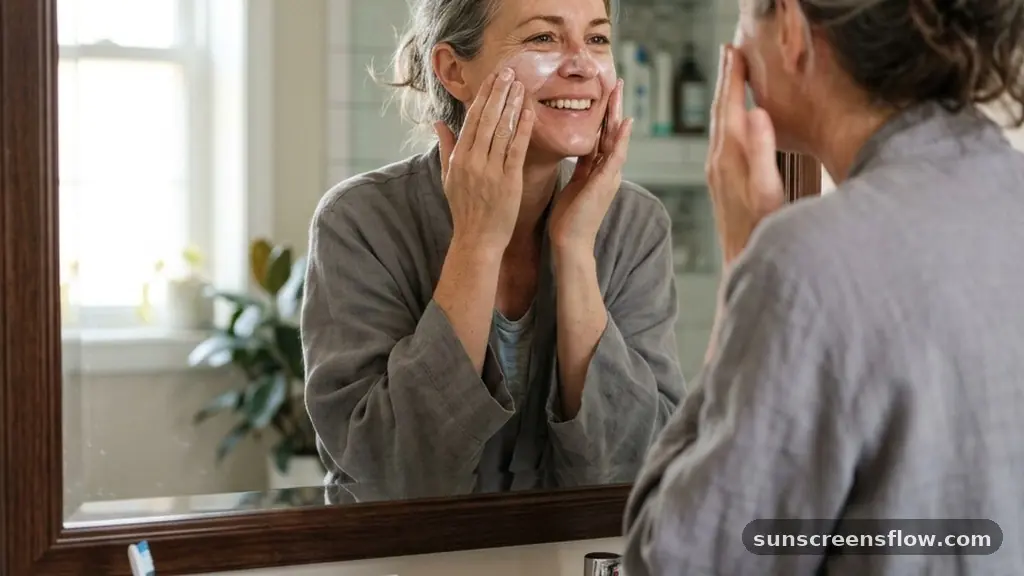
Dot the serum onto your cheeks, chin, and forehead. Gently massage it into your skin using upward, circular motions, ensuring you cover the skin evenly. Be particularly careful to avoid the delicate eye area, unless your specific product is formulated for use around the eyes.
The skin around the eyes is significantly thinner and more prone to irritation. Once the serum has absorbed—which usually takes about one to two minutes—you should follow up with a hydrating moisturizer. This step is non-negotiable, as it helps lock in moisture and reinforces the skin barrier, acting as a buffer against the potential drying effects of the vitamin A derivative.
Comparing Retinol Strengths and Formulations
Not all serums are created equal, and choosing the right strength is essential for your success. Beginners should almost always start with a low-concentration product to allow the skin to acclimate. Below is a breakdown of how different concentrations typically impact the skin.
| Concentration | Best For | Expected Intensity |
|---|---|---|
| 0.01% – 0.03% | Sensitive Skin / Beginners | Low irritation, gradual results |
| 0.04% – 0.1% | Intermediate Users | Moderate cell turnover |
| 0.3% and higher | Experienced Users / Deep Wrinkles | High potency, requires monitoring |
When selecting a product, look for stabilized formulas that include soothing ingredients like ceramides, hyaluronic acid, or niacinamide. These additions help mitigate the drying effects of the retinol while still allowing it to stimulate collagen production effectively.
If you have extremely dry skin, you might consider a cream-based formula rather than a thin serum, as creams often contain more emollients that support the skin barrier during the retinization process. Always check the ingredient list to ensure the product does not contain high levels of alcohol or fragrance, which can further exacerbate sensitivity.
The Importance of SPF and Daytime Protection
Because retinol increases your skin’s sensitivity to the sun, your daytime routine is just as important as your nighttime application. You must commit to using a broad-spectrum sunscreen with at least SPF 30 every single morning, regardless of the weather or whether you plan to be indoors.
UV exposure is the leading cause of premature aging, and using a retinoid without proper sun protection is counterproductive. The product works to improve skin texture and reduce hyperpigmentation, but sun exposure will actively undo those benefits and cause further damage.
If you find that your skin feels particularly vulnerable or sensitive during the day, look for sunscreens that contain zinc oxide or titanium dioxide, as these mineral-based options are often gentler on compromised skin. Additionally, wearing a hat or seeking shade during peak UV hours can provide an extra layer of defense.
Remember, the goal of using a vitamin A derivative is to cultivate healthier, more resilient skin; neglecting SPF essentially leaves your skin wide open to the very environmental stressors you are trying to combat. Consistency with your morning protection is the final, non-negotiable step in your journey toward clearer, smoother skin.
Common Mistakes to Avoid
Many users encounter problems not because of the product itself, but because of how they integrate it into their existing routine. One of the most common errors is “layering” too many active ingredients. For example, using a harsh physical exfoliant or a high-strength acid (like glycolic or salicylic acid) on the same night as your retinol is a recipe for disaster.
These combinations can strip the skin barrier, leading to painful stinging, extreme redness, and a compromised moisture barrier. If you want to use exfoliating acids, do so on alternating nights, not the same night.
Another mistake is applying the product to damp skin. As mentioned earlier, damp skin absorbs products more deeply and quickly, which can turn a mild dose of retinol into an uncomfortably strong one. Always ensure your face is fully dry before application.
Furthermore, many people expect to see results within a week and get discouraged when they don’t. It generally takes at least 8 to 12 weeks of consistent use to notice significant changes in skin texture or a reduction in fine lines.
Do not increase your frequency or concentration prematurely just because you haven’t seen a dramatic transformation after a few days. Consistency is more important than strength.
Addressing Topical Gaps: Retinol and Sensitive Skin
A common concern among potential users is whether those with naturally sensitive skin or conditions like rosacea can safely use retinol. The answer is yes, but the method of application must be modified. If your skin is prone to reactivity, consider the “sandwich method.”
This involves applying a thin layer of moisturizer, then your retinol, and then another layer of moisturizer on top. This acts as a buffer, slowing down the absorption of the active ingredient and significantly reducing the risk of irritation.
Additionally, you can look for encapsulated retinol. This technology involves wrapping the molecule in a protective coating that releases the ingredient slowly over time throughout the night. This sustained release minimizes the “hit” of the active ingredient, making it much more tolerable for sensitive skin types.
If you have a compromised skin barrier, focus on repairing it with ceramides and fatty acids before introducing any form of vitamin A. Your skin should be in a healthy, baseline state before you start active treatments. If you are unsure about your skin’s tolerance, perform a patch test on your inner forearm and wait 24 hours to observe any reaction before applying the product to your face.
Maximizing Results with Complementary Ingredients
To get the most out of your treatment, you should pair your retinol with ingredients that support its function while soothing the skin. Hydration is the most important factor here.
Hyaluronic acid is an excellent companion because it draws moisture into the skin, plumping it up and counteracting the dryness often associated with retinoids. Ceramides are also essential, as they help rebuild the lipid barrier that the retinol might temporarily weaken.
Niacinamide is another fantastic ingredient to pair with your nighttime routine. It is known for its ability to calm inflammation and improve skin texture, which perfectly complements the work of your vitamin A serum. While you should avoid using potent chemical exfoliants at the same time, using a soothing, peptide-rich serum in the morning can help support the collagen production stimulated by your nighttime treatment.
By building a routine that focuses on both active treatment and deep nourishment, you create an environment where your skin can thrive. Remember that your skincare routine is a holistic system; every product you add should support the overall health of your skin barrier.
FAQ
Can I leave retinol on overnight?
Yes, you should leave retinol on overnight. It is designed to be applied as part of your evening routine, allowing the active ingredients to work in harmony with your skin’s natural nocturnal repair processes. Always wash it off the next morning and apply your daily SPF.
What should I avoid using with retinol?
You should avoid using strong chemical exfoliants like AHAs (glycolic or lactic acid) or BHAs (salicylic acid) at the same time as your retinol. Using these together can lead to severe irritation, redness, and a damaged skin barrier. Use them on alternating nights instead.
Can I use retinol serum every single day?
Most experts recommend starting slowly, using it only two or three nights a week. Once your skin has built up tolerance and you are no longer experiencing peeling or irritation, you can gradually increase the frequency to nightly use, provided your skin remains healthy and hydrated.
What happens if my skin starts peeling?
Mild peeling is a common side effect of the retinization process. If it occurs, skip a few nights of application to allow your skin to recover. Use a rich, fragrance-free moisturizer to soothe the area and ensure you are using a gentle cleanser to avoid further irritation.
Conclusion
Learning how to apply retinol serum is a transformative step in any anti-aging or skin-resurfacing journey. By respecting the potency of the ingredient, starting slowly, and prioritizing the health of your skin barrier, you can successfully integrate this powerful tool into your routine. Remember that the goal is to stimulate collagen production and improve skin texture over the long term, not to force immediate changes at the expense of your skin’s health.
By staying consistent, using your pea-sized amount, and never skipping your morning SPF, you will be well on your way to a smoother, more radiant complexion. Patience is your greatest asset in this process; trust the science, follow the steps, and allow your skin the time it needs to regenerate and thrive.


