


Selecting the right facial treatment is often the most confusing step in a modern skincare routine. Because serums are highly concentrated formulas designed to deliver specific active ingredients directly into the skin, choosing the wrong one can lead to irritation or wasted money.
Unlike thick creams that sit on the surface, a well-formulated serum penetrates deeper to address concerns ranging from hyperpigmentation to loss of elasticity. To determine how to choose serum for face care effectively, you must first move past the marketing hype and focus strictly on your unique biological needs, current environment, and the specific chemical interactions occurring within your pores.
Understanding the Role of Concentration and Molecular Weight
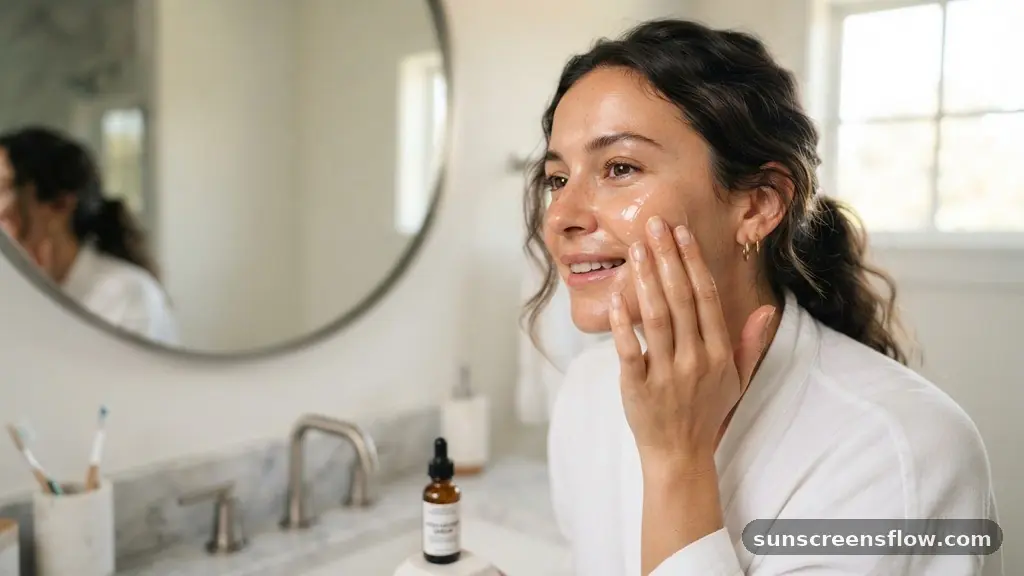
The primary differentiator between a serum and a standard moisturizer is the concentration of active molecules. Serums are engineered to be lightweight, often using a thinner base that allows for rapid absorption.
When you evaluate products, you are essentially looking at a delivery system for potent compounds that stimulate collagen production or calm inflammation. The molecular weight of these ingredients is crucial; smaller molecules can bypass the stratum corneum more easily, providing targeted benefits that a heavier cream simply cannot replicate.
When you are learning how to choose serum for face maintenance, consider the base of the product. A water-based serum is typically the most versatile, as it absorbs quickly and plays well with other layers of skincare. These are often packed with humectants like hyaluronic acid, which pulls moisture into the skin to improve epidermal hydration.
Conversely, an oil-based serum is designed to seal in moisture and provide a protective barrier. These are excellent for those with dry or mature skin who struggle to maintain a healthy lipid barrier. By understanding this fundamental difference, you can avoid the common mistake of applying a heavy oil-based product before a water-based one, which would prevent the latter from penetrating the skin entirely.
Matching Active Ingredients to Specific Skin Concerns
Not every serum is created equal, and the ingredient list is your most reliable map. If your goal is brightening, you should look for formulations containing vitamin c, a powerful antioxidant that helps neutralize free radicals caused by UV exposure and pollution.
If you are struggling with breakouts or enlarged pores, niacinamide is a gold-standard ingredient because it regulates sebum production while improving overall skin texture improvement. For those focused on aging, retinol remains the most researched ingredient for increasing cell turnover and smoothing fine lines.
To simplify your selection process, refer to the following guide for common skin concerns and their corresponding ingredients:
- Hyperpigmentation and Dark Spots: Look for Vitamin C, kojic acid, or alpha arbutin to inhibit melanin production.
- Acne and Congestion: Seek out salicylic acid, which is oil-soluble and reaches deep into follicles to clear debris.
- Dehydration and Dullness: Prioritize hyaluronic acid or glycerin to quench thirsty cells.
- Loss of Firmness: Focus on peptide complexes, which act as building blocks for structural proteins in the dermis.
- Redness and Sensitivity: Use soothing ingredients like centella asiatica, panthenol, or ceramides to strengthen the skin barrier.
The Critical Importance of Skin Type Compatibility
Your skin type—oily, dry, combination, or sensitive—acts as a filter for every product you consider. A serum that works wonders for a friend with dry skin might cause a breakout on someone prone to congestion. If you have oily or acne-prone skin, you must prioritize non-comedogenic formulas.
These products are specifically tested to ensure they do not clog pores. Always check the label for this designation, as it indicates the manufacturer has taken steps to ensure the ingredients will not trigger inflammatory responses or exacerbate existing acne.
For those with sensitive skin, the process of selection requires more caution. You should look for serums with minimal ingredient lists to reduce the risk of an adverse reaction. Avoid high concentrations of fragrance or alcohol, which can strip the skin of its natural oils and damage the delicate acid mantle.
When in doubt, search for products that have undergone rigorous dermatological testing. This ensures that the formula has been evaluated on human subjects under clinical conditions, providing a baseline of safety that generic or mass-market products might lack.
Navigating Ingredient Interactions and Safety
One of the most dangerous myths in skincare is that more is always better. In reality, layering too many potent actives can lead to “over-exfoliation” or a compromised barrier. For instance, pairing high-strength retinol with salicylic acid in the same application can cause severe redness, flaking, and stinging.
Understanding how to choose serum for face routines involves knowing which ingredients should be kept apart. As a general rule, keep your morning routine focused on protection (antioxidants like Vitamin C) and your evening routine focused on repair (retinoids, peptides, or exfoliating acids).
If you are unsure about how a new product will react with your current routine, the practice of patch testing is non-negotiable. Apply a small amount of the serum to the inside of your forearm or behind your ear and wait 24 to 48 hours to observe for signs of redness, itching, or swelling. This simple step can save your complexion from a widespread reaction.
Furthermore, be mindful of serum oxidation. Many high-performance ingredients, particularly Vitamin C, are unstable when exposed to light and air. If your serum changes color—usually turning from clear or light yellow to a deep orange or brown—it has oxidized and lost its efficacy.
The Role of Layering and Serum Application Frequency
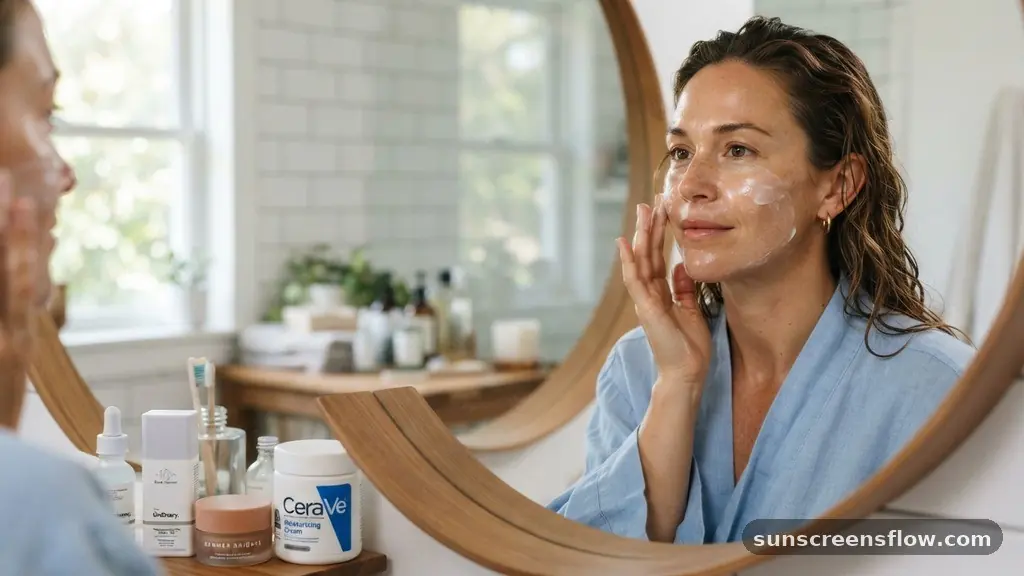
Once you have selected the right serum, the order of application dictates its success. The standard rule of thumb is to apply products from the thinnest consistency to the thickest.
Because a serum is usually a thin, potent liquid, it should go on immediately after cleansing and toning, but before your moisturizer. The moisturizer layering step is essential because it acts as a “sealant” that locks the serum’s active ingredients into the skin, preventing evaporation.
The serum application frequency also depends on the potency of the actives. While a hydrating hyaluronic acid serum can be used twice daily, morning and night, stronger treatments like retinoids or exfoliating acids should be introduced slowly.
Start by using these products two or three times a week, gradually increasing frequency as your skin builds tolerance. This “slow and steady” approach prevents the common pitfall of damaging your moisture barrier, which can lead to a cycle of sensitivity that takes weeks to repair.
Addressing Topical Gaps: Beyond the Basics
Many consumers focus solely on the “hero” ingredient while ignoring the delivery vehicle. A common gap in standard advice is the failure to address pH balance. Your skin has a slightly acidic pH, and many serums—especially those containing exfoliating acids or Vitamin C—are formulated at a low pH to ensure stability and penetration.
If you use a high-pH cleanser that strips your skin, the serum might cause stinging or fail to work as intended. Always ensure your cleanser is gentle and pH-balanced to create the optimal environment for your serum to function.
Another frequently overlooked aspect is the environmental impact on your skin. If you live in a high-humidity climate, a heavy humectant serum might feel sticky and ineffective.
If you live in a dry, desert-like environment, humectants like hyaluronic acid can actually pull moisture out of your deeper skin layers if you do not seal them in with an occlusive moisturizer. Adjusting your serum choice based on your geography and current weather patterns is an advanced strategy that separates skincare novices from experts.
Comparing Serum Types by Functionality
To assist in your decision-making process, the table below highlights how different categories of serums perform across various skin requirements.
| Serum Category | Primary Benefit | Best For | Key Ingredient Example |
|---|---|---|---|
| Hydrating | Increases epidermal hydration | All skin types | Hyaluronic Acid |
| Exfoliating | Improves skin texture | Oily/Congested skin | Salicylic Acid |
| Brightening | Targets hyperpigmentation | Dull/Uneven tone | Vitamin C |
| Anti-Aging | Boosts collagen production | Mature skin | Retinol/Peptides |
| Soothing | Reduces inflammation | Sensitive/Reactive skin | Ceramides/Panthenol |
The Truth About Price and Efficacy
Marketing often suggests that the most expensive serum is the most effective, but this is rarely the case. When learning how to choose serum for face health, look past the brand name and focus on the ingredient concentration and the formulation stability. Some luxury brands use high-end botanical extracts that provide a pleasant sensory experience, but they may lack the clinical backing of a simpler, more affordable formula containing proven actives like niacinamide or retinol.
Instead of paying for premium packaging or celebrity endorsements, invest in brands that provide transparency. Look for companies that list the percentage of their active ingredients or provide batch testing results.
A well-formulated, mid-range product with stabilized Vitamin C is objectively better for your skin than a high-end serum that has been sitting on a shelf for months and has already begun to oxidize. Your money is better spent on consistency than on luxury, especially when dealing with products that require daily use to show long-term results.
Long-Term Maintenance and Adjusting Your Regimen
Skincare is not a static process. Your skin changes with age, hormonal shifts, and stress levels. A serum that worked perfectly in your twenties might not be sufficient in your thirties or forties.
Periodic reassessment is vital. If you notice that your skin feels tight, looks dull, or develops new patches of discoloration, it is time to rotate your products. Learning how to choose serum for face care is a lifelong skill, not a one-time purchase.
As you age, focus on supporting your skin’s structural integrity. This means prioritizing peptide complexes to support collagen and incorporating antioxidants to combat oxidative stress. If you are experiencing hormonal breakouts, you might need to temporarily switch to a salicylic acid or sulfur-based serum.
The key to long-term success is listening to your skin’s feedback. If a product causes persistent redness or peeling, stop using it immediately.
There is no shame in returning to a simpler routine to allow your skin to recover. By maintaining a flexible approach, you ensure that your skin remains healthy, resilient, and radiant regardless of your age or environment.
FAQ
How do I know which face serum to use?
Start by identifying your primary skin concern, such as dehydration, acne, or signs of aging. Choose a serum with active ingredients that address that specific issue, such as hyaluronic acid for moisture or retinol for fine lines. Always consider your skin type to ensure the formula is compatible.
Which two serums cannot be used together?
Avoid layering high-strength exfoliating acids like salicylic or glycolic acid with potent retinoids. Using these together can cause severe irritation, redness, and damage to your moisture barrier. It is safer to alternate them between morning and evening or use them on different days of the week.
Do I need a serum and a moisturizer?
Yes, they serve different purposes. A serum delivers high concentrations of active ingredients deeper into the skin. A moisturizer provides essential hydration and creates an occlusive layer that locks in those actives and prevents water loss, ensuring the serum remains effective and your skin stays comfortable.
Should I use face serum every day?
Most hydrating serums can be used twice daily. However, for active ingredients like retinol or exfoliating acids, you should start by using them only a few times a week. Gradually increase the frequency based on how well your skin tolerates the product to avoid irritation.
How can I tell if my serum has gone bad?
Check for changes in color, smell, or texture. If a serum that was once clear turns dark yellow or brown, it has likely oxidized and lost its potency. Additionally, if the scent becomes sharp or rancid, or if the texture separates, it is time to discard the product.
Conclusion
Mastering the art of choosing the right serum is about balancing science with self-awareness. By focusing on proven active ingredients like hyaluronic acid, niacinamide, and retinol, you can create a targeted routine that addresses your specific skin concerns. Remember that the efficacy of any serum depends on proper moisturizer layering, consistent serum application frequency, and the health of your lipid barrier.
Avoid the trap of over-complicating your regimen; instead, prioritize products that are non-comedogenic and suited to your current environment. Whether you are aiming for skin texture improvement or managing hyperpigmentation, the right choice will work silently but effectively to enhance your complexion.
Treat your skincare journey as an evolving process, and always prioritize the health of your skin above all else. With a disciplined approach and a clear understanding of your needs, you can achieve lasting results and maintain a healthy, glowing appearance for years to come.


