


Selecting the right facial serum can feel like navigating a complex maze of chemistry and marketing claims. Because serums are highly concentrated topical treatments designed to deliver potent active ingredients deep into the skin, making the wrong choice can lead to irritation or wasted money.
Unlike thick creams that sit largely on the surface, a quality serum utilizes a lower molecular weight to penetrate effectively, addressing specific concerns like dullness, fine lines, or dehydration. Understanding how to choose serum requires moving beyond flashy packaging and focusing instead on your specific skin type, the current state of your skin barrier, and the scientific efficacy of the ingredients inside the bottle.
Decoding Your Skin Type and Primary Concerns
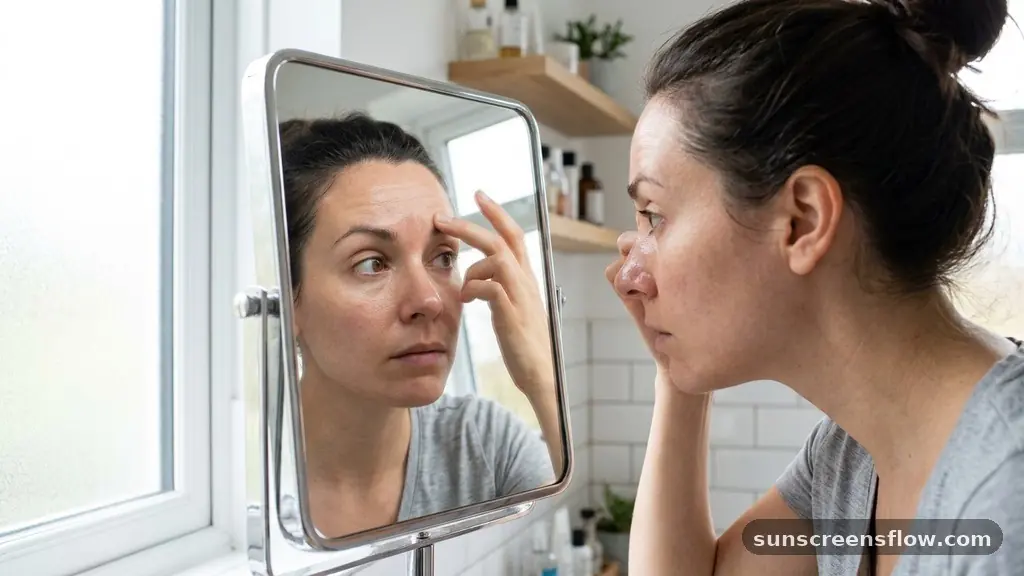
Before browsing the aisles or scrolling through e-commerce sites, you must conduct a honest assessment of your complexion. Skin is dynamic; it changes with the seasons, your hormonal cycle, and your environment.
A person with oily skin might struggle with excess oil production in the summer but experience tightness in the winter. Identifying your baseline—whether it is oily, dry, combination, or sensitive—is the first step in narrowing down the vast field of options.
If you struggle with constant shine and enlarged pores, your primary goal is sebum control. In this case, you should look for lightweight, water-based formulas that won’t clog your follicles. Conversely, if your skin feels perpetually tight or flaky, your focus should shift toward epidermal hydration and moisture retention.
Those dealing with visible signs of aging, such as loss of elasticity, will benefit from formulas designed to boost collagen production. By pinpointing whether your main concern is acne, dehydration, or anti-aging, you can filter out products that are simply not designed to solve your specific issues. Always remember that a serum is a targeted tool, not a one-size-fits-all solution for every skin woe you might be experiencing.
The Role of Active Ingredients in Targeted Treatment
The efficacy of any serum lies entirely in its ingredient list. When you are learning how to choose serum, you are essentially learning how to read a chemistry label. Different molecules serve different biological purposes.
For instance, if you are looking to brighten your skin and protect it from environmental stressors, vitamin c is the gold standard. As a powerful antioxidant, it neutralizes free radicals caused by pollution and UV exposure. However, not all vitamin C is created equal; look for stabilized forms like L-ascorbic acid or sodium ascorbyl phosphate to ensure the product remains active until the last drop.
If your concern is texture and fine lines, retinol remains the most clinically proven topical treatment in aesthetic dermatology. It works by accelerating cell turnover and stimulating deeper dermal activity.
For those with sensitive skin who find traditional retinoids too harsh, peptide-based serums offer a gentler alternative that supports skin structure without the intense peeling or redness. Understanding these categories allows you to build a routine that is scientifically sound rather than one based on trends.
- Vitamin C: Best for brightening, evening skin tone, and daily antioxidant protection.
- Hyaluronic Acid: Essential for deep hydration and plumping the appearance of fine lines.
- Retinol: The benchmark for anti-aging, smoothing texture, and reducing acne.
- Niacinamide: A versatile powerhouse for pore minimization and strengthening the skin barrier.
- Salicylic Acid: The go-to choice for clearing congestion and managing sebum control.
Understanding Molecular Weight and Absorption
A critical factor that separates high-performing serums from basic moisturizers is the molecular weight of the ingredients. Serums are engineered to be thin and fast-absorbing, which is why they are applied early in the serum application order. If a molecule is too large, it cannot pass through the lipid barrier of the skin.
Hyaluronic acid is a prime example of this; it comes in various weights. Low-molecular-weight hyaluronic acid reaches deeper into the skin to provide long-term hydration, while high-molecular-weight versions sit on top, creating an immediate plumping effect.
When evaluating a product, consider the texture. A serum should feel like a concentrated fluid or a light gel. If it feels heavy or oily, it may contain too many occlusives that prevent your subsequent moisturizer from penetrating.
Furthermore, the delivery system matters. Airless pumps are significantly better for sensitive actives like vitamin c, which can oxidize and lose potency when exposed to light and air. By prioritizing formulations with optimized delivery systems, you ensure that you are getting the full benefit of every active ingredient you pay for.
Addressing Hyper-pigmentation and Skin Tone
Uneven skin tone and hyperpigmentation are among the most common reasons people seek out serums. Whether caused by past acne marks, sun damage, or melasma, these dark spots require consistent intervention.
When choosing a serum for brightening, look for ingredients that inhibit melanin production, such as kojic acid, tranexamic acid, or niacinamide. These work differently than physical exfoliants by addressing the root cause of the pigment rather than just scrubbing away the surface layers.
It is important to manage expectations here. Pigment correction is a marathon, not a sprint. A potent brightening serum, when used consistently for 8 to 12 weeks, can significantly fade dark spots, but it must be paired with rigorous sun protection.
Without daily SPF, the sun will continue to trigger melanin production, essentially undoing the work of your serum. When searching for the right product, check for non-comedogenic labeling, especially if you are prone to breakouts, as some brightening agents can be heavy or pore-clogging.
The Importance of the Skin Barrier and Hydration

Your skin barrier is the first line of defense against irritants, pathogens, and trans-epidermal water loss. If your barrier is compromised—usually characterized by redness, stinging, or persistent dryness—you must prioritize repair over active treatment.
In this scenario, choosing a serum loaded with strong acids or high-strength retinol will only worsen the situation. Instead, look for soothing ingredients like ceramide complexes, panthenol (vitamin B5), or Centella Asiatica.
These restorative serums help seal the gaps between skin cells, locking in moisture and preventing the “leaky” feeling of dehydrated skin. If you are currently using a harsh treatment, consider alternating it with a barrier-repair serum. This approach, often referred to as “skin cycling,” allows you to reap the benefits of high-intensity actives while maintaining the integrity of your moisture mantle.
Remember: a healthy, hydrated barrier is the foundation for any successful skincare routine. If your skin is inflamed, it cannot properly absorb or respond to other actives.
Comparing Common Ingredients for Specific Goals
To make the decision-making process easier, this table compares common active ingredients based on the specific skin goals they address.
| Ingredient | Primary Benefit | Best For |
|---|---|---|
| Salicylic Acid | Sebum control & pore clearing | Oily and acne-prone skin |
| Hyaluronic Acid | Epidermal hydration | Dehydrated and dry skin |
| Retinol | Anti-aging & cell turnover | Mature skin and texture issues |
| Niacinamide | Skin texture refinement | Uneven tone and redness |
| Peptide | Firming & structural support | Loss of elasticity |
How to Safely Integrate New Serums
Once you have identified the right serum, the next challenge is integrating it into your existing routine without causing a reaction. Patch testing is non-negotiable, especially if you have a history of sensitive skin or allergies. Apply a small amount of the product to the inside of your forearm or behind your ear and wait 24 to 48 hours to observe for any redness, itching, or swelling. This simple step can save you from a full-face breakout or chemical burn.
When you start using a new active, especially something like a retinoid or an acid-based exfoliation serum, start slow. Use it every third night for the first two weeks, then increase the frequency as your skin builds tolerance. Never layer too many actives at once.
For example, using a high-strength vitamin C and a high-strength retinol in the same application can lead to severe irritation, even if both are excellent products individually. Keep your routine simple: cleanser, serum, moisturizer, and SPF. By keeping the variables low, you can easily identify which product is working and which might be causing issues.
Solving Topical Gaps: What Most Guides Miss
Many articles on how to choose serum focus solely on ingredients, but they often ignore the environmental and lifestyle factors that dictate how a serum performs. One significant gap is the impact of water quality and climate. If you live in a high-humidity environment, a heavy hyaluronic acid serum might feel sticky and uncomfortable, whereas in a dry climate, it might actually pull moisture out of your skin if you don’t seal it with a proper occlusive moisturizer.
Another often overlooked aspect is the “shelf-life” of your actives. Many people continue using a serum for months after it has turned yellow or lost its potency. If your vitamin c has changed color significantly, it has oxidized and is likely no longer effective.
Furthermore, the interaction between your cleanser and your serum is rarely discussed. If your cleanser has a very high pH, it can disrupt the environment on your skin, making it harder for certain serums to penetrate effectively. Using a pH-balanced cleanser prepares your skin to receive the active ingredients, ensuring they perform as intended.
Navigating the Science of Aesthetic Dermatology
The field of aesthetic dermatology is constantly evolving, and the marketing surrounding “clinical strength” products can be confusing. It is important to distinguish between marketing jargon and dermatological reality. “Clinical strength” is not a regulated term in most regions; it is a branding choice.
Instead of looking for buzzwords, look for transparency in concentrations. High-quality brands will often state the percentage of the main active ingredient, such as “10% Niacinamide” or “0.5% Retinol.”
Additionally, pay attention to the formula’s pH. Ingredients like L-ascorbic acid require a low pH to be stable and effective. If the serum is formulated at a neutral pH, the vitamin C is likely inactive and useless.
Education is your greatest asset here. By understanding the optimal pH and concentration ranges for your desired ingredients, you can cut through the marketing noise and identify which products are truly worth your investment. Always look for brands that invest in third-party testing or clinical trials, as this provides a level of accountability that simple product descriptions cannot match.
FAQ
How do I know if a serum is working for my skin?
Consistency is key. Most active serums require at least 4 to 8 weeks of daily use to show visible changes in skin texture or tone. If you don’t see immediate results, don’t rush to switch; your skin needs time to cycle through its natural renewal process.
Can I use multiple serums at the same time?
Yes, you can layer serums, but you should generally limit it to two or three. Always apply them from thinnest to thickest consistency. Wait about 60 seconds between applications to ensure each layer has a chance to absorb into the skin before adding the next one.
Do I really need a moisturizer if I use a serum?
Yes, you almost always need a moisturizer. Most serums are designed to provide active treatment, not to seal the skin. A moisturizer acts as an occlusive layer that locks the serum’s benefits into the skin and prevents transepidermal water loss, keeping your barrier healthy and hydrated.
Is it better to use serums in the morning or at night?
It depends on the active ingredients. Antioxidant-rich serums, like those containing vitamin C, are ideal for morning use to protect against daytime environmental damage. Retinols and exfoliating acids are typically best reserved for nighttime, as they can increase sun sensitivity and work best during the skin’s natural repair phase.
Final Thoughts on Choosing Your Serum
Mastering the art of choosing the right facial serum is about balancing your specific skin needs with the science of ingredient efficacy. By identifying your primary concerns—whether they involve sebum control, hydration, or anti-aging—and understanding the role of key molecules like hyaluronic acid, retinol, and vitamin c, you can build a highly effective regimen. Remember that the best serum is not the most expensive one, but the one that fits your skin type, respects your skin barrier, and is used consistently within a well-structured routine.
Approach your skincare journey with patience, keep an eye on how your skin reacts to new additions, and always prioritize the health of your complexion over temporary trends. With the right knowledge, you can transform your skin and achieve a lasting, healthy glow that reflects your commitment to proper dermatological care.


