


Many people find themselves standing in front of their bathroom mirror, wondering if they have the order of their skincare products right. A common point of confusion is whether you should be layering your treatments before or after your daily cream. The short answer is that you apply your serum first, followed by your moisturizer.
Understanding why this sequence matters is the secret to getting the most out of your expensive bottles. By following the right order, you ensure that potent active ingredients reach your skin effectively, while your thicker creams work to lock that hydration in place. Let’s look at the science behind this routine to help you stop guessing and start glowing.
The Fundamental Logic of Skincare Layering
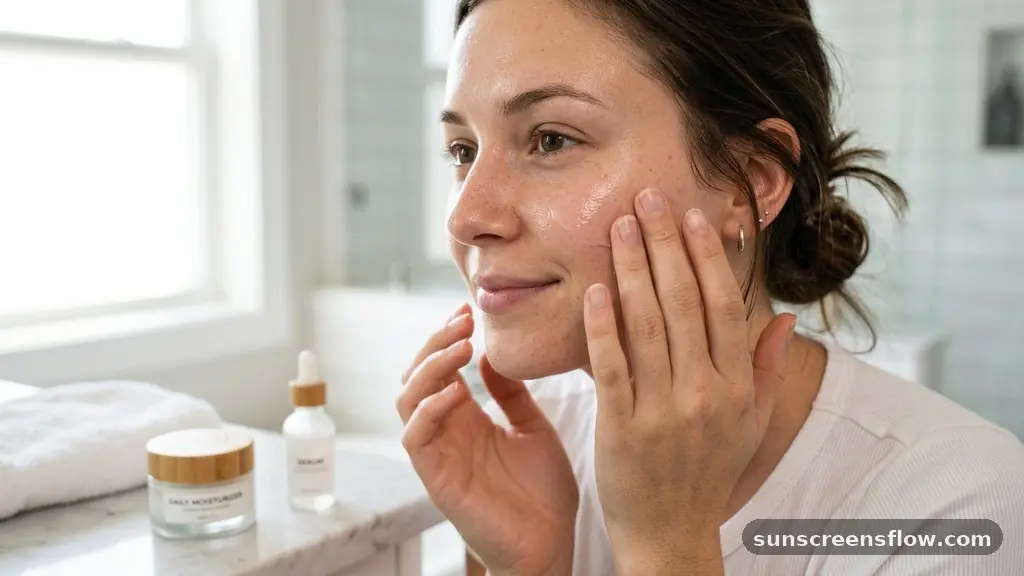
The primary rule of thumb in skincare is to layer your products from the thinnest consistency to the thickest. Serums are typically water-based, lightweight formulations designed to deliver high concentrations of active ingredients directly into the deeper layers of the epidermis.
Because they possess a smaller molecular structure, they can penetrate the skin barrier quite easily. If you were to apply a heavy cream first, you would essentially be creating a physical barrier that prevents these delicate, water-soluble actives from ever reaching their target destination.
By contrast, moisturizers are formulated with occlusives, emollients, and humectants that are designed to sit on the surface of the skin. Their job is to create a seal that prevents transepidermal water loss, keeping your skin hydrated throughout the day. When you follow the rule of applying your serum first, you are essentially treating the skin with targeted care and then sealing that work in with a protective barrier.
This ensures that your skin receives the maximum benefit of both products. If you try to reverse this order, the thick, oil-rich base of a moisturizer will block the serum from absorbing, leaving your treatment sitting uselessly on top of your cream.
The Science of Skincare Layering
When we look at the science of skincare layering, it becomes clear that texture is the most reliable guide for your routine. Skin is naturally designed to be a barrier, not a sponge, which means it is quite selective about what it lets through.
Serum formulas use advanced delivery systems to bypass some of this resistance, but they rely on direct contact with clean, bare skin to function properly. Applying them directly to clean skin allows the pH balance of the surface to remain undisturbed, facilitating better absorption.
Once your serum has had a moment to settle, you apply your moisturizer. This step is critical because it introduces ingredients like ceramides and fatty acids that help repair the moisture barrier. If your moisturizer contains high levels of silicone or heavy waxes, it will form a film over the skin.
If that film is already present, the water-based serum will simply bead up or slide off, failing to penetrate. This is why the sequence is not just a suggestion but a necessity for product efficacy. You are building a foundation of active care, followed by a layer of long-term protection.
When to Apply Serum for Maximum Benefit
Knowing when to apply serum is just as important as knowing which order to follow. For the best results, you should use your serum immediately after cleansing and toning, while your skin is still slightly damp. Damp skin is more permeable than completely dry skin, which means it acts like a sponge for the active ingredients in your serum.
This is particularly important for ingredients like hyaluronic acid, which binds water to the skin to create a plumping effect. By trapping that moisture with your serum and following up with a moisturizer, you create a hydration sandwich that lasts for hours.
For most skin types, apply your serum and then wait about 60 seconds before moving on to your next step. This brief pause allows the serum to sink in and dry down slightly. If you rush into applying your moisturizer while your face is still dripping wet with serum, you might end up diluting the product or causing it to pill.
Pilling happens when products don’t adhere to the skin properly and instead form little balls of residue. A short wait time ensures that the serum has enough time to absorb, allowing the moisturizer to glide over the top without disrupting the layer beneath it.
Exceptions to the Layering Rule
While the “thin to thick” rule is the gold standard, there are occasional exceptions to the layering rule that experienced skincare enthusiasts should know. One common scenario is the use of “buffering,” a technique where you apply a thin layer of moisturizer before a particularly strong active treatment.
If you are using a high-strength retinol or a harsh chemical exfoliant that causes your skin to sting or flake, applying a small amount of moisturizer first can help. This buffer slows down the absorption of the active ingredient, making the treatment more tolerable for sensitive skin.
Another exception involves specific types of facial oils. If you are using an oil-based serum, it can sometimes be tricky to determine where it fits. Generally, water-based serums go before moisturizer, but heavy oils can actually penetrate through many lighter creams.
However, as a general rule, if you are unsure, stick to the standard order of operations. Using your moisturizer as a final step is almost always the safest bet for maintaining a healthy moisture barrier. If you are ever in doubt, check the instructions on the packaging, as some specialized formulas are designed to function differently than standard serums.
The Importance of Absorption Time

Many people underestimate the importance of absorption time in their daily routine. It is tempting to slap all your products on one after another in a rush, but this can actually reduce the efficacy of your regimen. When you layer products too quickly, you risk mixing them on the surface of your skin before they have had a chance to work.
This can lead to chemical interactions between ingredients that might neutralize the benefits of your serum. Giving each product 30 to 60 seconds to absorb ensures that you aren’t just moving product around your face.
Furthermore, allowing for absorption time helps you identify if a product is actually working for you. If you apply a serum and it feels sticky or tight after a minute, you know it is absorbing well. If it feels like it is just sitting there, it might be a sign that your skin is already saturated or that the product isn’t a good fit.
By being patient, you gain better insight into how your skin reacts to different textures and formulations. This mindfulness is a key part of establishing a consistent routine that actually delivers results rather than just feeling like a chore.
Comparing Common Skincare Textures
To make it easier to visualize the order of operations, it helps to look at how different product types stack up against one another. The following table provides a quick reference for the standard hierarchy of application.
| Step | Product Type | Texture |
|---|---|---|
| 1 | Cleanser | Liquid/Gel/Cream |
| 2 | Toner/Essence | Watery |
| 3 | Serum | Lightweight/Gel |
| 4 | Moisturizer | Cream/Lotion |
| 5 | Sunscreen/Oil | Heavy/Occlusive |
As you can see, the progression moves from the most watery, absorbent substances to the most protective, occlusive ones. By sticking to this structure, you ensure that nothing is blocked by a layer of heavy cream. If you ever find yourself with a new product, look at the bottle to see if it is oil-based or water-based; this will tell you exactly where it belongs in your sequence.
Establishing a Consistent Routine
Consistency is the most important factor in seeing changes in your skin. Using a high-quality serum for three days and then skipping it for a week won’t yield the results you are looking for. You need to treat your skin to a steady supply of actives, such as vitamin C, niacinamide, or peptides, to see improvements in tone and texture.
By making the order of operations automatic, you remove the mental friction that often leads to skipping steps. When you know for a fact that your routine is “cleanse, treat, and seal,” it becomes a habit rather than a mystery.
A good routine isn’t about having the most products; it is about having the right ones used in the right way. Focus on treating with serums, and sealing with moisturizer, as this is the final step in protecting your skin from environmental stressors. If you have dry skin, you might want to add a facial oil after your moisturizer.
If you have oily skin, you might find that a lightweight serum and a gel-based moisturizer are all you need. The goal is to create a routine that feels comfortable and effective for your specific needs, rather than following a trend that doesn’t serve your unique complexion.
Addressing Topical Gaps in Skincare
One common question that often goes unanswered is what to do if you use multiple serums. If you are layering two different serums, such as a vitamin C serum for brightening and a hyaluronic acid serum for hydration, the same “thin to thick” rule applies. Generally, you should apply the serum with the most watery, thin consistency first.
If both are similar, apply the one that targets your most pressing concern first. This ensures that the ingredient you care about most gets the best chance to interact with your skin.
Another gap in common advice is how to handle active ingredients that react with one another. For example, some people believe they should wait 20 minutes between applying acids and moisturizers to allow for pH rebalancing. While this can be helpful for very sensitive skin, it is not strictly necessary for most people.
The primary goal is to ensure that your skin is protected and hydrated. If you are ever worried about an interaction, applying a simple, fragrance-free moisturizer after your serum is a great way to neutralize any potential irritation while still locking in the benefits of your treatment.
Common Skincare Mistakes to Avoid
Even with the best intentions, it is easy to fall into habits that undermine your skincare goals. One of the most common mistakes is not waiting for the skin to dry before starting a new step, or conversely, waiting too long. If you wait until your skin is bone-dry after washing, the products might not spread as easily.
If you wait until it is soaking wet, the product might drip off. Aim for that “damp but not wet” state where the skin feels supple but not saturated. This is the sweet spot for maximum absorption.
- Avoid rubbing your face aggressively when applying products; instead, gently press them into the skin.
- Don’t skip the neck and décolletage, as these areas need hydration and treatment just as much as your face.
- Avoid mixing too many active ingredients at once, as this can lead to skin barrier damage and increased sensitivity.
- Ensure your hands are clean before touching your face to prevent the transfer of bacteria and oils.
- Stop using a product immediately if you notice redness, burning, or persistent itching, regardless of the order you applied it in.
By avoiding these common pitfalls, you will find that your skin responds much better to your routine. Focus on gentle application and patience, and you will see the long-term benefits of your dedication.
Frequently Asked Questions
Does moisturizer go before serum if I have dry skin?
No, you should still apply your serum first. Even if you have dry skin, the serum needs to reach the deeper layers of the epidermis to be effective. Follow the serum with a rich, nourishing moisturizer to seal in the hydration and prevent further dryness.
What happens if I accidentally apply moisturizer before serum?
If you apply moisturizer first, the serum may not penetrate your skin effectively because the cream creates a barrier. It likely won’t cause harm, but you are essentially wasting the serum. If this happens, just let your skin absorb the moisturizer and try again in your next session.
Is the 3-minute rule for moisturizer legitimate?
The 3-minute rule suggests applying moisturizer within three minutes of washing your face to lock in hydration. This is a sound practice. It helps prevent evaporation from the skin’s surface, making your moisturizer more effective at maintaining your natural moisture barrier throughout the day.
Should I use both serum and moisturizer at night?
Yes, using both is highly recommended for a nighttime routine. Night is when your skin focuses on repair. Applying a targeted serum allows active ingredients to work overnight, while a moisturizer creates a protective seal that prevents moisture loss while you sleep, ensuring you wake up hydrated.
Conclusion
Getting your skincare order right is a simple change that yields significant results. By consistently applying your serum to clean, slightly damp skin and following it with your moisturizer, you allow your products to perform the way they were designed to. Remember that your skin is a barrier, and the goal of your routine is to work with that barrier, not against it.
Start by focusing on the consistency of your products, keeping the lightest formulas first and the thickest last. With a bit of patience and a consistent approach, you will find that your skin feels more balanced, hydrated, and resilient. If you have questions about specific products, check the labels, but trust in the layering science you have learned here today.
Meta Description: Does moisturizer go before serum? Learn the correct order for your skincare routine to ensure maximum absorption and effective results for your skin.


