


Navigating the complex world of skincare ingredients often leads to one persistent question: does vitamin C serum help with acne scars? While the short answer is a resounding yes, the mechanism behind why and how it works is far more nuanced than a simple “fix-all” claim.
Acne scars, particularly the dark, stubborn marks left behind after a breakout, are a common concern for many, and incorporating a potent antioxidant into your regimen can be a game-changer. By understanding the biological processes involved in healing and skin rejuvenation, you can better manage expectations and optimize your daily routine to achieve a clearer, more radiant complexion.
The Science of Vitamin C and Skin Repair
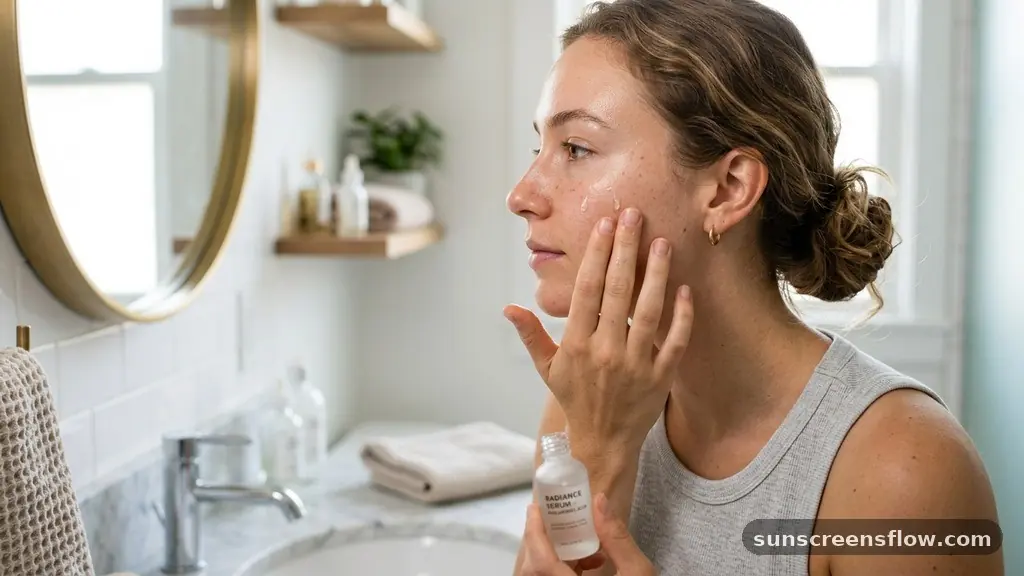
At the core of why vitamin C is so effective lies its potent antioxidant properties. When applied topically, this nutrient acts as a protective shield against oxidative stress—the damage caused by free radicals from UV exposure and pollution. More importantly, it plays a critical role in collagen synthesis.
Collagen is the structural protein that gives your skin its firmness and elasticity. When an acne lesion heals, the body often struggles to rebuild the skin’s surface perfectly, leading to indentations or, more commonly, pigmented areas known as post-inflammatory hyperpigmentation.
By stimulating the fibroblasts in the dermis, vitamin C helps the skin repair itself more efficiently. It doesn’t just brighten the surface; it supports the underlying architecture of your skin. When you use a high-quality topical vitamin C, you are essentially providing the building blocks necessary for the skin to heal from past trauma.
It is important to distinguish between atrophic scars (the physical pits or depressions) and pigmented marks. While vitamin C is miraculous for fading dark spots and improving the overall surface texture, it cannot “fill in” deep physical scars, which may require more invasive dermatological treatments.
Addressing Post-Inflammatory Hyperpigmentation
The most common concern people have after a breakout is the lingering dark spots that persist for months. These marks, medically termed post-inflammatory hyperpigmentation, occur because inflammation triggers the skin to produce an excess of pigment as a defense mechanism. This is where the magic of tyrosinase inhibition comes into play.
Tyrosinase is an enzyme essential for melanin production. When this enzyme is overactive, your skin produces too much pigment, resulting in those stubborn brown or reddish marks.
Vitamin C is a known tyrosinase inhibitor. By interrupting this process, the serum effectively prevents the further darkening of acne marks and helps fade existing spots over time. This makes it a cornerstone of skin brightening protocols.
Unlike harsh bleaching agents, vitamin C works gradually to balance the skin tone. It is a slow and steady process, but it is one of the safest and most effective ways to manage pigmentation without causing further irritation to sensitive, acne-prone skin.
Choosing the Right Formulation for Results
Not all serums are created equal, and the efficacy of your treatment depends heavily on the specific serum formulation. The gold standard for potency is L-ascorbic acid, the most researched form of vitamin C. However, L-ascorbic acid is notoriously unstable and can oxidize easily when exposed to air or light.
To ensure you are getting the most out of your product, look for serums that contain stabilizing ingredients like ferulic acid or vitamin E. These ingredients not only stabilize the vitamin C but also work synergistically to boost its protective benefits.
When selecting a product, consider the percentage of active ingredients. A concentration between 10% and 20% is generally considered the “sweet spot” for efficacy without causing excessive irritation.
If you have particularly sensitive skin, you might want to start with a lower percentage or a derivative like sodium ascorbyl phosphate, which is often more stable and gentler. Always check that the product is labeled as non-comedogenic to ensure it won’t clog your pores and trigger new breakouts while you are trying to treat old ones.
Synergy with Other Skincare Ingredients
To maximize the benefits of your vitamin C routine, it is helpful to understand how it pairs with other active ingredients. Many people wonder if they can combine vitamin C with niacinamide or retinol. While there has been historical debate about whether these ingredients conflict, modern formulations and research suggest that when used correctly, they can be highly effective companions.
| Ingredient | Primary Function | Compatibility with Vit C |
|---|---|---|
| Niacinamide | Reduces redness and inflammation | High (Excellent for soothing) |
| Retinol | Accelerates cell turnover | Medium (Best used at night) |
| Vitamin E | Stabilization and hydration | High (Enhances antioxidant effect) |
| Ferulic Acid | Stability and potency | High (The ideal pairing) |
Using vitamin C in the morning provides a defense layer for the day, while retinol, which promotes skin cell turnover, is best reserved for your evening routine. By alternating these actives, you target acne scars from two different angles: brightening the dark pigment and resurfacing the skin texture. Always remember that introducing too many strong actives at once can compromise your skin barrier, leading to dryness and sensitivity.
The Role of Sunscreen in Scar Healing
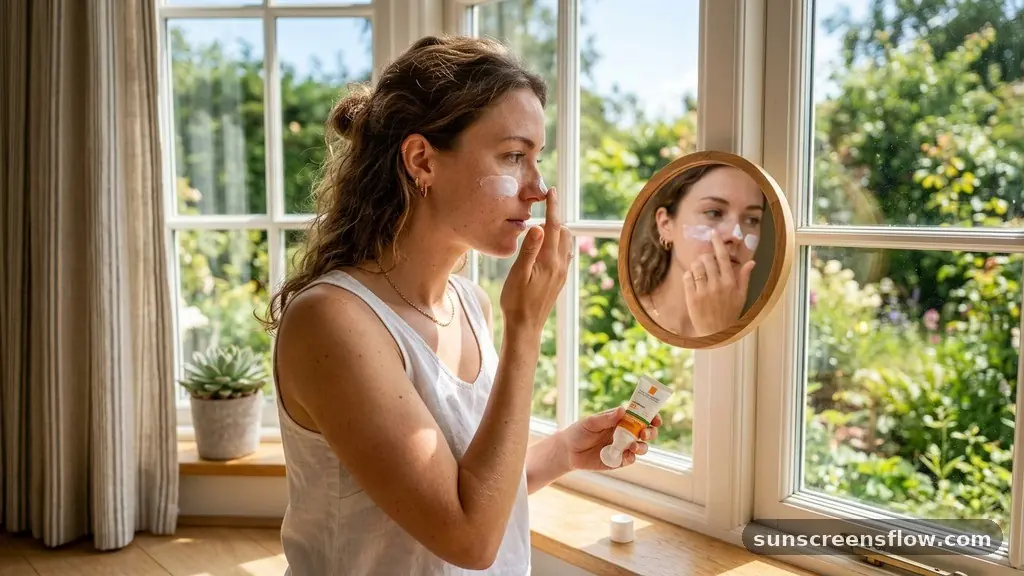
If you are treating acne marks and not using sunscreen, you are essentially swimming against the tide. UV radiation is the primary culprit in darkening scars and preventing them from fading.
When a spot is exposed to the sun, the skin’s melanin production kicks into high gear, making the mark deeper and more permanent. Even on cloudy days, UV rays can penetrate the skin and interfere with the repair process.
Applying a broad-spectrum SPF of at least 30 every single morning is non-negotiable if you want to see results. Think of your vitamin C serum as your morning defense and your sunscreen as the essential shield that locks that protection in.
Without daily sun protection, the tyrosinase inhibition provided by your serum will be undermined by the constant stimulation of pigment production caused by UV light. Consistency is the primary factor in determining success; skipping sun protection is the most common reason people find their acne scars simply refuse to fade.
Managing Expectations and Timeline
One of the most common frustrations in skincare is the desire for instant results. However, when asking does vitamin C serum help with acne scars, it is vital to understand that this is a long-term commitment.
Unlike a spot treatment that might shrink a pimple overnight, fading hyperpigmentation involves the natural cycle of skin renewal. The average skin cell cycle takes about 28 to 40 days, meaning you likely won’t see significant changes for at least four to eight weeks of consistent daily application.
* Weeks 1-2: You may notice an overall improvement in skin brightness and a slight reduction in dullness.
* Weeks 4-8: You will likely start to see a visible fading of newer, lighter acne marks.
* Weeks 12+: Deeper, older dark spots will begin to break down, and the overall uneven skin tone will appear more uniform.
Patience is key. If you find your skin is tolerating the product well, you can increase your usage, but never rush the process by applying excessive amounts or mixing incompatible acids, as this will only lead to inflammation and potentially cause more scarring.
Addressing Topical Gaps: Why Some See No Results
Despite the well-documented benefits of vitamin C, some users report seeing no improvement. This usually stems from one of three common gaps: product quality, storage, or skin condition.
If you are using a serum that has turned a dark orange or brown color, it has likely oxidized and lost its potency. Vitamin C is sensitive to light and air, so it should be stored in a cool, dark place, ideally in an opaque or dark-glass bottle.
Another reason for a lack of results is the depth of the scar. If the acne caused damage to the deeper layers of the dermis, topical treatments may hit a plateau. In these instances, professional skincare treatments like chemical peels, laser therapy, or microneedling might be required to stimulate the necessary collagen production that a topical serum cannot reach alone.
Furthermore, if you are still experiencing active, aggressive breakouts, the constant inflammation will keep creating new pigment, making it feel as though the serum is not working. You must get your active acne under control to see the long-term benefits of your scar-fading routine.
Building a Consistent Routine
To integrate vitamin C effectively, start by cleansing your face to remove any impurities. While your skin is still slightly damp, apply a few drops of your serum. This allows the product to penetrate more effectively.
Follow this with a moisturizer to support your skin barrier. In the morning, always finish with your SPF. By making this a non-negotiable part of your daily ritual, you create the best environment for your skin to heal.
Consistency is more important than the cost of the product. Using a mid-range, stable formula every single day will yield better results than using a luxury, unstable formula only when you remember. If you notice any stinging or redness, scale back your usage to every other day until your skin builds tolerance.
Remember, the goal is to repair the skin, not to irritate it further. By listening to your skin and adjusting your frequency, you ensure that the treatment remains a positive addition to your lifestyle.
Professional Perspectives on Skin Texture
Dermatologists often recommend vitamin C not just for its brightening capabilities, but for its role in improving overall skin texture. The combination of increased collagen and reduced inflammation leads to a smoother, more refined surface.
While scars often make the skin feel bumpy or irregular, the antioxidant support provided by vitamin C helps normalize cell function. Over time, this results in a more uniform complexion that feels softer to the touch.
If you are dealing with severe texture issues, do not hesitate to consult a professional. They can provide guidance on whether your specific marks are better suited for a serum, a retinoid, or a combination of both.
Sometimes, the most effective approach is a multi-modal strategy where you use a vitamin C serum to manage tone and a prescription-strength retinoid to manage texture. Understanding that skin health is a journey rather than a destination will help you stay motivated throughout the process.
FAQ
Does vitamin C serum clear acne scars or just dark spots?
Vitamin C is primarily effective for post-inflammatory hyperpigmentation, which are the flat, dark, or red spots left by acne. It helps fade these marks by inhibiting pigment production. However, it is not a treatment for deep, pitted, or raised physical scars, which typically require professional intervention.
How long does it take for vitamin C to fade acne marks?
Visible improvement generally requires at least four to eight weeks of consistent daily use. Because skin cells turn over slowly, significant fading of older or deeper marks often takes three months or longer. Patience and daily sun protection are essential for seeing the best possible results.
Can I use vitamin C and retinol together for acne scars?
Yes, but it is best to use them at different times of the day to avoid irritation. Apply vitamin C in the morning to protect against environmental damage and brighten the skin. Use retinol at night to promote cell turnover and repair, ensuring your skin remains healthy and balanced.
Is it normal for vitamin C serum to sting slightly?
A very mild, temporary tingling sensation can be normal, especially if you are using a high-concentration L-ascorbic acid or if your skin barrier is slightly compromised. However, if you experience burning, persistent redness, or itching, you should discontinue use and opt for a gentler, lower-percentage formula.
Conclusion
So, does vitamin C serum help with acne scars? The evidence is clear: it is a potent tool for fading post-inflammatory hyperpigmentation and improving the overall brightness and health of your complexion. By leveraging its antioxidant properties, inhibiting melanin production, and supporting collagen synthesis, you can effectively treat the dark marks that often linger long after a breakout has healed.
While it is not a magic eraser for deep, physical scarring, its ability to even out your skin tone and enhance texture makes it an invaluable addition to any skincare regimen. Remember that the key to success lies in choosing a stable serum formulation, maintaining consistency, and always protecting your skin with sunscreen.
With time, patience, and a dedicated routine, you can achieve the clearer, more radiant skin you are working toward. Treat your skin with kindness, stay consistent with your application, and allow the science of dermatology to work in your favor.


