

Deciding to discontinue your daily beauty ritual often brings up concerns about what happens when you stop using lash serum. Many people worry that their eyelashes will suddenly fall out or revert to a stubby state overnight, but the reality of stopping lash enhancement products is usually a gradual transition.
Understanding the biology of your lashes helps take the mystery out of this process. By looking at how these formulas interact with your natural growth cycle, you can better manage your expectations and keep your lash health on track during the shift.
The Biology of Your Eyelash Growth Cycle
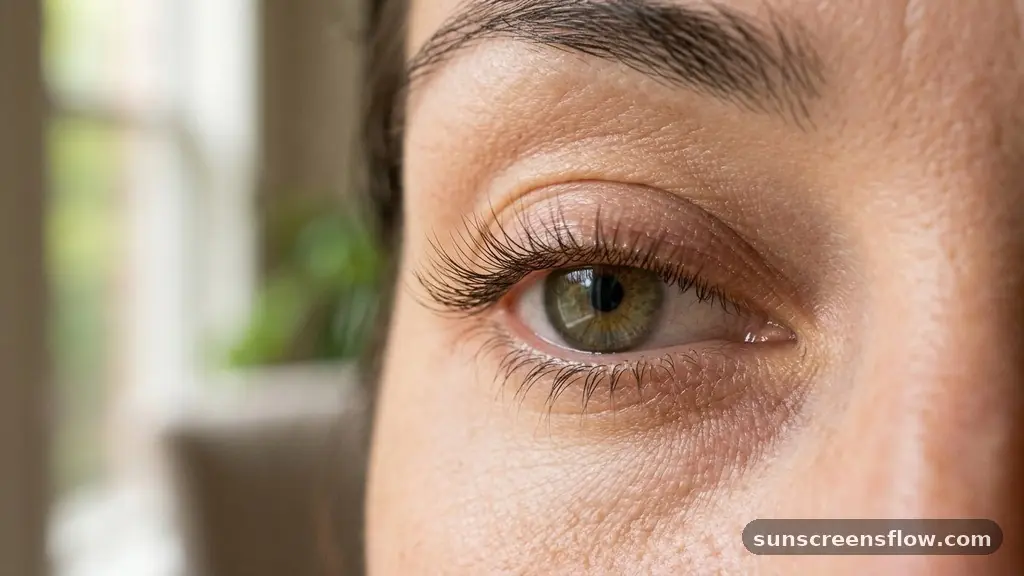
To understand the effects of stopping a treatment, you first need to look at the three stages of the eyelash growth cycle. Every single hair on your eyelid is currently in one of these phases: the anagen phase, the catagen phase, or the telogen phase.
The anagen phase is the active growth period where the hair is lengthening. During this time, the follicle is highly responsive to external stimuli, which is why many serums aim to extend this duration.
Once the lash reaches its maximum length, it enters the catagen phase, which is a short transition period where the hair stops growing and the follicle shrinks. Finally, the telogen phase is the resting period.
The hair stays in the follicle until it eventually falls out, making room for a new hair to start the cycle again. When you use a serum, you are essentially trying to manipulate this timeline, typically by keeping the lashes in the growth phase for longer than they would naturally stay on their own.
How Prostaglandin Analogues Influence Lash Growth
Many popular lash serums rely on prostaglandin analogues, such as bimatoprost, to achieve dramatic results. These compounds are powerful agents that provide intense follicular stimulation.
They work by tricking the hair follicles into staying in the active growth phase for an extended period, which results in longer, thicker, and darker lashes than your genetic baseline. Because these ingredients are so effective at overriding your body’s natural signals, the transition back to normal can feel more pronounced.
When you stop applying these active ingredients, the biological “instruction” to stay in the growth phase vanishes. Your follicles stop receiving that artificial boost, and they quickly return to their natural, pre-serum behavior.
This isn’t an immediate loss of all your lashes, but rather a return to the natural rhythm of your unique lash health. The lashes that were kept in the growth phase for an extended time will eventually enter the catagen and telogen phases, leading to a natural shedding process that makes it seem as though your lashes have suddenly “shrunk” or thinned out.
The Timeline of Lash Shedding After Discontinuation
People often panic when they notice increased shedding shortly after they stop using lash serum. It is important to realize that this is a natural part of the hair follicle cycle.
Because you have been artificially extending the life of your lashes, you likely have a higher-than-average number of mature, long lashes sitting in the telogen phase at the same time. Once you stop the serum, these long lashes will complete their cycle and fall out at their natural rate.
You won’t lose all your lashes at once, but you will notice a gradual thinning over several weeks. This period usually lasts between four to eight weeks, which is the time it takes for your eyelashes to fully cycle through.
During this window, your lash density will slowly return to your baseline length. It can feel like a dramatic change, but it is simply your eyes returning to their natural state without the heavy lifting provided by the chemical stimulants.
Addressing Dependency and Maintenance
There is a common misconception regarding serum dependency. Your lashes aren’t necessarily “addicted” to the product, but they are responding to the external environment you created for them. If you want to maintain the length you achieved, you must continue providing the stimulus.
If you stop, the results stop. This is why many beauty experts recommend a maintenance phase rather than a cold-turkey approach if you are worried about the sudden aesthetic shift.
Some users prefer to taper off their usage slowly. Instead of stopping completely, you might reduce the application frequency from daily to every other day, and eventually to twice a week.
This allows your lash follicles to adjust to the absence of the active ingredients more gradually. While this won’t permanently keep your lashes at their “peak” serum length, it can help prevent the feeling of a sudden, drastic drop in lash appearance.
Potential Side Effects During the Transition

While most people focus on the length, some individuals experience physical changes when they stop using lash serum. If you were using a formula that caused mild eyelid irritation or hyperpigmentation, these issues usually subside once you cease application. The skin around your eyes is delicate, and prostaglandin-based products can sometimes cause the skin to darken or the blood vessels to appear more prominent.
Once the constant exposure to these chemicals is removed, your skin typically returns to its normal color and texture. However, if you notice persistent redness, flaking, or discomfort that does not resolve within a few weeks of stopping the product, it is advisable to consult a dermatologist. In rare cases, the irritation could be related to an underlying sensitivity or a reaction to a preservative in the serum rather than the active growth ingredient itself.
Comparing Different Types of Lash Treatments
Not all lash serums act the same way on your follicles. Understanding the type of product you were using helps you predict what happens when you stop using lash serum. The table below highlights the differences in how these formulas function and what typically occurs after you stop using them.
| Serum Type | Mechanism of Action | Effect After Stopping |
|---|---|---|
| Prostaglandin Analogues | Extends growth phase (anagen) | Rapid return to baseline length |
| Peptide-based Serums | Strengthens and conditions | Gradual return to natural texture |
| Natural Oils (e.g., Castor Oil) | Conditions and prevents breakage | Minimal change in length |
As shown in the table, the more aggressive the formula, the more noticeable the “withdrawal” effect will be. Peptide-based serums are generally more focused on lash conditioning and preventing breakage. If you stop using these, you might notice your lashes become slightly more brittle or prone to snapping over time, but you won’t see the same rapid thinning associated with stronger formulas.
Natural Lash Maintenance and Care
If you decide to move away from active growth serums, you can still support your lash health through natural methods. Natural lash maintenance is about preserving the lashes you have and keeping them healthy enough to reach their full, natural potential. Breakage is often the main reason lashes look sparse, so focusing on protection is key.
- Use a clean spoolie brush to gently groom your lashes daily.
- Avoid waterproof mascaras that require harsh scrubbing to remove.
- Incorporate a hydrating oil like castor oil to keep lashes supple.
- Minimize the use of mechanical eyelash curlers that can cause lash thinning.
- Eat a balanced diet rich in biotin and protein to support hair health from the inside out.
These habits won’t give you the extreme length of a medical-grade serum, but they will ensure that your natural lashes remain thick and healthy. By reducing physical stress on the hair, you allow your follicles to function at their best without needing chemical intervention.
Addressing Topical Gaps: Why Some Lashes Never Grow Back
A common concern is the fear that lash serum permanently damages the hair follicle, preventing future growth. In reality, most high-quality, reputable serums are designed to be safe for the follicle. If you find that your lashes seem significantly thinner than your original baseline long after you stopped the serum, it might not be the product’s fault.
Lash thinning can be caused by age, hormonal changes, or nutritional deficiencies. If you were using a serum for several years, you may have simply forgotten what your “normal” lashes looked like, or your natural hair growth cycle may have slowed down due to the aging process.
It is also possible that aggressive makeup removal techniques or the cumulative effect of lash extension damage has taken a toll on your lash line. If you are concerned about permanent loss, focus on gentle care and consult with a professional to rule out other medical issues.
Transitioning to Alternatives
If you aren’t ready to go back to your natural lashes but want to stop using a specific serum, you have alternatives. Some people switch to peptide-based formulas, which offer a gentler approach to lash health. These products don’t typically force the hair into the anagen phase in the same way prostaglandin analogues do, so the transition is much smoother and the results are more subtle.
Another option is to focus on the appearance of your lashes rather than the growth. A high-quality lengthening mascara or a lash lift can provide the aesthetic effect you desire without the need for daily chemical stimulation.
This allows you to achieve the look you want while giving your follicles a break from the active ingredients. Ultimately, the best path forward depends on your personal goals and your tolerance for the natural fluctuations of your lash cycle.
Frequently Asked Questions
Do my eyelashes go back to their original length after I stop using serum?
Yes, your eyelashes will eventually return to their genetic baseline. Because the serum was artificially extending the growth phase, once you stop, your lashes will cycle through their natural shedding process and regrow to the length determined by your genetics, typically within four to eight weeks.
Will my lashes fall out in clumps if I stop using lash serum?
No, your lashes will not fall out in clumps. The shedding process is gradual because each individual hair is at a different stage of its growth cycle. You might notice more shedding than usual over a few weeks, but this is simply the natural turnover of your lash line.
Is it possible to develop a permanent dependency on lash serum?
Dependency is not a medical condition but an aesthetic one. Your follicles do not lose the ability to grow hair on their own; rather, they stop receiving the extra boost that created the longer, denser look. You are simply returning to your natural state, not suffering from long-term damage.
What is the safest way to stop using a strong lash serum?
The safest approach is to taper off your usage gradually. Instead of stopping abruptly, reduce the frequency of application over a period of two to four weeks. This allows your lash follicles to adjust to the change in stimulus and can help minimize the shock of returning to your natural growth cycle.
Conclusion
Navigating what happens when you stop using lash serum is largely about managing your expectations. The transition back to your natural lash length is a normal biological process rather than a sign of damage or permanent loss. By understanding how your hair follicles function and focusing on gentle, consistent care, you can maintain healthy lashes even after you stop using chemical stimulants.
Whether you choose to continue with a milder conditioning product or embrace your natural look, remember that your lash health is a long-term journey. Be patient with the shedding process, prioritize the health of your eyelids, and don’t hesitate to reach out to a professional if you have concerns about your specific lash growth patterns.
Meta Description: Curious what happens when you stop using lash serum? Learn how your lashes return to their natural growth cycle and how to manage the transition.


