


Achieving a radiant, even-toned complexion often feels like a marathon rather than a sprint, especially when incorporating potent active ingredients into your daily routine. Many skincare enthusiasts wonder how long does vitamin C serum take to work because they are eager to see the promised glow and reduction in dark spots.
While marketing campaigns often suggest overnight miracles, the reality dictated by dermatology and biological processes is much more nuanced. Understanding the timeline for results requires patience and a grasp of how your skin interacts with topical antioxidants at a cellular level.
Understanding the Biological Timeline of Topical Vitamin C
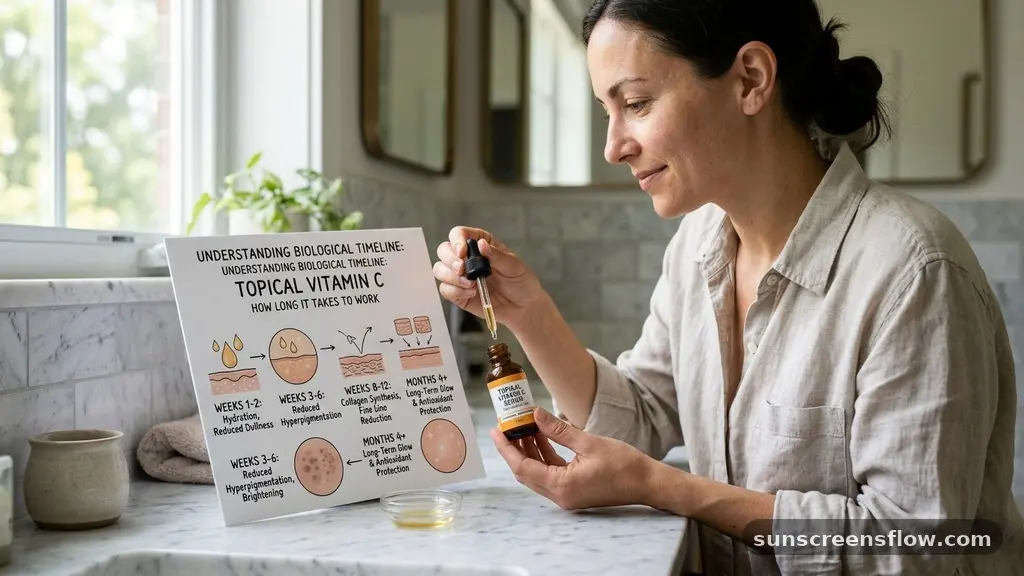
The process of skin renewal is not instantaneous. Your skin operates on a natural cycle of skin cell turnover, which typically takes anywhere from 28 to 40 days depending on your age and overall skin health.
When you apply L-ascorbic acid or other stable derivatives, the serum must penetrate the epidermis to influence biological functions like collagen synthesis and the regulation of melanin production. Because these processes occur deep within the skin, you cannot expect to see dramatic physical changes in a matter of hours or even a few days.
Most clinical studies suggest that consistent application is the primary driver of success. During the first two to four weeks, the serum is primarily working to neutralize free radicals on the skin’s surface and protect against ongoing oxidative stress.
By limiting the damage caused by environmental pollutants and UV exposure, the serum creates a stable environment for the skin to begin its repair process. You might notice a subtle improvement in hydration or a slight decrease in transepidermal water loss early on, but the deeper structural changes, such as the smoothing of fine lines, take significantly longer to manifest.
The First Four Weeks: Setting the Foundation
During the first month of daily use, the most significant changes are often invisible to the naked eye. The serum is actively working to fortify your skin barrier function.
By providing a consistent supply of antioxidants, you are essentially “prepping” the skin to handle external aggressors more effectively. Many users report that their skin feels softer or more supple during this period, which is a positive sign that the product is being absorbed correctly.
If you are treating hyperpigmentation, the first four weeks are essentially a period of inhibition. The vitamin C is working to interrupt the pathways that lead to excess pigment production. While you may not see a dramatic fading of existing dark spots yet, you are preventing new ones from darkening further.
It is crucial to remain consistent here; skipping applications can disrupt the concentration levels needed to sustain this inhibitory effect. If you experience mild tingling, this is often a normal reaction to the low pH of L-ascorbic acid, provided it subsides quickly and does not lead to persistent redness or irritation.
The Three-Month Milestone: Visible Transformation
By the time you reach the three-month mark, you are likely to see the results that most people associate with effective vitamin C usage. This is the period where the cumulative effects of increased collagen synthesis start to become apparent.
Collagen is the structural protein responsible for firm, youthful-looking skin. As production ramps up, you may notice a subtle improvement in skin elasticity and a reduction in the depth of fine lines.
In addition to structural changes, the brightening effects become much more pronounced at this stage. Because the skin has undergone several cycles of skin cell turnover, the pigmented cells that were present when you started have largely been shed and replaced by healthier cells. This is when the “glow” becomes undeniable.
If you have been diligent with your sunscreen application alongside your serum, the reduction in photodamage will be even more evident. The combination of protecting your skin and actively repairing past damage allows for a more uniform skin tone.
Factors Influencing Serum Effectiveness
Not all serums are created equal, and several factors dictate how quickly you will see results. The serum concentration plays a massive role; while higher percentages (15-20%) are often more effective, they can also cause irritation. Lower concentrations are gentler but may take longer to produce visible changes.
Furthermore, the molecular stability of the formula is paramount. Vitamin C is notoriously unstable and can oxidize when exposed to light, air, or heat, rendering it ineffective.
| Factor | Impact on Results |
|---|---|
| Serum Concentration | Higher levels (15-20%) typically yield faster results but increase irritation risk. |
| pH Level | A pH below 3.5 is generally required for optimal L-ascorbic acid penetration. |
| Synergistic Ingredients | Combining with ferulic acid and vitamin E enhances stability and efficacy. |
| Packaging | Opaque, air-tight containers prevent premature oxidation of the formula. |
If your serum has turned a dark orange or brown color, it has likely oxidized. Using an oxidized product will not provide the benefits you are looking for and may even introduce new free radicals to your skin. Always check the expiration date and store your serum in a cool, dark place to maintain its potency throughout the duration of your treatment.
The Role of Synergistic Ingredients
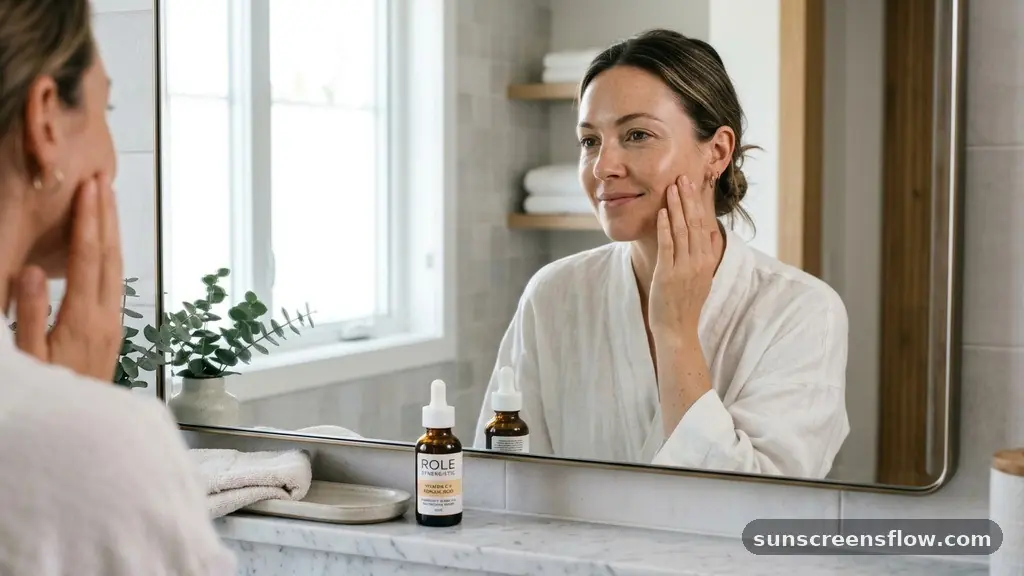
To maximize the efficiency of your skincare routine, look for formulas that pair vitamin C with other powerhouse ingredients. The most famous combination in dermatological clinical trials involves ferulic acid and vitamin E.
Ferulic acid is a plant-based antioxidant that not only stabilizes L-ascorbic acid but also doubles its photoprotective capabilities. When vitamin C is combined with these agents, it becomes significantly more resilient against the degradation caused by light and air.
This synergy allows for a higher concentration of active ingredients to remain stable on the shelf and, more importantly, stay active once applied to the skin. If you are struggling with stubborn dark spots, a formula that includes these enhancers will likely work faster than a standalone vitamin C solution. These combinations are designed to penetrate deeper and work more harmoniously with the skin’s natural chemistry, reducing the time you have to wait to see a genuine change in your complexion.
Managing Expectations and Potential Irritation
One of the most common mistakes people make is increasing the frequency of application too quickly in hopes of speeding up results. If you are new to high-potency serums, you should always perform a patch testing to ensure your skin reacts well to the formula.
Jumping straight into daily use can compromise your skin barrier function, leading to redness, flaking, and inflammation. When the skin barrier is damaged, the skin becomes more susceptible to photosensitivity, which can actually worsen the very hyperpigmentation you are trying to treat.
If you experience irritation, scale back to using the serum every other day or only in the morning. Even with less frequent application, you will still see results; they will just take a bit longer to appear.
Remember, the goal is to improve your skin health, not to irritate it. If your skin feels tight, itchy, or painful, it is a clear signal that you need to prioritize hydration and barrier repair before continuing with your active treatment.
Why Consistency Is Your Best Tool
The question of how long does vitamin C serum take to work is almost always answered by the level of commitment to a routine. Skincare is cumulative.
Much like exercise or a healthy diet, the benefits are not the result of a single action but the consequence of repetitive, positive habits. When you apply your serum every morning, you are creating a constant reservoir of antioxidants in your skin.
This reservoir is what protects you from the invisible damage of the day. If you skip a day, you deplete that reservoir, and your skin is left vulnerable to the environmental factors you are trying to combat. Consistency also ensures that the skin cell turnover process is continuously supported.
By providing the necessary nutrients day in and day out, you allow the skin to focus its energy on repair rather than constant defense. If you want to see results in the three-month window, you must treat your morning serum application as a non-negotiable step in your daily hygiene.
Addressing Topical Gaps: Common Misconceptions
Many users are confused about why they shouldn’t apply vitamin C at night or why it causes a “stinging” sensation. There is a persistent myth that vitamin C causes photosensitivity. In reality, it does the opposite—it enhances the protective effects of your sunscreen.
The reason we suggest morning use is to leverage its ability to fight off environmental stressors that are most prevalent during daylight hours. While you can use it at night, the daytime application is far more strategic for long-term health.
Another common gap in knowledge is the difference between “brightening” and “bleaching.” Vitamin C does not bleach the skin; it regulates melanin production and helps fade existing spots by accelerating the shedding of pigmented cells.
It is a slow, healthy process of balancing your complexion rather than stripping it. If you are looking for instant results, you may be disappointed, but if you are looking for long-term skin health and a genuine, lasting glow, the wait is worth it.
Integrating Vitamin C into a Broader Routine
To ensure your serum works as effectively as possible, it should be part of a holistic approach to skin health. Cleansing, moisturizing, and—most importantly—sun protection are the pillars that support your vitamin C treatment.
If you are not using a broad-spectrum SPF every single day, you are essentially washing the money you spent on your serum down the drain. UV radiation is the primary cause of the damage you are trying to reverse; without protection, your skin will continue to sustain new damage faster than your serum can repair it.
Additionally, consider the order of application. Serums should generally be applied after cleansing and toning but before heavier creams or oils.
This allows the water-based formula to absorb directly into the skin without being blocked by thicker occlusives. By following this order, you ensure that the active ingredients reach their intended destination, maximizing their potency and helping you reach your aesthetic goals within that desired three-month timeframe.
FAQ
How do I know if my vitamin C serum is actually working?
You will typically notice a subtle radiance or “glow” within the first month. Over three months, you should see a visible reduction in dark spots, improved skin texture, and a more even skin tone. If your skin feels healthier and looks less dull, the serum is likely effective.
Is it normal for vitamin C serum to sting when I apply it?
Mild, temporary tingling is common, especially with L-ascorbic acid due to its low pH. However, if the stinging is intense, causes persistent redness, or leads to flaking, you should discontinue use or switch to a lower concentration. Always patch test first to gauge your skin’s sensitivity.
Why is it recommended to use vitamin C in the morning?
Vitamin C acts as an antioxidant that neutralizes free radicals generated by UV rays and pollution. Using it in the morning provides a protective shield throughout the day. While it is safe to use at night, it is most beneficial when applied before your sunscreen to boost protection.
Can I use vitamin C with other active ingredients like retinol?
It is generally recommended to use vitamin C in the morning and retinol at night. Using them simultaneously can cause significant irritation for many people, as both are potent actives that can disrupt the skin barrier if used in high concentrations or too frequently together.
Conclusion
The journey toward improved skin health with vitamin C is a process that demands patience, consistency, and an understanding of your skin’s biological needs. While you may notice minor improvements in hydration and texture within the first few weeks, the most significant changes—such as the fading of dark spots and the smoothing of fine lines—typically require at least three months of dedicated use. By choosing a stable formula, pairing it with synergistic ingredients like ferulic acid, and maintaining a rigorous sun protection routine, you provide your skin with the best possible environment to repair and rejuvenate.
Remember that the goal is not an overnight transformation, but a sustainable, long-term improvement in your skin’s overall health and appearance. Keep up with your routine, monitor your skin’s reaction, and stay committed to the process; the results will eventually speak for themselves.


