

Deciding whether to incorporate a new beauty product into your routine often requires a bit of research, especially when it comes to the delicate area around your eyes. Many people wonder if the popular Babe Lash serum is safe, given the dramatic results it promises for achieving fuller-looking lashes.
Understanding the chemistry behind these products helps you make an informed choice that aligns with your personal health priorities and skin sensitivity. By looking closely at the ingredients and how they interact with your natural hair growth cycle, you can better navigate the options available on the market today.
Understanding the Core Ingredients
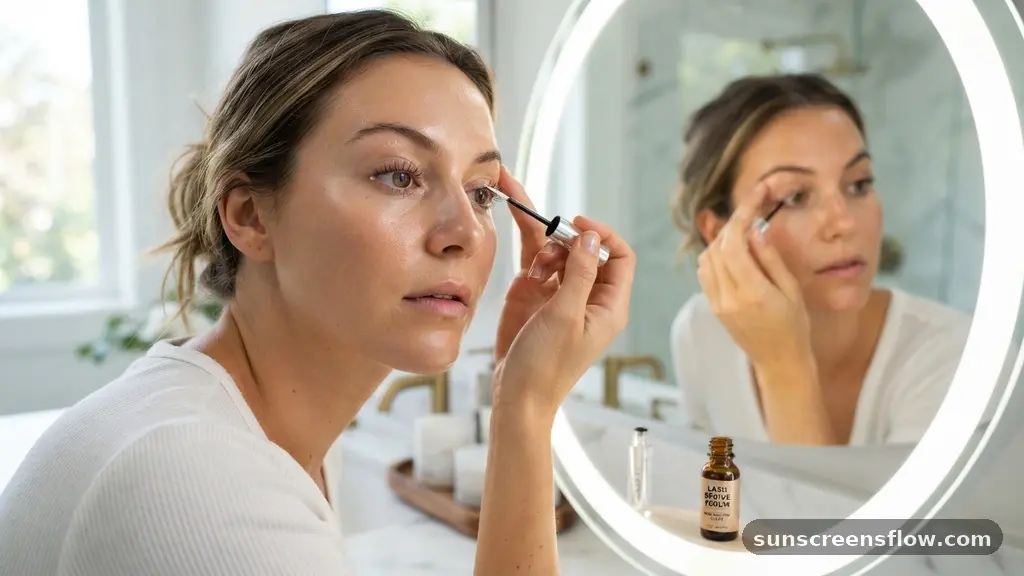
The primary concern regarding the safety of eyelash serums often centers on the presence of specific active ingredients. Babe Lash serum typically utilizes a class of compounds known as prostaglandin analogs.
These are synthetic versions of naturally occurring lipids that influence hair growth by extending the anagen, or active hair growth phase, of the lash follicle. By keeping lashes in this stage for longer, the serum allows them to reach greater lengths and increased density before they naturally shed.
When discussing whether is babe lash serum safe, it is vital to acknowledge that prostaglandin analogs, such as isopropyl cloprostenate, are powerful ingredients. While they are highly effective at providing the appearance of longer, thicker lashes, they were originally developed for ophthalmic use.
This historical connection to medical eye treatments is why many users seek clarity on potential risks. Understanding that these ingredients function by altering the biological cycle of your lashes provides the context needed to evaluate your own comfort level with using them daily.
The Role of Prostaglandin Analogs
Prostaglandin analogs represent a specific category of cosmetic ingredients that have revolutionized the lash industry. They work by interacting with the receptors in the hair follicle, signaling the body to continue producing hair. While this leads to the desired aesthetic outcome, it is important to recognize that these ingredients can have systemic or localized effects if they migrate into the eye or are absorbed by the surrounding skin.
Because they are biologically active, these compounds are not inert. Many dermatologists point out that the potency of prostaglandin analogs is the exact reason they work so well, but it is also why some users experience mild irritation.
If you are someone who generally experiences sensitivity to active skincare, you might find that your skin reacts differently to these ingredients than the average user. Awareness of these chemical interactions is a critical step in determining if a particular serum is a good fit for your lifestyle.
FDA Regulation and Cosmetic Standards
A common point of confusion for many consumers is the status of lash serums regarding oversight. It is important to clarify that lash serums are classified as cosmetics, not a drug.
Consequently, they are not subject to the same rigorous clinical trial requirements as pharmaceutical products before they hit the shelves. While the FDA monitors the safety of ingredients used in cosmetics, the burden of proving product safety ultimately rests with the manufacturer rather than a government pre-approval process.
This regulatory framework means that while a product like Babe Lash is formulated to meet industry safety standards, it does not carry the “FDA approved” label in the way a prescription medication might. Understanding this distinction is helpful when reading labels and marketing materials.
You are essentially relying on the brand’s internal testing and the historical safety profile of the ingredients included in their formula. Being a savvy consumer involves checking for reputable brands that prioritize transparency in their ingredient sourcing and manufacturing processes.
Common Side Effects and Sensitivity
When evaluating if it is babe lash serum safe for your particular needs, you must consider the potential for adverse reactions. The most frequently reported issues are generally localized to the eyelid and the eye itself.
These side effects can include redness, itching, or a sensation of dryness. In some instances, users have reported mild ocular irritation, which often occurs if the serum is applied too heavily and drips into the eye during the sleep cycle.
Another, albeit rarer, side effect involves changes to the skin or eye color. Some users have noted eyelid hyperpigmentation, where the skin along the lash line appears slightly darker.
There is also a theoretical risk of iris pigmentation in individuals with lighter-colored eyes, though this is significantly more common with prescription-strength ophthalmic drops than with cosmetic serums. If you notice any persistent discomfort, the most logical step is to discontinue use and observe whether the symptoms subside, as this usually indicates a personal sensitivity to one of the ingredients.
Best Practices for Safe Application
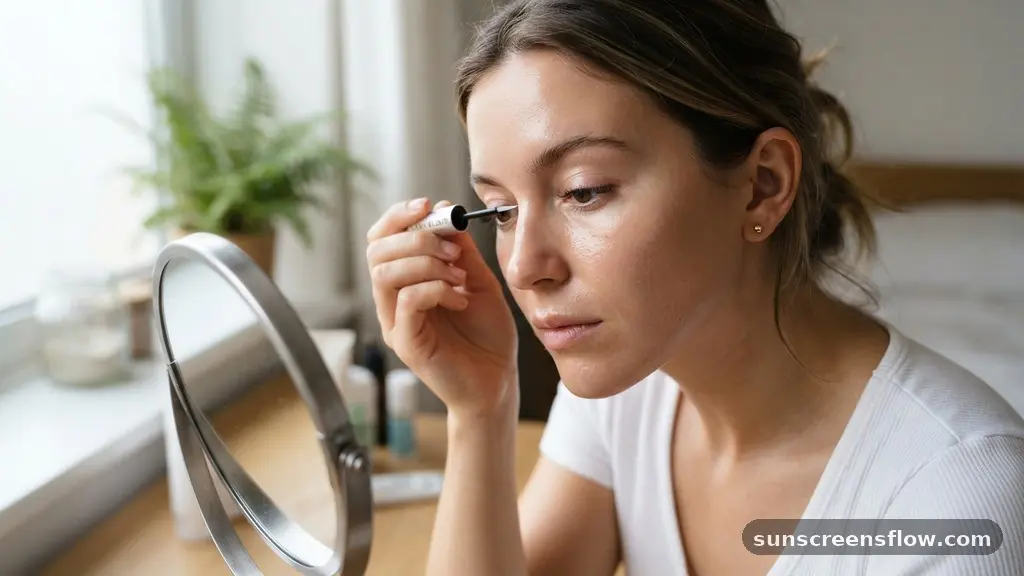
Applying your lash serum correctly is one of the most effective ways to mitigate potential risks. Many people make the mistake of over-applying, thinking that more product will lead to faster or more dramatic results.
In reality, a very thin line applied to the base of the upper lashes is all that is required for the formula to reach the lash follicle. Because the serum is designed to be absorbed locally, you do not need to coat the entire length of the lash or apply it to the lower lash line.
Steps for Proper Use
- Always start with a clean, makeup-free face to ensure the serum can penetrate the skin without interference from oils or debris.
- Use a single stroke of the applicator along the base of your upper eyelashes, similar to how you would apply liquid eyeliner.
- Wait at least 90 seconds for the serum to dry completely before applying any other eye creams or moisturizers.
- Avoid applying the product directly into your eye; if contact occurs, rinse with cool water immediately.
- Consistency is more important than volume; apply once daily rather than multiple times in an attempt to speed up the process.
Addressing Specific Topical Gaps
There are several questions that often remain unanswered in general product literature, particularly regarding long-term use and interactions with other conditions. For instance, many prospective users want to know if the serum is safe for those who wear contact lenses. Generally, it is advised to remove contact lenses before application and wait at least fifteen minutes before reinserting them to prevent the serum from being trapped against the lens surface.
Another common gap involves the use of these serums alongside other skincare actives like retinoids or acids. While there is no direct chemical conflict, using harsh exfoliants near the lash line can increase the skin’s permeability and potentially exacerbate irritation from the serum.
If you are currently using strong eye creams, it is often best to keep your routine simple while introducing a new lash product to monitor how your skin responds. Taking a cautious approach helps you distinguish between the effects of different products in your regimen.
Pregnancy and Medical Considerations
If you are pregnant, nursing, or have a history of ocular conditions, you should exercise extra caution. Most manufacturers explicitly advise against using prostaglandin-based serums during pregnancy or breastfeeding because the safety data for these specific ingredients in that context is limited. It is always best to consult with your OB-GYN or a dermatologist before adding any new active ingredient to your routine during these periods.
Furthermore, if you have existing eye conditions such as glaucoma or chronic dry eye, you should speak with your ophthalmologist. Because these serums can influence the eye’s natural environment, professional medical advice is essential to ensure that your cosmetic goals do not interfere with your ocular health. Managing these variables proactively ensures that you are making a decision that supports your overall well-being rather than just your aesthetic goals.
Comparing Serum Types
When shopping, you will notice that the market is divided between prostaglandin-based formulas and prostaglandin-free alternatives. The table below highlights the general differences between these two categories to help you decide which path is right for you.
| Feature | Prostaglandin-Based Serums | Prostaglandin-Free Serums |
|---|---|---|
| Primary Mechanism | Extends the growth phase | Conditions and strengthens |
| Efficacy Speed | Faster, visible results | Slower, gradual improvement |
| Risk of Irritation | Higher, due to active lipids | Lower, usually plant-based |
| Ideal For | Maximum length and density | Sensitive eyes and maintenance |
Individual Response and Expectations
It is vital to remember that individual biology plays a massive role in how any cosmetic product performs. What works perfectly for one person might cause sensitivity in another.
When you are determining is babe lash serum safe for your own usage, take note of your history with similar products. If you have previously reacted poorly to eye makeup or skincare, you might want to perform a small patch test on your inner forearm before applying the serum to your eyelid.
Setting realistic expectations is also part of the safety journey. While the serum can help you achieve fuller-looking lashes, it cannot change your genetic baseline.
Once you stop using the product, your lashes will eventually return to their natural growth cycle, meaning that maintenance is required to keep the results. Understanding this cycle helps you maintain a healthy relationship with your beauty routine, ensuring that you are using the product as a tool to enhance your features rather than a permanent solution to a biological trait.
Summary of Key Takeaways
Evaluating your beauty routine is a personal process that balances aesthetic desires with physical comfort. When considering if is babe lash serum safe, the consensus among many users and professionals is that it can be a reliable choice when used exactly as directed.
By focusing on proper application, respecting the sensitivity of the eye area, and understanding the role of ingredients like isopropyl cloprostenate, you can minimize the risk of irritation. Always prioritize your comfort and consult with a professional if you have specific medical concerns or persistent skin sensitivity.
If you decide to move forward, remember to monitor your eyes closely for any changes during the first few weeks of use. Starting with a conservative approach allows you to see how your body reacts before committing to a daily routine.
Beauty should feel good, and when you take the time to research your products, you gain the confidence to use them effectively and safely. Feel free to share your experiences or reach out to dermatological resources if you have further questions about your specific skin needs.


