

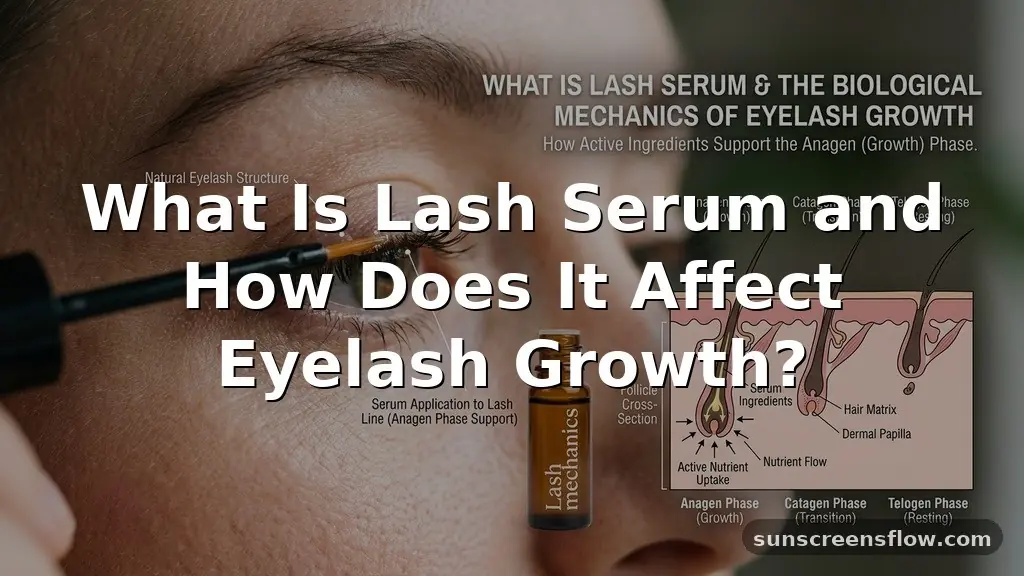
If you have ever found yourself staring into the mirror wishing for longer, fuller, and more dramatic eyelashes without the constant need for heavy mascara or expensive extensions, you have likely encountered the term lash serum. At its core, lash serum is a cosmetic treatment designed to nourish, condition, and sometimes stimulate the growth cycle of your eyelashes. While the beauty market is flooded with various formulas, understanding what is lash serum involves looking past the marketing hype to examine the biological processes of the hair follicle and the specific ingredients that influence how your lashes grow, shed, and recover from daily wear.
The Biological Mechanics of Eyelash Growth
To appreciate how a lash serum functions, one must first understand the natural lifecycle of an eyelash. Unlike the hair on your head, which can grow for years, eyelashes follow a much shorter, more predictable cycle.
This cycle is divided into three distinct phases: the anagen phase (active growth), the catagen phase (transition), and the telogen phase (resting). The length of your lashes is primarily determined by how long the hair follicle remains in the anagen phase.
Most serums are formulated to either extend this growth period or provide the structural building blocks necessary for the hair to reach its maximum potential length before it inevitably falls out. By supplying the follicle with nutrients, these treatments aim to prevent premature shedding and support the health of the eyelash follicle. When you apply a serum, you are essentially creating a supportive environment that allows the follicle to remain active for as long as possible, which directly impacts the visible length and thickness of the fringe.
Core Ingredients and Their Functions
The effectiveness of any lash serum is dictated by its ingredient profile. Modern formulations generally fall into two categories: conditioning-based serums and growth-stimulating serums.
Conditioning serums focus on hydration and structural integrity, while stimulant-based serums aim to alter the growth cycle directly. Common ingredients you will find in high-quality products include:
- Peptides: These short chains of amino acids act as the building blocks of protein, helping to reinforce the lash structure and prevent lash breakage.
- Biotin: A B-vitamin that is widely recognized for its role in supporting keratin production, which is the primary protein making up your eyelashes.
- Panthenol: A provitamin of B5 that acts as a humectant, drawing moisture into the lash shaft to make it appear thicker and more flexible.
- Amino Acids: Essential for building the proteins that keep lashes strong and resilient against environmental stressors like rubbing or makeup removal.
These components work synergistically to improve the overall appearance of the lash line, making the lashes look darker and more resilient lashes over time. When selecting a product, it is vital to read the label, as the concentration of these active ingredients will determine the speed and visibility of your results.
Understanding Prostaglandin Analogues
One of the most powerful and scientifically debated components in the world of lash enhancement is the class of ingredients known as prostaglandin analogues. Originally derived from glaucoma medication, compounds like bimatoprost were found to have a significant side effect: increased eyelash growth. These substances work by extending the anagen phase of the hair follicle, allowing lashes to grow significantly longer and thicker than they would naturally.
Understanding prostaglandin analogues, including their mechanism and potential risks, is essential for any consumer. While highly effective, they are not without controversy. Because they chemically alter the growth cycle, they can lead to unintended consequences if the product migrates into the eye or is used improperly.
Users should be aware that these ingredients are potent and often require a more cautious approach to application. If you have sensitive eyes or a history of ocular conditions, you should consult with a dermatologist or ophthalmologist before incorporating a prostaglandin-based serum into your beauty routine.
Common Side Effects and Safety Considerations
As with any topical treatment applied so close to the eye, safety is paramount. The delicate skin of the eyelid and the sensitive ocular surface can react negatively to certain preservatives or active ingredients. The most common side effects reported by users include mild irritation, redness, and in some cases, eyelid pigmentation, where the skin along the lash line appears slightly darkened.
Ocular irritation is another concern, particularly if the product is applied too liberally or gets directly into the eye. This can manifest as itching, burning, or a sensation of dryness.
Furthermore, some users report a change in eye color, particularly in those with lighter-colored irises, though this is primarily associated with the prescription-strength prostaglandin analogues used in medical settings. To minimize these risks, it is imperative to follow the manufacturer’s instructions precisely, ensuring that the product stays on the lash line and does not seep into the eye itself.
Application Best Practices for Optimal Results

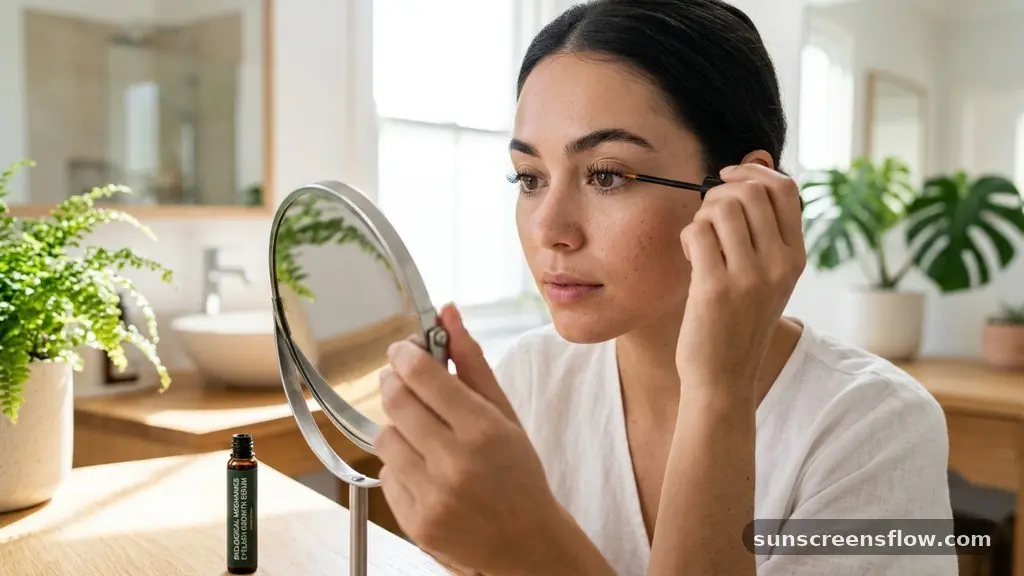
Achieving the best results with a lash serum requires consistency and precision. Most manufacturers recommend applying the product typically at night, once the day’s activities are finished and you have completed your skincare routine. The application surface must be makeup-free skin, as residual eyeliner, mascara, or oily cleansers can create a barrier that prevents the serum from being absorbed by the hair follicles.
Using the provided applicator—usually a fine-tipped brush—you should apply a thin line of the serum directly to the base of your upper eyelashes, similar to how you would apply liquid eyeliner. It is unnecessary to apply the serum to the lower lashes, as the product will naturally transfer to the lower lash line when you blink.
Over-application is a common mistake; using more product does not accelerate results but rather increases the likelihood of runoff and subsequent irritation. Patience is key, as it typically takes four to eight weeks of nightly application to see a noticeable difference.
Managing Expectations and Results
One of the most important aspects of using a lash serum is managing expectations and results. It is important to remember that lash serum is not a miracle cure; it cannot create new hair follicles where none exist.
Instead, it optimizes the health and lifespan of the follicles you already have. Your genetic predisposition plays a significant role in how much length or fullness you can achieve.
Furthermore, results are not permanent. Once you stop using the serum, your eyelashes will eventually return to their natural growth cycle. As the treated lashes shed and are replaced by new ones that haven’t been supported by the serum, your lash line will gradually revert to its baseline appearance.
This maintenance phase is often overlooked, but it is crucial for those who wish to keep their enhanced look. For some, this means transitioning to a less frequent maintenance schedule, while others find that they must continue daily use to sustain the effect.
Comparison of Serum Types
To help you decide which type of serum might be right for your specific needs, the following table outlines the differences between conditioning-based and stimulant-based formulas.
| Feature | Conditioning Serums | Stimulant/Prostaglandin Serums |
|---|---|---|
| Primary Goal | Hydration and breakage prevention | Active growth and length extension |
| Key Ingredients | Peptides, Biotin, Panthenol | Bimatoprost, Prostaglandin Analogues |
| Speed of Results | Slow (8-12 weeks) | Fast (4-8 weeks) |
| Risk Profile | Low irritation potential | Higher risk of redness/pigmentation |
| Availability | Over-the-counter/Cosmetic | Prescription or specialized retail |
By weighing these factors, you can make an informed decision based on your sensitivity levels, desired speed of results, and budget. While stimulant serums offer more dramatic changes, conditioning formulas are often sufficient for those looking to simply maintain the health and appearance of their lashes without the risk of potential side effects.
Addressing Topical Gaps: Natural Alternatives
Many consumers are wary of synthetic chemicals and are searching for natural alternatives to conventional lash serums. While ingredients like castor oil, coconut oil, and vitamin E are popular “folk” remedies, it is important to address the reality of their performance.
These oils act primarily as emollients, coating the lash shaft and preventing moisture loss, which can indeed make lashes appear healthier and slightly thicker due to the coating effect. However, they lack the biological ability to stimulate the eyelash follicle or significantly extend the anagen phase in the way that peptide complexes or prostaglandin analogues do.
If you choose a natural route, focus on high-quality, cold-pressed oils and be extremely careful about hygiene. Oils can harbor bacteria if the applicator is not kept clean, and they can also lead to milia (small white bumps) if they are too heavy or comedogenic for the delicate skin around your eyes. While natural oils are excellent for conditioning, they should be viewed as a supplement to lash health rather than a direct substitute for a scientifically formulated serum if your goal is significant growth.
Frequently Asked Questions
Does a lash serum actually work?
Yes, lash serums can be effective, though the degree of success depends on the ingredients. Serums containing prostaglandin analogues are clinically proven to increase length and volume by extending the growth cycle, while peptide-based formulas focus on strengthening existing hairs and preventing breakage for a fuller appearance.
Is it okay to use lash serum every day?
Most manufacturers recommend daily use during the initial phase to see results. Once you have reached your desired lash length, some people switch to an every-other-day maintenance routine. However, you should always follow the specific instructions provided on the packaging to avoid potential irritation.
What are the downsides of eyelash serum?
The most common downsides include mild irritation, redness, and sensitivity around the eyelid. Some users may experience temporary darkening of the skin along the lash line. In rare cases, especially with stronger formulas, there is a risk of changes in iris pigmentation or permanent ocular irritation.
Do lashes go back to normal after lash serum?
Yes, the effects are not permanent. Because your eyelashes are constantly shedding and regenerating, once you stop using the serum, the follicles will return to their natural growth cycle. Within a few months, your lashes will eventually return to their original length and thickness.
Conclusion
Understanding what is lash serum is about balancing the desire for enhanced beauty with a realistic grasp of biological science. Whether you opt for a peptide-rich conditioning treatment to bolster your existing lashes or a potent prostaglandin analogue to actively stimulate growth, the key to success is patience, consistency, and safety.
By prioritizing clean application, monitoring for any signs of irritation, and maintaining realistic expectations regarding your genetic potential, you can safely navigate the world of lash enhancement. Always remember that your lashes are a delicate feature; treating them with the right nutrients and care will ensure that they remain healthy, resilient, and beautiful for the long term.


