

Facial serums are often misunderstood as merely an optional extra in a beauty routine, but they are actually the heavy lifters of modern skincare. When you ask what does serum do for your face, the short answer is that it delivers a concentrated dose of active ingredients directly into the deeper layers of the skin.
Unlike standard lotions or creams, which are designed primarily to sit on the surface and create a protective seal, serums are engineered with a lower molecular weight. This allows them to penetrate the stratum corneum—the outermost layer of the skin—more effectively, bypassing the limitations of heavier emollients to address specific concerns like hyperpigmentation, dehydration, or loss of elasticity.
The Science of Serum Absorption and Delivery
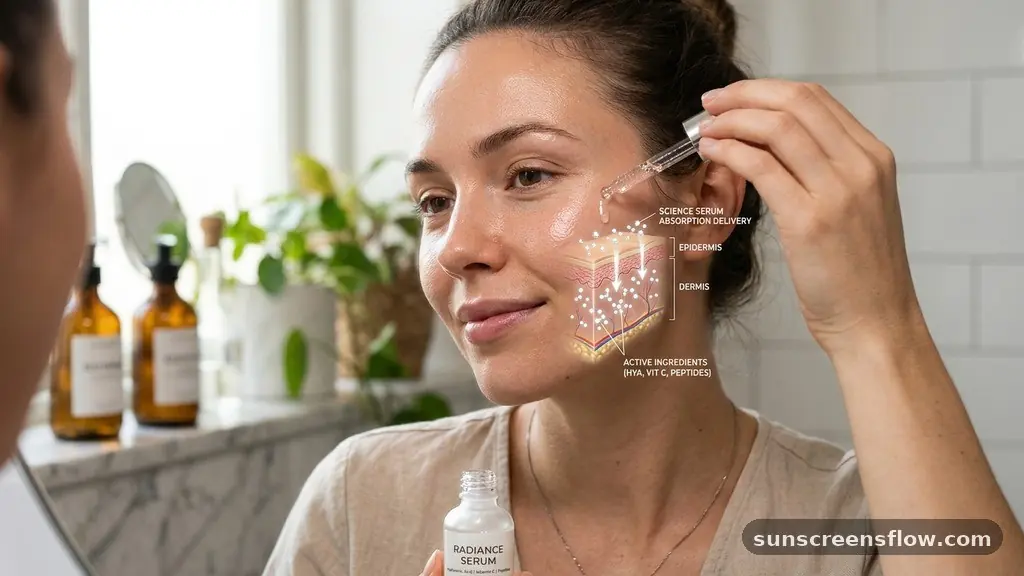
To understand the efficacy of a serum, one must first consider the physics of skin penetration. Most moisturizers contain larger molecules that remain on the surface to prevent trans-epidermal water loss (TEWL).
In contrast, a well-formulated serum is designed to be lightweight and fast-absorbing. The absorption rate of a serum is significantly higher than that of a cream because it lacks the heavy occlusives—like petrolatum or heavy waxes—that might otherwise impede the delivery of potent compounds.
When you apply a serum, you are essentially providing your skin with a delivery system for high-performance molecules. Whether you are using hyaluronic acid to bind moisture to the cells or niacinamide to regulate sebum production, the serum acts as a vehicle. Because these products are free from the fillers found in thicker creams, they can contain higher percentages of functional ingredients.
This makes them the primary tool for anyone looking to make a measurable, dermatological change to their skin’s appearance. Think of the serum as the “treatment” phase of your routine, while the moisturizer serves as the “protection” phase.
Targeting Hyperpigmentation and Dark Spots
One of the most common reasons people incorporate serums into their daily regimen is to combat dark spots and uneven skin tone. Hyperpigmentation occurs when melanin production goes into overdrive, often due to sun exposure, inflammation, or hormonal fluctuations. Serums containing vitamin C are widely considered the gold standard for this issue. Vitamin C is a powerful antioxidant that not only brightens the complexion but also inhibits the enzyme tyrosinase, which is responsible for the formation of excess pigment.
Beyond vitamin C, other ingredients like alpha arbutin, kojic acid, and azelaic acid are frequently found in targeted brightening serums. These ingredients work by gently disrupting the pigment-producing process without the harsh side effects associated with prescription-strength bleaching agents.
When used consistently, these serums help to fade existing spots while preventing new ones from surfacing. It is important to note that because these serums often contain potent actives, they are best applied on clean, dry skin before any heavier products are layered on top to ensure maximum contact with the target areas.
Boosting Collagen Production and Anti-Aging
If your primary goal is to address fine lines and sagging skin, your serum should focus on stimulating collagen production. Collagen is the structural protein that keeps skin firm and plump, but production naturally declines as we age.
Serums containing retinol—a derivative of vitamin A—are the most effective over-the-counter option for this purpose. Retinol works by accelerating cell turnover and signaling the deeper layers of the dermis to produce more collagen, effectively smoothing out texture and reducing the appearance of wrinkles over time.
In addition to retinol, peptides have become a staple in anti-aging formulations. Peptides are short chains of amino acids that act as building blocks for proteins like collagen and elastin. By applying peptides topically, you are essentially sending a “signal” to your skin that it needs to repair itself.
This communication loop is vital for maintaining a youthful, resilient complexion. When combined with antioxidants that neutralize free radicals, these serums form a comprehensive defense system against the environmental stressors that accelerate the aging process.
Managing Hydration and the Skin Barrier
While some serums are designed for treatment, others are designed for pure replenishment. Hyaluronic acid is the most famous example of a humectant serum. It has the unique ability to hold up to 1,000 times its weight in water, pulling moisture from the air and the deeper layers of the skin to the surface. This is essential for maintaining the integrity of the skin barrier, which is your primary defense against irritants, bacteria, and pollutants.
When the barrier is compromised, the skin loses water rapidly, leading to a dull, tight, and flaky appearance. Integrating a hydrating serum is not just about aesthetics; it is about physiological health.
By reinforcing the barrier with ingredients like ceramide complexes or panthenol, you reduce the risk of irritation and inflammation. Using a serum that supports the barrier is particularly important for individuals who use active treatments like acids or retinoids, as these can sometimes disrupt the skin’s natural lipid mantle.
Addressing Acne-Prone Skin with Specialized Serums
For those dealing with breakouts, the question of what does serum do for your face takes on a clinical tone. Traditional acne treatments can be drying, leading to a cycle of irritation that actually exacerbates blemishes.
Serums designed for acne-prone skin often utilize salicylic acid, a beta-hydroxy acid (BHA) that is oil-soluble. This allows it to penetrate deep into the pores, dissolving the “glue” that holds dead skin cells and sebum together.
Because these serums are typically non-comedogenic, they provide the benefits of exfoliation without clogging the follicles. Unlike a harsh physical scrub, which can cause micro-tears in the skin, a salicylic acid serum offers a refined, controlled form of exfoliation.
This helps to clear existing blackheads and whiteheads while preventing future congestion. When searching for the right serum for acne, look for formulas that also include soothing agents like centella asiatica or green tea extract to balance the potency of the acids.
Comparing Serum Types by Function
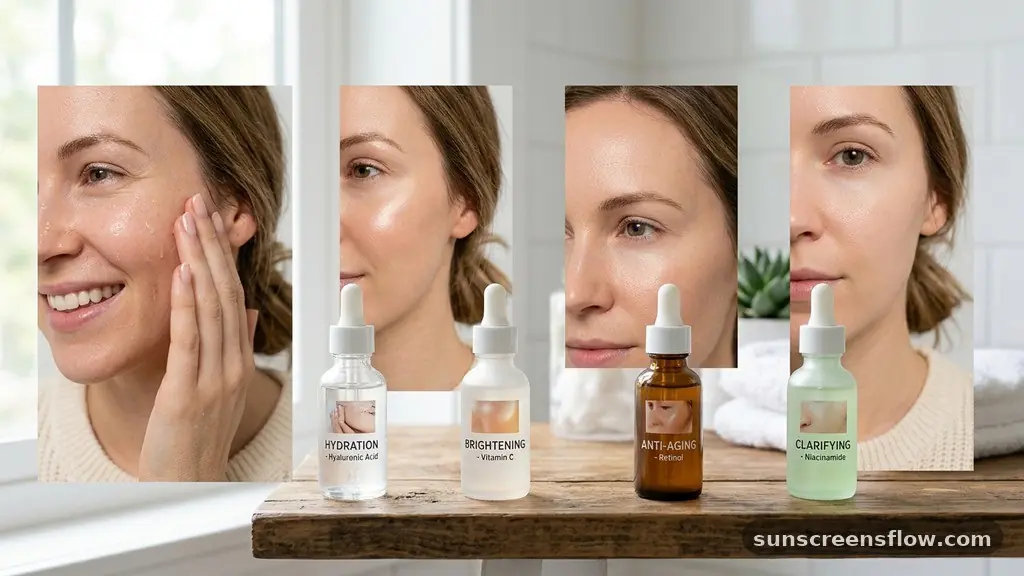
Understanding which serum to pick requires looking at the specific goals you have for your skin. The following table illustrates how different categories of serums address various skin concerns.
| Serum Type | Primary Ingredient | Key Benefit | Best For |
|---|---|---|---|
| Hydrating | Hyaluronic Acid | Moisture retention | All skin types, especially dry/dehydrated |
| Brightening | Vitamin C | Reduced hyperpigmentation | Dullness and sun damage |
| Anti-Aging | Retinol/Peptides | Increased collagen production | Fine lines and loss of firmness |
| Clarifying | Salicylic Acid | Pore decongestion | Acne-prone and oily skin |
The Role of Oil-Based Serums
While most people associate serums with water-based, gel-like textures, oil-based serums are a crucial category, especially for those with dry or mature skin. These serums are often formulated with plant-derived oils like rosehip, jojoba, or squalane.
Unlike heavy moisturizers, oil serums are designed to be light enough to penetrate the skin rather than just sitting on top. They provide essential fatty acids that mimic the skin’s natural sebum, helping to lock in moisture and soothe inflammation.
These serums are particularly beneficial during the winter months or in dry climates. They can be used as the final step in a skincare routine to provide an occlusive layer that prevents moisture from escaping, or they can be mixed with a water-based serum to create a custom treatment. Because they are rich in lipids, they help to restore a compromised barrier and improve overall skin texture, leaving the face feeling supple and glowing rather than greasy.
Common Myths and Topical Gaps
There is a prevalent myth that serums are only for people with “problematic” skin. In reality, everyone can benefit from a serum because everyone is exposed to environmental stressors like pollution and UV radiation. Another common misconception is that you need to use a dozen different serums at once.
This “layering” approach can often lead to irritation and actually decrease the effectiveness of the products. The key is to focus on a few well-researched actives that address your specific needs.
A significant gap in current knowledge is the importance of timing. Many people apply their serums to damp skin, which can sometimes lead to increased penetration of certain actives, potentially causing irritation.
Conversely, applying a serum to skin that is too dry might prevent the ingredients from spreading evenly. The “sweet spot” is usually applying a serum to skin that is slightly hydrated but not soaking wet, allowing for a smooth application without compromising the potency of the ingredients.
Guidelines for Daily Integration
Integrating a serum into your daily routine is a simple process, but order matters. Always follow the rule of applying products from the thinnest consistency to the thickest. Typically, your routine should look like this:
- Cleanser: To remove dirt, oil, and impurities.
- Toner (Optional): To balance the pH of the skin.
- Serum: The treatment phase where active ingredients are applied.
- Moisturizer: To seal in the serum and provide hydration.
- Sunscreen (Morning Only): To protect the skin from UV damage.
It is important to remember that consistency is the most critical factor. Unlike a cleanser, which provides immediate gratification, a serum is a long-term investment. Ingredients like vitamin C or retinol take weeks, sometimes months, to show visible results.
Patience is required, as the skin needs time to complete its natural turnover cycle. If you are starting a new serum, it is also wise to perform a patch test on your inner arm to ensure you do not have an adverse reaction to the concentrated actives.
Maximizing Results with Professional Guidance
While many high-quality serums are available over the counter, there is significant value in seeking professional dermatological advice. A dermatologist can help you identify your skin type and specific concerns, ensuring that you aren’t wasting money on products that aren’t suitable for your complexion. For example, using a high-strength retinol might be unnecessary if you only have mild fine lines, and using a heavy oil-based serum could trigger breakouts if you are already prone to acne.
Furthermore, professionals can guide you on how to combine ingredients safely. Some actives, like vitamin C and retinol, can be irritating when used at the same time, while others, like niacinamide and hyaluronic acid, work beautifully together.
By understanding the chemical compatibility of your products, you can build a routine that is not only effective but also sustainable. Remember that your skin’s needs will change over time due to age, environment, and health factors, so your choice of serum should be re-evaluated periodically.
FAQ: Common Inquiries About Face Serums
Is it good to use face serum daily?
Yes, using a face serum daily is highly recommended for visible results. Because serums contain concentrated active ingredients, consistent application is necessary to see improvements in skin tone, texture, and hydration. However, ensure the serum you choose is appropriate for your specific skin type and needs.
Do I need both serum and moisturizer?
Yes, they serve different purposes. A serum is designed to deliver active ingredients deep into the skin to treat specific concerns, while a moisturizer is formulated to hydrate the surface and create a protective barrier to lock in moisture. Using both ensures your skin is treated and protected.
What are the disadvantages of using serum?
The primary disadvantage is the potential for irritation if the product is too potent or not suited for your skin type. Additionally, high-quality serums can be expensive. Always perform a patch test first and introduce new products slowly to monitor how your skin reacts to the active ingredients.
Can serum remove dark spots?
Yes, serums containing brightening ingredients like vitamin C, kojic acid, or azelaic acid can effectively reduce the appearance of dark spots. These ingredients inhibit melanin production and promote cell turnover. While they can fade hyperpigmentation, consistent use and daily sun protection are essential for achieving the best results.
Conclusion
Ultimately, understanding what does serum do for your face allows you to move beyond basic cleansing and moisturizing into a more refined skincare strategy. Serums are the bridge between simple maintenance and active transformation, providing the targeted support necessary to address complex issues like fine lines, hyperpigmentation, and dehydration. By selecting products based on your unique profile and applying them in the correct order, you can significantly enhance the health and appearance of your complexion.
Whether you are seeking the protective benefits of antioxidants or the structural support of peptides, the right serum is a powerful ally in your pursuit of long-term skin vitality. Remember to remain consistent, prioritize barrier health, and consult with a professional if you are unsure about which actives will best serve your skin’s evolving needs.