

Deciding whether you should use a serum with red light therapy is a common dilemma for anyone trying to maximize their skincare results. While the primary goal of LED light therapy is to trigger cellular repair, the order and choice of products can significantly influence how well your skin responds to the treatment. Applying the wrong substance might block the light, while the right formula could potentially boost your outcomes.
By understanding the interaction between light waves and your skin’s surface, you can better determine which products belong in your routine. This article breaks down the science behind these interactions to help you make an informed decision for your daily regimen.
The Science of Photobiomodulation and Topical Absorption
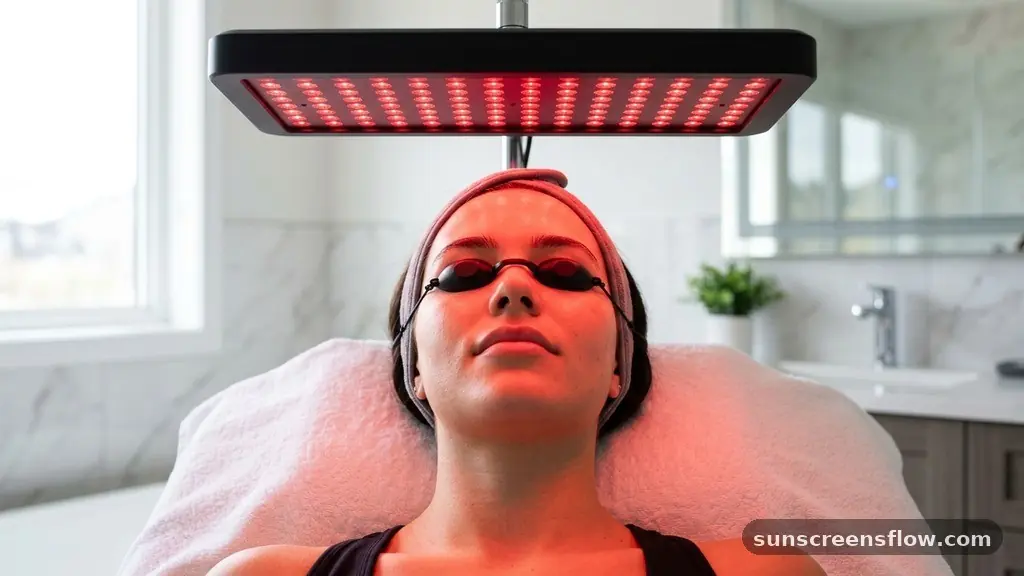
At its core, red light therapy relies on photobiomodulation, a process where specific wavelengths of light penetrate the skin to influence cellular function. When these light waves reach the dermis, they trigger mitochondrial stimulation, which essentially gives your cells a power boost. This surge in energy encourages faster cell turnover and enhanced collagen production.
Because the efficacy of this process depends on the light reaching the target cells without obstruction, the state of your skin surface becomes a critical variable. Anything sitting on your skin acts as a filter, potentially scattering or absorbing the energy before it ever reaches the intended depth.
When you think about topical skincare in the context of light therapy, you have to consider light scattering and reflectivity. If you apply a thick, opaque cream, you are physically blocking the light from entering the skin. However, thin, translucent formulas might allow light to pass through with minimal interference.
The goal is to ensure that the wavelength efficacy of your device isn’t compromised by a heavy barrier. Most experts suggest that for the light to be most effective, it should interact with clean, bare skin. This ensures that the energy is absorbed directly by the mitochondria rather than being wasted on the ingredients sitting on the surface.
Why Bare Skin Often Beats Layered Products
Many users wonder if they are missing out on an opportunity to “supercharge” their skin by applying products before a session. While the idea of driving ingredients deeper into the skin using light sounds promising, the reality is often more complex. The primary concern with applying any serum before LED light therapy is that it may interfere with the transmission of the light.
If your serum contains pigments, dyes, or thickeners, it can scatter the light, reducing the amount of energy that actually reaches the tissue. Furthermore, some ingredients that are perfectly safe under normal conditions might behave differently when exposed to intense, concentrated light.
There is also the issue of transdermal absorption versus surface interference. While light therapy can theoretically increase blood flow and potentially help ingredients absorb better, applying them after the treatment is generally safer and more effective. By using your light device on clean, dry skin, you guarantee that the light is doing its job without interference.
Once the session is over, your skin is primed and ready to soak up the nutrients from your favorite products. This sequence—cleanse, treat with light, then apply serums—is the gold standard for most dermatological routines because it respects the physical needs of both the device and your skincare products.
Ingredients to Avoid During Light Exposure
Not all skincare components are compatible with the high-energy environment of a light therapy session. You should be especially cautious with light-sensitive ingredients that might degrade or cause a reaction when hit with concentrated beams. Retinol, for example, is notoriously temperamental.
While it doesn’t necessarily become “toxic” under red light, the heat and energy from the device can sometimes cause unnecessary irritation or redness. It is usually best to keep your retinoids for your evening routine, completely separated from your light therapy sessions to avoid any potential sensitivity or discomfort.
Another category to watch out for involves ingredients that might cause photosensitivity. While red light itself is not typically photosensitizing, some active ingredients can make your skin more reactive to various light sources. If you are using a serum containing exfoliating acids like AHAs or BHAs, applying them immediately before using facial devices is a recipe for inflammation.
These acids thin the outer layer of the skin, making it more vulnerable. To be safe, avoid any product that could potentially trigger a reaction until after your treatment is finished. The following table highlights common ingredients and their general compatibility with the timing of your light therapy sessions.
| Ingredient Category | Best Timing | Reasoning |
|---|---|---|
| Hyaluronic Acid | After treatment | Non-reactive, aids hydration post-session. |
| Retinol | Evening only | May cause irritation if used with heat/light. |
| Vitamin C | After treatment | Can be unstable when exposed to high-intensity light. |
| Niacinamide | After treatment | Best absorbed into calm, post-treatment skin. |
The Role of Hydration and Skin Barrier Health
Maintaining a healthy skin barrier is essential for seeing long-term results from any light-based treatment. If your skin is dehydrated, it becomes less permeable and more prone to irritation.
Many people choose to use a light, water-based serum after their session to lock in moisture and soothe the skin. Hyaluronic acid is a fantastic choice here because it is simple, effective, and lacks the complex additives that might interfere with light absorption. By focusing on hydration after the light has done its work, you support the recovery phase of the cellular repair process that the therapy initiated.
Avoid heavy occlusives or oils right before you turn on your device. Oily substances can form a film that reflects light away from the skin, effectively rendering your expensive equipment less useful. If you find your skin feels tight or dry while using your light device, consider using a gentle, hydrating toner that absorbs completely before you begin.
The goal is to move from a state of “prep” to “treatment” and finally to “recovery.” By keeping these phases distinct, you prevent the ingredients from compromising the hardware and vice versa.
Strategic Timing for Active Ingredients
The order of your skincare routine determines the success of your anti-aging efforts. If you are using potent actives like vitamin C or niacinamide, it is almost always better to incorporate them into your routine after the light therapy is complete.
These ingredients work best when they can penetrate the skin barrier and interact with the tissue directly, without the potential interference of light waves. Think of the red light therapy as a catalyst for cellular activity and your serums as the fuel that supports that activity.
When you apply a serum after the session, the heat from the light has likely increased local circulation. This can theoretically assist in the absorption of your topicals. Because your pores are clear and your skin is warm, the serum penetration is often deeper and more efficient than it would be on cold, untreated skin.
This is a much more strategic approach than trying to layer products underneath the light. By following this sequence, you are effectively using the light to prepare your skin to receive the maximum benefit from your high-quality serums.
Addressing Common Topical Gaps
A frequent point of confusion is whether certain “activation serums” sold by device manufacturers are actually necessary. Many brands claim their specific formulas are designed to work with their devices. In reality, most of these are simply basic, clear, water-based gels.
While these won’t hurt your results, they are rarely required for the light to function. The marketing behind “activation” often conflates the need for a conductive medium in EMS or microcurrent devices with the needs of LED light therapy. LED therapy does not require conductivity; it requires transparency.
If you feel you must use a product during the light therapy, ensure it is completely transparent and free of heavy silicones or dyes. However, the most comprehensive approach is to avoid the “activation” marketing traps and stick to a clean-skin protocol. By doing so, you avoid the risk of pore clogging or ingredient degradation.
Focus your budget on high-quality serums that you apply after the device is turned off. This ensures that you are getting the full, uninhibited benefit of the light while also providing your skin with the specific nourishment it needs to repair itself.
Understanding Wavelength Efficacy and Skin Depth
The depth of penetration for red light is determined by the wavelength, not by the products you apply. Most effective devices use specific wavelengths in the 630nm to 660nm range to target the mitochondria. If you apply a serum that is opaque or tinted, you are effectively reducing the intensity of that light.
This is why “should I use a serum with red light therapy” is such a vital question. Even a slight decrease in light transmission can lead to diminished results over time.
Think of your skin as a filter. If you have a clear, thin serum, the light passes through with minimal disruption. If you have a thick, creamy moisturizer, the light is reflected or absorbed by the product before it reaches your skin cells.
This is a simple matter of physics. To get the best results, you need to maximize the photons that reach the target cells.
Keep your skin clean, dry, and free of any reflective or absorbing substances while the device is in operation. This commitment to a clean treatment surface is the best way to ensure your device performs as advertised.
Best Practices for a Holistic Routine
To integrate light therapy into your life successfully, think of it as a bridge between cleansing and moisturizing. Start by washing your face with a gentle cleanser to remove any dirt, oils, or residue from the day. Once your face is dry, perform your non-invasive treatment with your red light device.
After the session is complete, your skin will be warm and receptive. This is the perfect time to apply your peptides, antioxidants, or hydrating serums. By following this specific order, you create a synergy where the light stimulates the cells, and the post-treatment serums provide the necessary nutrients for the repair process.
Don’t feel the need to overcomplicate your routine. The most successful users are often those who keep their steps simple and consistent. Focus on high-quality, stable ingredients that support long-term skin health rather than looking for a quick fix or a “magic” serum.
Consistency with the device is far more important than the specific product you use immediately afterward. If you find that a particular serum makes your skin feel better, use it consistently after your sessions, but keep the device time reserved for clean skin.
- Cleanse your face thoroughly before starting the session to ensure maximum light penetration.
- Avoid using thick creams or oils before treatment, as they can reflect or absorb the light.
- Use light-weight, water-based serums only after the light therapy is finished.
- Keep your device lenses clean to ensure the light output remains consistent.
- Schedule your use of strong actives like retinol for times when you are not using the light device.
- Be consistent with your sessions to see the best results for skin rejuvenation.
Frequently Asked Questions
It is significantly better to apply your serum after your red light therapy session. Using a product beforehand can create a physical barrier that scatters the light, preventing it from effectively penetrating the skin and reaching the mitochondria where the work happens.
Can I use vitamin C with red light therapy?
You should avoid using vitamin C immediately before your session. Because vitamin C can be unstable and potentially reactive when exposed to concentrated light and heat, it is safer and more effective to apply it after your treatment is finished, when your skin is primed for absorption.
What ingredients should I avoid using with LED devices?
Avoid heavy, opaque creams, oils, or products containing pigments, as these interfere with light transmission. Additionally, steer clear of potent exfoliating acids or strong retinoids immediately before treatment, as these can increase skin sensitivity and lead to irritation when combined with the device’s light energy.
Do I need a special activation serum for my device?
Generally, you do not need a special activation serum. Most devices work perfectly well on clean, bare skin. Marketing claims suggesting you need a specific brand’s serum are often unnecessary, as these products are usually just standard hydrators that should be applied after the treatment anyway.
Final Thoughts on Enhancing Results
Deciding whether you should use a serum with red light therapy comes down to prioritizing the physics of light transmission. By keeping your skin clean during the treatment, you ensure that your device functions at its peak efficiency, allowing for optimal skin rejuvenation. Once the session concludes, your skin is in the perfect state to benefit from the topical nutrients in your favorite serums.
This two-step process respects both the technology and your skin’s unique needs. By avoiding heavy barriers and keeping your active ingredients for the recovery phase, you create the conditions necessary for real, visible improvement. Stick to a consistent routine, keep your skin clean during your treatments, and you will see the best possible return on your investment in your skincare journey.


