


Maintaining a healthy scalp is the foundational step toward achieving vibrant, resilient hair. Many people focus exclusively on the hair shaft, applying oils and masks to improve shine or texture, yet they neglect the very soil from which their hair grows. A scalp serum functions as a targeted treatment designed to nourish, balance, and protect the skin on your head.
By delivering concentrated active ingredients directly to the roots and skin, these products address specific issues ranging from dryness and irritation to thinning and lack of volume. Understanding what does scalp serum do involves looking beyond the surface to the complex biological environment of the hair follicle.
The Biological Role of Scalp Serums in Hair Health
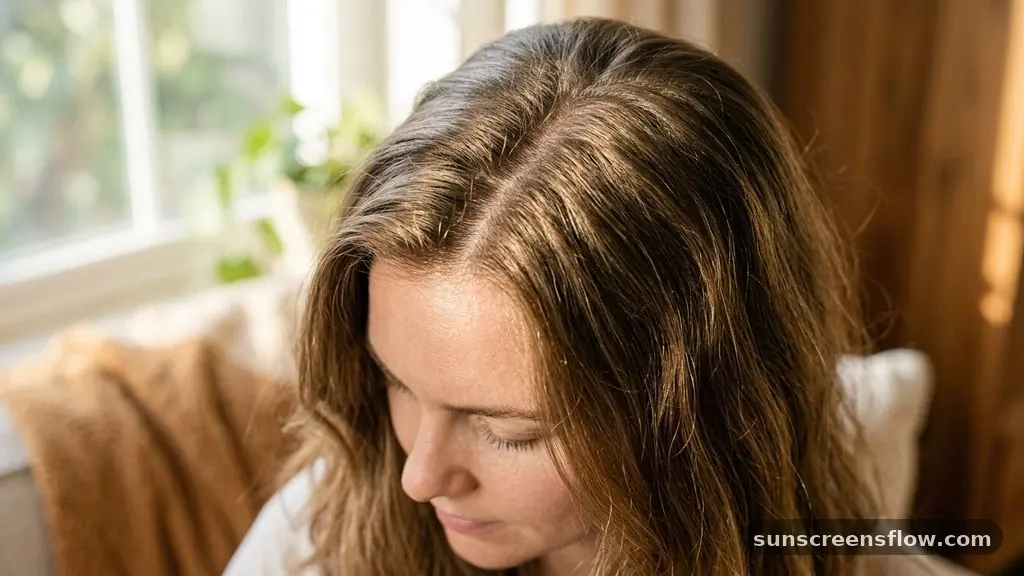
At its core, a scalp serum is formulated to enhance the environment of the hair follicle. The skin on your head is a unique ecosystem, containing a high density of hair follicles and sebaceous glands. When this ecosystem becomes unbalanced, it leads to various dermatological challenges.
A well-formulated serum works by hydrating the skin barrier, which is essential for maintaining a healthy pH and preventing transepidermal water loss. When the scalp barrier is compromised, it can manifest as itching, flaking, or excessive sensitivity.
These serums are often lightweight and non-greasy, specifically engineered to absorb quickly without leaving residue on the hair strands. By penetrating the upper layers of the epidermis, the active components can influence the dermal papilla—the cluster of cells at the base of the hair follicle that regulates hair growth.
When these cells are well-nourished and protected from oxidative stress, the hair produced is generally stronger and less prone to breakage. Furthermore, by managing the scalp microbiome, these treatments prevent the overgrowth of fungi or bacteria that can cause dandruff and other chronic inflammatory conditions.
Addressing Common Scalp Concerns with Targeted Ingredients
To understand what does scalp serum do, one must examine the specific chemistry of the ingredients included in modern formulations. Different serums are designed to solve different problems, and identifying your specific need is crucial for success.
For instance, if you are struggling with sebum regulation, you might look for a product containing salicylic acid. This beta-hydroxy acid acts as a chemical exfoliant, dissolving the buildup of dead skin cells and excess oil that can clog follicles and hinder growth.
On the other hand, individuals dealing with a dry scalp require intense hydration. Ingredients like hyaluronic acid are staples in these products because of their ability to hold significant amounts of water, keeping the skin supple and hydrated. For those concerned about inflammation or redness, niacinamide is a powerhouse ingredient.
It helps to soothe the skin, strengthen the barrier, and reduce the appearance of irritation. By tailoring the ingredient list to the specific concern, users can effectively recalibrate their scalp health, ensuring that the environment is optimal for healthy hair production.
The Science of Follicle Stimulation and Hair Growth
One of the most popular reasons for using these treatments is to support the hair growth cycle. The cycle consists of three main stages: the anagen (growth) phase, the catagen (transition) phase, and the telogen (resting) phase.
Many scalp serums are designed to prolong the anagen phase, effectively keeping the hair in a growth state for longer. Caffeine is a widely researched ingredient in this category. It has been shown to stimulate blood flow to the scalp and counteract the effects of dihydrotestosterone (DHT) in the follicle, which is a primary driver of hair thinning in genetically predisposed individuals.
In addition to caffeine, many modern serums utilize peptides. These short chains of amino acids act as signaling molecules, communicating with the follicles to encourage the production of structural proteins like keratin. By supporting the health of the follicle at a cellular level, these serums can lead to improvements in hair density over time.
It is important to note that these results are not instantaneous. Because the hair growth cycle is slow, consistency is key. Users must integrate these products into their routine for several months to see visible changes in the thickness and fullness of their hair.
Comparing Scalp Serum Types by Primary Function
When selecting a product, it is helpful to categorize them based on their intended goal. While many products offer a multi-faceted approach, most have a primary focus.
| Category | Primary Ingredients | Key Benefit |
|---|---|---|
| Exfoliating Serums | Salicylic Acid, Glycolic Acid | Removes buildup and unclogs follicles. |
| Hydrating Serums | Hyaluronic Acid, Aloe Vera | Soothes dryness and repairs the barrier. |
| Growth/Density Serums | Caffeine, Peptides, Minoxidil | Stimulates follicles and increases density. |
| Soothing Serums | Niacinamide, Tea Tree Oil | Reduces inflammation and sensitivity. |
This comparison highlights that the “best” serum depends entirely on your current scalp condition. A person with an oily scalp that is prone to dandruff will see no benefit from a heavy, oil-based hydrating serum, while someone with a dry, tight scalp will find an exfoliating serum with high acid concentrations to be irritating rather than helpful.
Application Best Practices for Maximum Efficacy
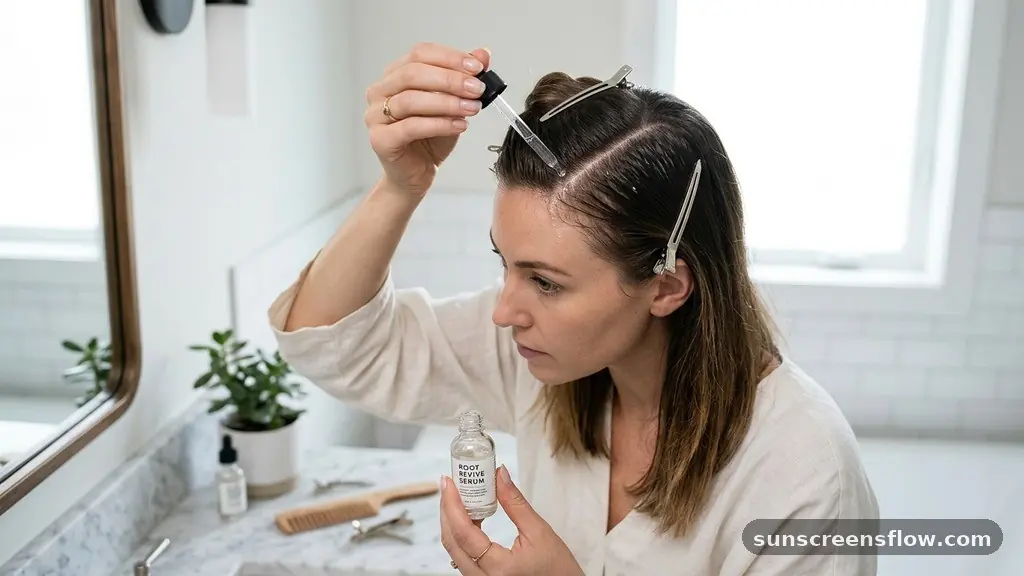
Knowing how to apply the product is just as important as choosing the right one. Application best practices dictate that you should always start with a clean or relatively clean scalp to ensure the active ingredients can penetrate effectively. If you have significant product buildup from styling gels, sprays, or dry shampoo, the serum will simply sit on top of the residue, rendering it ineffective.
To apply, use the dropper or applicator tip to place the serum directly onto the scalp in sections, moving from the front hairline to the nape of the neck. Once the product is applied, perform a gentle scalp massage using your fingertips. This serves two purposes: it ensures even distribution of the formula and physically stimulates blood circulation to the area.
Increased blood flow brings more nutrients and oxygen to the hair follicles, which works synergistically with the active ingredients in the serum. After application, leave the product on—most serums are designed as leave-in treatments—and allow it to absorb fully before styling your hair as usual.
The Impact of Scalp Microbiome on Hair Health
The scalp is home to a diverse community of microorganisms, including bacteria and fungi like Malassezia. When this scalp microbiome is in balance, it protects the skin from pathogens and maintains the integrity of the skin barrier.
However, factors such as stress, hormonal fluctuations, poor diet, and harsh chemical treatments can disrupt this balance. When the microbiome becomes dysbiotic, it can lead to conditions like seborrheic dermatitis, which causes flaking and itching.
Scalp serums that include prebiotics or postbiotics are becoming increasingly popular because they help foster a healthy environment for the “good” microbes. By supporting the natural defense mechanisms of the scalp, these serums prevent the overgrowth of harmful organisms.
This is particularly important for people who experience chronic sensitivity, as a disrupted microbiome is often a precursor to a reactive, easily irritated scalp. Maintaining a healthy microbiome is essentially the invisible work that keeps your scalp feeling comfortable and looking clear.
Addressing Topical Gaps: Myths vs. Reality
There is significant misinformation regarding what these products can actually accomplish. A common misconception is that a serum can “cure” genetic hair loss overnight.
It is vital to manage expectations: while a serum can create the optimal environment for growth and potentially improve the appearance of hair density, it cannot override deep-seated genetic factors or cure systemic illnesses that cause hair shedding. If you are experiencing sudden, patchy hair loss, a serum is not a substitute for a medical consultation with a dermatologist.
Another common gap in public knowledge is the difference between an oil and a serum. Many people confuse the two. An oil is primarily occlusive, designed to seal in moisture on the hair shaft or scalp.
A serum, conversely, is usually water-based or a light emulsion designed to deliver active, water-soluble ingredients into the skin. If you are struggling with heavy, limp hair, you should prioritize serums, as they are formulated to provide treatment without the weight and potential pore-clogging nature of heavy botanical oils.
Consistency is Key: The Timeline of Results
The most frequent mistake users make is abandoning a product after only a few weeks. Because hair growth follows a biological cycle, the effects of a scalp serum are cumulative. When you start using a serum, you are essentially “investing” in the hair that will emerge from your follicles in the coming months.
* Weeks 1–4: You may notice an immediate improvement in scalp comfort, reduced itching, or less flaking as the barrier is hydrated and soothed.
* Weeks 4–8: Exfoliating serums will show clearer, healthier-looking skin. You might notice less buildup and a slightly cleaner feel to the roots of your hair.
* Months 3–6: If you are using a growth-focused serum, this is the window where you might begin to see improvements in hair density and reduced shedding, as the follicles have had time to respond to the stimulation.
Patience is a required component of any hair care regimen. If you stop using the product, the benefits will eventually fade, as the scalp will return to its baseline state without the active support provided by the serum.
Conclusion: Integrating Serums into Your Routine
To conclude our exploration of what does scalp serum do, it is clear that these products serve as the essential link between skin health and hair vitality. By addressing the scalp as living, breathing skin, you are creating a foundation that allows your hair to grow stronger, healthier, and more resilient. Whether you are aiming to combat dandruff, soothe sensitivity, or improve hair density, there is a specialized formula designed to meet those needs.
The most successful hair care routines are those that treat the scalp with the same level of care as the skin on the face. By selecting high-quality ingredients like salicylic acid for exfoliation, hyaluronic acid for hydration, or peptides for growth stimulation, you are taking a proactive step toward long-term hair health.
Remember that consistency is key; by making scalp care a regular, non-negotiable part of your routine, you ensure that your hair has the best possible environment to flourish. While these products are not magic wands, they are powerful tools in any beauty arsenal, provided they are chosen wisely and used with the right expectations and application techniques.
Frequently Asked Questions
Does scalp serum actually work?
Yes, scalp serums work by delivering concentrated active ingredients directly to the hair follicles and the skin barrier. While they cannot override genetics, they are highly effective at improving scalp health, reducing inflammation, clearing buildup, and creating an optimal environment for existing hair to grow stronger and thicker.
When should I use a scalp serum?
For best results, use a scalp serum consistently as part of your regular hair care routine. Most products are designed to be applied to a clean, damp, or dry scalp. If you are using an exfoliating serum, use it once or twice weekly; hydrating or growth serums can often be used daily.
Do I put serum on wet or dry hair?
It is generally best to apply scalp serum to a clean, damp scalp after washing, as the skin is more receptive to absorption. However, many leave-in formulas are specifically designed to be applied to dry hair as well. Always check the specific instructions on your product label for the best results.
Can I use scalp serum if I have oily hair?
Absolutely. In fact, many people with oily hair benefit significantly from scalp serums. Look for lightweight, water-based formulas containing ingredients like salicylic acid, which help regulate sebum production and clear out the follicles. Avoid heavy oil-based serums, as they may make your hair feel greasy faster.


