

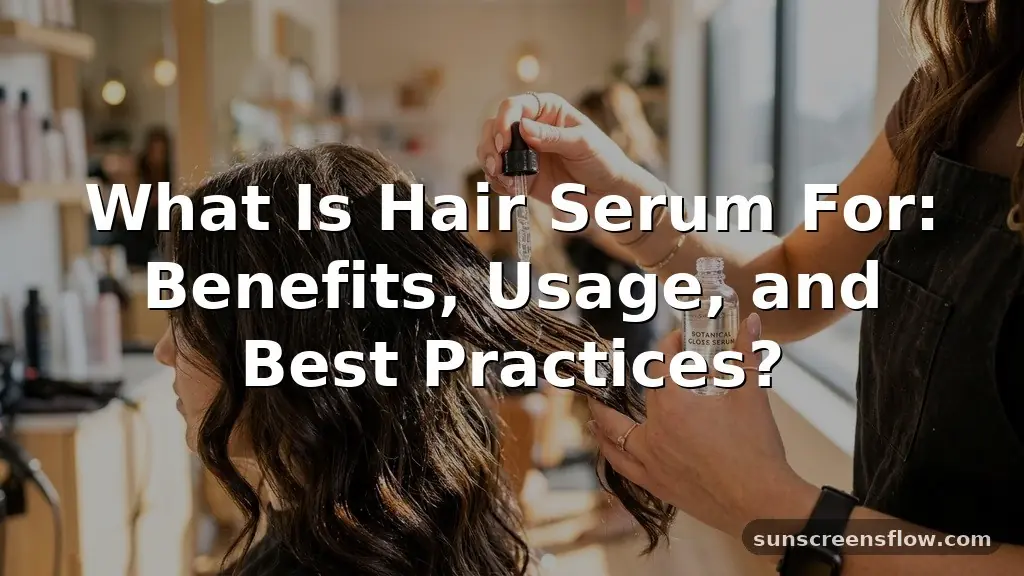
At its core, a hair serum is a highly concentrated styling product designed to coat the surface of your strands rather than penetrate deep into the cortex like a conditioner or mask. Many people often confuse serums with oils or leave-in conditioners, but the primary purpose of a serum is to provide an immediate, visible improvement to the appearance and texture of the hair.
Whether you are dealing with persistent frizz control issues, dullness, or the aftermath of aggressive heat styling, a quality serum acts as a protective barrier against external stressors. By understanding exactly what is hair serum for, you can better tailor your hair care routine to address specific concerns like hair smoothness, shine enhancement, and general hair manageability.
Understanding the Composition of Hair Serums
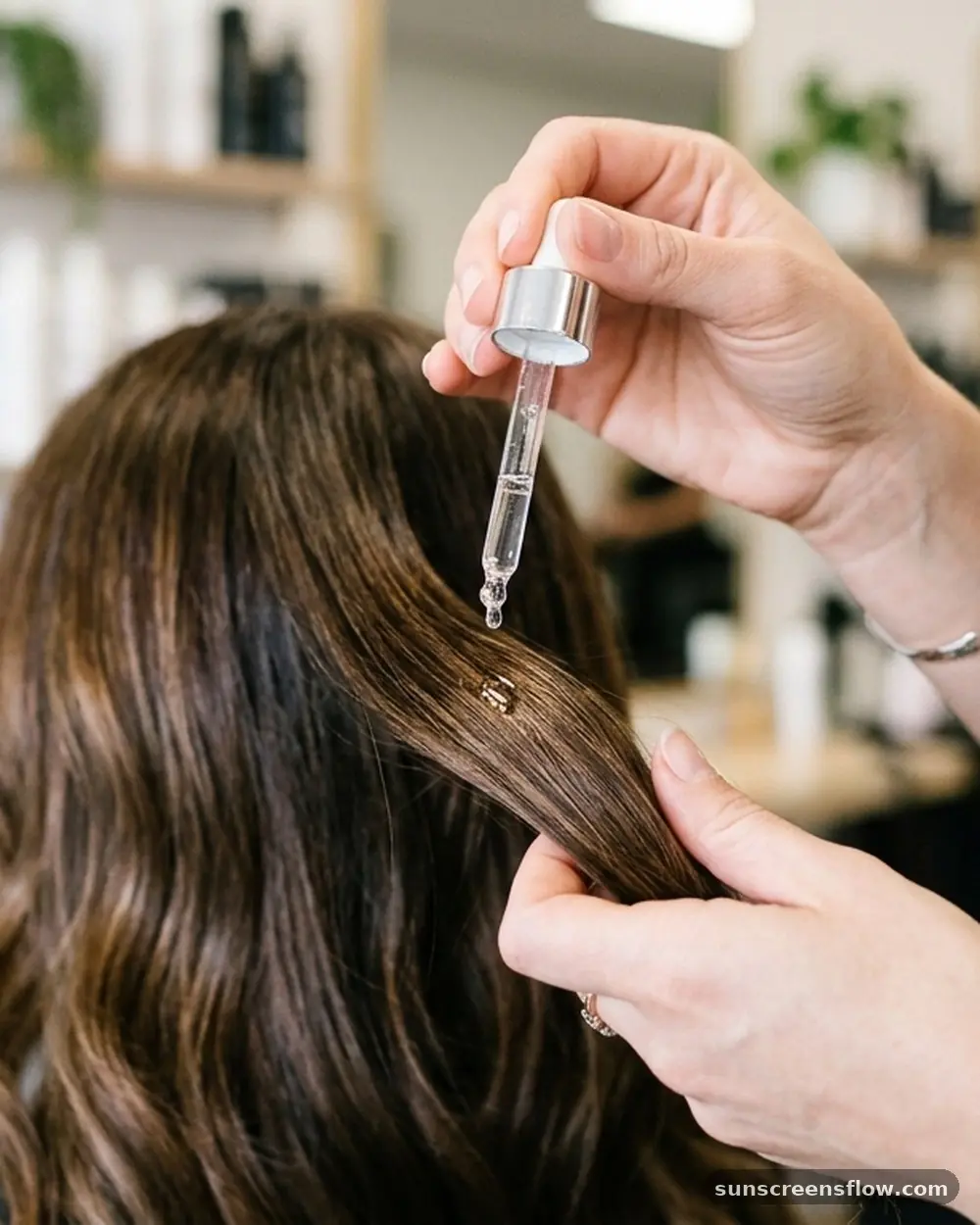
Most modern hair serums are formulated with silicone-based polymers, such as dimethicone, which are responsible for the product’s signature “slip” and smoothing capabilities. These polymers work by physically filling in the gaps along the hair cuticle, creating a uniform, reflective surface.
When the cuticle is smooth and sealed, light reflects more effectively off the hair, resulting in that coveted glossy finish. Beyond the synthetic polymers, many high-end formulations incorporate natural ingredients like argan oil or jojoba extract to provide nourishment and prevent the hair from becoming overly brittle or dry.
It is important to distinguish between a serum that provides structural support and one that offers cosmetic enhancement. While some serums are marketed for scalp health or hair growth, the vast majority are cosmetic tools. They do not necessarily fix the internal damage of the hair shaft, but they do excel at masking those imperfections.
The inclusion of light-reflecting particles often found in premium serums further contributes to the illusion of healthier, more vibrant hair. By utilizing these ingredients, serums effectively mitigate the appearance of split ends, making them a staple for anyone who relies on thermal styling tools to achieve their desired look.
The Role of Serums in Frizz Control and Smoothness
Frizz is essentially the result of the hair cuticle lifting, allowing moisture from the air to penetrate the hair shaft and cause it to swell. This is particularly prevalent in individuals with high hair porosity, where the cuticle layer is naturally more open. A hair serum functions as a physical sealant, locking out humidity and locking in the internal moisture your hair already possesses.
This is why frizz control is frequently cited as the primary reason for using a serum. By providing a weightless, hydrophobic layer over each strand, the serum prevents the hair from reacting to atmospheric changes, ensuring your style remains sleek throughout the day.
When you apply a serum, you are essentially creating a protective shield that minimizes friction between strands. This reduction in friction is the secret to improved hair manageability. If you struggle with tangles, a serum makes the detangling process significantly easier, reducing the risk of hair breakage during brushing.
This is especially true for those with curly or textured hair types, where the natural structure of the hair makes it more prone to knotting. A well-applied serum ensures that the comb glides through the hair without snagging, which preserves the integrity of your ends over time.
Protecting Your Strands from Environmental Pollutants
Your hair is constantly exposed to environmental pollutants, UV radiation, and dust, all of which contribute to oxidative stress and dullness. A hair serum acts as a sacrificial layer; instead of these pollutants adhering directly to your delicate hair proteins, they settle onto the serum coating.
This is a crucial aspect of what is hair serum for that is often overlooked in traditional hair care discussions. By washing away the serum at the end of the day, you are effectively stripping away the accumulated grime and impurities that would otherwise degrade your hair quality.
Furthermore, many serums now include UV filters or antioxidants that offer a secondary layer of defense. While it is not a replacement for a hat or proper sun care, it provides a functional barrier that keeps the hair looking fresh longer.
If you live in an urban environment with heavy smog or high levels of particulate matter, incorporating a serum into your daily routine is an excellent way to maintain the vitality and color vibrancy of your hair. This protective film also aids in moisture retention, preventing the hair from losing its natural hydration to dry, air-conditioned, or heated indoor environments.
Optimizing Results with Proper Application Techniques
The effectiveness of a hair serum is heavily dependent on the method of application. While many users instinctively apply product when their hair is soaking wet, the best results are often achieved through damp hair application. When hair is damp, the cuticles are slightly raised, allowing the serum to distribute more evenly without weighing down the roots.
However, for those looking for maximum shine enhancement on dry hair, a small, pea-sized amount can be applied as a finishing touch. The key is to avoid the roots entirely, as the concentration of silicones can make the scalp appear oily and limp.
Best Practices for Serum Application
- Start with a very small amount, usually 1-2 drops, and warm it between your palms before application.
- Focus the application on the mid-lengths to the ends, where the hair is oldest and most prone to damage.
- Use a wide-tooth comb to distribute the product evenly throughout the hair strands.
- Avoid applying the serum directly to the scalp to prevent clogged follicles and greasiness.
- If you have very fine hair, opt for a non-greasy formula that is specifically labeled as lightweight.
For those who use blow drying or other forms of thermal styling tools, a serum serves a dual purpose. It acts as a heat protectant, providing a thermal buffer between the intense heat of the tool and the hair structure.
This is vital for preventing the protein degradation that occurs when the hair is subjected to temperatures exceeding 350 degrees Fahrenheit. By applying the serum before styling, you ensure that your hair remains flexible and resilient under pressure.
Comparing Serum Types Based on Hair Texture
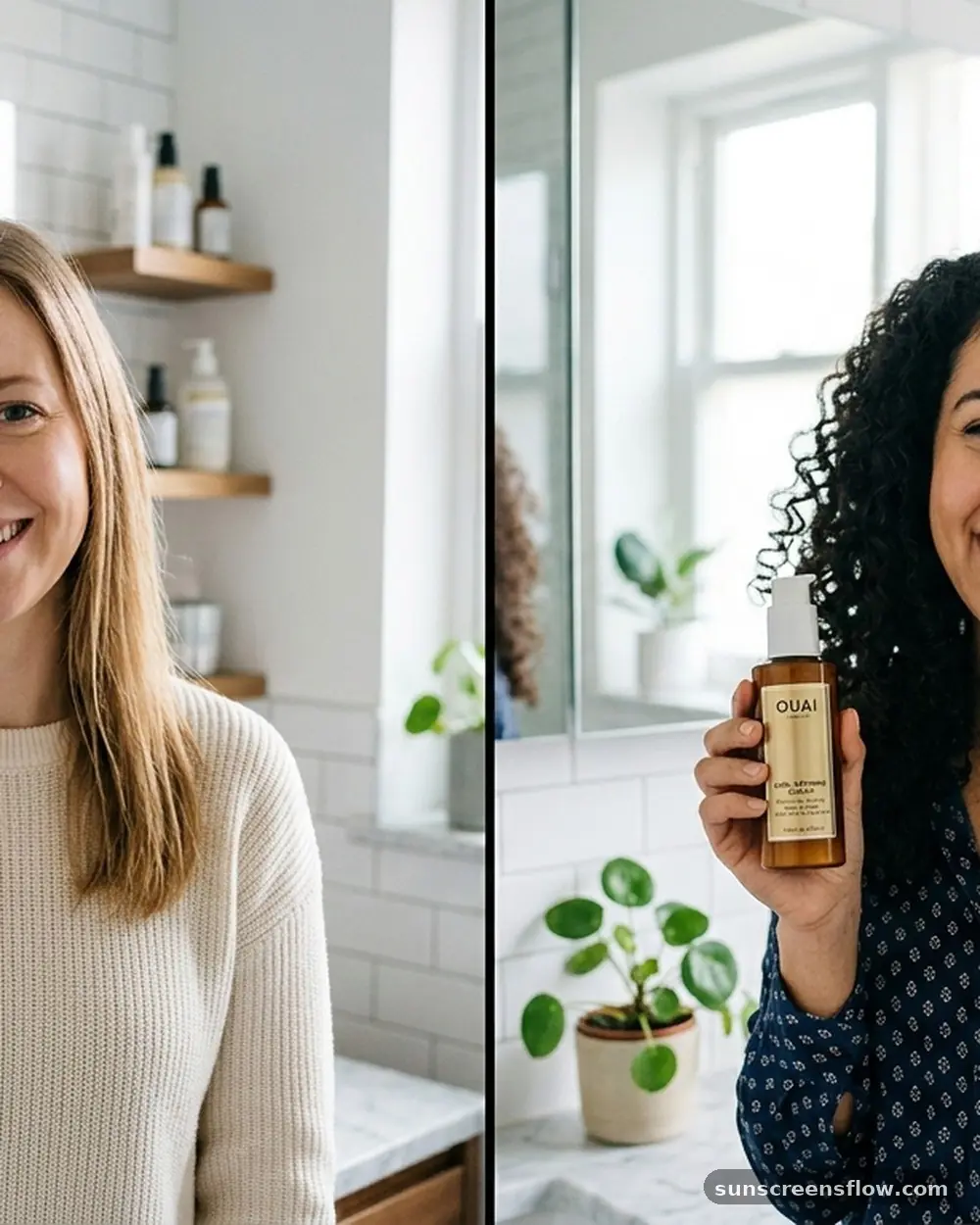
Not all serums are created equal, and choosing the right one requires an understanding of your specific hair texture. Fine hair requires a completely different formulation than coarse, thick, or curly hair. If you have fine hair, heavy oils or dense silicones will make your hair look flat and greasy within hours.
Conversely, coarse hair needs more substantive ingredients to manage the volume and provide enough weight to keep the hair smooth. The following table provides a quick reference for selecting the right type of serum based on your hair needs.
| Hair Type | Recommended Serum Formula | Primary Benefit |
|---|---|---|
| Fine/Thin | Water-based, lightweight, silicone-free or low-dimethicone | Volume and light shine |
| Medium/Wavy | Balanced oil-silicone blend | Frizz control and manageability |
| Coarse/Curly | Rich, oil-heavy, high-silicone content | Deep moisture and definition |
| Damaged/Bleached | Protein-infused, restorative polymers | Breakage reduction and smoothing |
Understanding these distinctions is essential for achieving the best results. If you are unsure about your hair type, it is always best to start with a “universal” or “lightweight” serum and adjust your dosage accordingly. Remember, it is always easier to add more product than it is to wash it out if you have applied too much.
The Role of Serums in Heat Protection
As mentioned, thermal styling tools can be extremely damaging to the hair fiber. When you apply heat, the water inside the hair shaft evaporates rapidly, which can lead to “bubble hair” or permanent structural weakening. A quality serum provides a film that helps to distribute heat more evenly across the hair strand.
This prevents “hot spots” where the iron or wand might be held for too long. By using a serum that is specifically formulated for heat protection, you are investing in the long-term health of your hair, allowing you to style it frequently without the rapid onset of split ends and breakage.
It is worth noting that while serums provide a great barrier, they are not a substitute for a dedicated heat protectant spray in professional-grade styling. However, for everyday styling, the combination of a light serum and a good technique is more than sufficient.
The hair smoothness achieved through this process makes the hair look polished and professional, which is why many stylists include a serum as the final step in every blowout or silk press service. It seals the cuticle, which is the final step in ensuring that the hair looks healthy from root to tip.
Addressing Topical Gaps: Myths and Realities
There is a common misconception that hair serums are “bad” for the hair if used long-term because they supposedly create a buildup. While it is true that silicone buildup can occur, it is easily managed by using a clarifying shampoo once or twice a month. The idea that serums “choke” the hair is a myth; hair is dead tissue, and it does not “breathe” in the way skin does.
Therefore, the goal of a serum is not to nourish the follicle but to maintain the health of the existing hair fiber. By understanding this, you can move past the fear of using styling products and embrace their benefits.
Another gap in common knowledge is the difference between serums for hair loss and serums for hair styling. Many consumers buy “growth serums” thinking they are the same as “smoothing serums.” Growth serums are typically applied to the scalp and contain active ingredients like minoxidil, caffeine, or peptides to stimulate the hair follicles.
Smoothing serums, which we have been discussing, are for the hair strands themselves. Using a growth serum on your ends will provide no benefit, and using a smoothing serum on your scalp may lead to pore blockage. Always read the label to ensure you are using the right product for the right part of your anatomy.
Common Mistakes to Avoid When Using Hair Serum
Even with the right product, poor application habits can lead to disappointing results. The most frequent error is using way too much product. Because serums are highly concentrated, a little goes a long way.
If your hair feels sticky, heavy, or looks “stringy” after application, you have likely used too much. Another common mistake is applying the serum to hair that is too dry before using hot tools. If you use a flat iron on hair that is saturated with a heavy, oil-based serum, you risk “frying” the hair because the oil will heat up and potentially cause thermal damage.
Instead, apply the serum to damp hair, distribute it thoroughly, and then dry your hair completely before using any high-heat styling tools. This allows the serum to absorb properly and form a protective film.
If you are using a serum as a finishing product on dry hair, use only the smallest amount possible, rubbing it between your fingers until it is almost invisible before touching your hair. This ensures that you get the shine enhancement and frizz control without the unwanted texture.
The Future of Hair Serum Technology
As we look toward the future of hair care, we are seeing a shift toward more sustainable and biologically derived ingredients. While silicones have been the industry standard for decades due to their unmatched performance, there is a growing demand for plant-derived alternatives that offer similar hair smoothness without the environmental concerns associated with non-biodegradable polymers. Innovations in bio-fermentation are allowing cosmetic chemists to create high-performance molecules that mimic the properties of silicones while remaining fully biodegradable.
Furthermore, we are seeing the rise of “smart” serums that adapt to the hair’s needs. These products use encapsulated ingredients that release only when triggered by certain environmental factors, such as humidity or heat.
This level of precision is changing the landscape of what is hair serum for, transforming it from a simple cosmetic additive into a sophisticated tool for hair maintenance. Whether you are looking to simplify your routine or enhance your styling capabilities, the evolution of these products ensures that there is a solution for every hair type and concern.
Frequently Asked Questions
When should I apply hair serum?
For the best results, apply hair serum to clean, damp hair after washing and conditioning. This helps to seal in moisture and provides a smooth base before heat styling. You can also apply a tiny amount to dry hair to tame flyaways and add shine.
Can I use hair serum every day?
Yes, you can use hair serum daily, provided you are using a lightweight formula and applying it correctly. If you find that your hair starts to feel weighed down or greasy after a few days, use a clarifying shampoo to remove any product buildup.
Does hair serum actually repair split ends?
No, hair serum does not permanently repair split ends. It works by temporarily sealing the cuticle and smoothing the frayed edges, which makes the hair look healthier and prevents further splitting. The only way to truly remove split ends is to get them trimmed by a professional.
Is hair serum the same as hair oil?
They are similar but distinct. Hair oils are often more nourishing and can penetrate the hair shaft to provide deep hydration. Hair serums are primarily formulated with silicones to create a protective, smoothing barrier on the surface of the hair for styling and aesthetic purposes.
What is hair serum for if I have curly hair?
For curly hair, a serum is essential for maintaining definition and preventing frizz. By coating the curls, the serum helps them hold their shape without becoming frizzy due to humidity. It also adds the necessary weight to prevent the hair from becoming too voluminous or unmanageable.
In conclusion, understanding what is hair serum for is about recognizing its role as a versatile finishing and protective tool. It is not designed to replace your conditioner or your scalp treatment, but rather to complement them by providing a polished, professional finish to your hair.
By focusing on the mid-lengths and ends, using the correct amount, and choosing a formula suited to your hair texture, you can harness the full potential of this product to achieve smoother, shinier, and more manageable hair every single day. Whether you are looking to combat humidity or protect your strands during heat styling, a well-chosen serum is an indispensable asset in any hair care arsenal.


