


When researchers discuss blood products in laboratory settings, understanding what is rabbit serum becomes essential for those working in immunology and cell biology. This biological fluid serves as a critical component in various experimental procedures, providing a rich mixture of proteins, hormones, and essential nutrients required to sustain delicate cell lines or facilitate specific diagnostic reactions.
Because it contains a unique profile of molecules, it is often preferred over other animal-derived serums for specialized tasks. By examining its composition and practical applications, we can better appreciate how this substance supports scientific discovery and medical diagnostics.
Defining the Biological Composition of Rabbit Serum
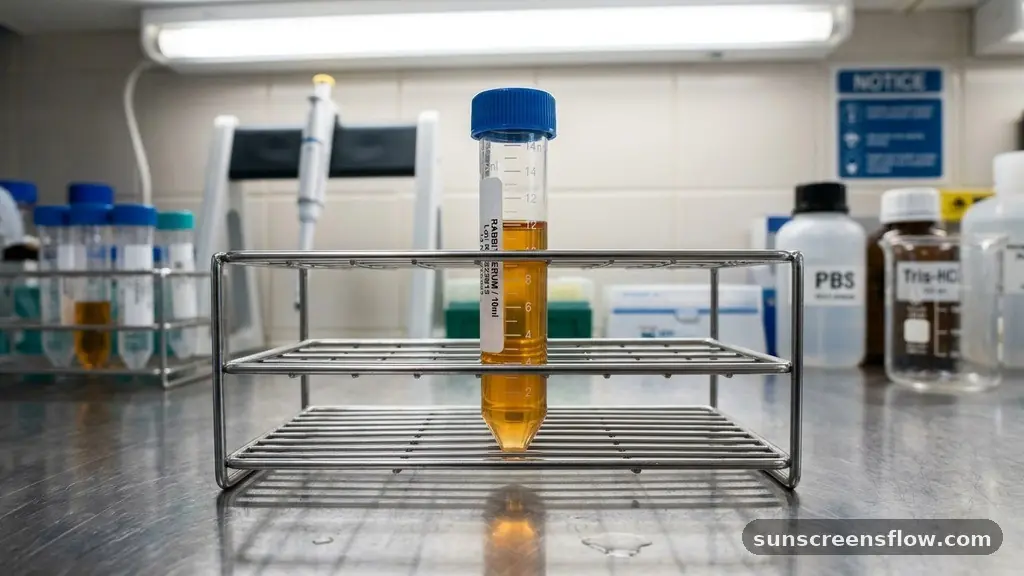
At its core, rabbit serum is the liquid fraction of rabbit blood that remains after the clotting process has occurred. Unlike plasma, which contains fibrinogen and other clotting factors, serum is harvested once the blood has been allowed to coagulate, leaving behind a clear, amber-colored fluid.
This fluid is packed with a complex array of biochemical agents that maintain homeostasis within the living animal. When scientists use this material in vitro, they are leveraging these natural components to mimic physiological environments or to detect specific markers in clinical samples.
The composition of this serum includes a wide spectrum of essential elements. Albumin (the most abundant protein) serves as the primary carrier for various molecules, helping to transport fatty acids, drugs, and other substances throughout the circulatory system. Beyond albumin, the fluid is rich in electrolytes and minerals such as sodium, potassium, calcium, and magnesium.
These ions are vital for maintaining osmotic pressure and electrical potential across cell membranes. Furthermore, the presence of growth factors and hormones makes this serum a potent medium for promoting cell survival and proliferation in controlled environments.
The Role of Immunoglobulins in Research
One of the primary reasons researchers seek out this specific animal product is its utility in immunology. The serum is particularly prized for its high content of Immunoglobulins (IgG, IgM), which are the fundamental building blocks of the immune response. Particularly IgG, the most common type of antibody found in the blood, is frequently utilized to create secondary antibodies for diagnostic testing. Because rabbit antibodies are highly specific and exhibit strong binding affinities, they are a standard choice for researchers who need to detect or quantify proteins in complex biological samples.
The production of these antibodies is a sophisticated process. When a rabbit is exposed to a specific antigen, its immune system generates a robust, multi-faceted response. This results in the formation of diverse antibodies that recognize different epitopes on the same target.
This high level of specificity is what makes rabbit-derived reagents so effective in applications like Western blotting, ELISA, and immunohistochemistry. By utilizing these naturally occurring defenses, scientists can identify microscopic structures and protein interactions that would otherwise remain invisible or difficult to quantify.
Applications in Polyclonal Antibody Production
The use of this fluid is central to Polyclonal Antibody Production, a technique that remains a cornerstone of diagnostic medicine. Unlike monoclonal antibodies, which are derived from a single clone of B-cells, polyclonal antibodies represent a mixture of antibodies from different B-cell lineages.
This diversity allows the mixture to recognize multiple parts of a single target molecule, which often leads to more robust signal detection in laboratory assays. Because of the rabbit’s unique immune system, it produces highly stable and potent antibodies that are widely used in research laboratories across the globe.
To produce these antibodies, a target antigen is injected into the rabbit. Over several weeks, the rabbit’s immune system matures and develops a high titer of specific antibodies. Once the desired concentration is reached, the blood is collected, and the serum is separated and purified.
This process has been refined over decades to ensure both the quality of the antibodies and the welfare of the animals involved. The resulting product is a versatile tool used in everything from basic academic research to the development of commercial diagnostic kits for infectious diseases.
Techniques in Diagnostic Assays
In clinical and research settings, rabbit serum is an indispensable reagent for a variety of diagnostic assays. These procedures rely on the precision of antibody-antigen interactions to identify substances within a sample. For example, in immunoprecipitation, the serum is used to isolate a specific protein from a complex mixture.
The antibodies in the serum bind to the target protein, allowing researchers to pull it out of the solution for further analysis. This is a standard method for studying protein-protein interactions and signaling pathways.
Another common application is flow cytometry, where antibodies derived from this serum are used to label cells for identification. By tagging these antibodies with fluorescent markers, researchers can sort and count different cell populations based on the proteins expressed on their surfaces.
This technique is critical for fields like oncology and immunology, where understanding the composition of a tumor or an immune response is paramount. The reliability of rabbit-derived reagents ensures that these assays produce consistent and reproducible results, which is a requirement for any rigorous scientific investigation.
In Vitro Utility in Cell Culture Supplementation
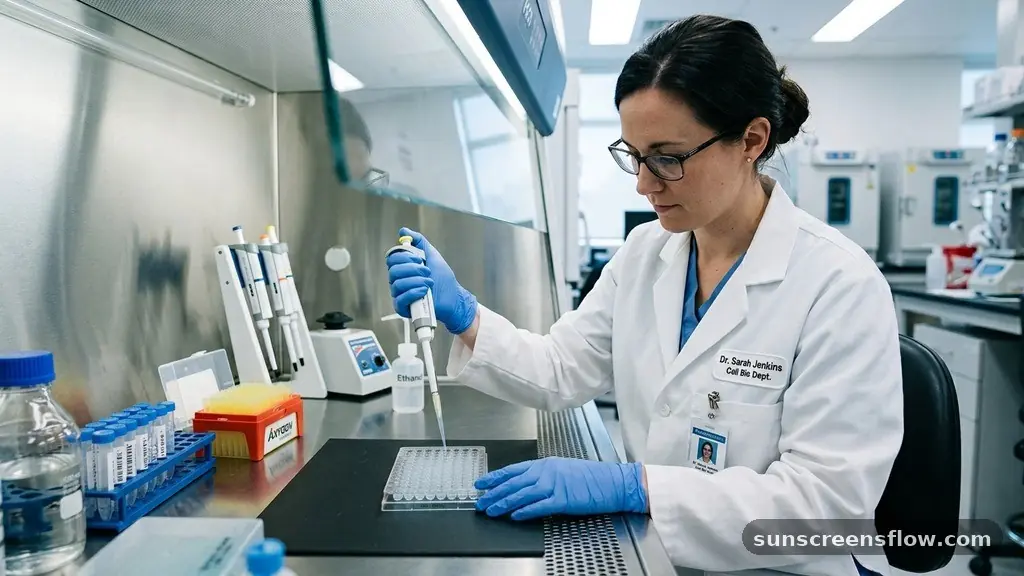
Beyond its role in immunology, the fluid is frequently used for Cell Culture Supplementation. Cells grown outside of an organism are highly sensitive to their environment and require a precise balance of nutrients to remain healthy and divide.
While fetal bovine serum is the most common supplement, there are specific instances where researchers choose to use rabbit-derived alternatives. This is often done to avoid cross-reactivity with bovine proteins or to study cells in a more tailored growth environment that mimics the physiological conditions of a lagomorph.
In these applications, the serum provides the necessary proteins to bind to cell surface receptors, triggering the signaling cascades that lead to growth and differentiation. The growth factors and hormones present in the serum act as chemical messengers, telling the cells when to divide and when to enter a quiescent state.
Without these signals, many primary cell lines would fail to thrive or would lose their specialized functions. By carefully titrating the amount of serum added to the culture medium, scientists can optimize the growth conditions for their specific experimental needs.
Comparison of Serum Components
To better understand the utility of these biological fluids, it is helpful to look at how they differ from other common laboratory reagents. The following table provides a high-level comparison of common components found in various animal serums.
| Component Category | Function in Cell Culture | Relative Prevalence |
|---|---|---|
| Albumin | Transport and osmotic balance | High |
| Globulins (IgG) | Immune defense and binding | Moderate |
| Growth Factors | Cell proliferation and survival | Low |
| Electrolytes | Membrane potential and signaling | High |
This table highlights the multifaceted nature of serum. While albumin is present in large quantities to maintain the physical properties of the fluid, the biologically active components like growth factors and immunoglobulins are present in smaller, more concentrated amounts. This balance is critical, as too much of certain proteins can lead to unwanted background noise in sensitive assays, while too little can lead to cell death or poor antibody binding.
Handling and Storage Best Practices
Maintaining the integrity of this biological material is a major challenge for laboratory staff. Because it is a natural product, it is prone to degradation if not handled correctly. To ensure the highest quality of the serum, researchers should:
- Store the serum in aliquots at -20°C or -80°C to prevent freeze-thaw degradation.
- Avoid repeated exposure to room temperature, which can activate complement proteins and degrade growth factors.
- Use sterile techniques when handling the product to prevent bacterial or fungal contamination.
- Filter the serum through a 0.22-micron membrane if there is any suspicion of microbial growth.
- Check the expiration date and lot number to ensure consistency across experiments.
Adhering to these guidelines is essential for producing reliable data. Even minor temperature fluctuations can cause the denaturation of sensitive proteins, which in turn can alter the results of an assay. By treating the serum as a volatile and valuable resource, laboratories can extend the shelf life of their reagents and ensure that every experiment is conducted under optimal conditions.
Addressing Ethical Considerations in Research
The use of animal-derived products in the laboratory always necessitates strict Ethical Considerations in Research. The scientific community places a high value on the welfare of laboratory animals, and there is a continuous push toward the 3Rs: replacement, refinement, and reduction. Researchers are encouraged to minimize the number of animals used, refine procedures to lessen pain or distress, and replace animal-derived products with synthetic alternatives whenever possible.
When it comes to the acquisition of this serum, many institutions now require that the material be sourced from certified facilities that adhere to stringent animal welfare regulations. This ensures that the animals are kept in healthy conditions and that the collection process is performed by trained professionals.
Furthermore, many labs are actively investigating synthetic antibodies or recombinant proteins that can replicate the functionality of natural serum without the need for animal hosts. This shift represents a broader trend in modern biology, where the goal is to conduct high-impact research while maintaining the highest possible ethical standards.
Answering Common Questions About Rabbit Serum
What makes rabbit serum different from other animal serums?
Rabbit serum is distinct primarily due to its unique profile of immunoglobulins. The IgG molecules produced by rabbits are known for their high specificity and stability, making them superior for certain types of diagnostic assays compared to antibodies derived from other species like mice or goats.
How is rabbit serum used in diagnostic assays?
It acts as a blocking agent to prevent non-specific binding, or as a source of primary or secondary antibodies. In techniques like ELISA or Western blotting, the antibodies bind to specific target proteins, allowing researchers to detect, quantify, or isolate those proteins from a complex biological mixture.
Is rabbit serum still used for modern testing?
Yes, it remains a vital component in both academic and industrial research. While synthetic alternatives are gaining traction, the natural, high-affinity antibodies produced by rabbits are still considered the gold standard for many specialized immunohistochemistry and immunoprecipitation applications where precision is absolutely critical.
What happens if the serum is not stored properly?
Improper storage, particularly repeated freeze-thaw cycles or prolonged exposure to heat, leads to protein degradation. This causes the antibodies to lose their binding affinity and the growth factors to lose their biological activity, which ultimately results in failed experiments and unreliable, non-reproducible data.
Final Perspectives on Laboratory Applications
The role of rabbit serum in modern science is both foundational and evolving. By providing a rich source of proteins, immunoglobulins, and growth factors, it enables researchers to conduct complex experiments that advance our understanding of immunology, cell biology, and disease diagnostics. While the transition toward synthetic alternatives and non-animal methods continues to grow, the unique biological properties of this serum ensure its continued relevance in the laboratory.
The key to successful utilization lies in understanding its composition, adhering to strict handling protocols, and maintaining an unwavering commitment to ethical standards. As techniques in molecular biology become more refined, the way we source and use these natural resources will likely continue to shift, but the core objective remains the same: the pursuit of accurate, reproducible knowledge that benefits human health and scientific progress. If you are starting a new project involving these materials, prioritize quality sourcing and rigorous storage to ensure your work stands on a solid foundation.


