


Finding the right base product often feels like a balancing act between achieving enough coverage and maintaining a fresh, breathable look. When you learn what is serum foundation, you realize it serves as a unique bridge between your morning moisturizer and your evening makeup look.
By blending high-performance skincare actives with aesthetic pigments, these products offer a way to even out your complexion without the heavy, cakey feeling of traditional thick formulas. Whether you want to address dryness or simply prefer a more natural, skin-like aesthetic, understanding this hybrid category can change how you approach your daily routine and help you achieve a healthier-looking glow.
The Core Concept of a Skincare-Makeup Hybrid
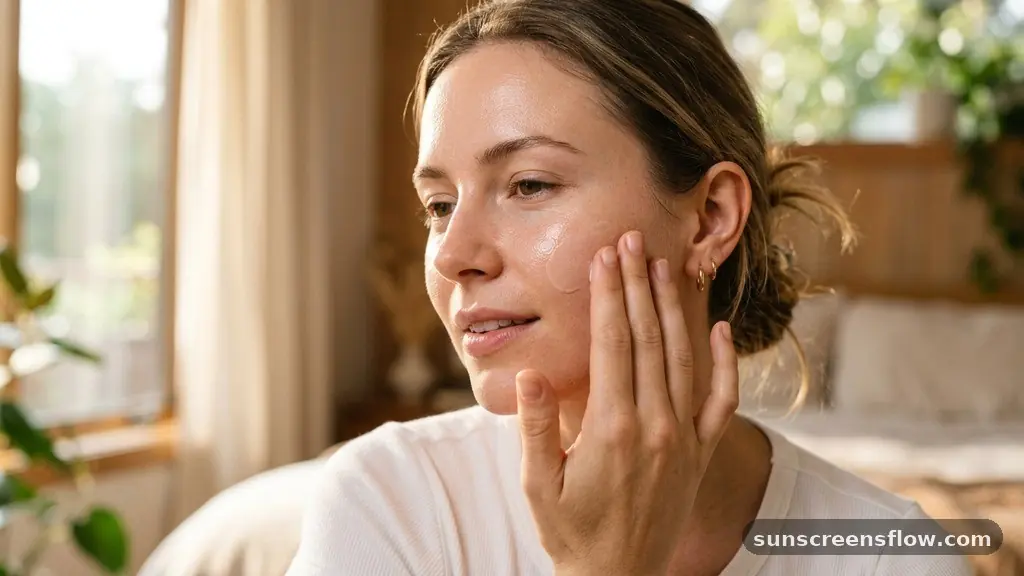
At its heart, knowing what is serum foundation requires looking at the marriage of cosmetic chemistry and dermatological care. Unlike traditional options that sit on top of the skin, these products are engineered to mimic the viscosity and absorption profile of a serum. You are essentially applying a concentrated treatment that happens to contain enough color to mask minor imperfections.
Because these formulas focus on high-performance ingredients, they often prioritize skin health as much as they prioritize aesthetic appeal. You will frequently find that a serum foundation acts as a secondary layer of moisture rather than just a cosmetic barrier. This makes them particularly popular for those who want to avoid the “mask-like” appearance that heavier, wax-based foundations can sometimes create, especially as they settle into expression lines throughout the day.
Understanding Pigment Concentration and Coverage
A common misconception is that a lighter, thinner texture implies a total lack of pigment. In reality, modern cosmetic chemistry allows brands to pack a high density of mineral pigments into a very low-viscosity liquid. When you use a serum foundation, you typically get a sheer to medium coverage that looks remarkably like your natural skin.
The thinness of the fluid allows it to spread easily without dragging or pulling on the surface of your face. This is a significant advantage for those who struggle with uneven application.
Because the pigment concentration is carefully balanced with emollient carriers, the product remains flexible. It moves with your face rather than cracking or flaking, which is a major factor in why this category has become a staple for professional makeup artists working on editorial shoots.
Key Ingredients that Define the Category
The efficacy of these foundations usually comes down to the inclusion of potent, skin-loving ingredients. When you look at the label of a high-quality serum foundation, you will almost always find humectants and lipids designed to restore the skin barrier. Hyaluronic acid is perhaps the most common inclusion, acting as a magnet for moisture that keeps the skin plump throughout the day.
Another hero ingredient you will frequently encounter is squalane. This plant-derived oil is excellent for mimicking the skin’s natural sebum, providing hydration without feeling overly greasy or heavy. By integrating these components, the product provides a dewy finish that reflects light naturally, creating an illusion of health and vitality that matte foundations often struggle to replicate.
| Feature | Traditional Foundation | Serum Foundation |
|---|---|---|
| Texture | Creamy, thick, or mousse | Thin, liquid, serum-like |
| Primary Benefit | High-level coverage | Hydration and radiance |
| Application | Brush or sponge | Dropper or fingertips |
| Finish | Matte or natural | Dewy, luminous, skin-like |
Why Mature Skin Benefits from Lightweight Formulas
If you are concerned about fine lines or shifting skin texture, you have likely noticed that heavy makeup can settle into creases. This is where the specific mechanics of a serum foundation become incredibly useful. Because the formula is essentially a thin, hydrating veil, it does not have the bulk or heavy waxes that migrate into wrinkles.
The lightweight formula is designed to sit smoothly over the skin’s surface rather than pooling in the deeper crevices. Furthermore, the hydrating nature of the ingredients helps to temporarily plump the skin, which can visually soften the appearance of fine lines. This creates a much smoother canvas that looks more youthful and vibrant, proving that less is often more when it comes to mature skin.
The Role of the Dropper Applicator
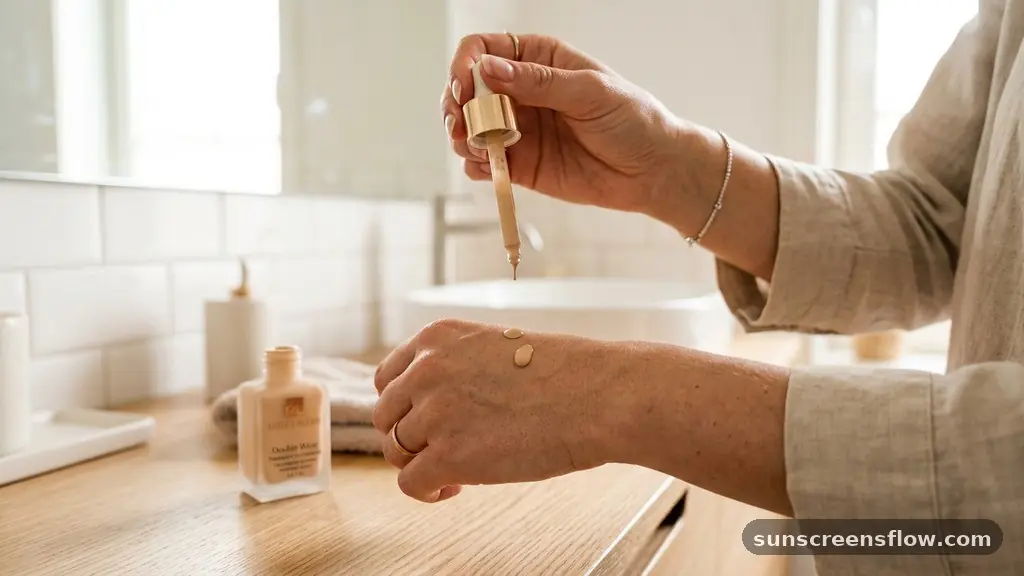
You have probably noticed that many of these products come in bottles with a dropper applicator. This is not just a marketing gimmick; it is a functional design choice linked to the thin, water-based foundation texture. Because the liquid is so fluid, a pump mechanism might cause leaking or uneven dispensing.
The dropper allows you to control the exact amount of product you use, preventing waste. You can start with two drops for a sheer, tinted-moisturizer effect, or build it up to four or five drops if you need more coverage on specific areas. This level of precision is ideal for those who prefer to spot-treat redness or blemishes rather than applying a full, heavy face of makeup every single day.
Addressing Potential Topical Gaps
There are common concerns regarding the longevity and oxidation of these lightweight products. Many users wonder if a serum-based product will simply evaporate or lose its color throughout the day. The truth is that while they are designed to be breathable, they are also formulated with film-formers that help the pigment lock onto the skin.
Another gap in knowledge concerns the difference between water-based and oil-based foundations. While many serum foundations are water-based, some contain oil-soluble pigments that require shaking before use.
Always check the bottle for a mixing ball or a note to shake well. This ensures that the mineral pigments are properly dispersed throughout the emollient base, preventing the product from looking patchy or inconsistent when applied to the face.
Application Techniques for a Natural Radiance
Achieving a flawless result with a serum foundation requires a shift in your application habits. Because these products are so fluid, using a dense, flat-top brush can sometimes soak up too much of the formula. Instead, many professionals recommend using your fingertips or a damp makeup sponge.
The heat from your fingers helps the product melt into the skin, making the transition between your foundation and your bare skin virtually invisible. If you prefer a tool, a soft, fluffy brush can help you buff the product into the skin in circular motions. This technique ensures an even distribution and helps you achieve that coveted natural radiance without any visible streaks or brush marks.
Color Matching and Oxidation Challenges
One of the most important aspects of using any foundation is finding the right shade. Because serum foundations are often sheerer, they are generally more forgiving than full-coverage alternatives. This makes color matching slightly less stressful, as the product blends with your undertones rather than masking them completely.
However, you should be aware of oxidation. Because these formulas are rich in active ingredients and emollients, they can sometimes react with the air or the oils on your skin, causing the color to darken slightly after a few minutes of wear. Always test a small amount on your jawline and wait at least ten minutes to see how the color settles before committing to a full purchase.
Choosing the Right Product for Your Skin Type
While serum foundations are fantastic for dry or normal skin, those with very oily skin might need to adjust their routine. Since these formulas are designed to provide a dewy finish and intense hydration, they can sometimes exacerbate shine on an already oily complexion. If this describes your skin, you don’t necessarily have to avoid them, but you should pair them with a mattifying primer or a light dusting of translucent powder.
* Look for non-comedogenic labels if you are prone to breakouts.
* Opt for formulas with broad-spectrum SPF to combine sun protection with your base.
* Consider the climate; in humid weather, you may want to set the T-zone with a setting spray.
* Prioritize formulas that contain soothing ingredients like niacinamide or centella if you have sensitive skin.
Frequently Asked Questions
What is the primary difference between a serum foundation and a regular one?
Regular foundations are primarily designed for color correction and coverage, often using waxes and thickeners. A serum foundation prioritizes hydration and skin health, using a thinner, liquid base packed with skincare actives that provide a natural, dewy finish rather than a heavy, opaque layer.
Are serum foundations suitable for all skin types?
They are excellent for dry, mature, or dull skin because of their hydrating ingredients. While oily skin types can use them, they may find the dewy finish requires a bit of setting powder or a mattifying primer to prevent unwanted shine throughout the day.
Do I need to apply a separate moisturizer before using these?
It depends on your skin’s needs. Because these products often contain hyaluronic acid and squalane, they act as a secondary layer of moisture. However, if you have very dry skin, a lightweight moisturizer applied beforehand will still provide the best overall canvas for your makeup.
How do I prevent my serum foundation from looking patchy?
Ensure you shake the bottle well before each use to combine the pigment and the serum base. Applying the product with your fingertips or a damp sponge rather than a dense brush will also help it blend more smoothly into your skin texture without leaving streaks.
Conclusion
Choosing a serum foundation is a step toward embracing a more versatile, skin-first approach to your beauty routine. By prioritizing hydration and a lightweight feel, these products allow you to enhance your complexion without sacrificing the health of your skin barrier. Whether you are dealing with fine lines or simply prefer a fresh, luminous look, the combination of mineral pigments and potent actives offers a sophisticated solution for daily wear.
Remember to consider your specific skin type and the potential for oxidation when selecting your shade. With the right application technique and a bit of practice, you can enjoy a radiant, natural-looking finish that feels just as good as it looks. Experiment with different formulas to find the one that best complements your unique skin needs.
Meta Description: Discover what is serum foundation, how it benefits mature and dry skin, and why this skincare-makeup hybrid is the secret to a natural, dewy glow.


