


Determining exactly when to use face serum is one of the most common points of confusion in modern beauty regimens. Because these products are formulated with high concentrations of active ingredients, they function as the heavy lifters of your daily regimen.
Understanding the precise placement of these treatments within your skincare routine order is essential for ensuring that the potent molecules reach the deeper layers of the epidermis rather than sitting uselessly on the surface. When integrated correctly, serums can address specific concerns ranging from hyperpigmentation and fine lines to chronic dehydration and dullness, acting as a bridge between cleansing and sealing in moisture.
The Fundamental Role of Serums in Skincare
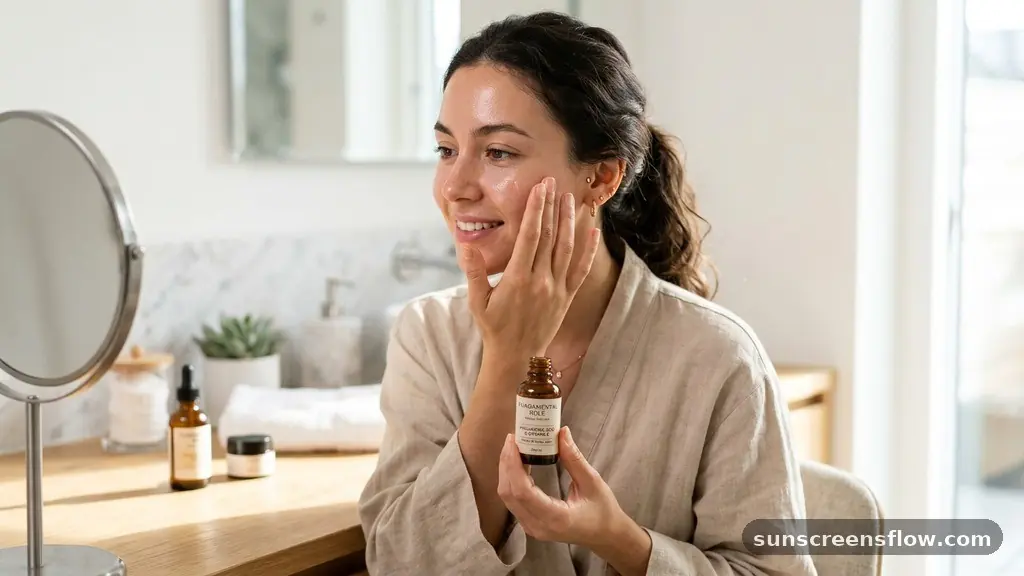
To master the timing of application, one must first understand the unique nature of the serum itself. Unlike a heavy cream, a serum is characterized by a low-viscosity, lightweight formula designed for deep penetration.
These products typically utilize a lower molecular weight compared to moisturizers, allowing them to bypass the skin’s surface and deliver therapeutic agents directly to where they are needed most. When you apply a serum, you are essentially feeding the skin targeted nutrients that are far more concentrated than those found in standard lotions.
The primary function of a serum is to treat. Whether you are using hyaluronic acid for deep hydration or vitamin c for antioxidant protection, the serum serves as the delivery system. Because they lack the heavy waxes and oils found in thick creams, they must be applied early in the process.
If you apply a heavy occlusive cream first, the serum will struggle to permeate that barrier, effectively rendering the product ineffective. By keeping your serum application early—right after cleansing and toning—you maximize the absorption rate and ensure that the skin receives the full benefit of the specialized compounds.
Strategic Layering: The Importance of Sequence
The golden rule of dermatological layering is to apply products from the thinnest consistency to the thickest consistency. This is not just a suggestion for comfort; it is a chemical necessity.
If you apply a thick, oil-based moisturizer before a water-based serum, the barrier created by the moisturizer will block the serum from reaching the skin. Following the “thinnest to thickest” rule ensures that each layer can perform its function without being impeded by the one that follows it.
When considering when to use face serum, always start with a clean canvas. After cleansing, your skin is primed to absorb moisture. If you use a toner, apply it first to balance the pH levels of the skin, which can enhance the efficacy of the active ingredients in your serum.
Once the toner has dampened the skin—or if you skip toner, while the skin is still slightly moist from cleansing—apply your serum. This creates a “damp” environment that helps humectants like hyaluronic acid draw more water into the skin, significantly reducing the risk of trans-epidermal water loss.
Morning vs Evening: Optimizing Your Routine
The debate regarding morning vs evening application often boils down to the specific goals of your ingredients. Morning routines should generally focus on protection, while evening routines focus on repair.
For example, a vitamin c serum is an ideal morning companion because it acts as a secondary shield against environmental stressors like UV rays and pollution. When paired with your daily sunscreen, vitamin c provides a synergistic effect that neutralizes free radicals before they can damage your collagen stores.
In contrast, the evening is the prime time for “heavy-duty” actives that might cause skin sensitivity if exposed to sunlight. Retinol is the most prominent example of this. Retinol accelerates cellular turnover, which makes the skin more vulnerable to UV exposure; therefore, it should strictly be used at night.
Furthermore, night is when the skin enters its natural recovery phase. By applying reparative serums—such as those containing peptides or growth factors—before you sleep, you are working in harmony with your body’s natural circadian rhythm, ensuring that the skin has an uninterrupted window to regenerate and repair the day’s environmental damage.
Balancing Actives and Hydration
One of the most frequent mistakes users make is layering too many active ingredients at once, which can lead to irritation or neutralized effects. If you are using multiple serums, you must be mindful of their chemical compatibility.
For instance, combining high-strength chemical exfoliation acids (like AHAs or BHAs) with retinol can strip the skin barrier, leading to redness, flaking, and chronic inflammation. Instead, consider alternating your nights or using one active in the morning and a different one at night.
When incorporating niacinamide or other skin-soothing agents, timing is more flexible. Niacinamide is incredibly versatile and can generally be paired with almost any other ingredient, including vitamin c and retinol. However, the order remains the same: treat first, moisturize second.
If your serum is intended to address pore congestion, ensure it is applied directly to the affected areas after cleansing. By keeping your routine streamlined, you avoid the “pilling” effect—where products clump on the skin—and ensure that each ingredient has the space it needs to work.
The Role of Occlusives and Humectants
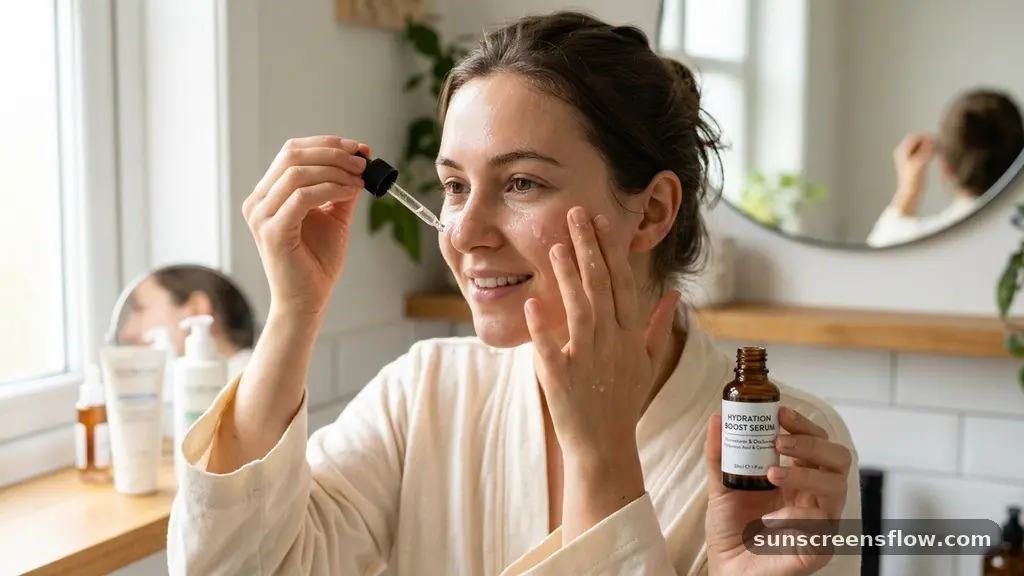
Understanding the chemistry of your products is vital for knowing when to apply them. Humectants are ingredients that attract water to the skin, while occlusives are ingredients that sit on the surface to prevent moisture from escaping. Serums are almost exclusively humectant-based.
If you leave a humectant-rich serum on your skin without sealing it with an occlusive, you might actually experience the opposite of your desired effect. In dry climates, a humectant will pull moisture out of your skin and release it into the air, leading to increased dehydration.
This is why a moisturizer is a non-negotiable step after your serum. The moisturizer acts as the occlusive layer, locking in the hydration provided by the serum and preventing evaporation. If you are using a facial oil, it should almost always be the final step in your routine.
Facial oils have a high molecular weight and act as a heavy-duty occlusive barrier. If you apply an oil before your serum, you create an impenetrable wall that will effectively block the serum from ever reaching your pores.
Comparative Guide to Serum Application
To help visualize how different products interact, consider the following table which breaks down common ingredients and their optimal usage timing.
| Ingredient | Primary Benefit | Optimal Time | Key Consideration |
|---|---|---|---|
| Vitamin C | Antioxidant/Brightening | Morning | Pair with sunscreen for maximum efficacy |
| Retinol | Anti-aging/Turnover | Evening | Avoid mixing with AHAs/BHAs |
| Hyaluronic Acid | Hydration | Morning & Night | Apply to damp skin to trap water |
| Niacinamide | Barrier repair/Oil control | Morning & Night | Compatible with most other actives |
Addressing Common Topical Gaps
A common gap in skincare advice is the management of skin sensitivity when starting a new serum. Many people make the mistake of jumping into a full daily application of potent actives, leading to immediate barrier compromise. If you are introducing a new serum, especially one containing strong acids or retinoids, it is crucial to employ “skin cycling” or a gradual introduction phase.
Start by using the serum only two or three times a week, monitoring your skin’s reaction closely. If you notice persistent stinging, redness, or a feeling of “tightness” after washing, your skin barrier is likely compromised, and you should pause the active treatment to focus solely on hydration.
Another gap involves the “wait time” between applications. Many users ask if they should wait for the serum to dry completely before applying moisturizer. While you do not need to wait until the skin is bone-dry—in fact, keeping it slightly damp is better for absorption—you should wait until the serum has “set” or feels tacky to the touch.
This usually takes about 30 to 60 seconds. Waiting this short duration prevents the products from mixing on the surface of your skin and ensures that the serum is properly absorbed into the upper layers of the epidermis.
Best Practices for Application
Effective application is as much about technique as it is about timing. When you apply your serum, avoid rubbing it vigorously into the skin, which can cause unnecessary friction. Instead, use a gentle pressing motion with your fingertips.
This technique, often referred to as “patting,” encourages the product to absorb into the skin without disrupting the delicate structure of the lipid barrier. It also helps to distribute the product evenly across the contours of the face, including the neck and décolletage, which are often neglected.
Furthermore, consider the amount of product used. Serums are highly concentrated; using a dropper-full is often excessive and can lead to a sticky residue that interferes with subsequent layers. A pea-sized amount is usually sufficient for the entire face.
If you are using a pipette, dispense the serum into your palm first, then use your fingers to dot it onto your forehead, cheeks, and chin. This allows for better control and ensures that you aren’t wasting expensive product. Remember that more is not always better—consistent, thin layers are far more effective than a thick, uneven application that never fully absorbs.
Troubleshooting Common Serum Mistakes
If you find that your skin feels greasy or heavy after your routine, it is likely that your moisturizer is too heavy for the serum you have chosen, or you are applying too much product. Conversely, if your skin feels dry by midday, you may need a more potent humectant or a more effective occlusive moisturizer to lock in the hydration.
Another common issue is “pilling,” where tiny balls of product appear on your skin. This is almost always a result of incompatible ingredients (such as water-based serums clashing with silicone-based primers) or not giving the serum enough time to absorb before applying the next layer.
If you struggle with pore congestion, ensure that your serum is non-comedogenic. Some serums, particularly those formulated with heavy oils or certain botanical extracts, can clog pores even if they are marketed as “lightweight.” Always check the ingredient list for your specific skin type.
If you have oily or acne-prone skin, look for water-based or gel-based serums that offer hydration without adding excess lipids. By regularly auditing your routine and paying attention to how your skin feels and looks, you can refine your application schedule to achieve the best possible results.
FAQ: Common Questions About Serum Usage
Can I apply moisturizer immediately after my serum?
Yes, you can apply moisturizer after your serum. In fact, it is recommended to do so while the skin is still slightly damp. This helps to lock in the humectants from your serum and prevents moisture evaporation, keeping your skin hydrated for a longer period throughout the day.
Should I use a serum if I have sensitive skin?
Absolutely, but you must choose your ingredients carefully. Focus on soothing, barrier-supporting ingredients like ceramides, hyaluronic acid, or niacinamide rather than harsh exfoliants or high-strength retinoids. Always perform a patch test on your inner arm for 24 hours before applying any new serum to your face.
Can I layer multiple serums in one routine?
Yes, you can layer multiple serums, but order matters. Apply them from the thinnest consistency to the thickest. For example, a watery vitamin c serum should go on before a thicker, gel-like hyaluronic acid serum. Do not exceed two or three serums, as this can lead to poor absorption and irritation.
Does the order of application change if I use a facial oil?
Yes, facial oils should always be the final step in your routine. Because oils are occlusive, they create a physical barrier on the skin. If applied before your serum, they will prevent the serum from penetrating. Always apply your serum, then your moisturizer, and finish with your facial oil.
Conclusion
Mastering when to use face serum is a pivotal step in elevating your skincare from basic maintenance to targeted treatment. By respecting the principles of skincare routine order—applying products from the thinnest to the thickest consistency—you ensure that your active ingredients perform to their maximum potential. Whether you are leveraging the brightening power of vitamin c in the morning or the regenerative capabilities of retinol at night, the strategic application of these potent formulas provides the foundation for healthy, resilient skin.
Always remember to pair your humectant-rich serums with a quality moisturizer to support the skin barrier and minimize trans-epidermal water loss. As you continue to refine your regimen, listen to your skin’s feedback, adjust for skin sensitivity, and remain consistent in your approach. With the right technique and a solid understanding of ingredient chemistry, you can unlock a clearer, more radiant complexion that stands the test of time.


