
Determining whether to apply a serum or moisturizer first is a fundamental question that dictates the efficacy of your entire daily regimen. In the fast-paced world of beauty, it is easy to get overwhelmed by the sheer volume of dermatological products hitting the market, but the golden rule of layering skincare remains rooted in basic chemistry: apply products from the thinnest, most lightweight consistency to the thickest, most occlusive formula. By following this sequence, you ensure that your skin receives the maximum benefit from your targeted treatments while effectively sealing in moisture.
The Core Principle of Skincare Layering
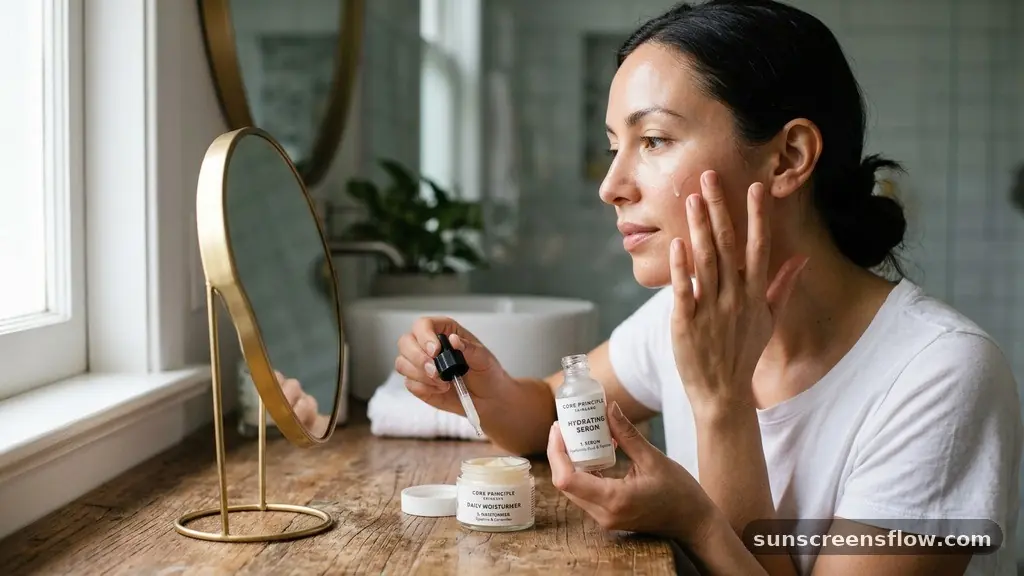
The most important rule in professional skincare is that products should be layered according to their molecular weight and consistency. When you are deciding whether to use a serum or moisturizer first, think about how substances interact with the skin’s surface. Facial serums are typically formulated with smaller molecules designed to penetrate deep into the epidermis to address specific concerns like hyperpigmentation, fine lines, or dehydration. Because these products are often water-based and highly concentrated, they need to make direct contact with clean, bare skin to work effectively.
If you apply a heavy cream before a serum, the thick, often oil-rich formula will sit on top of your skin, effectively creating a physical barrier that prevents the lightweight serum from reaching the deeper layers. Think of your skin like a sponge; if you coat it in wax, water cannot soak in.
By applying the serum first, you allow those potent active ingredients to reach their target destination without obstruction. Once the serum has been absorbed, you can then proceed to your moisturizer, which serves as the final step to lock everything in.
Why Molecular Weight Matters for Absorption
The science of absorption is central to why we prioritize layering. The skin is a complex organ with a semi-permeable skin barrier that is designed to protect us from environmental stressors.
However, this same barrier can be selective about what it lets through. Substances with a lower molecular weight, such as hyaluronic acid or certain vitamins, are engineered to pass through the outer layers of the skin more easily.
Conversely, face creams and heavy lotions are designed with larger molecules, waxes, and lipids that are meant to sit on the surface, providing a protective seal. If you disrupt this natural order, you essentially negate the engineering behind the products. For instance, if you apply a heavy, thick moisturizer, you are creating an occlusive film.
If you then apply a serum on top, that serum will likely just sit on the surface, unable to sink in, and potentially evaporate or rub off onto your pillowcase. Understanding this hierarchy is the difference between seeing visible results and simply wasting expensive products that never reach their intended destination.
Understanding Humectants versus Occlusives
To master your routine, you must understand the difference between humectants and occlusives. Humectants are ingredients like glycerin and hyaluronic acid that act as magnets for water, pulling moisture from the air or deeper layers of the skin to the surface.
These are the stars of most serums. Because they are designed to attract water, they are almost always water-based products.
Occlusives, on the other hand, are the ingredients found in rich moisturizers—think shea butter, ceramides, or petrolatum. Their primary role is to prevent transepidermal water loss (TEWL). By creating a seal over the skin, they ensure that the water attracted by your humectants stays put.
This is why the order is so vital: you use the serum to provide the hydration, and then you use the moisturizer to “lock it in.” If you reverse this, you are essentially trying to hydrate the outside of a barrier that is already sealed, which is ineffective and counterintuitive.
The Role of Active Ingredients in Your Routine
When dealing with high-performance active ingredients like vitamin c, retinol, or niacinamide, the timing of application becomes even more critical. These ingredients are often found in serum form because they are meant to interact directly with the skin cells to stimulate collagen production, brighten the complexion, or regulate oil production.
For example, vitamin c is an antioxidant that works best when applied to clean, dry skin in the morning to fight free radical damage. If you apply a thick moisturizer before your vitamin C serum, the antioxidant properties may be compromised by the pH-altering effects of the cream or simply by the inability of the vitamin to penetrate the lipid barrier of the moisturizer.
Similarly, retinol is a potent ingredient that requires direct contact to initiate cellular turnover. By keeping your serum step clear of heavy creams, you ensure that these sensitive actives remain stable and effective.
| Product Type | Primary Function | Typical Texture | Layering Order |
|---|---|---|---|
| Cleanser | Removes impurities | Gel/Foam | 1st |
| Toner | Balances pH | Liquid | 2nd |
| Serum | Targets concerns | Lightweight/Watery | 3rd |
| Moisturizer | Hydration/Seal | Cream/Lotion | 4th |
Managing Skin pH and Product Efficacy
The pH balance of your skin plays a significant role in how well products absorb. Most serums are formulated to be compatible with the skin’s natural acidic mantle, which typically sits around a pH of 5.5.
Some treatments, like exfoliating acids or certain vitamin C derivatives, rely on a lower pH to be effective. When you layer a heavy moisturizer before a serum, you aren’t just creating a physical barrier; you are potentially altering the environment in which those actives need to function.
A professional aesthetician will always emphasize the importance of keeping the skin’s surface “clean” before applying specialized treatments. If you have applied a thick, creamy product, you have essentially changed the chemistry of the surface.
This can lead to decreased efficacy or even irritation, as the ingredients may not be able to spread evenly or absorb at the correct rate. By sticking to the serum-first rule, you respect the delicate chemical balance of your skin, allowing each product to do exactly what it was designed to do without interference.
Addressing Potential Comedogenic Issues
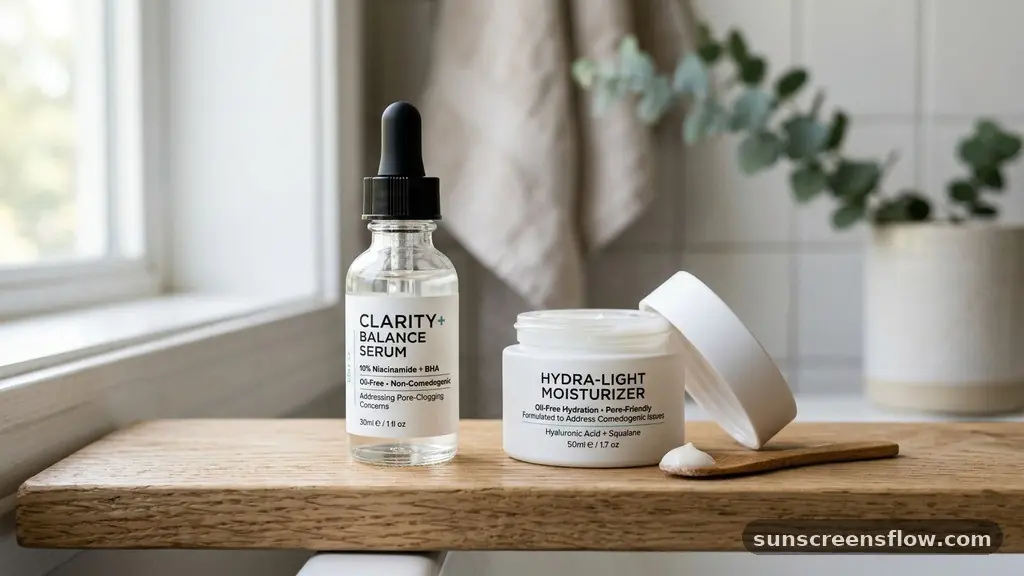
One common mistake people make is choosing the wrong order and then blaming the product for causing breakouts. If you apply a heavy, comedogenic moisturizer and then try to layer a serum on top, you are trapping the serum—and potentially bacteria—underneath a layer that may not be breathable. This can lead to clogged pores and breakouts, especially for those with oily or acne-prone skin.
When you use the correct layering order, you minimize the risk of congestion. A lightweight serum applied directly to the skin absorbs quickly, leaving no residue to be trapped by the moisturizer. Your moisturizer then sits on top as a light, protective barrier.
If you are prone to breakouts, choosing a non-comedogenic serum and a lightweight, gel-based moisturizer is often the best strategy. Always check the labels of your dermatological products to ensure that the ingredients are suited to your specific skin type, but remember that even the best products can cause issues if applied in the wrong sequence.
How Texture and Consistency Dictate Your Routine
If you ever find yourself confused about a specific product’s place in your routine, look at its texture. This is the simplest way to determine where it fits. Skincare layering is essentially a process of building from the most fluid to the most viscous.
- Water-based products: These are almost always applied first.
They include toners, essences, and most facial serums.
- Lightweight emulsions: These have a slightly milky or lotion-like consistency and should follow your clear, watery serums.
- Oil-based products: Oils have a larger molecular structure and are excellent at sealing in moisture. They should always be applied after your water-based serums.
- Heavy creams: These contain waxes and thickeners that form the final, occlusive layer to prevent moisture loss.
By following this hierarchy, you ensure that your skin texture remains smooth and that you aren’t creating a “pilling” effect, where products roll off the skin in little balls because they couldn’t absorb properly.
Filling the Gaps: What About Sunscreen?
A common point of confusion is where sunscreen fits into the “serum or moisturizer first” debate. Sunscreen is technically an occlusive layer; it is designed to sit on top of the skin to reflect or absorb UV rays. Therefore, it should always be the very last step in your morning skincare routine, applied after your moisturizer has had a moment to settle.
If you apply sunscreen before your moisturizer, you are effectively diluting the SPF protection and preventing your moisturizer from doing its job of keeping the skin hydrated. If you apply it before your serum, you are blocking the serum from ever touching your skin.
The order is simple: cleanse, tone, treat (serum), moisturize, and protect (sunscreen). This sequence ensures that every product is working in its optimal environment, providing you with the best possible protection and treatment outcomes.
The Importance of Waiting Between Layers
Even if you have the order correct—serum first, then moisturizer—you might still be sabotaging your results by rushing the process. Topical application requires a bit of patience. If you slather your moisturizer on immediately after your serum, you are essentially mixing the two products together on your face before the serum has had a chance to penetrate the skin.
Give your serum about 60 to 90 seconds to “set” or absorb before applying your moisturizer. You will know it is ready when your skin feels slightly tacky but not wet.
This brief waiting period allows the active ingredients to move into the top layers of the epidermis. If you are in a rush, you can gently pat the product into the skin to encourage faster absorption, but avoid aggressive rubbing, which can irritate the skin barrier and cause unnecessary redness.
Customizing Your Routine for Different Skin Needs
Not every person needs a ten-step routine, and that is perfectly fine. The “serum or moisturizer first” rule applies whether you use two products or ten.
If you have oily skin, you might find that a high-quality hydrating serum is enough to keep your skin healthy, and you might only need a very light moisturizer or even just sunscreen during the day. If you have dry skin, you might need a multi-layered approach, perhaps using a hydrating serum followed by an oil-based serum, and then a rich, emollient cream.
The key takeaway is that the order remains the same regardless of how many steps you include. Always start with the thinnest, most potent treatment and finish with the thickest, most protective cream. This creates a logical, effective structure that allows you to address your specific skin concerns—whether that is aging, acne, or sensitivity—without overwhelming your skin or wasting your investment in high-quality skincare.
FAQ
Can I mix my serum and moisturizer in my hand before applying?
While it might save time, it is generally not recommended. Mixing them changes the concentration and pH of the serum, which can reduce its effectiveness. Furthermore, the serum is designed to penetrate while the moisturizer is designed to sit on top; mixing them prevents both from performing their specific roles correctly.
Does the order change for nighttime routines?
The fundamental rule of applying from thinnest to thickest remains the same at night. However, night is the best time to use heavier, more occlusive creams or sleeping masks that might be too thick for daytime. Always ensure your treatment serums are applied to clean, bare skin before your final night cream.
What happens if I accidentally apply my moisturizer first?
Don’t panic; your skin will be fine. However, the serum you apply afterward will likely not be able to penetrate the lipid barrier created by the moisturizer. You won’t get the full benefit of the serum’s active ingredients, meaning you are essentially just applying it to the surface where it might evaporate.
Should I wait for my skin to be completely dry before applying serum?
For most serums, applying to slightly damp skin can actually help with absorption, especially for humectants like hyaluronic acid. However, if you are using a potent treatment like retinol or an exfoliating acid, it is usually best to apply to completely dry skin to minimize the risk of irritation.
Conclusion
Mastering the order of your skincare routine is one of the most effective ways to improve your complexion. By remembering the simple rule of applying products from the thinnest consistency to the thickest, you ensure that your facial serums can successfully penetrate the skin barrier to deliver their active ingredients, while your moisturizers provide the necessary occlusion to lock in hydration and prevent transepidermal water loss. Whether you are dealing with hyaluronic acid, vitamin c, or retinol, the sequence of application is the foundation of a healthy, glowing appearance.
Stick to this layering logic, be patient with your application, and you will undoubtedly see better results from the products you choose to invest in. Consistency and proper technique are the true secrets to long-term skin health.