

Hair serum is a specialized treatment designed to coat the surface of your hair, providing a protective barrier that smooths the cuticle and enhances overall manageability. Unlike traditional conditioners that penetrate deep into the hair shaft to provide hydration, a serum acts primarily as a surface-level finishing product.
By utilizing high-performance ingredients, it addresses immediate aesthetic concerns such as dullness, flyaways, and unruly texture, making it an essential component of a modern hair care routine. Understanding what does hair serum do requires looking at how these formulations interact with the physical structure of your hair to provide instant, visible results.
The Science of Hair Serum and Cuticle Smoothing
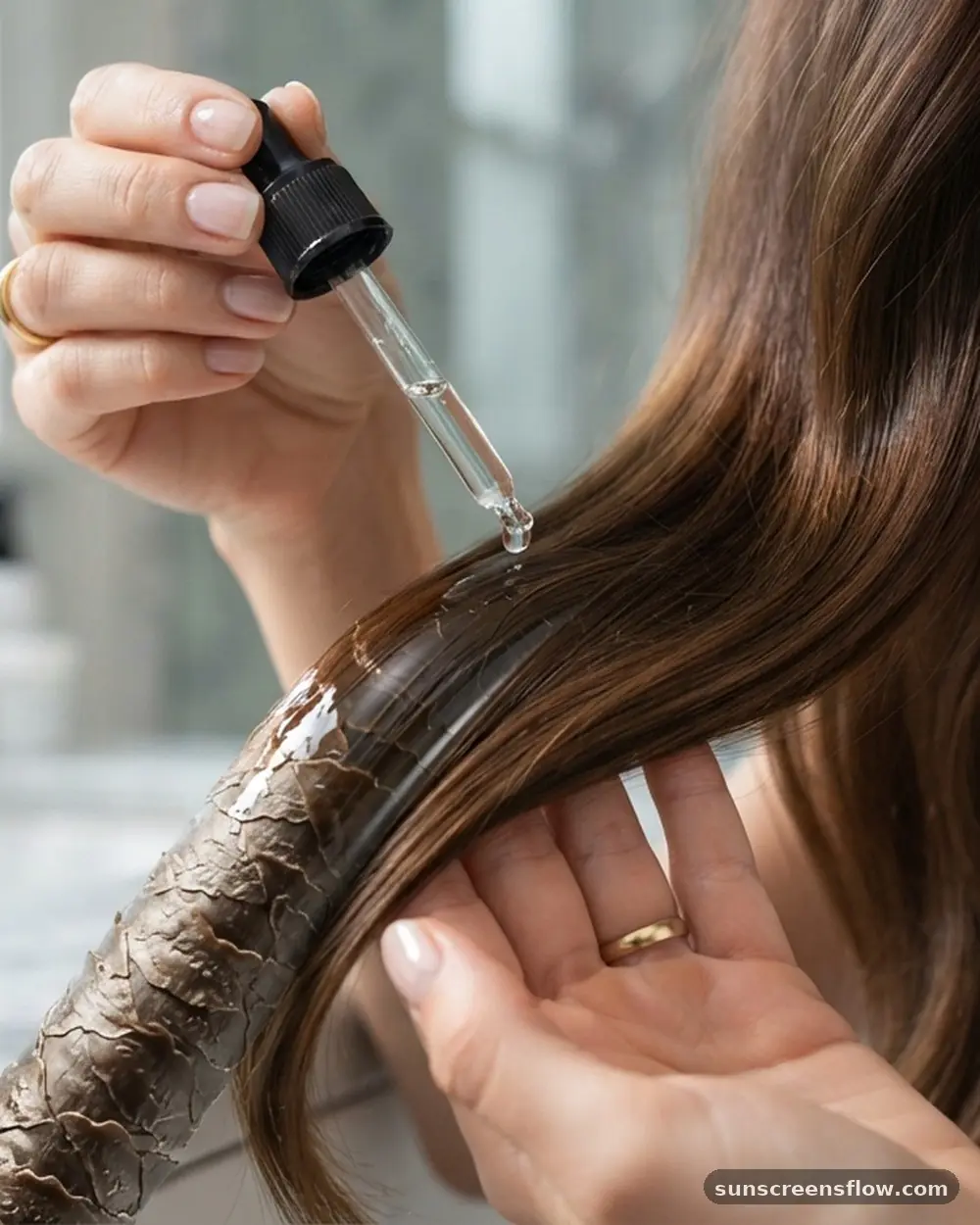
At the most fundamental level, hair serum functions by physically interacting with the outermost layer of the hair strand, known as the cuticle. The cuticle is composed of overlapping cells that act like shingles on a roof.
When these shingles are raised or damaged due to chemical processing, environmental stress, or mechanical friction, the hair appears frizzy, tangled, and lackluster. Serum works by filling in the microscopic gaps between these cuticle scales.
Most professional-grade serums are silicone-based, featuring ingredients like dimethicone or cyclomethicone. These compounds possess a unique molecular weight that allows them to spread evenly across the hair without necessarily weighing it down. Once applied, the serum creates a thin, hydrophobic film over the hair shaft.
This film serves two critical purposes: it prevents moisture from escaping the strand and blocks external humidity from entering the cuticle, which is the primary cause of frizz. By smoothing the surface, the serum ensures that light reflects more evenly off the hair, resulting in a noticeable increase in hair shine.
Differentiating Serum from Traditional Hair Oils
A common point of confusion for consumers is the distinction between a serum and a hair oil. While both products offer smoothing benefits, their primary functions and chemical compositions differ significantly.
A hair oil, such as pure argan oil or coconut oil, is often designed to penetrate the cuticle to provide long-term nourishment and lipid replacement. These oils are excellent for dry, brittle hair types that require deep conditioning but can sometimes leave a greasy residue if used in excess.
In contrast, a serum is formulated to provide a non-greasy finish while acting as a high-performance styling aid. Serums are generally lighter in texture and are engineered to remain on the exterior of the hair to provide immediate protection against environmental pollutants and heat styling. If you are struggling to decide between the two, consider your primary goal.
If you need deep repair and long-term hydration, an oil might be your best bet. However, if your goal is immediate frizz control, detangling, and a polished look before leaving the house, a serum is the superior choice.
Key Benefits for Various Hair Textures
The versatility of hair serum makes it a valuable tool across a wide spectrum of hair types. Whether you have fine, straight hair or thick, coiled curls, the right serum can significantly improve the health and appearance of your strands. For individuals with coarse or curly hair, serums are particularly effective at defining patterns and reducing volume caused by humidity.
Because these hair types often have higher hair porosity—meaning the cuticle is naturally more open—they are prone to losing moisture rapidly. A serum helps seal that moisture in, providing much-needed weight to keep the hair looking sleek rather than puffy.
For those with fine or thinning hair, the challenge is finding a product that provides protection without making the hair look limp or oily. Modern lightweight serums allow for this by using volatile silicones that evaporate after application, leaving behind only a micro-thin layer of protection. This helps with hair detangling, reducing the mechanical stress caused by brushing, which in turn preserves the integrity of the hair and prevents premature breakage.
| Feature | Hair Serum | Leave-in Conditioner |
|---|---|---|
| Primary Function | Smoothing & Shine | Hydration & Repair |
| Target Area | Surface of the hair | Interior of the hair shaft |
| Texture | Lightweight/Silky | Creamy/Milky |
| Finish | High-gloss | Natural/Soft |
Protection Against Environmental and Heat Damage
One of the most important roles of hair serum is serving as a heat protectant. When you use heat styling tools like flat irons, curling wands, or blow dryers, the intense temperature can cause the moisture inside the hair to boil, leading to permanent structural damage.
A quality serum acts as a buffer, distributing heat more evenly along the hair shaft and preventing the cuticle from burning. By creating a hair strand coating, the serum ensures that the heat is applied to the product rather than the delicate keratin protein of your hair.
Beyond heat styling, our hair is constantly under attack from environmental pollutants, UV radiation, and harsh weather conditions. UV damage, in particular, can break down the proteins in your hair, leading to color fading and brittleness.
Many modern serums are now formulated with UV filters that shield the hair from the sun’s rays, effectively acting as a sunscreen for your tresses. By incorporating a serum into your daily routine, you are essentially providing an extra layer of armor against the elements that contribute to premature aging of the hair.
Best Practices for Application: Wet vs. Dry
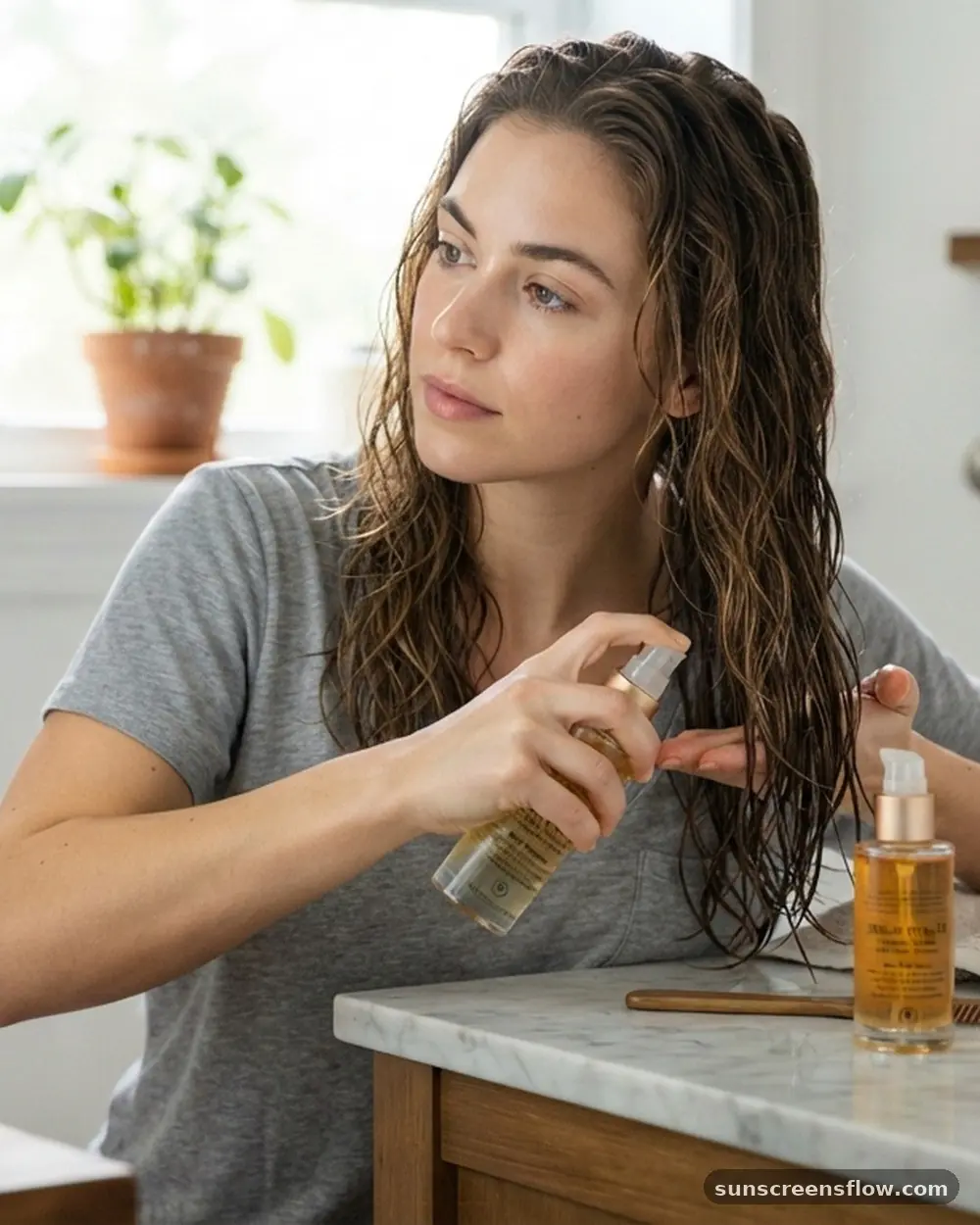
Knowing when to apply serum is just as important as choosing the right formula. The general rule of thumb is damp hair application for maximum distribution. When the hair is damp, the cuticle is slightly more receptive, and the water helps the serum glide easily from mid-lengths to ends.
To apply, place a few drops into your palms, rub them together to warm the product, and distribute it evenly through the hair. Avoid applying serum directly to the roots, as this can lead to buildup and an oily appearance on the scalp, which is generally not the desired outcome for most users.
However, applying serum to dry hair is also a valid technique, especially when targeting specific issues like split ends or stubborn flyaways. When used on dry hair, the serum acts as a finishing touch, smoothing down any remaining frizz and adding a final boost of shine before you head out the door.
The key is to start with a very small amount—often just one or two drops—and add more only if necessary. Since serums are concentrated, a little goes a long way, and oversaturating the hair will only lead to a heavy, weighed-down look that requires re-washing.
Addressing Topical Gaps: Serum and Scalp Health
A common misconception is that all hair serums are created equal regarding scalp health. While most cosmetic serums are designed for the hair mid-lengths and ends, there is a growing category of scalp-specific serums.
It is vital to distinguish between these two. A standard smoothing serum, which contains heavy silicones, should never be applied to the scalp, as it can clog follicles and potentially lead to irritation or hair loss over time.
If your goal is to improve the health of your scalp, you should look for water-based or lightweight botanical serums that contain ingredients like peptides, salicylic acid, or soothing herbal extracts. These products are formulated to be absorbed by the skin rather than sitting on top of the hair cuticle.
When choosing a product, always check the label to see if it is intended for the hair or the scalp. Using the wrong type of serum in the wrong location is one of the most frequent mistakes that leads to negative experiences with these products.
The Role of Serum in Improving Hair Elasticity
Hair elasticity refers to the hair’s ability to stretch and return to its original shape without snapping. High elasticity is a sign of healthy, hydrated hair, whereas low elasticity often indicates that the hair is dry, damaged, or lacking protein.
While a serum cannot “cure” deep-seated structural damage, it does play a vital role in maintaining elasticity by preventing moisture loss. By maintaining an optimal internal moisture balance, the hair remains supple and flexible.
When hair lacks elasticity, it becomes brittle and prone to snapping during everyday activities like combing or styling. By smoothing the cuticle and preventing the moisture evaporation that leads to dryness, a serum keeps the hair shaft flexible.
This is particularly important for individuals who color-treat or chemically process their hair, as these procedures often strip the hair of its natural elasticity. A serum serves as a daily maintenance tool that keeps the hair “bouncy” and resistant to the mechanical stress of daily life.
Common Myths and Misconceptions
There is a significant amount of misinformation regarding what hair serum actually does. One prevalent myth is that hair serum can repair split ends. It is important to be clear: once a hair strand is split, it cannot be permanently fused back together.
No product, regardless of its marketing, can “heal” a split end. However, a high-quality serum can temporarily seal the split end, making it look smoother and preventing it from traveling further up the hair shaft. It is a cosmetic fix, not a biological cure, but for the purpose of maintaining a healthy appearance, this temporary sealing is incredibly valuable.
Another myth is that using serum will make your hair grow faster. While some scalp-focused serums may contain ingredients that stimulate blood flow to the follicles, a standard smoothing serum for the ends of your hair has no impact on the rate of hair growth.
Growth happens at the root, while serums focus on the length of the hair that has already emerged from the scalp. Being realistic about what a product can and cannot do will help you build a more effective and sustainable hair care regimen that manages expectations while delivering genuine benefits.
FAQ
Do you really need to use a hair serum every day?
Using a hair serum every day is not strictly necessary for everyone, but it is highly beneficial if you use heat styling tools or live in a humid climate. If you have fine hair, you might prefer using it only on wash days to avoid buildup.
Can hair serum cause hair loss?
A standard smoothing serum will not cause hair loss if applied correctly to the mid-lengths and ends. However, if you apply heavy, silicone-based products directly to the scalp, you may clog your hair follicles, which could potentially lead to irritation or scalp health issues over time.
Is it better to apply hair serum to wet or dry hair?
Applying serum to damp hair is generally recommended because it allows for more even distribution and helps lock in moisture. Applying it to dry hair is ideal for targeted frizz control and adding a polished finish as a final step in your styling routine.
Does hair serum help with hair growth?
Most standard hair serums are designed for the hair shaft and do not influence the rate of hair growth at the root. If you are looking for growth benefits, you must specifically seek out scalp-treatment serums formulated with active ingredients that nourish the follicles and stimulate blood flow.
Summary and Key Takeaways
In summary, a hair serum is a powerful finishing tool that acts as a protective shield for your hair. By smoothing the hair cuticles, it provides immediate relief from frizz, adds a brilliant shine, and acts as a vital heat protectant against the damage caused by styling tools. While it does not repair damage at a molecular level or stimulate growth, its ability to seal the hair shaft, improve hair elasticity, and protect against environmental pollutants makes it a staple for anyone looking to maintain a healthy, polished appearance.
When used correctly—focusing on the ends and avoiding the scalp—a good serum can transform your hair care routine, providing a professional-quality finish that lasts throughout the day. Remember to choose a formula that matches your specific hair texture and to use it sparingly to achieve the best results without unnecessary buildup.


