


Determining exactly how much serum to use is a common hurdle in any effective facial skincare routine. While it might be tempting to apply a generous layer to ensure your skin gets the full benefit of those potent active ingredients, more product does not always lead to better results. In fact, using too much can lead to waste, pilled products, or even irritation depending on the formulation.
Finding the right balance between effective coverage and efficient application is key to maximizing your product longevity and ensuring your skin remains balanced throughout the day. By understanding the science of skin absorption and the nature of your specific products, you can easily master the art of the perfect application.
Understanding Optimal Dosage and Product Efficiency
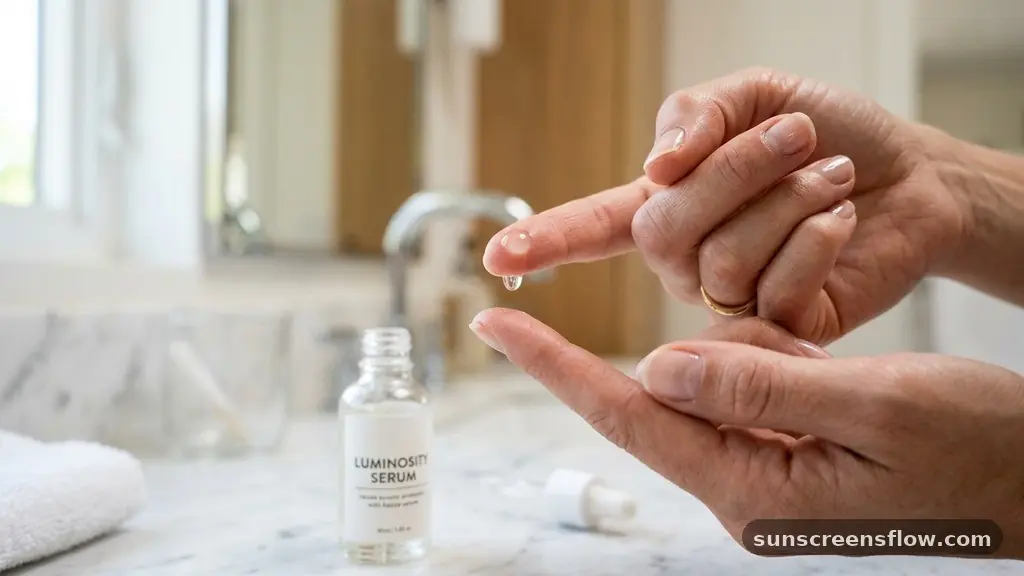
Many skincare enthusiasts mistakenly believe that saturating the skin with serum will accelerate the results of their treatment. However, the skin has a finite capacity for dermal penetration. Once the surface is fully saturated, excess serum sits on top of the skin, where it cannot perform its intended function.
This often leads to a sticky residue that interferes with subsequent steps in your routine, such as applying your moisturizer or sunscreen. Instead of aiming for a heavy layer, focus on a thin, even application that covers the entire facial surface area without leaving a tacky film behind.
The standard recommendation is to use a pea-sized amount or roughly two to three drops from a pipette. This small volume is generally sufficient to deliver the necessary concentration of antioxidants, humectants, or specialized treatments to the skin’s surface. Because serums are highly concentrated, they are designed to be used sparingly.
Treating them like a traditional lotion often results in using three to four times the necessary amount, which drains your bottle much faster than the manufacturer intended. When you use the correct dosage, you not only save money but also allow the product to sink in properly, which is essential for the active ingredients to interact with your skin cells.
Navigating Serum Viscosity and Application Techniques
The texture and consistency of your product play a significant role in how much you need to apply. A watery, thin serum will spread much further and faster than a thick, gel-like or oil-based formula. When dealing with a very light, runny texture, you might find that two drops are plenty to cover the entire face.
Conversely, a thicker or more viscous serum might require a slightly larger quantity to ensure you aren’t tugging at your skin while spreading it. Adjusting your dosage based on the specific feel of the product is a mark of an experienced skincare user.
To apply your serum effectively, dispense the product into the palms of your hands or directly onto your fingertips. Gently press the serum into your skin rather than rubbing it vigorously. Pressing helps with even distribution and encourages better absorption without disrupting the epidermal barrier.
If you are using a dropper dosage, be mindful of how much is actually pulled into the tube. Sometimes, the initial pull fills the pipette more than you realize.
Aim to control the flow so that you are consistently applying the same amount every morning and night. This consistency helps your skin adjust to the active ingredients and provides a steady baseline for tracking results.
The Role of Active Ingredients in Dosage Requirements
Not all serums are created equal, and the concentration of active ingredients often dictates how much you should use. For example, potent treatments like retinol application require a cautious approach. Because retinol is highly active and can cause skin sensitivity if overused, starting with a smaller amount—often just a pea-sized amount for the entire face—is the gold standard.
Using too much of a high-strength retinoid can lead to redness, peeling, or a compromised moisture barrier. It is always better to start with less and gradually increase your usage as your skin builds tolerance.
On the other hand, hydrating serums containing hyaluronic acid or niacinamide are generally more forgiving. These humectants work by drawing moisture into the skin, and they are often used in larger quantities without the risk of irritation. However, even with these, there is a point of diminishing returns.
If you apply too much hyaluronic acid in a dry climate, it can sometimes pull moisture out of the skin rather than from the air, potentially leaving your face feeling tighter. Balancing the chemical nature of your serum with your environment and your skin’s specific needs will guide you toward the most effective application volume.
| Serum Type | Recommended Dosage | Primary Concern |
|---|---|---|
| Vitamin C Serum | 2-3 drops | Oxidation/Sun Exposure |
| Retinol Treatment | Pea-sized amount | Skin Sensitivity |
| Hyaluronic Acid | 3-4 drops | Hydration Levels |
| Niacinamide | 2-3 drops | Oil Control/Pores |
Addressing Topical Gaps in Serum Application
A common point of confusion is how to handle multiple serums in a single routine. If you are layering products, it is essential to consider the cumulative volume. If you apply three different serums, each with a full dropper, you are effectively layering a significant amount of product on your face before you even reach your moisturizer.
This can easily lead to pore clogging, especially if the formulas contain ingredients that are comedogenic. To avoid this, consider rotating your serums between morning and evening, or use smaller drops of each to keep the total layer thin and breathable.
Another gap in common knowledge is the timing of application. Many people apply serum to completely dry skin, which can actually hinder absorption for certain formulas. Dermatological guidelines often suggest applying hydrating serums to slightly damp skin to lock in that extra water.
However, for treatments like retinol or acid-based exfoliants, applying to damp skin can increase penetration too rapidly, potentially causing irritation. Understanding the specific needs of your active ingredients helps you decide whether to let your skin dry completely or keep it damp before you apply your serum.
Maximizing Product Longevity and Value
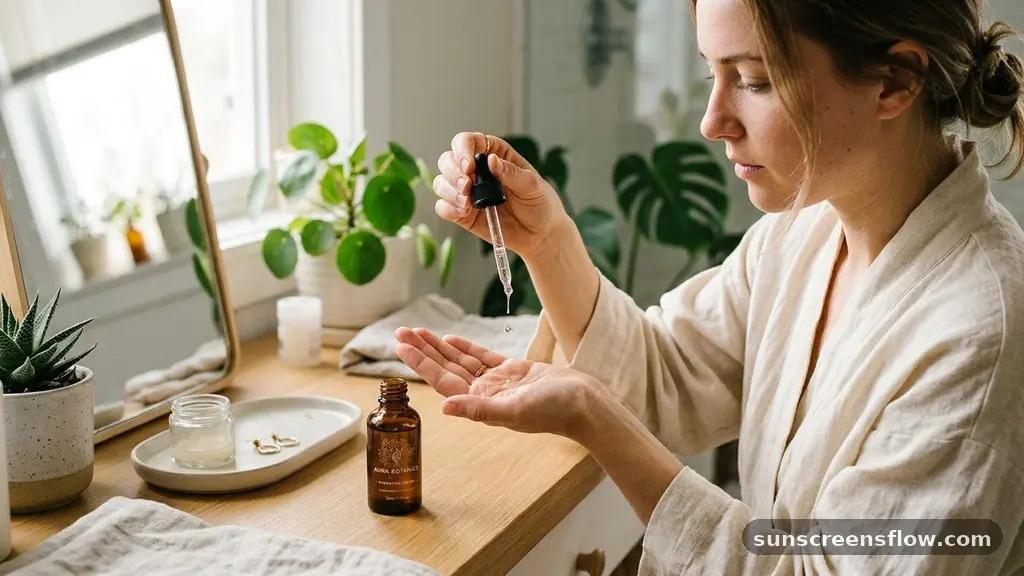
We have all experienced the frustration of a high-end serum bottle running dry after only a few weeks of use. This is almost always a sign of over-application. By tracking your usage and sticking to the recommended dropper dosage, you can significantly extend the life of your skincare investment.
Most 30ml bottles are formulated to last between two and three months when used twice daily in the correct amounts. If your bottle is emptying in under a month, you are almost certainly using double or triple the amount your skin can actually utilize.
When you use the right amount, you also reduce the risk of product waste. Think about how much serum remains on your hands or is wiped off onto your pillowcase because it didn’t absorb into your skin. This is money literally being thrown away.
By learning to dispense exactly what you need, you ensure that every drop is going to work on your face rather than being lost to evaporation or residue. Keep a close eye on your bottle’s progress and adjust your daily usage if you find you are finishing products too quickly.
- Start with fewer drops than you think you need; you can always add more.
- Warm the product between your fingertips to improve spreadability.
- Focus the application on areas with specific concerns like hyperpigmentation or fine lines.
- Ensure your skin is clean and prepped to receive the active ingredients.
- Wait at least 60 seconds between layering different serums to allow for proper absorption.
- Always follow up with a moisturizer to seal in the serum and support your barrier.
Skin Absorption and the Importance of Layering
The sequence of your skincare layering is just as important as the quantity of serum you use. The general rule of thumb is to apply products from the thinnest consistency to the thickest.
By applying your thinnest serum first, you allow those active ingredients to reach the deeper layers of the epidermis without being blocked by heavier, oil-based products. If you apply a thick, occlusive moisturizer before your serum, you are essentially creating a barrier that prevents the serum from penetrating.
The health of your epidermal barrier also dictates how your skin interacts with these products. If your skin is dehydrated or irritated, it may struggle to absorb products effectively, causing them to sit on the surface. In these cases, using more serum will not solve the problem and may actually worsen the irritation.
Instead, focus on gentle cleansing and simple hydration. Once your barrier is repaired, you will likely find that your skin absorbs the standard amount of serum much more efficiently, leading to better results with less product.
Identifying Signs of Over-Application
How do you know if you are using too much? Your skin will usually tell you. One of the most obvious signs is pilling, where the product forms little clumps or rolls off your skin when you touch it or apply moisturizer.
This happens when the surface of your skin is oversaturated and the ingredients are no longer able to penetrate, resulting in a build-up of film. If you notice your makeup breaking down or shifting throughout the day, this is another indicator that you have too many layers of product on your face.
Another sign is a persistent feeling of stickiness or tackiness that doesn’t go away after a few minutes. While some serums are naturally tacky, this feeling should dissipate as the product absorbs.
If your face feels like a magnet for dust and debris hours after your morning routine, you should try reducing your dosage by half. Finally, if you notice breakouts or small, clogged pores in areas where you apply a lot of product, you may be using too much of a formula that is slightly comedogenic for your skin type.
The Balance Between Occlusives and Serums
It is vital to distinguish between a serum and an occlusive. A serum is designed to deliver active ingredients, while an occlusive—typically found in your moisturizer or facial oil—is designed to lock that moisture in.
If you use a serum that contains heavy oils, it might function as both, but most serums are water-based. If you skip the moisturizer, the water content in your serum will evaporate, potentially leaving your skin feeling drier than before.
This is why the amount of serum you use must be balanced with the amount of moisturizer you apply afterward. If you use a very small amount of serum, you need to ensure your moisturizer is adequate to protect your skin. Conversely, if you use a larger amount of a hydrating serum, you might find that you can get away with a lighter moisturizer.
Finding this equilibrium is the secret to a healthy, glowing complexion. Don’t be afraid to experiment with different ratios until you find what makes your skin feel the most comfortable and hydrated.
Adjusting for Environmental and Seasonal Changes
Your skin’s needs change throughout the year, and so should your application habits. In the summer, the humidity in the air can make your skin feel more hydrated, meaning you might need less serum to achieve the same results. In the winter, especially if you spend a lot of time in heated indoor environments, your skin might crave more hydration, prompting you to slightly increase your serum usage or switch to a more nourishing formula.
Furthermore, environmental pollutants and UV exposure can deplete your skin’s antioxidant stores. During the day, you might want to be more generous with your vitamin C serum to ensure maximum protection against free radicals. At night, you might focus on repair with a retinol or peptide-based serum.
By being mindful of these shifts, you can tailor your daily application to match the reality of your skin’s environment. This flexibility prevents you from being stuck in a rigid routine that may no longer be serving your current needs.
FAQ
How can I tell if my serum has fully absorbed?
Your serum has typically finished absorbing when your skin no longer feels tacky or wet to the touch. This usually takes between one to three minutes. If you can still feel a distinct layer of product sitting on your skin after five minutes, you have likely applied too much.
Is it possible to mix different serums together before applying?
While it is generally safe to mix compatible water-based serums in your palm before application, it is often better to apply them in thin, separate layers. This allows each formula to absorb properly without the risk of the ingredients reacting or clumping together on the surface of your skin.
Should I use the same amount of serum for both day and night?
You can adjust your usage based on your goals. Many people prefer a lighter application during the day to ensure their makeup sits well, while using a slightly more generous amount at night when the skin is in repair mode and doesn’t need to support other cosmetic layers.
Does the dropper size affect how much serum I should use?
Yes, the size of the dropper can vary significantly between brands. A standard pipette usually dispenses about 0.5ml per full squeeze. Always check the manufacturer’s recommendations on the packaging, as some highly concentrated formulas are designed to be used in much smaller quantities than others.
Conclusion
Mastering the amount of serum to use is a fundamental skill that transforms your skincare routine from a chore into an effective ritual. By focusing on quality over quantity and paying attention to how your skin reacts to each application, you can achieve better results while making your products last significantly longer. Remember that your skin is unique; what works for one person might be too much or too little for your specific needs.
Start with the recommended pea-sized amount or a few drops, listen to your skin’s signals, and adjust as necessary. With a bit of practice, you will find the perfect balance that keeps your complexion healthy, hydrated, and protected. We invite you to experiment with your current routine and observe how these small adjustments impact your skin’s overall texture and radiance.
The secret to knowing how much serum to use lies in observing your skin’s absorption rate and the specific texture of your chosen product. By applying a pea-sized amount or a few drops of serum, you ensure efficient delivery of active ingredients without wasting product. Proper application techniques, such as pressing the serum into the skin, help maximize dermal penetration and improve your overall facial skincare routine.
Whether you are using antioxidants or humectants, consistent, measured use is the best way to maintain a healthy epidermal barrier and achieve long-term skin health. Adjusting your routine based on seasonal needs and product viscosity will help you maintain a balanced, glowing complexion throughout the year.


