

An antioxidant serum is a concentrated skincare treatment specifically engineered to defend the skin against the daily assault of environmental damage. While many people view serums as mere hydration boosters, these potent formulations serve a far more critical role: they act as a biological shield.
By neutralizing harmful molecules before they can degrade your cellular structure, these products help maintain a youthful, resilient complexion. When you incorporate a high-quality serum into your daily routine, you are essentially providing your skin with the tools it needs to repair itself and resist the visible signs of wear and tear caused by modern living.
Understanding Oxidative Stress and the Role of Antioxidants

To truly grasp what is antioxidant serum, one must first understand the concept of oxidative stress. Every day, your skin is exposed to environmental stressors such as smog, exhaust, blue light, and infrared radiation.
These factors contribute to the formation of free radicals—unstable molecules that are missing an electron. In their quest to become stable, these molecules “steal” electrons from healthy skin cells, a process that damages DNA, proteins, and lipids.
At the molecular level, this damage manifests as a breakdown in the skin’s structural integrity. When cells are compromised by this process, they lose their ability to function optimally, leading to a decline in collagen production. This, in turn, results in the visible hallmarks of premature aging, including fine lines, wrinkles, and a loss of elasticity.
Antioxidants work by donating an electron to these unstable free radicals, effectively neutralizing them without becoming unstable themselves. By interrupting this chain reaction, an antioxidant serum prevents the cumulative damage that would otherwise manifest as dullness or uneven texture over time.
Key Ingredients to Look For in Top-Tier Serums
When shopping for an effective product, you should look for these gold-standard compounds that have been rigorously studied for their efficacy. Not all antioxidants are created equal, and some are more stable or potent than others.
For instance, vitamin C, specifically in the form of L-ascorbic acid, is widely considered the gold standard for brightening and collagen synthesis. However, it is notoriously unstable and sensitive to light and air.
Other powerful ingredients include tocopherol (vitamin E), which works synergistically with vitamin C to enhance its stability and effectiveness. Resveratrol is another heavy hitter, known for its ability to soothe inflammation and provide potent protection against environmental damage. Green tea extract offers a gentler approach, making it ideal for sensitive skin types, while niacinamide serves a dual purpose by strengthening the skin barrier while providing antioxidant support. Ferulic acid is often added to formulas to stabilize other antioxidants, particularly vitamin C, ensuring the product remains effective until the very last drop.
The Impact of Pollution and UV Damage on Skin Health
Modern urban environments present a constant threat to skin health. Pollution particles, particularly fine particulate matter (PM2.5), are small enough to penetrate the pores and trigger inflammatory responses. This inflammation is a primary driver of hyperpigmentation and uneven skin tone. Furthermore, while sunscreen is your primary defense against UV damage, it cannot block 100% of the radiation that reaches your skin.
Antioxidant serums provide a necessary layer of secondary photoprotection. While sunscreen acts as a filter or a barrier on the surface, antioxidants work within the skin layers to neutralize the free radicals that manage to slip past your SPF.
This “double-defense” approach is critical for anyone living in a high-pollution area or spending significant time outdoors. By mitigating the effects of UV rays and airborne toxins, these serums help prevent the degradation of elastin fibers, keeping the skin firm and preventing the “gray” or sallow appearance often associated with city living.
Addressing Common Skin Concerns with Targeted Formulas
A significant advantage of using an antioxidant serum is its versatility in addressing common skin concerns. Because these products are formulated with high concentrations of active ingredients, they can be tailored to specific skin goals.
For those struggling with dark spots, a serum rich in vitamin C and niacinamide can help brighten the complexion and fade post-inflammatory marks. For those concerned about loss of firmness, formulations featuring resveratrol or peptides can help support the skin’s structural matrix.
Regardless of the specific product, the goal is to create a consistent environment where the skin can thrive. By reducing inflammation, these serums also help manage conditions like rosacea or acne-prone skin, which are often exacerbated by oxidative stress.
When the skin is not constantly fighting off damage, it can divert its energy toward repair and renewal. This is why many users report that their skin looks “calmer” and more even-toned after just a few weeks of consistent use.
| Ingredient | Primary Benefit | Best For |
|---|---|---|
| L-Ascorbic Acid | Brightening & Collagen | Dullness & Fine Lines |
| Niacinamide | Barrier Repair | Sensitive & Acne-prone |
| Resveratrol | Soothing & Protection | Redness & Anti-Aging |
| Tocopherol | Hydration & Stability | Dry or Mature Skin |
Application Best Practices for Maximum Efficacy
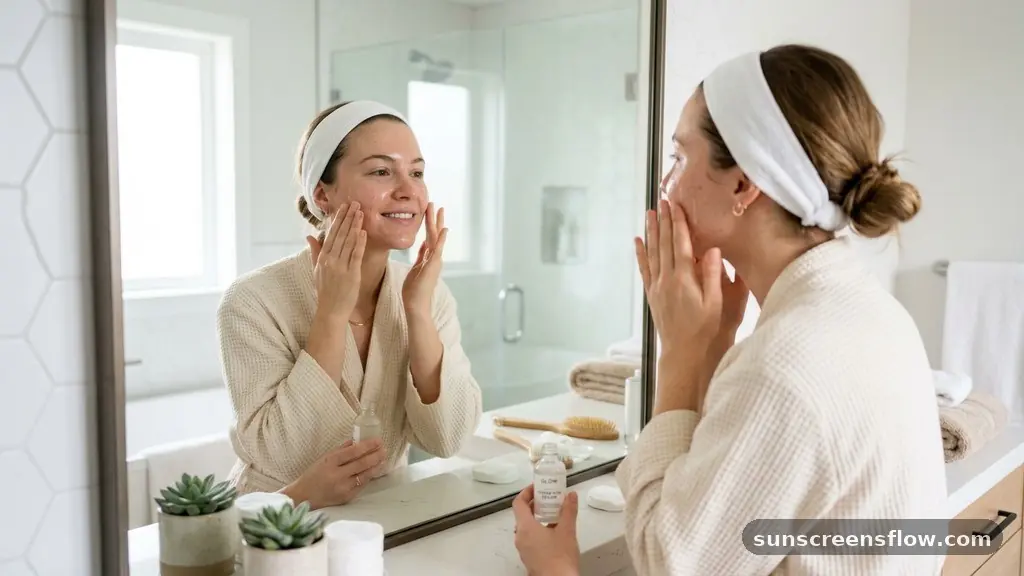
To get the most out of your investment, it is essential to follow Application Best Practices. The general rule of thumb in skincare is to apply products from the thinnest consistency to the thickest. An antioxidant serum should almost always be applied after cleansing and toning but before your moisturizer and sunscreen.
Many people make the mistake of applying their serum to damp skin, which can sometimes cause irritation if the product is highly acidic (like L-ascorbic acid). Instead, wait a few minutes after cleansing to ensure your skin is dry. Use your fingertips to gently press the serum into your skin rather than rubbing it vigorously.
This helps with absorption without causing unnecessary friction. Remember, a little goes a long way; three to four drops are usually sufficient to cover the entire face and neck.
Finally, allow the serum to absorb fully—usually about 60 seconds—before applying your next step. This prevents pilling and ensures that the antioxidants have had enough time to penetrate the epidermis.
The Science of Collagen Production and Skin Barrier Integrity
The relationship between antioxidants and collagen production is one of the most compelling reasons to use these serums. Collagen is a protein that provides structure and support to the skin. As we age, our natural production of collagen slows down, and the existing fibers are broken down by enzymes triggered by UV rays and pollution.
Antioxidants act as a protective buffer for the fibroblasts—the cells responsible for producing collagen. By keeping these cells healthy and free from oxidative stress, you are essentially slowing down the rate of collagen degradation. Furthermore, many antioxidant-rich ingredients also bolster the skin barrier.
A healthy barrier prevents moisture loss and keeps irritants out. When your barrier is compromised, your skin becomes reactive and prone to dehydration. By incorporating these serums, you are reinforcing the skin’s natural defenses, which leads to better moisture retention and a more supple, healthy appearance.
Common Mistakes to Avoid When Starting Antioxidants
As with any potent skincare ingredient, there is a learning curve. One of the most common mistakes is “layering” too many active ingredients at once.
If you are using a strong retinol or chemical exfoliant, adding a high-concentration L-ascorbic acid serum might be too much for your skin to handle, leading to redness and peeling. If you have sensitive skin, start by using your antioxidant serum every other day to allow your skin to acclimate.
Another mistake is improper storage. Many high-quality antioxidant serums, especially those containing vitamin C, are sensitive to light and heat. If you store your bottle on a sunny windowsill or in a steamy bathroom, the formula may oxidize.
You will know this has happened if the serum changes color, usually turning from a clear or light yellow to a dark brown. Once it has oxidized, it is no longer effective and may actually cause more harm than good by generating free radicals upon application. Always keep your bottles tightly capped and stored in a cool, dark place.
How Antioxidants Complement Other Skincare Steps
It is a common misconception that an antioxidant serum replaces the need for other skincare products. In reality, it acts as a force multiplier.
When paired with a broad-spectrum sunscreen, it offers superior protection against skin damage. While the sunscreen reflects or absorbs UV rays, the serum mops up any free radicals that manage to penetrate.
Additionally, these serums work well with peptides and hyaluronic acid. While the antioxidant provides the “shield,” the hyaluronic acid provides the hydration, and the peptides help with structural repair. By creating a multi-layered approach, you ensure that your skin is receiving protection, hydration, and nourishment simultaneously.
Think of your routine as a building project: the cleanser clears the site, the antioxidant provides the security system, the moisturizer provides the insulation, and the sunscreen provides the roof. You need every component for a functional, long-lasting result.
Addressing Topical Gaps: Why Some Serums Fail
Many consumers wonder why they don’t see results even after using a serum for several months. Often, the issue lies in the formulation technology.
Antioxidants are notoriously difficult to stabilize. If a brand uses a low-quality form of an ingredient, or if the packaging allows too much air exposure, the active molecules may be “dead” by the time they reach your skin.
Another gap is the delivery system. The skin is designed to keep things out, which means it is difficult for large molecules to penetrate the surface. Top-tier serums use advanced delivery systems, such as liposomal encapsulation, to ensure the antioxidants reach the layers of the skin where they are needed most.
When shopping, look for opaque, airtight packaging—usually pump bottles or dark-tinted glass. Avoid jars, as the wide opening exposes the entire product to air every time you open it, rapidly degrading its potency. By choosing products with scientific backing and proper packaging, you bridge the gap between “marketing hype” and real, visible skin improvement.
Frequently Asked Questions
What does an antioxidant serum actually do for my face?
An antioxidant serum acts as a protective layer that neutralizes free radicals caused by pollution, UV rays, and environmental stress. By preventing this oxidative damage, the serum helps reduce the appearance of fine lines, prevents premature aging, and encourages a brighter, more even skin tone.
How often should I use an antioxidant serum in my routine?
For the best results, you should apply your antioxidant serum once every morning. Morning application is crucial because it prepares your skin to defend itself against the environmental stressors you will encounter throughout the day. Consistency is key to maintaining long-term skin health and protection.
Is it possible to use too many antioxidants at once?
While using multiple antioxidants is generally beneficial, using too many highly acidic or concentrated products can lead to irritation. It is better to choose one well-formulated, multi-ingredient serum rather than layering several different ones, which could disrupt your skin barrier and cause unnecessary redness or sensitivity.
Can I use antioxidant serum if I have sensitive skin?
Yes, but you must choose the right formulation. Look for serums that feature soothing ingredients like green tea extract, vitamin E, or niacinamide, and avoid high concentrations of L-ascorbic acid if it causes stinging. Always perform a patch test on your inner arm before applying a new product to your face.
Conclusion
Understanding what is antioxidant serum is the first step toward building a resilient, long-lasting skincare routine. These products are far more than just trendy additions to a vanity; they are a fundamental requirement for anyone living in a modern, polluted environment. By neutralizing free radicals and supporting collagen production, they provide the essential defense needed to prevent premature aging and hyperpigmentation.
Whether you are looking to brighten your complexion with vitamin C or calm inflammation with resveratrol, there is a serum designed to meet your specific needs. Remember to prioritize stable formulations, store your products away from light, and apply them consistently as part of your morning ritual.
By investing in quality antioxidants, you are not just treating your skin for today; you are protecting its health, texture, and glow for years to come. With the right product and diligent application best practices, you can effectively shield your skin from the invisible damage of the world around you, ensuring a healthier and more radiant complexion in the long run.


