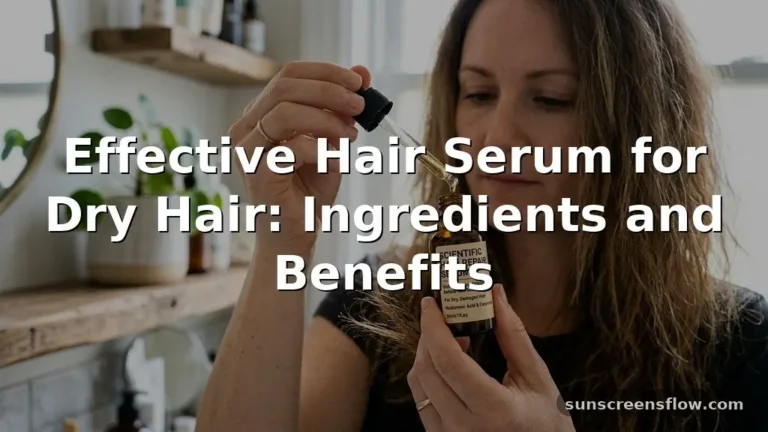


Dry hair is a common concern that often stems from a lack of natural oils, environmental stressors, or frequent chemical processing. When your strands feel brittle, appear dull, or constantly succumb to static and flyaways, a high-quality hair serum for dry hair acts as a targeted intervention.
Unlike heavy conditioners that are rinsed away, serums are designed to remain on the hair shaft, providing a concentrated dose of hydration and protection that lasts throughout the day. By creating a protective moisture barrier, these products not only improve the immediate appearance of your hair but also support long-term health by preventing further dehydration and breakage.
The Science of Hydration: How Serums Transform Dry Strands

At the core of any effective hair serum for dry hair is the ability to penetrate or coat the hair shaft to restore balance. Dry hair often suffers from high hair porosity, meaning the cuticle layer is raised or damaged, allowing moisture to escape as quickly as it is absorbed.
A well-formulated serum works by smoothing these cuticles, effectively sealing the strand to ensure moisture retention. This process is essential for transforming the texture of parched hair from coarse and unruly to soft and manageable.
Many serums utilize a silicone-based framework, often featuring dimethicone, which acts as a lightweight sealant. While some fear silicones, they are incredibly effective at providing instant frizz control and shine enhancement without weighing the hair down.
When combined with natural ingredients, these silicones provide a non-greasy finish that makes hair look polished rather than oily. The goal is to fill in the gaps along the damaged hair shaft, creating a smooth, reflective surface that mimics the natural luster of healthy, hydrated strands.
Key Ingredients to Look for in Your Serum
When shopping for the right product, the ingredient list is your most important tool. Look for a blend of humectants, emollients, and antioxidants that work in harmony to nourish your hair. Argan oil is a gold-standard inclusion, known for its high concentration of essential fatty acids and vitamin E.
It penetrates deeply to soften the hair without leaving a heavy residue, making it ideal for daily use. Similarly, jojoba oil closely mimics the natural sebum produced by the scalp, making it an excellent choice for those struggling with both dry hair and occasional scalp hydration issues.
For those seeking a more intensive moisture boost, hyaluronic acid has become a game-changer. Often associated with skincare, this powerful humectant draws water molecules into the hair shaft, providing deep hydration that lasts for hours.
When paired with botanical extracts, these serums provide a multifaceted approach to hair health. The following table outlines how these common ingredients function within a serum formula to address specific hair needs.
| Ingredient | Primary Benefit | Best For |
|---|---|---|
| Argan Oil | Deep nourishment and shine | Coarse, dull hair |
| Hyaluronic Acid | Intense moisture retention | Extremely dehydrated strands |
| Dimethicone | Cuticle smoothing and frizz control | Frizzy, high-porosity hair |
| Jojoba Oil | Scalp and strand conditioning | Sensitive scalps and dry ends |
Managing Frizz and Flyaways Effectively

One of the primary reasons people seek out a hair serum for dry hair is to gain control over stubborn frizz control issues. Frizz is essentially the hair’s desperate attempt to pull moisture from the air, which happens most frequently when the hair is already dry and damaged.
By applying a serum, you provide an external barrier that blocks humidity from entering the hair shaft. This process is particularly effective for those dealing with flyaways, which are often just shorter or broken hairs reacting to static electricity.
To maximize the anti-frizz benefits, application technique is everything. Start with a very small amount—usually just a few drops—warmed between your palms. Focus the product primarily on the mid-lengths and ends where dryness is most pronounced.
Avoid applying serum directly to the roots, as this can lead to an accumulation of product that makes the hair appear flat or unwashed. By concentrating the serum on the bottom two-thirds of your hair, you maintain volume at the crown while ensuring the most vulnerable parts of your strands are protected and smoothed.
Addressing Damaged Hair Follicles and Split Ends
While no topical product can permanently “glue” a split end back together, a high-quality serum can significantly improve the appearance and tactile feel of damaged hair follicles. Serums containing proteins or strengthening agents help to temporarily reinforce the structural integrity of the hair shaft. This is a vital styling aid for those who frequently use hot tools, as it provides a necessary heat protectant layer that prevents further thermal damage.
Regular use of a serum also acts as a preventative measure. By keeping the ends of the hair lubricated, the serum prevents the friction that leads to breakage. When the hair is dry, it is brittle; when it is brittle, it snaps.
A serum ensures the hair remains supple and flexible, allowing it to withstand the daily mechanical stress of brushing and styling. Over time, this results in a reduction of visible breakage, allowing your hair to grow longer and appear fuller without the constant need for aggressive trimming.
Understanding Hair Porosity and Serum Needs

Not all dry hair is the same, and understanding your hair porosity is essential for choosing the right serum. Low-porosity hair has a tightly closed cuticle that resists moisture absorption. If your hair takes a long time to get wet and a long time to dry, you likely have low porosity.
For this hair type, you need a lightweight formula that won’t sit on top of the hair and cause buildup. Look for serums that are water-based or contain humectants like glycerin or honey, which penetrate more easily.
Conversely, high-porosity hair has a very open cuticle that absorbs moisture quickly but loses it just as fast. This hair type requires thicker, oil-based serums that can “seal” the cuticle and lock in hydration.
Using a sulfate-free shampoo in conjunction with these heavier serums can also prevent the hair from being stripped of its natural oils during the cleansing process. By matching the weight of your serum to your hair’s porosity, you ensure that you are providing hydration without compromising the natural movement and volume of your hair.
Integrating Serums Into Your Daily Routine
The versatility of a hair serum for dry hair makes it an indispensable tool in any beauty regimen. It can be used on damp hair before blow-drying to provide heat protection and detangling, or on dry hair as a finishing touch to boost shine and manageability. For those with extremely dry hair, a small amount of serum can even be used as an overnight treatment, provided it is a natural, oil-based formula that won’t stain your pillowcases.
Consider these tips for daily integration:
- Apply to damp hair for easier distribution and moisture locking.
- Use a tiny amount on dry ends throughout the day to refresh your style.
- Mix a drop of serum with your leave-in conditioner for a customized boost.
- Focus on the ends, as they are the oldest and most dehydrated part of your hair.
- Avoid heat-styling immediately after applying a heavy oil-based serum to prevent “frying” the hair.
The Role of Botanical Extracts in Hair Health
Beyond the basic oils and silicones, many modern serums incorporate botanical extracts to provide additional nutrients to the hair and scalp. Ingredients like aloe vera, green tea extract, and chamomile offer soothing properties that can calm an irritated scalp and provide antioxidants that protect against environmental damage. These extracts often contain vitamins and minerals that support the overall vitality of the hair, making the serum more than just a cosmetic fix—it becomes a part of your long-term hair care health.
When selecting a serum, look for brands that prioritize high-quality, plant-based ingredients. While synthetic ingredients have their place in achieving specific textures, botanical-rich formulas often provide a more holistic approach to hair care.
These extracts can help improve the elasticity of the hair, making it less prone to snapping under tension. Furthermore, the natural scents found in these extracts provide a pleasant, aromatherapy-like experience, turning your daily styling routine into a small moment of self-care.
Answering Common Questions Regarding Dry Hair Care
To ensure you get the most out of your hair care routine, it is helpful to address the most common inquiries regarding the use and selection of these products.
Can hair serum actually heal dry hair?
While hair serum cannot biologically repair dead hair, it provides essential moisture and protection. It fills in gaps in the cuticle, improves elasticity, and prevents further damage. Think of it as a protective shield that allows your hair to grow out healthier while looking smooth and hydrated.
Is it possible to use too much hair serum?
Yes, using too much serum is a common mistake that leads to greasy, weighed-down hair. Because serums are highly concentrated, a little goes a long way. Start with a pea-sized amount, warm it thoroughly in your hands, and apply it only to the ends. You can always add more if needed.
Should I apply serum to my scalp?
Generally, no. Unless your serum is specifically formulated as a scalp treatment, you should avoid applying it to the roots. The scalp produces its own natural oils, and adding a heavy serum can clog follicles, lead to buildup, and make your hair look greasy much faster than usual.
What is the difference between hair oil and hair serum?
Hair oils are typically composed of natural plant oils and are used for deep nourishment, often as a pre-shampoo treatment. Serums are often a blend of silicones and oils designed as a styling aid to provide immediate shine, frizz control, and a smooth, polished finish to the surface of the hair.
Conclusion: Achieving Lasting Hydration
Selecting the right hair serum for dry hair is about understanding the specific needs of your strands—whether that is moisture retention, frizz control, or protection from heat damage. By choosing a product that balances natural oils like argan oil and jojoba oil with effective smoothing agents like dimethicone, you can transform the look and feel of your hair almost instantly. Remember that consistency is key; using a serum as part of your regular maintenance routine will help you manage hair porosity and keep your locks looking vibrant and healthy.
Whether you have thick, coarse hair or fine, damaged strands, there is a formulation designed to help you achieve the shine and softness you desire. Embrace the power of a well-chosen serum and enjoy the confidence that comes with healthy, well-hydrated hair.