

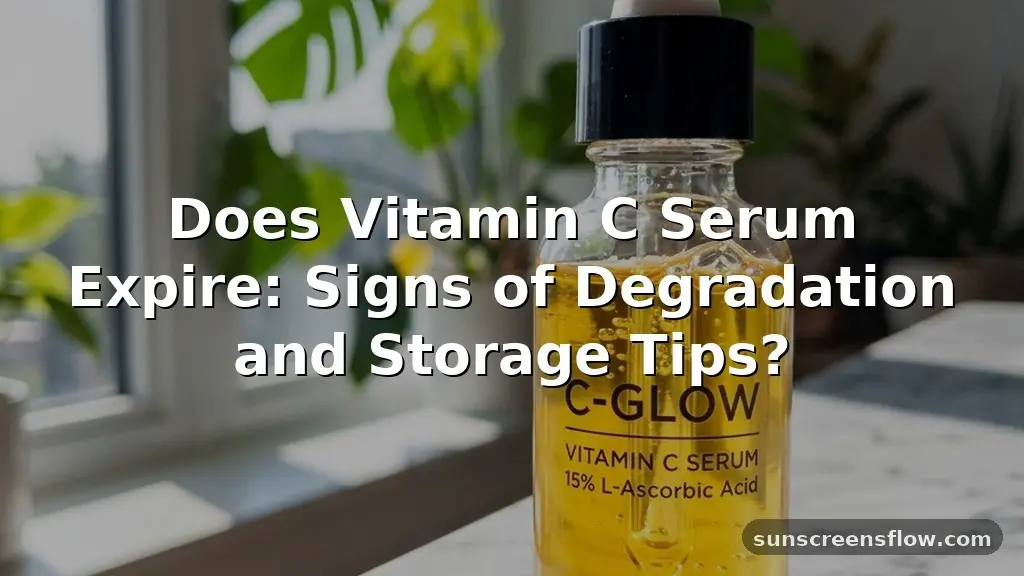
If you have ever reached for your favorite skincare product only to notice a subtle change in its color or scent, you have likely wondered: does vitamin c serum expire? The short answer is yes, like all active ingredients in skincare, vitamin C is subject to chemical breakdown over time.
Because this ingredient is notoriously unstable, understanding its shelf life and how it behaves once exposed to the environment is essential for maintaining an effective beauty regimen. When you invest in high-quality topical antioxidants, you want to ensure you are getting the full benefit of their brightening and protective properties, rather than applying a product that has lost its efficacy or potentially shifted in chemical composition.
The Chemistry Behind Vitamin C Instability
At the heart of the question of whether a product is still good to use lies the chemical nature of L-ascorbic acid. This is the most common and potent form of vitamin C found in skincare, but it is also the most fragile. L-ascorbic acid is a water-soluble molecule that is highly sensitive to environmental stressors, including light, heat, and oxygen.
When these elements interact with the formula, they trigger a process known as skincare oxidation. During this reaction, the vitamin C molecule loses electrons, which fundamentally alters its structure and diminishes its serum potency.
This degradation is not just a matter of the product becoming slightly less effective; it is a complete transformation of the active component. Once the molecule oxidizes, it can no longer effectively neutralize free radicals on the skin, which is the primary reason many people incorporate it into their routines.
Furthermore, the chemical degradation process can sometimes lead to the formation of new compounds that may not have been present in the original formulation. While these byproducts are not necessarily toxic in small quantities, they can alter the product’s pH balance, potentially leading to skin irritation or an unpleasant texture that deviates from what you experienced when the bottle was first opened.
How to Identify an Expired Serum
Recognizing when a serum has passed its prime is a critical skill for any skincare enthusiast. The most obvious indicator of serum instability is a change in color. Fresh, high-quality L-ascorbic acid serums are typically clear or have a very faint, pale straw color.
As the product begins to degrade, you will often notice a yellowish tint that deepens into orange or even brown over time. This discoloration is the visual signature of oxidized vitamin C. If your serum, which was once transparent, has turned a dark amber or brownish hue, it is a strong signal that the potency has significantly dropped.
Beyond visual cues, your senses of smell and touch can provide further evidence. A fresh serum usually has little to no scent, or perhaps a faint, slightly acidic aroma. If you notice a rancid smell—often described as metallic, sour, or like old pennies—this is a clear sign that the chemical integrity of the formula has been compromised.
Additionally, if the consistency of the liquid has changed, such as becoming thicker, tacky, or developing a grainy texture, it is time to discard the bottle. These changes suggest that the stabilizing agents in the formula have failed, leaving the active ingredients vulnerable to the air and light they were meant to be protected from.
Understanding the Cosmetic PAO Symbol
Navigating expiration dates in the beauty industry can be confusing because there are two distinct timelines to consider: the manufacturer’s expiration date and the cosmetic PAO symbol. The PAO, or period after opening, is usually represented by a small icon of an open jar with a number and the letter “M” inside, such as 6M or 12M.
This indicates how many months the product is guaranteed to remain stable after the seal has been broken. For vitamin C serums, the PAO is often shorter than other products, frequently ranging between three to six months.
It is important to understand that the PAO is an estimate based on optimal storage conditions. If you keep your serum in a humid bathroom or expose it to direct sunlight, the product may expire long before the PAO symbol suggests.
Conversely, if you are diligent about serum storage, you might be able to stretch the life of the product slightly, though it is never advisable to use a product well past its recommended window. Always prioritize the PAO over the general shelf life printed on the box, as the act of opening the product introduces oxygen, which is the primary catalyst for degradation.
The Role of Packaging in Serum Longevity
Manufacturers are well aware of the volatility of vitamin C, which is why packaging design is a major factor in serum stability. You will notice that the most effective formulas are almost exclusively housed in dark amber glass bottles.
This specific type of glass is designed to filter out UV rays, which are a major culprit in the breakdown of light-sensitive ingredients. If you see a high-potency vitamin C serum sold in a clear glass bottle, it is an immediate red flag, as the contents are constantly being bombarded by light, accelerating the oxidation process significantly.
Beyond the color of the glass, the delivery mechanism matters. Airless pump dispensers are the gold standard for vitamin C products because they prevent air from entering the bottle every time you dispense the product. Dropper bottles, while popular, expose the entire contents of the bottle to air every time you unscrew the cap.
Over weeks of use, this repetitive exposure to oxygen is precisely what causes the serum to turn yellow. When choosing a product, prioritize options that minimize exposure to the elements, as this will directly influence how long your serum remains active and safe for your skin.
Synergistic Ingredients That Enhance Stability
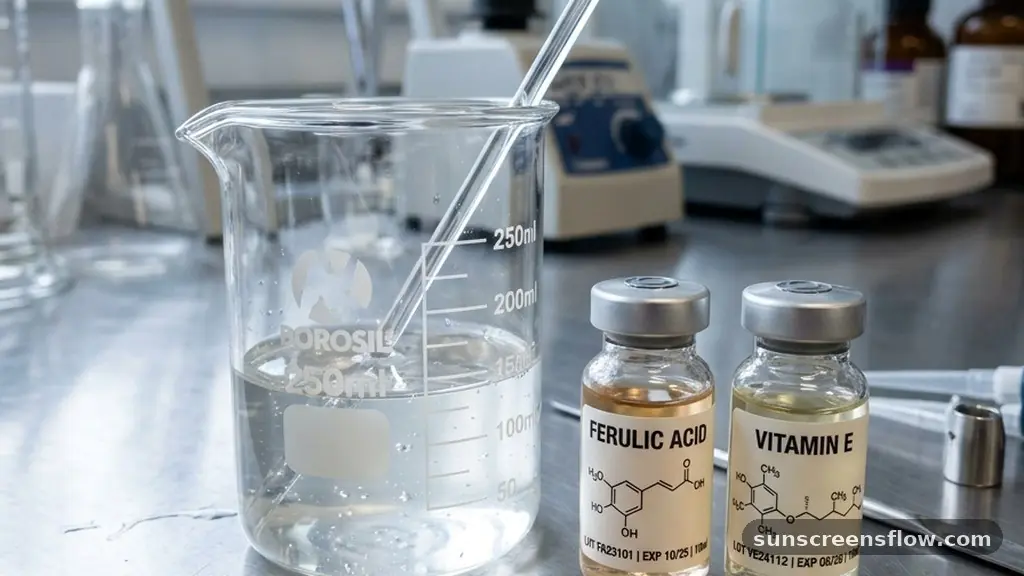
Not all vitamin C serums are created equal, and some formulations are inherently more stable than others due to the inclusion of supporting ingredients. A common strategy employed by cosmetic chemists is the addition of ferulic acid and vitamin E.
These ingredients serve as powerful partners to L-ascorbic acid. Ferulic acid, in particular, has been shown to double the photoprotective capabilities of vitamin C and, crucially, helps to stabilize the formula, preventing it from breaking down as quickly as it would on its own.
When you look at an ingredient list, the presence of these stabilizers can act as a buffer against chemical degradation. While they do not make the serum immortal, they certainly extend the period of effectiveness. Furthermore, the pH balance of the serum is vital.
L-ascorbic acid requires a low pH (usually below 3.5) to penetrate the skin effectively, but this acidity also contributes to its instability. Modern formulations often use derivatives of vitamin C, such as sodium ascorbyl phosphate or tetrahexyldecyl ascorbate, which are more stable at higher pH levels and less prone to rapid oxidation, though they may have different efficacy profiles compared to pure L-ascorbic acid.
| Vitamin C Form | Stability Level | Recommended Shelf Life |
|---|---|---|
| L-Ascorbic Acid | Low (Highly Unstable) | 3–6 Months |
| Sodium Ascorbyl Phosphate | Moderate | 6–12 Months |
| Tetrahexyldecyl Ascorbate | High (Oil-Soluble) | 12+ Months |
Common Storage Mistakes to Avoid
Where you store your skincare products is just as important as the quality of the product itself. Many people keep their serums in the bathroom, which is arguably the worst place for them. Bathrooms are prone to frequent fluctuations in temperature and humidity, both of which are enemies of serum stability.
Heat and steam can speed up the chemical reactions that cause the serum to lose its efficacy. Instead, find a cool, dry place away from direct sunlight, such as a vanity drawer, a closet, or even a dedicated skincare fridge.
Another common mistake is leaving the bottle cap loose or failing to tighten it completely after use. Even a small gap allows oxygen to seep into the bottle. If you are using a dropper, avoid touching the glass tube to your skin, as this can introduce bacteria and other contaminants into the serum, leading to spoilage.
Some enthusiasts choose to store their vitamin C in the refrigerator to keep the temperature constant, which can be beneficial, but be sure the temperature is not so cold that it causes the ingredients to precipitate or separate. Consistency in storage is the key to maintaining the product’s integrity until the very last drop.
Addressing Topical Gaps: Safety and Usage
A frequently asked question is whether it is dangerous to use a serum that has already begun to oxidize. While a slightly yellowed serum is generally not harmful, it is largely useless. The primary reason people use these products is for their ability to neutralize free radicals and stimulate collagen production.
If the vitamin C has oxidized, it has already done its work—but it did it inside the bottle rather than on your skin. Applying an oxidized product essentially means you are applying a liquid that has lost its active benefits, and in some cases, the altered chemical structure can lead to mild skin irritation or clogged pores.
There is also the concern of lipid peroxidation, which can occur if the degraded ingredients interact with the oils on your skin or within the formula itself. While this is rare, it is a reminder that skincare is chemistry. If your serum has turned a deep, dark brown, it is safer to discard it.
The cost of a new bottle is significantly less than the potential cost of treating irritation or dealing with a compromised skin barrier. When in doubt, trust your senses: if it looks wrong or smells off, it is time for a replacement.
Dermatologist Advice on Serum Rotation
If you are struggling to finish a bottle before it expires, dermatologist advice often leans toward a more minimalist approach. Many experts suggest purchasing smaller bottles of vitamin C, even if the price per ounce is slightly higher. A 15ml bottle that you can finish in three months is far superior to a 50ml bottle that sits on your shelf for a year, inevitably oxidizing before you reach the bottom.
Skincare is a long-term game, and consistency is more important than volume. By rotating your products and keeping your inventory lean, you ensure that you are always applying potent, effective ingredients to your face.
Furthermore, dermatologists often emphasize the importance of layering. If you have a large bottle of vitamin C, consider using it on your neck, chest, or even the backs of your hands. These areas also benefit from topical antioxidants and can help you use up the product before it reaches its cosmetic PAO symbol limit.
However, always prioritize your face. If you have a sensitive complexion, do not force yourself to use a product that has clearly degraded just to avoid waste. Your skin health should always be the priority over the financial loss of a half-empty bottle of serum.
Best Practices for a Fresh Routine
To ensure your vitamin C routine remains effective, adopt a proactive approach to your skincare inventory. Start by writing the date of opening on the bottom of the bottle with a permanent marker.
This simple step removes the guesswork and helps you stay within the period after opening guidelines provided by the manufacturer. If you find that you consistently have leftover product, it may be time to switch to a formulation with a different stabilizer profile or simply move to a brand that offers smaller, more travel-friendly sizes.
- Always tighten the cap immediately after use to prevent oxygen exposure.
- Store your bottles in a dark, cool place rather than on a sunny windowsill.
- Avoid keeping your skincare in the bathroom where humidity levels fluctuate.
- Check the color and scent of your serum every time you apply it.
- Consider using an airless pump bottle if your current serum comes in a dropper.
- If the serum turns a dark orange or brown, stop using it immediately.
Ultimately, the goal is to enjoy the benefits of vitamin C without the stress of wondering if it is still working. By understanding the science of skincare oxidation and adopting better habits regarding storage and product selection, you can maximize the longevity of your serums.
Remember that the efficacy of your skincare is directly tied to the stability of the ingredients. When you treat your products with care, they will reward you with the brightening, protective, and anti-aging results you are looking for.
Frequently Asked Questions
What happens if I use an expired vitamin C serum?
Using a slightly oxidized serum is generally not dangerous, but it is likely ineffective. The vitamin C has lost its potency and cannot provide the intended antioxidant benefits. In some cases, significantly degraded products may cause skin irritation or feel tacky on the skin due to chemical changes.
How can I tell if my vitamin C serum has gone bad?
The most reliable signs of expiration are changes in color and scent. A fresh serum is typically clear or pale straw-colored.
If it turns yellow, orange, or brown, it has oxidized. Additionally, a sour, metallic, or rancid smell is a clear indicator that the formula is no longer stable.
Does storing vitamin C in the fridge help?
Yes, storing your serum in a cool, dark environment like a refrigerator can help slow down the oxidation process by keeping the temperature consistent. However, ensure the fridge is not too cold, as extreme temperatures can sometimes cause the active ingredients to crystallize or the formula to separate.
Can I use a 2-year-old vitamin C serum?
It is strongly advised against using a 2-year-old vitamin C serum. Most L-ascorbic acid formulas lose their efficacy within 3 to 6 months after opening. Even if the bottle is unopened, it is unlikely to be potent after two years, and the risk of the formula having degraded into potentially irritating byproducts is high.
In summary, the question of does vitamin c serum expire is one that every skincare user should take seriously to maintain the health and appearance of their skin. By being mindful of the shelf life, watching for signs of serum oxidation, and following proper storage protocols, you can ensure that your active ingredients remain powerful and effective. Whether you are using a high-potency L-ascorbic acid or a more stable derivative, the key to success lies in consistent, thoughtful usage.
Keep your products in a cool, dark place, track your opening dates, and always trust your senses if you notice a change in the quality of your serum. Your skin deserves the best, and that starts with using products that are fresh and potent.


