

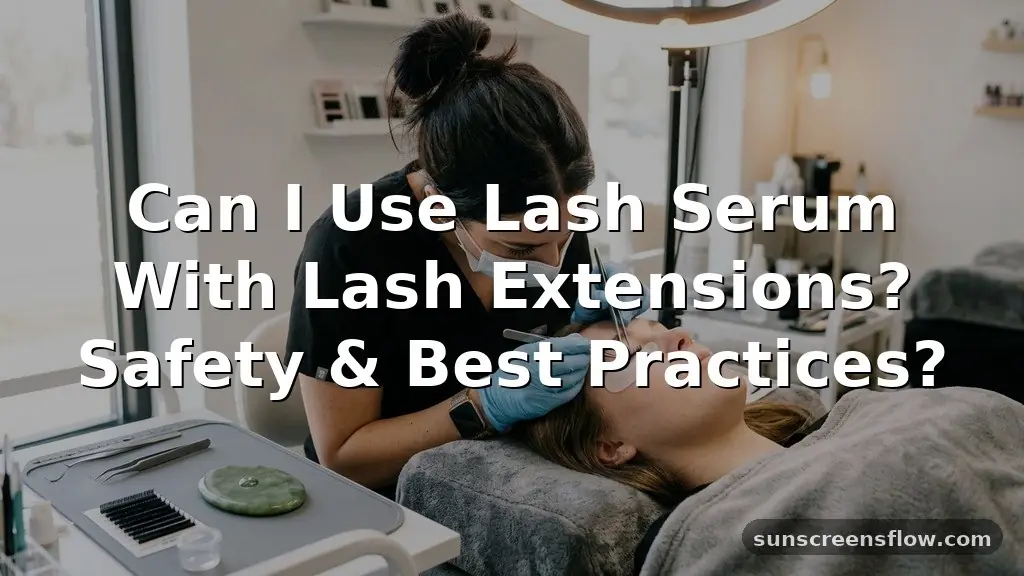
Navigating the delicate balance between enhancing your eyes with professional semi-permanent lashes and maintaining the health of your natural hair can feel like a high-stakes beauty puzzle. A frequently asked question among enthusiasts is whether you can I use lash serum with lash extensions without compromising the look you have invested in. The short answer is yes, but the success of this combination depends entirely on the specific ingredients within your chosen serum and your application technique.
Many people seek out these products to combat the natural thinning that can occur over time, but using the wrong formula can lead to premature fallout. Understanding the chemistry behind your lash adhesive integrity is the first step toward achieving longer, fuller lashes without sacrificing your extension investment.
Understanding the Chemistry of Lash Adhesives
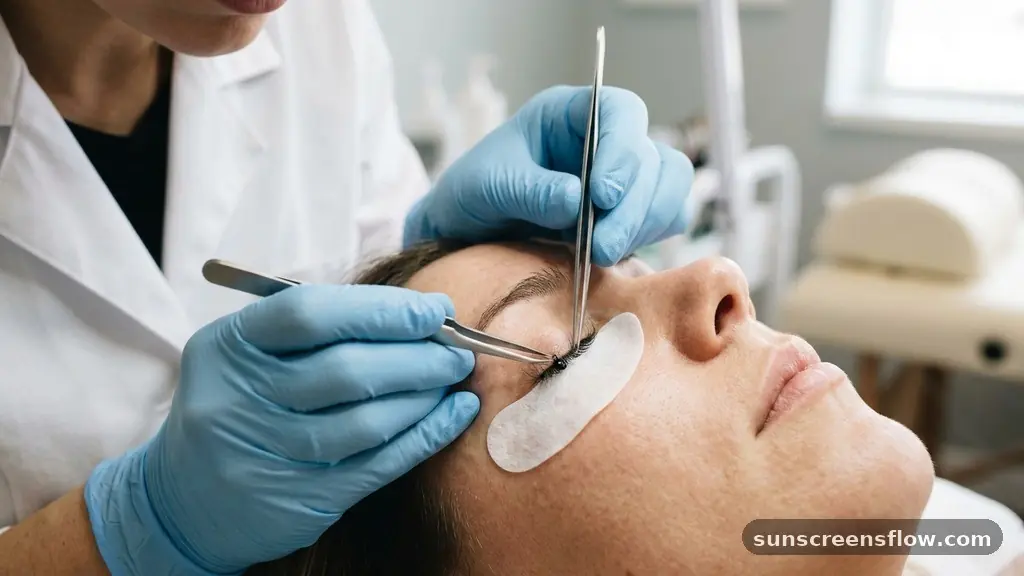
To comprehend why certain products cause issues, one must first look at the bond that holds your extensions in place. Most professional lash artists utilize a cyanoacrylate adhesive. This specialized glue is designed to provide a strong, flexible, and fast-drying bond between the natural lash and the synthetic extension.
The primary enemy of this adhesive is oil. When you introduce oil-based ingredients into your daily routine, they can seep into the bond, causing it to break down rapidly. This phenomenon is known as bond degradation.
If you are using a serum that contains heavy oils, such as castor oil or mineral oil, you are essentially inviting your extensions to slide off before they have reached the end of their natural life cycle. Beyond just the oil content, the viscosity of the serum matters. A thick, viscous liquid tends to coat the entire lash, including the base where the adhesive is applied.
Over time, this buildup can weaken the bond, leading to poor lash retention. Professional technicians always emphasize that the health of the extension depends on keeping the base of the lash clean and free of residue. Therefore, when selecting a growth-promoting product, you must prioritize formulas that are specifically designed to be compatible with these chemical bonds.
The Role of Peptide-Based Serums in Lash Care
When you decide to incorporate a growth product into your routine, peptide-based serums are widely considered the gold standard for those wearing extensions. Unlike older formulas that relied heavily on oils or harsh conditioners, modern peptide serums focus on nourishing the lash follicles and supporting the hair during its natural growth cycle. Peptides are chains of amino acids that act as building blocks for proteins like keratin, which is what your lashes are primarily made of.
By applying these proteins directly to the base of the lash line, you encourage the follicle to remain active and healthy. Because these serums are typically formulated as a water-based serum, they evaporate quickly and do not leave behind a greasy film that could threaten your lash extension aftercare. This makes them safer for the adhesive and less likely to cause the extensions to clump or twist.
When you use a high-quality peptide formula, you are supporting the health of the natural lash that is currently supporting the weight of the extension. This is particularly beneficial if you have been wearing extensions for a long time, as it helps prevent the fine, natural lashes from becoming brittle or thin under the weight of synthetic fibers.
Identifying Ingredients to Avoid
Not all serums are created equal, and some common ingredients can be detrimental to your extensions even if they are marketed as “safe.” The most important rule in eyelash extension maintenance is to avoid anything that compromises the bond.
As mentioned, oils are the primary culprit, but there are other components to watch out for. For example, some serums contain heavy emollients or waxes intended to condition the hair, but these can create a barrier that prevents the adhesive from staying attached to the natural lash.
Furthermore, you should be wary of prostaglandin analogues, which are often found in high-performance growth serums. While these are highly effective at stimulating growth, they can sometimes cause irritation or changes in the skin around the lash line. If you have sensitive eyes, these ingredients might lead to redness or swelling, which can make it uncomfortable to wear extensions.
It is also important to check for glycols or certain alcohols that might dissolve the adhesive over time. To ensure you are making the right choice, always read the ingredient list carefully and look for labels that explicitly state “oil-free” or “extension safe.” If a product’s ingredient list reads like a chemistry textbook full of heavy emollients, it is best to steer clear.
Safe Application Techniques for Lash Extensions
Even if you have the perfect oil-free formula, your application method is just as important as the product itself. The goal is to nourish the hair without touching the bond. This requires precision.
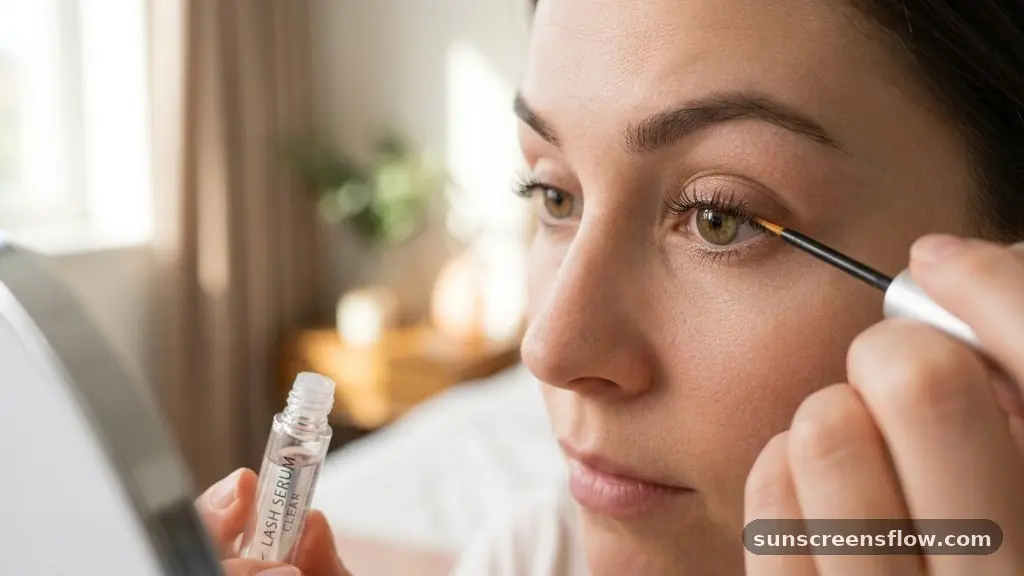
You should never apply the serum directly to the extensions themselves. Instead, focus entirely on the lash line application. Think of it as applying liquid eyeliner; you want to paint the serum onto the skin where the lashes emerge from the eyelid, not onto the lash fibers.
Using a fine-tip brush, apply a very small amount of the serum along the upper lash line. If you use too much, the excess will gravity-pull down onto the extensions, which is exactly what we want to avoid. After applying, allow it to dry completely for a minute or two before you go to sleep or apply any other products.
This ensures that the serum is absorbed by the skin and the follicle, rather than migrating onto the synthetic lashes. If you find that your eyes feel heavy or sticky after application, you have likely used too much product. Consistency is more important than quantity; a tiny amount used every night is much more effective than a large amount used sporadically.
Managing the Natural Lash Growth Cycle
Every person experiences a natural growth cycle that consists of three distinct phases: anagen (growth), catagen (transition), and telogen (resting). Your lashes are constantly cycling through these phases, meaning you will naturally lose a few lashes every day, even without extensions.
When you wear extensions, you might notice this more because the synthetic lash makes the natural shed more visible. A common misconception is that the serum is causing the lashes to fall out, when in fact, the serum is likely just strengthening the existing lashes.
By using a serum, you are essentially trying to extend the anagen phase, keeping the hair in the growth stage for longer. When you have lash mapping done by your technician, they are placing extensions specifically on the lashes that are in the right phase to support the weight. If you successfully use a serum to keep your natural lashes thicker and stronger, your technician will have a better canvas to work with at your next fill.
Stronger natural lashes can support slightly longer or fuller extensions, provided they are within the weight limits recommended by your professional. Always communicate with your lash technician about your use of serums so they can adjust their mapping strategy accordingly.
Addressing Topical Gaps: Common Myths and Realities
There is a lot of misinformation circulating in the beauty industry, and it is important to clarify a few points. One common myth is that all serums are “oil-free” if they are clear. This is false.
A serum can be completely transparent and still contain oil-based ingredients that will wreak havoc on your lash adhesive integrity. Another myth is that you only need to use the serum once a week.
Because the hair growth cycle is a continuous process, your follicles require steady, daily nutrition to see results. Skipping days or weeks will significantly reduce the efficacy of the product.
Another point of contention is whether you can use a serum on your bottom lashes while wearing top extensions. While the risk of bond degradation is lower because there are no extensions attached to the bottom, you still need to be careful about the product transferring when you blink. If you apply the serum to your bottom lash line and then close your eyes, the moisture can transfer the product onto your top extensions.
Always wait for the serum to be fully dry before resting your head on a pillow or closing your eyes for the night. Addressing these subtle habits is what separates a successful lash routine from one that leads to frequent, expensive emergency fills.
| Feature | Oil-Based Serum | Peptide-Based Serum |
|---|---|---|
| Adhesive Compatibility | Low (Causes degradation) | High (Safe for bonds) |
| Primary Function | Conditioning / Coating | Follicle Stimulation |
| Residue | Heavy / Greasy | Minimal / Water-soluble |
| Best Usage | Natural lashes only | Safe for extensions |
The Importance of Proper Cleansing
Your routine does not stop at applying the serum; you must also consider how you clean your eyes. If you are using a high-quality serum, you must ensure that your makeup remover and daily oil-free cleanser are also compatible with your extensions.
If you use a cleanser that contains oils, you are effectively undoing all the work your serum has done. Many people make the mistake of using a heavy cleansing balm to remove eye makeup, which can soften the glue and cause premature lash breakage.
Instead, opt for a foaming cleanser specifically formulated for lash extensions. These products are designed to remove dirt, debris, and oil buildup without compromising the adhesive. You should gently cleanse your lash line every evening, especially if you have applied serum.
This prevents the buildup of dead skin cells and old product at the base of the lash, which can lead to clogged follicles and irritation. A clean lash line is a healthy lash line, and a healthy lash line is the foundation for strong, long-lasting extensions. If you take the time to clean your lashes properly, you will find that your extensions last significantly longer, even if you are using a serum daily.
When to Consult Your Lash Professional
If you are new to the world of extensions or are considering adding a growth serum to your regimen, the best advice is to speak with your lash technician. They are the experts on your specific set of lashes, the type of glue they used, and the overall health of your hair.
They can provide personalized recommendations based on the specific condition of your lashes. If you notice any signs of hypoallergenic reactions, such as itching, puffiness, or redness, stop using the serum immediately and consult your technician or a dermatologist.
Sometimes, the issue isn’t the serum itself but how it interacts with the specific adhesive used by your artist. There are different types of cyanoacrylate adhesives, some of which are more sensitive to certain ingredients than others. Your technician might know that their specific glue is particularly prone to reacting with certain types of peptides or preservatives.
By maintaining open communication, you can build a routine that maximizes the beauty of your extensions while prioritizing the long-term health of your natural lashes. Don’t be afraid to ask for a patch test or to bring your bottle of serum to your next appointment so they can review the ingredient list for you.
Strategic Aftercare for Long-Term Lash Health
Maintaining your lashes is a long-term commitment that requires a blend of professional services and diligent home care. The extension lifespan is directly correlated to how well you treat your natural lashes beneath the surface.
Using a serum is a fantastic way to ensure that when you eventually remove your extensions, you aren’t left with sparse, damaged hair. However, you must view the serum as a treatment for your natural lashes, not an accessory for the extensions.
When you invest in high-quality extensions, you are investing in a look that requires maintenance. This includes avoiding picking at your lashes, sleeping on your back when possible, and staying consistent with your fill appointments. When you combine these habits with a high-quality, water-based peptide serum, you create a holistic environment for your lash growth.
It is about balancing the immediate aesthetic satisfaction of extensions with the underlying biological needs of your hair follicles. By staying vigilant about your products and techniques, you can enjoy the best of both worlds: the dramatic, effortless look of extensions and the health of naturally long, strong lashes underneath.
FAQ: Common Questions About Lash Serums and Extensions
Can I use any lash serum while wearing extensions?
No, you should avoid any serum that contains oils or heavy emollients. These ingredients can break down the cyanoacrylate adhesive, leading to premature lash loss. Always choose a water-based, oil-free formula specifically labeled as safe for use with extensions to protect your investment.
How often should I apply my serum to avoid damaging my lashes?
Consistency is key, but you should only apply a very small amount once a day, ideally at night. Applying too much product can cause it to migrate onto the extensions, which may weaken the bond. A thin layer along the lash line is sufficient for results.
Will a lash serum make my extensions fall out faster?
If the serum is oil-based or applied incorrectly, it can certainly contribute to premature shedding. However, a high-quality, water-based peptide serum applied only to the skin at the lash line should not negatively impact your extensions and may actually improve the health of your natural lashes.
Can I use a lash serum on my bottom lashes if I have top extensions?
Yes, you can use a serum on your bottom lashes, but be careful. Ensure the product has completely dried before you close your eyes or lie down, as moisture or contact can transfer the serum from your bottom lashes to your top extensions, potentially causing bond issues.


