

Navigating the nuances of a daily skincare routine often feels like solving a complex puzzle, especially when it comes to the specific sequence of product application. If you have ever found yourself staring at your bathroom counter wondering if you should apply your toner before or after serum, you are certainly not alone.
The general rule of thumb in dermatology is to apply products from the thinnest consistency to the thickest, but understanding the chemical purpose of these products is equally important for achieving optimal results. By mastering this order, you ensure that your skin receives the maximum benefit from your active ingredients while maintaining a healthy skin barrier.
The Fundamental Rule of Skincare Layering
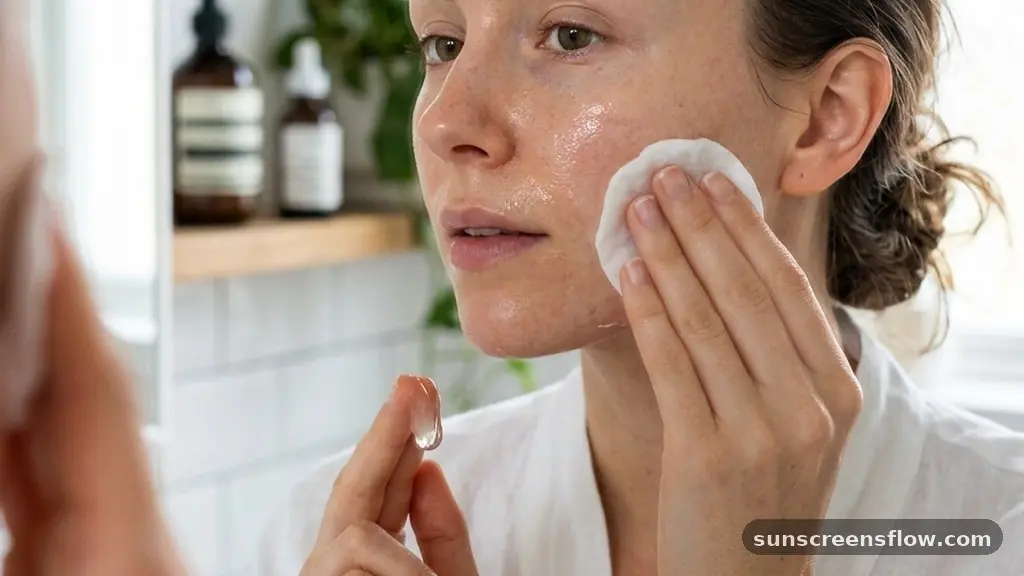
The most reliable way to determine the correct application order is to consider the viscosity of your skincare products. In the world of skincare layering, the general principle is to apply products that are more liquid or water-like first, and move toward products that are thicker, creamier, or oil-based as you go. Toner is typically a water-based solution designed to prep the skin, whereas serums are concentrated treatments formulated to penetrate deeper into the epidermis to address specific concerns like hyperpigmentation, fine lines, or dehydration.
When you apply a facial cleanser to wash away the day, you strip your skin of its natural oils and potentially disrupt your skin pH balance. A toner acts as the bridge between cleansing and treatment. Because toners have a lower viscosity, they are designed to be absorbed quickly, providing a hydration base that makes the skin more receptive to the subsequent, more potent ingredients found in your serum.
If you were to apply a thicker serum first, it could create a barrier that prevents the lighter toner from ever reaching the skin, rendering the toner’s benefits for pore refinement or pH adjustment effectively useless. Always prioritize lightness and fluidity when determining the sequence of your morning and evening rituals.
Why Toner Precedes Serum in Your Routine
The primary reason to use toner before or after serum—specifically choosing the former—relies on the concept of absorption rate. Toners are formulated to remove any lingering impurities that your cleanser might have missed while simultaneously dampening the skin. When the skin is slightly damp, it acts like a sponge.
Applying a serum to damp skin allows the humectants within that serum, such as hyaluronic acid, to pull moisture deeper into the skin layers. If you apply a serum to dry, un-toned skin, you may find that the product sits on the surface rather than absorbing effectively.
Furthermore, toners often contain soothing or balancing ingredients that prepare the skin for the stress of active ingredients found in serums. For example, if you are using a potent vitamin C serum or a high-strength niacinamide treatment, your skin needs a stable, hydrated environment to minimize the risk of irritation.
By using a toner first, you create a buffer that ensures the active ingredients can work their magic without causing unnecessary redness or dryness. This preparation is essential for those with sensitive skin, as it helps maintain the integrity of the skin barrier throughout the entire application process.
Understanding the Role of Molecular Weight
In clinical skincare, the molecular weight of an ingredient dictates how deeply it can penetrate the skin. Toners are generally designed to be lightweight, often containing smaller molecules that can penetrate the surface easily.
Serums, conversely, are engineered to deliver a high concentration of nutrients to the deeper layers of the dermis. If you reverse this order, you are essentially trying to force a high-molecular-weight substance to travel through a layer of potentially thicker, more occlusive serum.
Think of your skin like a multi-layered cake. The toner is the soak that ensures the sponge stays moist, while the serum is the concentrated filling. If you put the filling on the plate before the sponge, you lose the structural integrity of the application.
Furthermore, many modern serums contain advanced delivery systems that rely on the skin being primed and hydrated. By failing to use your toner before or after serum in the correct sequence, you are essentially wasting expensive products that cannot reach their target depth. Always check the texture; if it runs off your finger like water, it belongs before the serum.
Addressing Topical Gaps: When to Break the Rules
While the general rule is to follow the sequence of toner then serum, there are specific instances where you might need to adjust based on the type of product you are using. One common gap in general skincare advice involves the use of exfoliation toners versus hydrating essences. If you are using a chemical exfoliant (like an AHA or BHA toner), it is vital that this product has direct contact with the skin to effectively dissolve dead skin cells.
However, if you are using a very thick, gel-like essence, which sits somewhere between a toner and a serum, you might find that it performs better after your primary serum if that serum is a lightweight water-based serum. The key is to evaluate the specific product. If the toner is an astringent meant to tighten pores, it should definitely go first.
If the product is a milky, moisturizing toner, it might actually function more like a serum. Do not be afraid to adjust based on the tactile feel of the products. If your skin feels tight or tacky after a product, it is likely the wrong time for it in your routine.
The Impact of Hydration and Transepidermal Water Loss
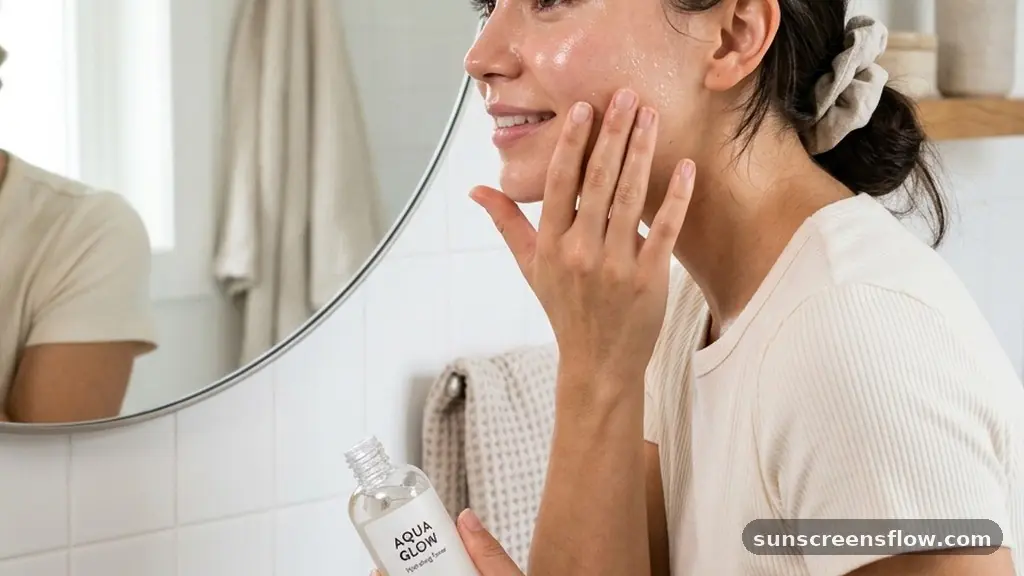
Transepidermal water loss (TEWL) is the primary enemy of healthy, plump skin. When moisture evaporates from the skin’s surface, it leads to dryness, flakiness, and an increased appearance of fine lines.
Using a high-quality toner helps to mitigate TEWL by providing an immediate burst of hydration. When you follow this with a serum containing humectants, you lock that moisture in, effectively creating a seal that keeps your skin hydrated for longer periods.
This combination is particularly powerful during dry winter months or in air-conditioned environments where the air is stripped of humidity. By applying your toner first, you are essentially “topping up” the water levels in your skin cells. Once the toner has been absorbed—usually within thirty to sixty seconds—you apply your serum.
This two-step process ensures that the serum’s active ingredients don’t just sit on top of the skin, but are instead pushed deeper into the layers where they are needed most. This synergy is the secret to a radiant, youthful complexion that feels comfortable all day long.
Table: Comparing Toner and Serum Characteristics
To better understand why the order matters, it is helpful to look at the differences in formulation and intent between these two essential steps in your daily regimen.
| Feature | Toner | Serum |
|---|---|---|
| Primary Purpose | Balance pH and prep skin | Target specific skin concerns |
| Viscosity | Very low (water-like) | Medium to high (gel or oil) |
| Key Benefit | Removal of impurities & hydration | High concentration of actives |
| Application Timing | Immediately after cleansing | After toner/essence |
| Molecular Size | Generally small | Varies (can be large or small) |
The Role of Active Ingredients in Your Routine
Whether you are dealing with acne, aging, or sensitivity, your choice of serum is likely dictated by the active ingredients included in the formula. Ingredients like retinol, which is a powerhouse for cell turnover, or vitamin C, which is essential for brightening, require a stable foundation to function.
If you apply these directly to skin that has not been balanced by a toner, you risk irritation. The toner acts as a stabilizer, ensuring that the skin’s pH is in the optimal range for these actives to perform without causing a reactive inflammatory response.
It is also important to consider the type of serum you are using. Water-based serums should always be applied before any creams or oils. If you are using an oil-based serum, it should be applied after your water-based treatments because oil creates an occlusive layer.
If you applied an oil-based serum before a water-based toner, the water would simply sit on top of the oil, unable to penetrate, and you would lose all the hydrating benefits of the toner. Keeping your routine organized by solubility ensures that every product serves its intended purpose.
Common Mistakes in Skincare Layering
One of the most frequent mistakes people make is using a toner pad too aggressively. While these pads are convenient, they can cause micro-tears if you scrub your face with them. Instead, gently press the toner into your skin with your palms.
This not only prevents physical damage to the skin barrier but also helps the product absorb more efficiently. Another mistake is waiting too long between steps. You want your skin to be slightly damp when you apply your serum, so don’t let your toner dry down completely until your skin feels parched again.
Furthermore, many people assume that more is better. Using five different serums and three different toners is often counterproductive. Skincare is about efficacy, not volume.
If you are using a strong exfoliating toner, you might want to skip the high-potency retinol serum that night to avoid over-sensitizing your skin. Always listen to your skin’s feedback. If you notice persistent redness or stinging, simplify your routine and focus on gentle, hydrating products until your skin recovers its natural balance.
Selecting the Right Products for Your Skin Type
Choosing the right toner and serum depends entirely on your skin type. If you have oily or acne-prone skin, look for toners that offer pore refinement and use non-comedogenic formulas. These toners often contain ingredients like salicylic acid or witch hazel to keep excess oil in check.
For dry or mature skin, look for hydrating toners that focus on humectants like glycerin or aloe vera. These will help to plump the skin and prepare it for a nutrient-rich, anti-aging serum.
For those with combination skin, you might consider “multi-toning,” where you apply a clarifying toner to your T-zone and a hydrating toner to your cheeks. This level of customization is what separates a basic routine from an effective one.
Remember that your skincare routine order is a tool, not a cage. If you find a specific sequence that works better for your unique skin chemistry, feel free to experiment, provided you are still following the fundamental principle of moving from the lightest to the heaviest texture.
FAQ: Common Questions on Skincare Order
Does it matter if I use a cotton pad or my hands to apply toner?
Using your hands is generally better for the environment and for your skin. Cotton pads can be abrasive, potentially irritating the skin barrier, and they absorb a significant amount of product. Pressing the toner into your skin with clean hands ensures maximum absorption and hydration.
Can I skip the toner and go straight to the serum?
You can skip toner if you are using a very gentle cleanser and your skin feels balanced after washing. However, if your cleanser leaves your skin feeling tight or if you live in a dry climate, a toner is essential for restoring hydration and prepping the skin for serum.
What happens if I apply my serum before my toner?
Applying a thicker serum before a lighter toner creates a physical barrier that prevents the toner from penetrating. Because the toner is designed to hydrate and balance the skin, it will likely just sit on top of the serum, leading to a sticky feeling and less effective results.
Should I wait for the toner to dry before applying serum?
You should not wait for the toner to dry completely. The ideal time to apply your serum is while your skin is still slightly damp from the toner. This “damp-skin” application helps the serum’s active ingredients penetrate more deeply and improves overall hydration retention.
Conclusion
Understanding whether to apply toner before or after serum is a critical step in elevating your skincare game. By adhering to the principle of layering from the thinnest to the thickest consistency, you ensure that every product you use is able to perform its intended function. Toners act as the essential first layer of hydration and pH balance, while serums provide the concentrated power needed to transform your skin.
By respecting the molecular weight of your products and focusing on the health of your skin barrier, you can achieve a more effective, efficient, and rewarding routine. Remember that the best skincare routine is one that is tailored to your specific needs, consistent in its application, and mindful of how your skin reacts to different ingredients. With this knowledge, you are well-equipped to curate a regimen that leaves your skin feeling nourished, balanced, and radiant.