


Achieving thicker, longer-looking lashes has become a cornerstone of modern beauty routines, leading many consumers to seek out affordable, high-performance options. When evaluating whether the Ordinary lash serum is safe for daily use, it is essential to look beyond marketing claims and examine the underlying chemistry.
This serum, formally known as the Multi-Peptide Lash and Brow Serum, has gained significant popularity for its accessible price point and its departure from the controversial ingredients found in many prescription-strength competitors. Understanding the safety profile of this product requires a deep dive into its formulation, potential for sensitivities, and the best ways to incorporate it into your eye-care regimen without compromising your ocular health.
Analyzing the Ingredient Profile
The primary reason many beauty enthusiasts gravitate toward this specific formula is its deliberate omission of prostaglandin analogs. In the world of lash enhancement, these compounds—often found in pharmaceutical-grade serums—are highly effective at inducing the telogen (resting) phase of the hair cycle to transition into the anagen (growth) phase. However, they are also associated with significant systemic side effects, such as iris pigmentation, which can permanently darken light-colored eyes, and orbital fat atrophy, a condition that causes the eyes to appear sunken or hollow.
Because the Ordinary lash serum relies on a peptide complex rather than hormones or prostaglandin derivatives, it operates on a different biological mechanism. The formula utilizes ingredients like Acetyl Tetrapeptide-3 and Trifolium Pratense Flower Extract (red clover extract) to support the hair follicle. These components are designed to nourish the hair shaft and improve overall lash health by providing structural support rather than forcing a hormonal growth shift.
By focusing on conditioning and strengthening, the product minimizes the risk of the severe, long-term ocular changes often linked to more potent, medically-derived lash enhancers. This shift in chemistry is the foundation of its safety profile.
Understanding Potential Irritation Risks
Even without prostaglandin analogs, no topical eye product is entirely devoid of risk. Eyelid sensitivity is a highly individualized experience; what causes no reaction in one person might trigger a mild response in another. The skin around the eyes is the thinnest on the entire body, making it exceptionally prone to contact dermatitis and other forms of irritation. When applying any serum near the lash line, there is a physical risk of the product migrating into the eye itself.
If the serum enters the eye, it may cause temporary stinging, redness, or watery discharge. While this is generally an acute reaction rather than a systemic one, it can be uncomfortable and potentially disruptive for those who wear contact lenses. Furthermore, ingredients intended to preserve the shelf life of the serum, while necessary for safety against microbial growth, can occasionally act as allergens.
For those with a history of blepharitis, eczema, or ocular allergies, the threshold for irritation is significantly lower. Recognizing that “safe” does not mean “allergy-proof” is a vital component of informed consumerism.
Dermatological Testing and Safety Standards
The Ordinary is known for its commitment to clinical transparency, and their lash serum undergoes rigorous dermatological testing before reaching the market. This testing process typically involves patch testing and repeat insult patch tests (RIPT) on human subjects to determine the likelihood of a product causing a delayed allergic reaction. These clinical trials are designed to ensure that the pH of the product is compatible with the delicate ocular environment and that the concentration of peptides is stable and non-toxic.
However, it is important to contextualize what these tests actually signify. A product that passes clinical safety standards is deemed safe for the general population, but it does not account for the specific, rare sensitivities of every individual user.
The brand’s focus on a “minimalist” ingredient list—avoiding unnecessary fragrances, dyes, and harsh alcohols—significantly reduces the surface area for potential irritation. By adhering to strict formulation protocols, the brand effectively lowers the probability of adverse outcomes, making it a safer alternative for those who are wary of the complex chemical profiles found in luxury beauty brands.
Best Practices for Safe Application
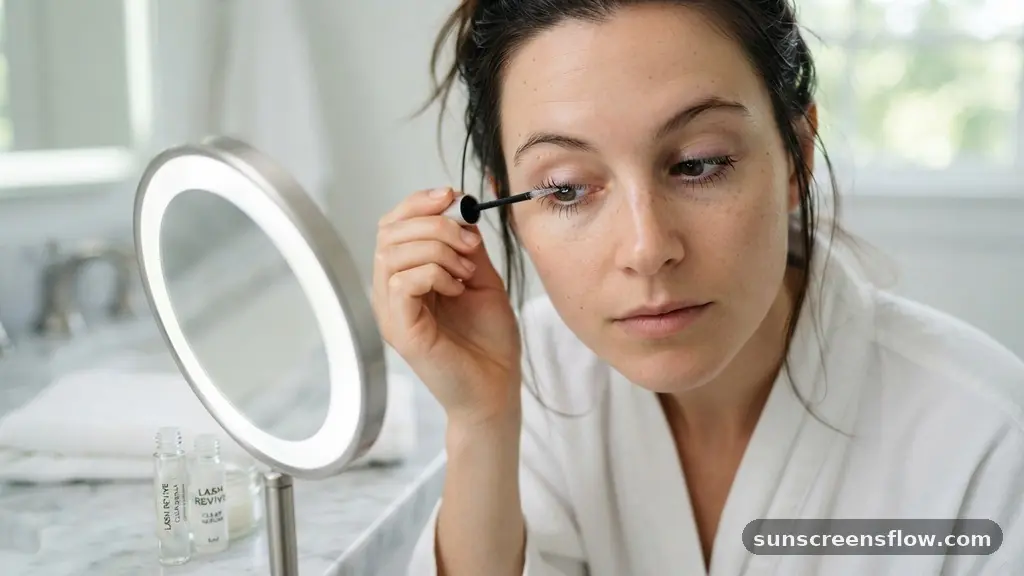
To maximize the benefits of the serum while minimizing the potential for discomfort, users must adopt proper application technique. The delivery system of the serum involves a thin brush designed to deposit a small amount of liquid at the base of the lashes. The most common mistake users make is applying too much product, which increases the likelihood of the liquid dripping into the eye or settling onto the sensitive skin of the eyelid.
To ensure you are using the product safely, follow these application guidelines:
- Cleanse your face thoroughly to remove all makeup, oil, and debris from the eye area.
- Apply a thin layer of the serum only to the lash line, moving from the inner to the outer corner.
- Avoid double-dipping the brush; the amount picked up in one dip is usually sufficient for both eyes.
- Wait at least 90 seconds for the product to dry completely before applying other eye creams or makeup.
- If you wear contact lenses, remove them before application and wait 15 minutes before re-inserting them.
By adhering to these steps, you create a controlled environment that allows the peptides to work on the follicles without overwhelming the delicate tissues surrounding the eye.
The Importance of Patch Testing
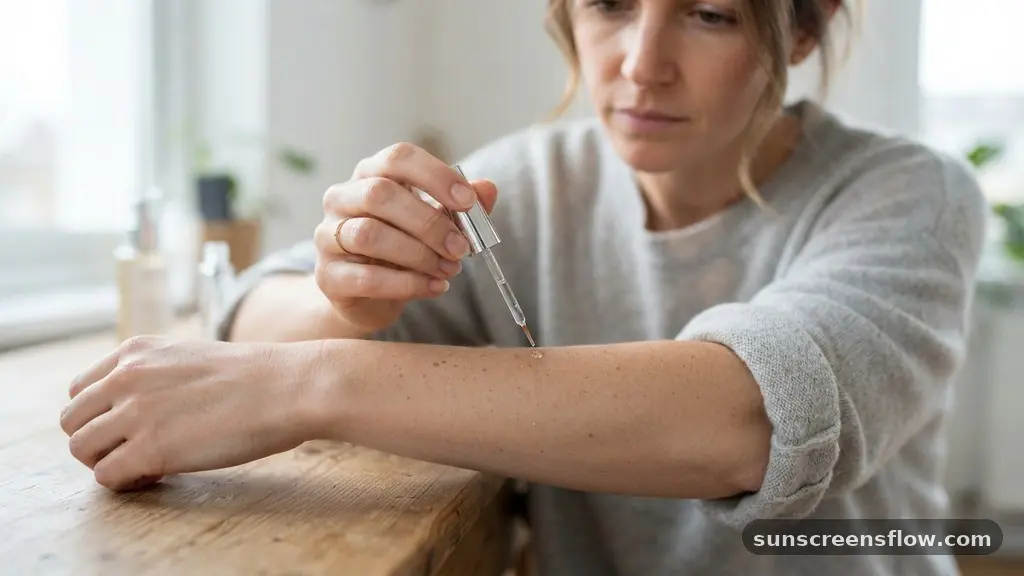
Before incorporating any new product into your daily routine, patch testing is the gold standard for safety. This is especially true for products applied to the eye area.
To perform a patch test, apply a small amount of the serum to a discreet area, such as the inside of your forearm or behind your ear. Observe the area for 24 to 48 hours to see if any redness, itching, or swelling develops.
If you have a history of contact dermatitis or are particularly prone to skin reactions, it is advisable to perform a secondary patch test closer to the eye, such as on the outer corner of the eyelid, before applying it to the full lash line. If you experience persistent burning, swelling, or vision changes, discontinue use immediately and consult a healthcare professional.
While the serum is generally well-tolerated, your skin’s reaction is the ultimate indicator of safety. Taking these extra steps can prevent a localized allergic reaction that could take days to resolve.
Comparing Lash Enhancement Methods
When deciding whether to use this serum, it is helpful to look at how it compares to other methods of lash enhancement. The market is saturated with options, ranging from natural oils to prescription-grade solutions. The following table provides a comparison of these methods based on their mechanism and safety profile.
| Method | Primary Mechanism | Safety Profile | Common Side Effects |
|---|---|---|---|
| Peptide-based Serums | Conditioning & Strengthening | High | Minimal (occasional mild irritation) |
| Prostaglandin Analogs | Hormonal Growth Phase Extension | Moderate/Low | Iris darkening, fat loss, redness |
| Natural Oils (e.g., Castor) | Occlusive Hydration | High | Clogged glands, blurry vision |
As shown in the table, the peptide-based approach occupies a middle ground that favors safety over aggressive growth. While you may not see the dramatic, rapid lengthening associated with prescription products, you are significantly reducing the risks associated with long-term hormonal interference.
Special Considerations for Sensitive Users
There are specific demographics for whom caution is paramount. While there is no specific evidence that this product is harmful, the use of any cosmetic product during pregnancy or while breastfeeding should be cleared by an OB-GYN. Similarly, for adolescents or those with pre-existing ocular conditions like chronic dry eye or glaucoma, the decision to use a lash serum should be made in consultation with an eye care professional.
Special considerations also apply to those who have recently undergone eye surgery, such as LASIK or cataract surgery. The eye is in a heightened state of sensitivity during the recovery period, and introducing foreign substances—even those that are non-toxic—can complicate the healing process or introduce bacteria if the applicator becomes contaminated. Always prioritize the health of your eyes over the aesthetic appearance of your lashes.
If you notice any signs of ocular irritation, such as persistent itching or redness, do not attempt to “push through” the discomfort. Your eyes are far more valuable than the length of your eyelashes.
Addressing Topical Gaps and Misconceptions
A common misconception is that if a product is “natural” or “peptide-based,” it cannot cause harm. This is false. Even botanical extracts can be potent allergens.
Furthermore, some users assume that applying the serum multiple times a day will lead to faster results. In reality, this only increases the risk of product migration and irritation without providing any additional benefit to the hair growth cycle. The hair follicle has a set biological rate of growth that cannot be “sped up” by excessive product application.
Another gap in current information is the role of the lash microbiome. The eyes are home to a delicate balance of bacteria, and introducing synthetic ingredients can potentially disrupt this balance, leading to styes or infections.
Ensuring that your applicator remains clean and that you replace the product every three to six months is just as important as the ingredients inside the bottle. By treating the serum as a medical-adjacent product rather than just another piece of makeup, you ensure a much safer experience.
Long-term Usage and Monitoring Lash Health
Consistency is key for any lash-strengthening routine, but long-term use requires periodic assessment. After a few months of use, take a step back to evaluate whether the product is actually delivering results. If you notice that your lashes are becoming more brittle or that your eyelids are frequently inflamed, it is time to stop and reassess. Lash health is a cumulative process; if the serum is causing irritation, the resulting inflammation can actually inhibit hair growth, which is the exact opposite of the intended goal.
If you find that the product is working well for you, there is generally no reason to stop, provided you remain vigilant about signs of sensitivity. However, many dermatologists recommend taking “serum holidays”—periods of a few weeks where you stop using the product entirely—to allow the skin and the eyes to rest. This practice can help you determine if the product is still necessary and ensure that your eyelid skin remains healthy and resilient.
FAQ Section
Is it bad if The Ordinary lash serum gets in your eye?
While the serum is formulated to be non-irritating, getting it directly into your eye can cause temporary stinging, redness, or watery eyes. If this happens, flush your eye immediately with clean, lukewarm water or a saline solution. If the discomfort persists, discontinue use and consult a physician.
Does The Ordinary lash serum contain prostaglandin analogs?
No, the product is formulated without prostaglandin analogs. It relies on a peptide complex designed to condition and support the appearance of lash density. This distinguishes it from many prescription-strength serums that utilize hormones to force hair growth, which are linked to more severe side effects.
Can I use this serum if I have sensitive eyes?
You can, but you should proceed with caution. Perform a patch test on your inner arm or behind your ear first. If you have a history of ocular allergies or chronic sensitivity, consult your dermatologist or ophthalmologist before adding it to your routine to ensure it won’t trigger an adverse reaction.
How long does it take to see results?
Since the serum focuses on conditioning rather than hormonal growth, results are generally more subtle and take longer to appear. Most users report seeing improved hydration and a healthier appearance in their lashes after 4 to 8 weeks of consistent daily application, rather than the rapid, dramatic growth seen with hormonal products.
Conclusion
Evaluating the safety of the Ordinary lash serum reveals a product that prioritizes a gentle, conditioning approach to lash care. By opting for a peptide-based formula rather than relying on prostaglandin analogs, the brand effectively avoids the most severe systemic risks associated with traditional lash enhancers. However, safety is not a passive state; it is an active practice that involves proper application, diligent patch testing, and an awareness of one’s own unique physical sensitivities.
When used correctly, this serum can be a valuable addition to a beauty routine for those looking to support their natural lash health. By monitoring for signs of irritation and maintaining a clean application environment, you can enjoy the benefits of the product while keeping your eyes safe.
Always remember that your ocular health is the primary priority, and any product that causes persistent discomfort should be removed from your routine immediately. With a balanced, informed approach, you can achieve your aesthetic goals without compromising the health of the delicate skin surrounding your eyes.


