

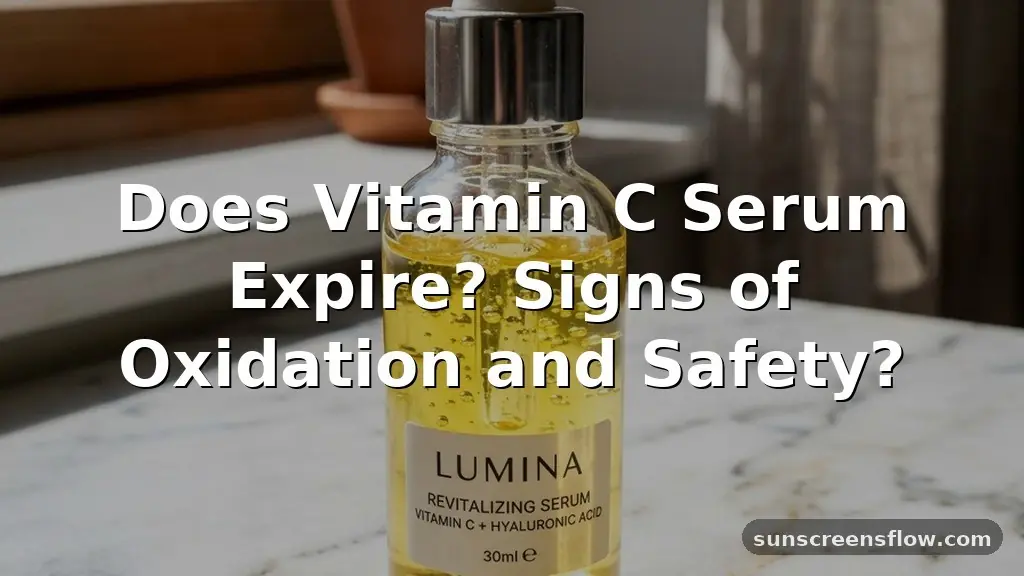
Maintaining a consistent skincare routine often involves investing in high-quality active ingredients, and among these, topical vitamin C is arguably the most celebrated for its brightening and antioxidant properties. However, because this powerhouse ingredient is notoriously finicky, many enthusiasts often ask: does vitamin C serum expires? The short answer is yes, like all beauty formulations, vitamin C serum has a finite shelf life.
Because it is highly reactive, it begins to degrade the moment it is exposed to the elements, leading to potency loss and a decrease in product efficacy. Understanding the chemistry behind this degradation is essential for anyone looking to protect their skin and their wallet.
The Chemistry of Vitamin C Degradation
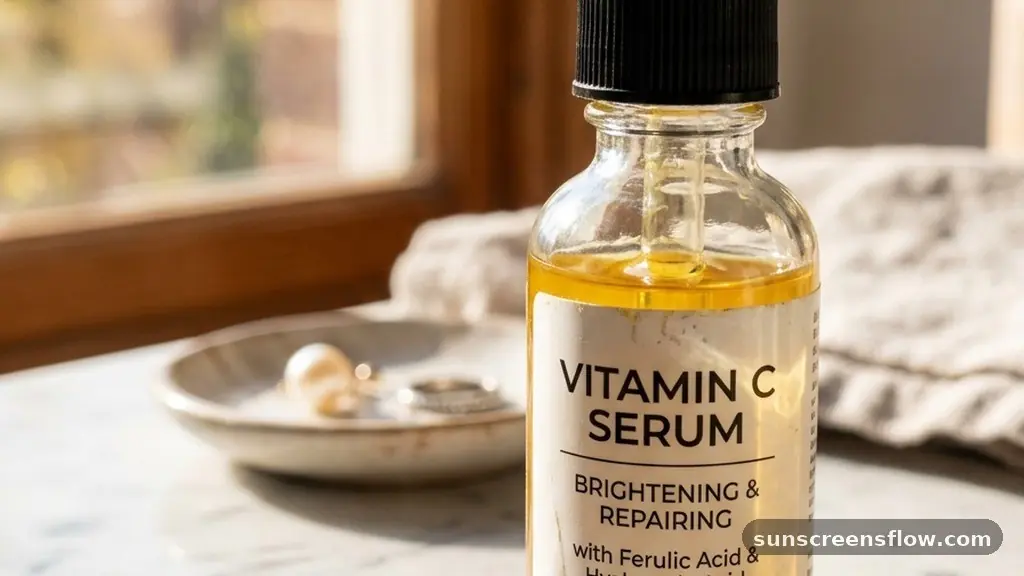
At the heart of the debate regarding whether or not a product is still usable lies the chemical structure of L-ascorbic acid. This is the most common and potent form of vitamin C found in skincare, but it is also the most unstable. The primary enemy of this ingredient is oxidation.
When the serum is exposed to oxygen, light, or heat, the molecules break down, effectively rendering the product useless or even potentially harmful. This process is a classic example of chemical breakdown, where the molecular structure of the active ingredient changes, shifting from a clear, effective antioxidant into a degraded substance that no longer provides the desired benefits for your complexion.
Beyond simple oxidation, the pH levels of the formula play a significant role in how quickly a serum expires. L-ascorbic acid requires a low pH environment—typically below 3.5—to effectively penetrate the skin barrier. If the formulation is not kept at this specific acidity, the stability of the serum is compromised.
Over time, as the product sits on your vanity, subtle shifts in its chemical environment can occur. This instability is why many dermatologists suggest that you treat your vitamin C bottle as a perishable item. Once the seal is broken, the clock starts ticking, and the structural integrity of the formula begins a slow, inevitable decline that cannot be reversed.
Identifying the Signs of an Expired Serum
If you are wondering how to tell if your bottle has gone bad, your senses are your best diagnostic tools. A fresh, potent L-ascorbic acid serum should be clear or have a very faint, straw-like yellow tint. As the product undergoes oxidation, the color will begin to shift.
If you notice your serum turning into a deep orange or a noticeable brownish tint, this is the most common visual indicator that the product has oxidized. While a slight yellowing might be acceptable in some formulations, a dark, tea-like color is a definitive signal that the antioxidant properties have been depleted and the serum should be discarded.
In addition to color, the scent and texture of the product can provide clues. Fresh vitamin C often has a faint, slightly acidic, or metallic smell. If your serum begins to emit a sour, rancid, or “off” odor, it is likely that the chemical composition has changed significantly.
Furthermore, if the texture has become tacky, sticky, or has developed a grainy consistency, these are physical signs that the emulsion has broken down. Never rely on the date printed on the bottom of the bottle alone; while the expiration date is a helpful guideline, environmental factors can cause a product to expire much faster than the manufacturer anticipated.
The Impact of Storage on Serum Stability
Proper skincare storage is arguably the most effective way to extend the life of your serum. Manufacturers often package these products in dark glass bottles or opaque pump dispensers for a reason: they are designed to minimize light exposure.
Vitamin C is photosensitive, meaning that ultraviolet rays can trigger the degradation process almost instantly. Storing your serum in a drawer, a cabinet, or its original box is far superior to leaving it sitting on a bright windowsill or a bathroom counter where sunlight hits it daily.
Another critical factor is air exposure. Every time you open the dropper or unscrew the cap, you introduce fresh oxygen into the bottle. If you use a product with an open-dropper design, consider switching to a version with an airtight packaging system, such as a pump, to limit the amount of air that enters the container.
Many users also swear by refrigeration to maintain shelf stability. While not strictly necessary if you live in a temperate climate and keep your products in a dark, cool place, cold storage can certainly help slow down the rate of chemical reactions, effectively keeping the serum “fresher” for a longer duration.
What Happens When You Use Oxidized Vitamin C?

The most common concern regarding expired products is safety. Can you still put a serum on your face if it has changed color? Generally, applying an oxidized serum is not inherently dangerous in the sense of toxicity, but it is effectively pointless.
Once the vitamin C has oxidized, it loses its ability to neutralize free radicals, which is its main job. Instead of providing the protective, anti-aging benefits you expect, you are essentially applying a degraded substance that provides zero value to your skin.
However, there is a risk of skin irritation. As L-ascorbic acid breaks down, the byproduct of its degradation can sometimes be more acidic or irritating than the original formula. If your skin is sensitive, applying a compromised serum can lead to redness, stinging, or even mild contact dermatitis.
Furthermore, because the product is no longer an effective antioxidant, you lose the protection it was supposed to provide against environmental stressors like pollution and UV damage. Using a product past its prime is essentially a waste of your skincare budget and an unnecessary risk for your skin barrier.
Comparing Serum Storage Methods
To keep your products in peak condition, it helps to understand how different storage environments affect the longevity of active ingredients. The following table summarizes how various environmental factors influence the degradation of your vitamin C products.
| Factor | Optimal Condition | Negative Effect |
|---|---|---|
| Light | Dark, opaque container | Rapid molecular degradation |
| Temperature | Cool, stable room temp | Heat accelerates chemical breakdown |
| Air | Airtight pump bottle | Oxidation of L-ascorbic acid |
| Moisture | Dry, humidity-free area | Can alter pH and stability |
Tips for Maximizing Your Skincare Shelf Life
If you want to get the most out of your investment, you need a proactive approach to managing your products. Beyond just storing them correctly, you should consider the size of the bottle you purchase.
It is often better to buy smaller bottles of vitamin C more frequently than a large, professional-sized bottle that will sit on your shelf for six months. Because of the skincare shelf life limitations, a large bottle is likely to oxidize before you can finish it, leading to waste.
Consider these practical steps to ensure your serum stays potent:
- Always tighten the cap immediately after each use to prevent unnecessary air exposure.
- Keep your products away from the steam and humidity of your shower area, as moisture can destabilize formulations.
- If you notice the product changing color within the first few weeks, ensure you are keeping it in a truly dark environment.
- Consider using a “first-in, first-out” system if you have multiple skincare products to ensure nothing sits unused for too long.
- Check for any changes in the texture or the smell of the product every time you apply it.
Addressing Common Topical Vitamin C Myths
There is a significant amount of misinformation regarding topical vitamin C and its longevity. One common myth is that if a serum doesn’t smell like oranges, it must be fake or expired. In reality, pure L-ascorbic acid has a distinct, non-fruity scent.
Another myth suggests that if you keep a serum in the fridge, it will last indefinitely. This is false; refrigeration merely slows the process of potency loss; it does not stop it entirely. A serum that has been open for a year will likely be degraded regardless of how cold it was kept.
Another misconception is that all forms of vitamin C have the same shelf stability. While L-ascorbic acid is the gold standard for efficacy, it is also the most volatile. Derivatives like sodium ascorbyl phosphate or magnesium ascorbyl phosphate are much more stable and less prone to oxidation.
If you find that you struggle to finish a bottle of L-ascorbic acid before it turns brown, you might consider switching to a derivative. While these derivatives may not offer the exact same potency, they are significantly more forgiving and have a much longer shelf life, making them a better choice for those who are less consistent with their daily application.
The Role of Dermatological Testing and Quality Control
When you purchase a high-quality serum from a reputable brand, the formulation has undergone rigorous dermatological testing to ensure it remains stable for a specific period, provided the user follows the storage guidelines. Brands invest heavily in stability testing to determine the “period after opening” (PAO) symbol often found on the back of the packaging. This small icon, which looks like an open jar with a number and an “M,” tells you how many months the product is guaranteed to be effective once the seal is broken.
Ignoring these guidelines can be a mistake, as the manufacturer has already done the work of calculating how long the antioxidants will remain active in the given packaging. If you notice that your product has turned brown well before the PAO date, it is often a sign that the product was compromised by improper storage in the store or during shipping.
Always buy from retailers with high turnover rates to ensure you are getting the freshest stock possible. Freshness is a key component of the efficacy of your skincare routine, and starting with a fresh bottle is the best way to guarantee you are getting the full benefits of the active ingredients.
Frequently Asked Questions
What happens if I use an expired vitamin C serum?
Using an expired serum is generally not harmful, but it is ineffective. The vitamin C has oxidized, meaning it no longer acts as an antioxidant. In some cases, the degraded ingredients may cause mild skin irritation, redness, or stinging, especially if your skin barrier is sensitive.
How can I tell if my vitamin C serum has gone bad?
The most reliable sign is a change in color. If your serum has turned from clear or light yellow to a deep orange or brown, it has oxidized. You should also discard the product if it develops a rancid, sour smell or a sticky, grainy, or unusual texture.
Can I keep my vitamin C serum in the refrigerator?
Yes, storing your serum in the refrigerator can help slow down the process of oxidation and extend its shelf life. However, it is not strictly required. As long as you keep the bottle in a cool, dark, and dry place, the product should remain stable until its expiration date.
How long does vitamin C last after opening?
Most vitamin C serums are designed to remain potent for three to six months after opening. Always check the PAO (Period After Opening) symbol on the packaging, which indicates the recommended number of months you should use the product before it loses its effectiveness.
Conclusion
Understanding if does vitamin C serum expire is a vital part of maintaining a healthy and effective skincare regimen. As we have explored, the delicate nature of L-ascorbic acid makes it susceptible to oxidation, which leads to potency loss and, ultimately, a product that no longer serves your skin. By paying attention to the visual and olfactory signs of degradation—such as a brownish tint or a sour smell—and adhering to strict skincare storage practices like avoiding light exposure and heat, you can ensure that you are getting the maximum benefit from your investment.
While the expiration date provides a baseline, your own vigilance in monitoring the product’s quality is the best defense against using ineffective skincare. Whether you choose to refrigerate your serum or simply store it in a dark drawer, taking these small, consistent steps will ensure that your topical vitamin C remains a powerful tool in your fight against free radicals and a bright, healthy complexion. Remember, when in doubt, it is always better to err on the side of caution and replace an oxidized product rather than continuing to use a serum that has lost its efficacy.


