


Many people wondering if an eyebrow serum actually works have likely spent years over-plucking or struggling with sparse patches that refuse to fill in. It is easy to feel skeptical when faced with countless beauty products promising dramatic transformations, but understanding the biological reality behind these formulas can help you set realistic expectations.
By examining the hair follicle cycle and the specific ingredients commonly found in these treatments, we can demystify whether these topical solutions truly stimulate new growth or merely condition existing hairs to appear fuller. Getting to the bottom of whether a product is worth your time and money requires looking past the marketing hype and into the actual science of hair growth.
The Biological Foundation of Eyebrow Growth
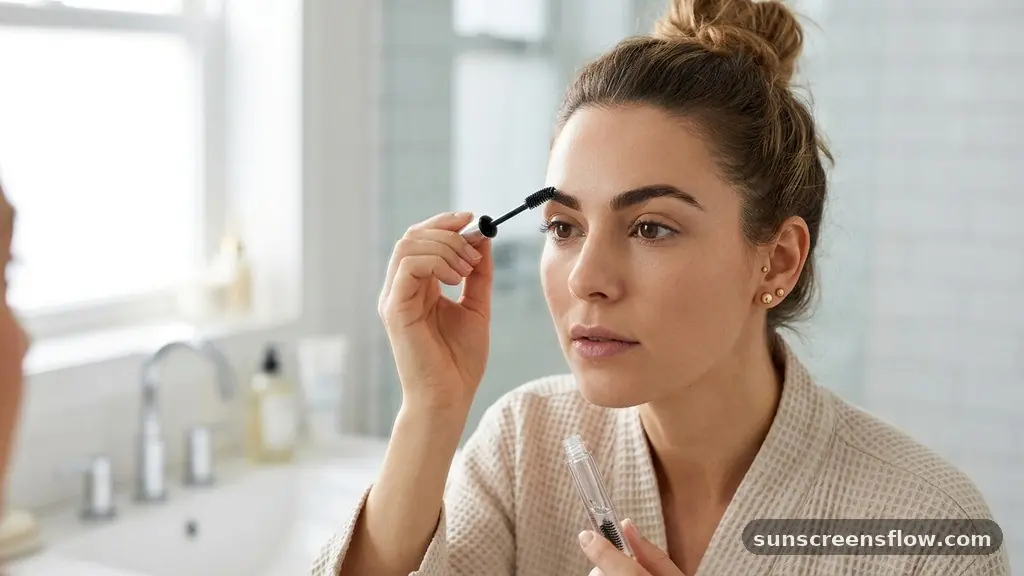
To understand the efficacy of any topical treatment, you must first look at the hair follicle cycle. Your eyebrows, much like the hair on your head, grow in specific stages: the anagen phase (growth), the catagen phase (transition), and the telogen phase (resting).
The duration of the anagen phase for eyebrows is significantly shorter than that of scalp hair, which is why your brows do not grow to the same length. Most serums aim to extend this active growth phase or provide the necessary nutrients to keep the follicle functioning at its peak.
When you apply a serum, you are essentially providing a topical environment that supports the hair follicle during its most vulnerable moments. If a follicle has been dormant due to years of aggressive grooming or environmental damage, it might require more than just vitamins to jumpstart activity.
This is where the debate over chemical versus botanical ingredients becomes critical. While some users report visible improvements in brow density within weeks, others may see very little change if their follicles are permanently damaged or if the product lacks the potency to penetrate the skin barrier effectively.
How Prostaglandin-Based Serums Function
The most potent category of growth-promoting products utilizes prostaglandins or their synthetic analogs, such as isopropyl cloprostenate. These compounds were originally discovered through research into glaucoma treatments, where patients using bimatoprost eye drops noticed their lashes and brows growing longer and thicker as a side effect. These chemicals work by directly influencing the hair growth phase, forcing follicles to stay in the anagen phase longer than they would naturally.
Because these ingredients are highly active, they are often the most effective at producing visible results in terms of length and thickness. However, their potency comes with a higher risk profile.
Users should be aware that these compounds can trigger side effects, including ocular irritation or even skin hyperpigmentation around the treatment area. If you decide to use a formula containing these powerful analogs, it is essential to monitor your skin for signs of sensitivity, as the delicate area around the eyes is notoriously reactive.
The Role of Peptide Complexes and Proteins
For those who prefer a gentler approach, many modern formulas rely on peptide complexes rather than pharmaceutical-grade analogs. These peptides are essentially chains of amino acids that signal the follicles to produce more keratin, the structural protein that makes up each hair strand. By fortifying the hair shaft, these serums help prevent breakage, which creates the illusion of thicker, fuller brows even if the actual number of follicles hasn’t increased.
Integrating biotin and panthenol into these mixtures is a common strategy in cosmetic chemistry. Biotin is a B-vitamin often associated with hair health, while panthenol acts as a humectant, drawing moisture into the hair to keep it flexible.
When a brow is well-hydrated, it is less likely to become brittle and fall out prematurely. While these products might not offer the rapid, transformative growth seen with prostaglandins, they are generally safer for long-term use and help maintain the overall health and shine of the existing hair.
Botanical Extracts and Natural Alternatives
Many consumers are turning toward plant-based solutions, favoring botanical extracts over synthetic chemicals. Ingredients like castor oil, aloe vera, and various herbal infusions are frequently marketed for their ability to nourish the skin and support healthy hair growth. While these ingredients are excellent for conditioning, their ability to actively stimulate new follicle growth is often overstated in marketing materials.
The primary benefit of botanical-based serums lies in their ability to improve the health of the skin barrier. A healthy, hydrated surface is a better environment for hair to grow, but these oils cannot force a dormant follicle to wake up in the same way a drug-based serum might.
If your goal is to improve the texture of your brows and prevent them from looking dry or sparse, these natural options are a fantastic addition to your daily routine. However, they should be viewed as maintenance tools rather than miracle growth solutions.
Addressing Topical Gaps in Current Research

A common question that remains under-addressed in many beauty articles is whether these products can actually “regrow” brows in areas where hair has been lost due to scarring or trauma. Unfortunately, if a hair follicle is dead or destroyed, no topical serum can bring it back to life. Serums are designed to support living follicles; they cannot perform the miracle of generating new ones in completely bald patches caused by deep scarring.
Another gap involves the influence of the placebo effect in beauty marketing. Because hair growth is a slow process, it is easy for users to perceive improvements that aren’t necessarily there, or to attribute natural fluctuations in hair density to the serum.
Furthermore, many studies referenced by cosmetic companies are internal and lack the rigor of independent, peer-reviewed clinical efficacy trials. When evaluating a product, look for dermatologist-tested labels, but remember that “dermatologist-tested” simply means a doctor looked at the formula, not necessarily that they verified it works on every user.
Strategic Application and Routine
Consistency is the most important factor in determining whether a product works for your specific needs. Because the hair growth cycle spans several weeks to months, you cannot judge a serum’s effectiveness after only a few days of use.
Most manufacturers recommend daily application for at least eight to twelve weeks to see any discernible difference in brow density. Skipping applications or using the product sporadically will almost certainly result in disappointment.
| Serum Type | Primary Mechanism | Time to Visible Results | Risk Level |
|---|---|---|---|
| Prostaglandin-based | Extends anagen phase | 4-8 weeks | Moderate |
| Peptide-based | Fortifies hair structure | 8-12 weeks | Low |
| Botanical-based | Conditions and moisturizes | 12+ weeks |
To maximize your results, ensure the area is clean and free of makeup or oils before application. Applying the serum at night allows the active ingredients to penetrate the skin without being washed away by sweat or environmental pollutants.
Using a clean spoolie or the provided applicator, apply the solution directly to the base of the hair where it meets the skin. Avoid getting the product inside your eyes, as this is the primary cause of irritation.
Safety, Side Effects, and Dermatological Concerns
Dermatological safety should always be your top priority when applying any substance near the eye area. Even if a product is labeled as natural, individual reactions can occur, ranging from mild redness to contact dermatitis. If you have a history of sensitive skin or ocular conditions like dry eye syndrome, it is wise to consult with a professional before adding a new serum to your regimen.
Common side effects to watch for include:
- Redness or inflammation of the eyelid skin.
- Itching or a burning sensation during application.
- Darkening of the skin (hyperpigmentation) where the serum touches.
- Temporary eye irritation if the product migrates into the eye.
- Unwanted hair growth in areas adjacent to the eyebrow if the serum is applied sloppily.
If you experience any of these symptoms, discontinue use immediately. It is also important to note that once you stop using a growth-promoting serum, your brows will eventually return to their natural growth cycle. The gains in length and density are not permanent; they are a result of the ongoing presence of the active ingredients.
Setting Realistic Expectations for Results
The most significant cause of dissatisfaction with these products is unrealistic expectations. If you have naturally thin or light-colored brows, no amount of serum will turn them into thick, bushy arches overnight.
These treatments are best suited for individuals whose brows have become thin due to over-plucking, aging, or hormonal changes. They work by optimizing the potential of your existing follicles, not by changing your genetic predisposition for brow shape or thickness.
When you manage your expectations, you are less likely to view a product as a “failure” simply because it didn’t provide a dramatic transformation. Instead, look for subtle shifts: fewer gaps, a slightly darker appearance due to improved health, or less breakage when you comb through them. These incremental changes, when combined with professional eyebrow maintenance like tinting or microblading, can help you achieve the look you desire without relying on a single, magical bottle.
The Future of Eyebrow Maintenance
As cosmetic chemistry continues to advance, we are seeing more sophisticated delivery systems that allow active ingredients to penetrate deeper into the skin. Future developments may focus on targeted delivery, where peptides and nutrients are encapsulated to ensure they reach the follicle without causing surface-level irritation. The trend is moving toward personalized brow care, where formulas are tailored based on the specific reason for hair thinning, whether it be stress, nutrient deficiency, or age-related slowing of the growth cycle.
While we wait for these innovations, the current market offers a wide array of choices for those willing to do their research. By focusing on ingredient lists, understanding the mechanism of action, and committing to a consistent routine, you can make an informed decision about whether these treatments are right for your lifestyle. Whether you opt for a high-powered pharmaceutical serum or a nourishing botanical oil, the key is to prioritize your skin’s health alongside your aesthetic goals.
Frequently Asked Questions
Do all eyebrow serums contain the same active ingredients?
No, there is a wide variance in formulations. Some rely on potent synthetic analogs like prostaglandins to force growth, while others use amino acid-rich peptide complexes or natural botanical extracts. It is essential to read the label, as different ingredients carry different risks and varying levels of efficacy.
Is it possible to see results in less than a month?
While some people report seeing changes in four weeks, most clinical results appear after eight to twelve weeks. The hair growth cycle is a slow biological process; expecting significant changes in a few days is unrealistic and often leads to the false conclusion that a product is ineffective.
Can I use an eyelash serum on my eyebrows?
In many cases, yes, the formulas are similar or identical. However, always check the packaging, as some lash serums contain concentrations or additives specifically designed for the delicate eyelid skin that might be unnecessary or less effective for the thicker skin found in the brow region.
What happens if I stop using the serum?
Once you stop applying the serum, your hair follicles will gradually revert to their natural growth cycle. Any length or density gains achieved through the serum will eventually fade as the treated hairs shed and are replaced by new hairs that are not being supported by the active ingredients.
Conclusion
Deciding whether to incorporate a serum into your beauty routine is a personal choice that hinges on your individual goals and the health of your skin. While these products can certainly help improve the appearance of brow density and support the health of your hair follicles, they are not a substitute for medical intervention if your hair loss is caused by underlying health conditions. By maintaining a consistent application schedule and staying vigilant for any signs of sensitivity, you can safely experiment with these treatments to see what works best for your unique brow profile.
If you find the right formula, you will likely notice that your brows look healthier, more resilient, and better conditioned over time. Take the time to monitor your progress, and do not hesitate to pivot if a specific product does not meet your needs.
Meta Description: Does eyebrow serum work? Discover the science behind hair growth cycles, ingredient efficacy, and safety tips to achieve fuller, healthier-looking brows.


