

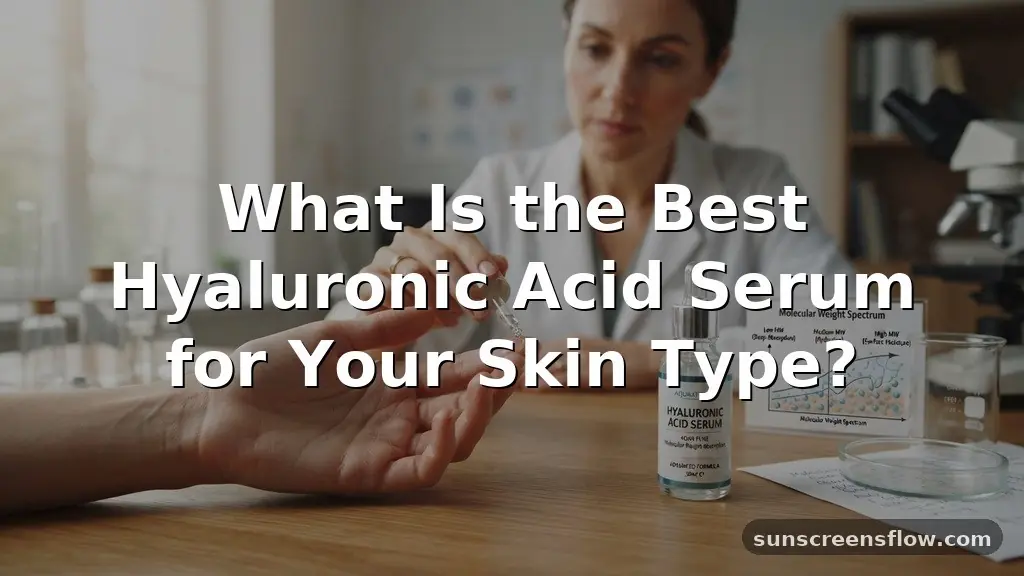
Achieving a radiant, dewy complexion often hinges on one critical ingredient: hyaluronic acid. As a powerhouse humectant, this naturally occurring substance has the unique ability to hold up to 1,000 times its weight in water, making it a cornerstone of modern skincare routines.
When you are searching for what is the best hyaluronic acid serum, you are essentially looking for a formula that effectively delivers deep hydration while supporting your skin barrier. Whether you are dealing with dry patches, fine lines, or an oily T-zone, understanding how this molecule interacts with your skin is the first step toward achieving lasting results.
The Science of Molecular Weight and Absorption

To truly understand what makes a high-quality serum, you must first look at the molecular weight of the hyaluronic acid used in the formula. Hyaluronic acid is a large molecule, and in its natural state, it sits primarily on the surface of the skin.
However, advanced formulations now utilize multi-molecular weights to ensure that the ingredient works at various depths. High-molecular-weight hyaluronic acid stays on the surface to provide an immediate plumping effect and lock in moisture, whereas low-molecular-weight versions can penetrate deeper into the epidermis to provide long-term benefits.
The best serums often combine these weights to create a comprehensive moisture profile. When you apply a serum with varying sizes of molecules, you are addressing both the immediate need for surface smoothness and the underlying requirement for deeper hydration.
This dual-action approach is crucial for those looking to improve skin texture and combat the early signs of aging. When shopping, look for labels that specify “multi-molecular” or “complex” to ensure you are getting the most out of your topical application.
Why Humectants Need Occlusives to Function
A common mistake many users make is applying a serum to dry skin and expecting a miracle. Because hyaluronic acid is a humectant, it draws moisture from its surroundings. If the air around you is extremely dry, the serum might draw moisture out of your skin rather than into it.
This is why pairing your serum with an occlusive agent is non-negotiable. An occlusive acts as a physical barrier that prevents transepidermal water loss, ensuring the hydration drawn in by the serum stays locked within the dermis.
If you have oily skin, you might opt for a lightweight, gel-based moisturizer as your occlusive. Those with dry or mature skin might prefer a richer cream or an oil to seal in the hydration.
By layering your products correctly—serum first, followed by a moisturizer—you create a synergistic environment where the hyaluronic acid can perform at its peak. This simple step of “sealing” the moisture is often the difference between a product that feels like it “doesn’t work” and one that transforms your skin.
Key Ingredients That Complement Hyaluronic Acid
When evaluating what is the best hyaluronic acid serum, it is helpful to look for supporting ingredients that enhance the serum’s efficacy. Skincare is rarely about a single hero ingredient; it is about the “cocktail” of actives that work in harmony.
Many dermatologists recommend looking for serums that include vitamin B5 (also known as panthenol). Panthenol is a soothing agent that helps repair the skin barrier and works beautifully alongside hyaluronic acid to calm irritation and redness.
Another common pairing is niacinamide, which helps regulate oil production and improve the appearance of pores. For those focused on anti-aging, serums that include a peptide complex or ceramide blend are excellent choices.
Ceramides help restore the lipid barrier, while peptides signal the skin to support collagen synthesis. By choosing a serum that includes these secondary ingredients, you are not just hydrating your face; you are actively strengthening your skin’s health and resilience over time.
Navigating Formulas for Different Skin Concerns
Not all serums are created equal, and your skin type will dictate which formula is “best” for you. For those with sensitive skin, it is vital to choose a minimalist formula that is free from fragrance, alcohol, and harsh preservatives. A simple, dermatological grade formula with basic ingredients like sodium hyaluronate and purified water is often the safest bet.
Conversely, if you are struggling with oily skin, look for a non-comedogenic label. This ensures the product won’t clog your pores or exacerbate breakouts, allowing you to get the hydration you need without the greasy finish.
For individuals with mature skin, the focus should shift toward serums that emphasize elasticity and the reduction of fine lines. These formulas often contain higher concentrations of active ingredients and sometimes include botanical extracts that provide an additional antioxidant boost. Below is a breakdown of what to look for based on your specific skin needs.
| Skin Type | Key Ingredient Focus | Texture Preference |
|---|---|---|
| Dry Skin | High molecular weight + Ceramides | Rich, slightly viscous |
| Oily Skin | Low molecular weight + Niacinamide | Water-light, oil-free |
| Sensitive Skin | Panthenol + Minimalist base | Fragrance-free, soothing |
| Mature Skin | Multi-molecular weight + Peptides | Silky, fast-absorbing |
The Role of Sodium Hyaluronate
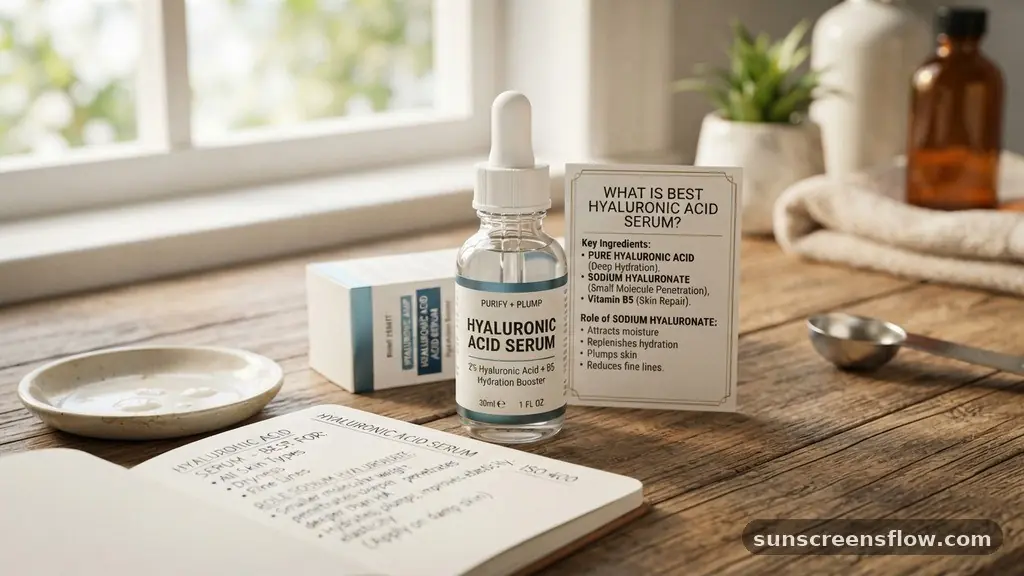
You will often see sodium hyaluronate listed on ingredients labels alongside or instead of hyaluronic acid. It is important to note that these are not identical, though they are closely related. Sodium hyaluronate is the salt form of hyaluronic acid.
Because it has a lower molecular weight than standard hyaluronic acid, it is more easily absorbed into the skin. Many of the most effective serums on the market use sodium hyaluronate because it provides a more immediate, deeper level of hydration.
When you see a product labeled as a “hyaluronic acid serum,” it is highly likely that it contains sodium hyaluronate as the primary active ingredient. This is generally a positive thing. It means the manufacturer has prioritized bioavailability.
If you are struggling with deeper dehydration, look for this specific ingredient at the top of your product’s ingredient list. It indicates that the serum is formulated for efficacy rather than just marketing buzz.
Addressing Topical Gaps: Common Myths and Realities
There is a significant amount of misinformation regarding how hyaluronic acid interacts with the skin. One prevalent myth is that it “replaces” your natural moisture. In reality, it supplements it.
Another common question involves the pH balance of the product. While it is true that many skincare products are formulated to be close to the skin’s natural pH (around 5.5), hyaluronic acid is relatively stable across a broad pH range. You do not need to obsess over the exact pH of your serum as much as you might with an acid-based exfoliant like glycolic or salicylic acid.
Furthermore, some users fear that using a serum will make their skin “lazy,” causing it to stop producing its own moisture. This is biologically inaccurate.
Hyaluronic acid supports the existing structural integrity of the skin; it does not shut down your natural biological processes. By providing an external source of hydration, you are simply giving your cells the resources they need to function optimally, especially in environments where humidity is low, such as air-conditioned offices or during winter months.
Best Practices for Application and Layering
To maximize the benefits of your serum, the order of operations matters. Skincare should generally be applied from the thinnest consistency to the thickest. Your hyaluronic acid serum should go on after cleansing and toning, but before your heavier creams or facial oils.
Many experts also suggest applying the serum to damp skin. Because the product is designed to bind to water, starting with a slightly moist canvas allows the humectant to “grab” that extra water and pull it directly into the stratum corneum.
* Start with a gentle cleanser to remove impurities without stripping natural oils.
* Apply the serum while your skin is still damp from your toner or water.
* Gently pat the product into the skin rather than rubbing, which can cause unnecessary friction.
* Wait 30-60 seconds for the product to absorb before applying your moisturizer.
* Finish with an SPF during the day to protect the moisture barrier you have just bolstered.
By following this routine, you create an environment where the serum can actually perform. If you are using other active treatments, such as retinoids or Vitamin C, apply your hyaluronic acid serum after those treatments if the serum is slightly thicker, or before if it is a pure watery consistency. The goal is to ensure that the active ingredients have direct contact with the skin, while the humectant provides the necessary hydration to mitigate any potential irritation from those stronger actives.
Maintaining Long-Term Skin Health
Finding the best hyaluronic acid serum is only the beginning of a long-term skincare strategy. Consistent use is the key to seeing real changes in your skin’s elasticity and overall appearance.
Unlike some treatments that provide an instant, fleeting effect, hyaluronic acid works best when it is part of a daily regimen. Over weeks and months, you will notice that your skin feels more supple, looks more radiant, and is better equipped to handle external stressors like pollution and UV rays.
Remember that hydration is not a one-time fix. It is a daily requirement. If you live in a particularly dry climate, you may need to supplement your routine with a humidifier in your bedroom at night.
This ensures that the air around you isn’t stripping your skin of moisture while you sleep. Combining a high-quality serum with environmental adjustments and a robust moisturizing routine will yield the best results for your complexion. Your skin is a living organ that responds to how you treat it; by providing it with the right tools, you can maintain a youthful, healthy glow for years to come.
Frequently Asked Questions
Can I use hyaluronic acid every day?
Yes, hyaluronic acid is safe and recommended for daily use, both morning and evening. Because it is a naturally occurring substance, it is gentle enough for consistent application. Using it twice a day helps maintain consistent hydration levels, which is essential for healthy, resilient skin.
Does hyaluronic acid make skin oily?
No, a high-quality hyaluronic acid serum is typically non-comedogenic and lightweight. It provides water-based hydration without adding heavy oils or waxes. If your skin feels greasy after application, you may be using too much product or applying it over an unsuitable moisturizer for your skin type.
What should I never mix with hyaluronic acid?
Hyaluronic acid is highly compatible with almost every other skincare ingredient, including retinoids, Vitamin C, and AHAs/BHAs. There are no known “forbidden” combinations. In fact, it is often used to buffer the potential irritation caused by stronger actives like retinol or exfoliating acids.
Is medical grade hyaluronic acid better?
Medical grade or dermatologist-recommended serums often undergo more rigorous testing for purity and stability. While “medical grade” is not a strictly regulated term, these products usually feature higher concentrations of active ingredients and fewer fillers, making them a more reliable choice for those with specific skin concerns.
Conclusion
Selecting the right hyaluronic acid serum is about more than just picking a popular brand; it is about understanding your skin’s unique needs and how specific ingredients interact to provide hydration. By focusing on multi-molecular formulas, pairing your serum with an occlusive, and ensuring your routine supports your skin barrier, you can achieve the plump, hydrated, and healthy complexion you desire.
Whether you are addressing fine lines, managing oily skin, or simply looking to boost your daily moisture levels, the consistent use of a well-formulated serum remains one of the most effective ways to support your skin’s long-term vitality. Remember that while the serum provides the hydration, your overall routine—cleansing, protecting, and sealing—is what makes the results last.


