


Incorporating a high-quality product into your daily regimen can feel like a guessing game, especially when you are trying to figure out exactly when should I use vitamin C serum to maximize its efficacy. While many enthusiasts debate the timing, the consensus among skin experts is that this potent active is best utilized as a foundational step in your morning routine.
Because it functions as one of the most effective topical antioxidants available, applying it at the start of your day allows it to act as a shield against the environmental stressors you encounter during waking hours. Understanding the science behind this molecule—specifically its role in neutralizing oxidative stress—is the first step toward achieving a brighter, more resilient complexion.
The Science of Timing: Why Morning is Optimal
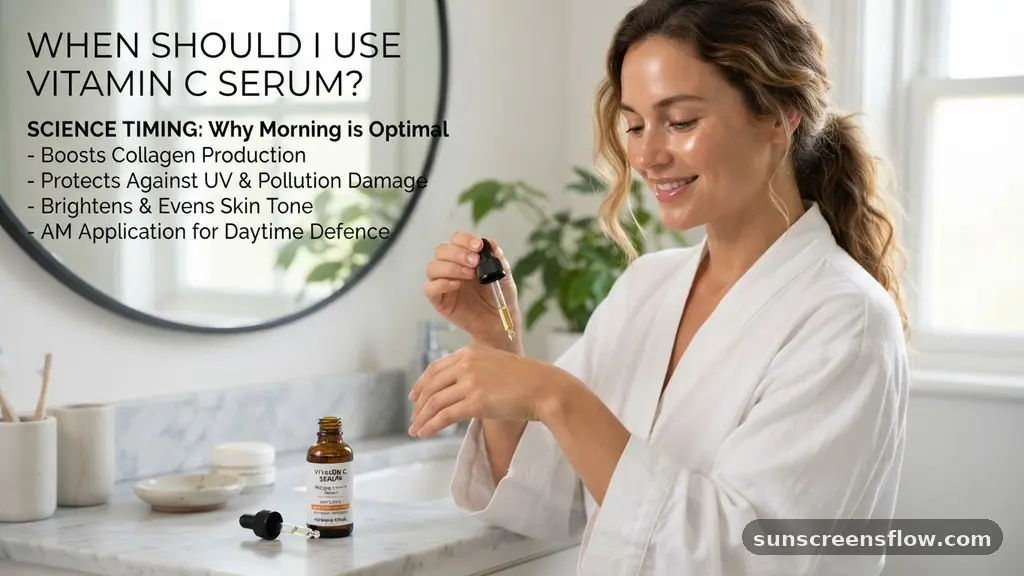
When asking when should I use vitamin C serum, the most critical factor to consider is the protection it provides against free radical damage. Throughout the day, your skin is exposed to pollutants, smoke, and infrared radiation, all of which contribute to premature aging.
By applying a serum containing L-ascorbic acid in the morning, you are essentially “loading” your skin with an antioxidant reservoir. This reservoir works in tandem with your sunscreen SPF to create a formidable defense system.
While some people worry about the stability of the ingredient, the primary benefit of morning application is its ability to mitigate the effects of environmental exposure. When you apply it during your morning skincare routine, you are directly addressing the issues of photoaging and environmental assault before they have a chance to take hold. Furthermore, many users find that the brightening effects provide an immediate boost to their appearance, helping to combat the look of dullness that can accumulate after a long night of sleep.
Understanding Serum Application Order
The efficacy of any active ingredient depends heavily on the serum application order. In a standard skincare hierarchy, you should always apply products from the thinnest consistency to the thickest.
Because a vitamin C serum is typically water-based and lightweight, it should be applied to clean, dry skin immediately after cleansing and toning. If you apply a thicker cream or oil first, the serum will not be able to penetrate the skin barrier effectively, rendering the expensive formula largely useless.
Wait a few minutes after application to allow the product to absorb fully before layering on your moisturizer layering steps. This pause ensures that the serum has sufficient time to interact with the surface of your skin without being diluted or blocked by subsequent layers. When you follow this structured approach, you ensure that the active compounds are delivered directly to the areas where they can facilitate collagen synthesis and provide optimal surface-level protection.
Addressing the Question of Nighttime Usage
While morning is the preferred time for most, some users wonder if they can also use it at night. The truth is that there is no strict rule forbidding nighttime application, but you must be mindful of your other actives.
If you are using retinol or undergoing chemical exfoliation with AHAs or BHAs at night, layering vitamin C on top can cause unnecessary irritation. Many dermatologists advise against mixing these potent ingredients because they can disrupt your skin’s pH balance and lead to redness or sensitivity.
If you have a very stable derivative, such as tetrahexyldecyl ascorbate, you might find it tolerable to use at night, but it is generally a better investment of your time and money to stick to the morning. Your skin naturally undergoes a process of nighttime repair where it focuses on cell turnover and rejuvenation. Adding an antioxidant during this window is less impactful than using it during the hours when you need the most protection from the sun and external pollutants.
Managing Interactions: What to Avoid
Navigating the world of active ingredients requires a bit of caution, especially when it comes to potential conflicts. A common mistake is pairing vitamin C with niacinamide.
While modern formulations have improved, older research suggested that these two could create a reaction that reduces the effectiveness of the vitamin C. Today, many experts agree that you can use them together if you allow for a short waiting period, but for those with sensitive skin, it is best to keep them in separate routines.
Another consideration is oxidation. Vitamin C is notoriously unstable. If your serum has turned a dark orange or brown color, it has likely oxidized and lost its potency.
To prevent this, store your bottle in a cool, dark place, away from direct sunlight and humidity. Using an oxidized product is not necessarily harmful, but it is ineffective for addressing hyperpigmentation or stimulating collagen.
- Store your serum in an opaque, airtight container.
- Always perform a patch test before introducing a new product to your full face.
- Apply to clean, dry skin to ensure maximum absorption.
- Ensure your moisturizer is applied after the serum has fully dried.
- Use in conjunction with broad-spectrum SPF for maximum UV protection.
Choosing the Right Derivative for Your Skin

Not all serums are created equal, and the specific form of the vitamin matters. L-ascorbic acid is the most potent and well-researched form, but it can be highly irritating for sensitive skin types. If you find that this form causes stinging or breakouts, look for alternatives that are more gentle yet still effective. Derivatives like sodium ascorbyl phosphate or tetrahexyldecyl ascorbate are often better suited for those with reactive skin because they are more stable and less prone to causing irritation.
When deciding when should I use vitamin C serum, consider the stability of the version you have chosen. More stable derivatives often penetrate deeper into the skin and have a longer shelf life, making them a more reliable choice for beginners. Regardless of the form, the goal remains the same: to provide the skin with the tools it needs to fight oxidative stress and brighten the complexion over time.
| Vitamin C Type | Best For | Stability |
|---|---|---|
| L-Ascorbic Acid | Advanced users, potent results | Low (requires dark storage) |
| Tetrahexyldecyl Ascorbate | Sensitive skin, anti-aging | High (oil-soluble) |
| Sodium Ascorbyl Phosphate | Acne-prone skin, brightening | Moderate (water-soluble) |
Addressing Topical Gaps: Common Misconceptions
A common gap in consumer knowledge is the belief that vitamin C acts as a replacement for sunscreen. It does not. While it enhances the performance of your SPF by neutralizing free radicals that the sunscreen might miss, it is not a UV filter itself.
Another misconception is that a higher concentration is always better. In reality, concentrations above 20% often provide diminishing returns and significantly increase the risk of skin irritation without offering additional benefits for skin brightening.
Furthermore, users often ask if they should stop using the serum if they experience mild tingling. A slight tingling sensation can be normal, especially with high-strength L-ascorbic acid, but persistent burning, itching, or redness indicates that the product is compromising your skin barrier. In such cases, you should scale back your usage to every other day or switch to a lower concentration or a more stable derivative until your skin acclimates.
The Role of Vitamin C in Long-Term Skin Health
Consistency is the secret to seeing actual results. Vitamin C is not a quick fix; it is a long-term investment in your skin’s health.
By incorporating it into your daily routine, you are actively working to prevent the cumulative effects of photoaging. Over weeks and months, you should notice a reduction in the appearance of dark spots, a more even skin tone, and a firmer texture due to the stimulation of collagen.
It is helpful to take progress photos to track your journey. Because changes happen at a cellular level, it can be difficult to notice the incremental improvements day by day.
However, after three months of consistent morning application, most users see a marked improvement in the overall radiance and clarity of their skin. Remember that your dermatological advice should always take precedence if you are dealing with specific conditions like rosacea or severe eczema, as these conditions might require a more specialized approach to antioxidant use.
Establishing a Sustainable Routine
Building a routine that you can stick to is more important than finding the perfect product. If you find that adding a serum is too cumbersome, you may be tempted to skip it, which defeats the purpose.
Keep your routine simple. Cleanser, Vitamin C serum, moisturizer, and sunscreen is a robust, effective regimen that addresses the majority of skin concerns for most adults.
If you struggle with the order or the timing, place your serum next to your toothbrush. This visual cue serves as a reminder to apply it immediately after washing your face in the morning.
By making it a non-negotiable part of your wake-up ritual, you ensure that you are consistently providing your skin with the protection it needs. Over time, the results—clearer, brighter, and more protected skin—will become the best motivation to keep going.
Frequently Asked Questions
Is it better to use vitamin C serum in the morning or at night?
It is generally better to use vitamin C in the morning. Applying it at the start of your day allows the antioxidant to neutralize free radicals and environmental pollutants you encounter throughout the day, effectively supporting your sunscreen and protecting against long-term photoaging and skin damage.
Can I use vitamin C serum every single day?
Yes, most skin types can tolerate daily use of vitamin C serum. If you are new to the ingredient, you might want to start by using it every other day to ensure your skin barrier remains healthy and to monitor for any potential signs of irritation or redness.
Should I apply moisturizer before or after my vitamin C serum?
You should always apply your vitamin C serum before your moisturizer. Serums are formulated with smaller molecules designed to penetrate the skin, while moisturizers are thicker and designed to lock in hydration. Applying the serum first ensures it absorbs effectively without being blocked by heavier creams.
What ingredients should I avoid mixing with vitamin C?
To minimize the risk of irritation, it is best to avoid using vitamin C at the same time as strong chemical exfoliants like AHAs, BHAs, or high-strength retinol. These ingredients can alter the skin’s pH balance, potentially causing sensitivity or rendering the vitamin C less effective.
Conclusion
Determining when should I use vitamin C serum is a straightforward process once you understand the core goal: protection and prevention. By integrating this powerful antioxidant into your morning routine, you provide your skin with a daily shield against the environmental stressors that cause premature aging and dullness. While it is important to choose a formulation that suits your specific skin type and to be mindful of how it interacts with other products, the commitment to daily use will yield significant long-term rewards.
From boosting collagen synthesis to fading stubborn hyperpigmentation, the benefits of this simple step are immense. Stay consistent with your application, prioritize high-quality, stable products, and always follow up with broad-spectrum sunscreen to ensure your skin remains bright, healthy, and protected for years to come.


