


The skin surrounding your eyes is arguably the most delicate and vulnerable terrain on your entire face. Because the periorbital area is significantly thinner than the skin on your cheeks or forehead and lacks the same density of oil glands, it is often the first place to show signs of aging, fatigue, and environmental stress. Many people find themselves wondering what does eye serum do compared to their standard moisturizers or heavy creams.
In essence, an eye serum is a highly concentrated, lightweight treatment designed to penetrate the skin barrier effectively, delivering potent active ingredients directly to the cells that need them most. Unlike creams, which often sit on the surface to provide an occlusive seal, serums are engineered for deep skin absorption, making them the heavy lifters of your skincare regimen.
The Core Function of Eye Serums in Skincare
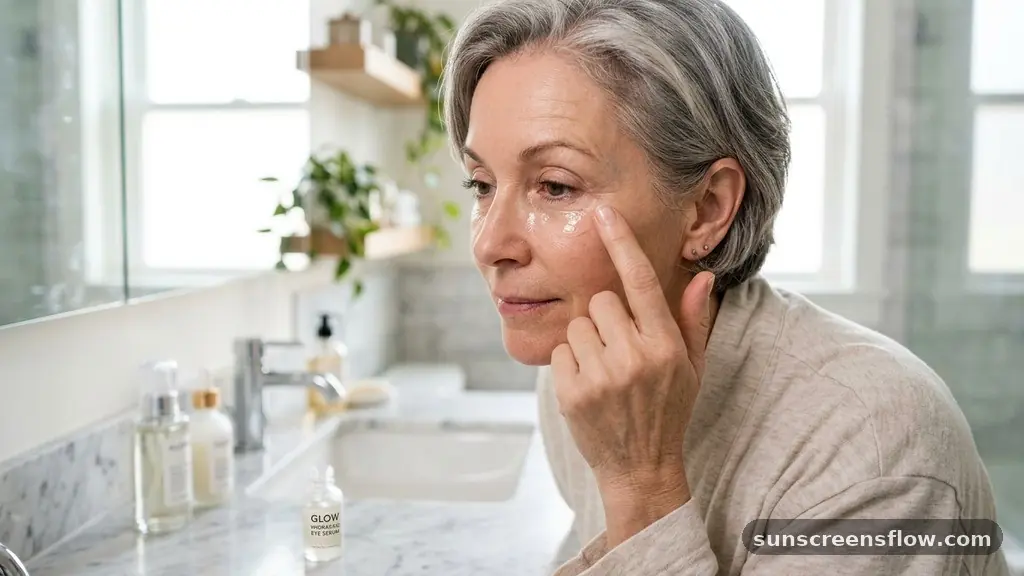
At its most basic level, an eye serum is formulated to address specific concerns like dark circles, puffiness, and fine lines. Because these products typically have a thinner, water-based serum texture, they can bypass the top layer of the skin more efficiently than thicker, emollient-heavy products.
This allows the active ingredients—such as peptides or hyaluronic acid—to work at a cellular level. When you apply a serum, you are essentially feeding the skin a high-density cocktail of nutrients that can influence collagen synthesis and improve the overall structural integrity of the skin.
One of the primary reasons dermatologists recommend serums is their ability to address the epidermal barrier without causing the congestion or milia that can sometimes occur with overly rich creams. By focusing on targeted delivery, these products provide a concentrated dose of actives that work to fortify the skin’s defenses. Whether you are battling the physical manifestations of late nights or the cumulative effects of UV exposure, an eye serum serves as a specialized tool that goes beyond the basic hydration provided by a general facial moisturizer.
Targeting Dark Circles and Vascular Congestion
A frequent question regarding what does eye serum do involves its efficacy in treating those stubborn shadows under the eyes. Dark circles are rarely caused by a single issue; they can be the result of hyperpigmentation, thin skin revealing underlying blood vessels, or even structural shadows caused by bone density changes. Eye serums designed for this concern often contain ingredients like caffeine and niacinamide. Caffeine is a vasoconstrictor, which means it helps to constrict the tiny blood vessels under the eyes, thereby reducing the appearance of blue-toned shadows.
Furthermore, these serums often incorporate brightening agents that inhibit melanin production, helping to even out skin tone over time. It is important to remember that consistency is key here.
While a caffeine-infused serum might offer an immediate, temporary reduction in puffiness by encouraging lymphatic drainage, the long-term improvement of dark circles requires a steady application of ingredients that support skin health. By improving the thickness of the dermis through better circulation and antioxidant protection, these serums help minimize the translucency that makes dark circles so prominent in the first place.
Collagen Production and the Fight Against Fine Lines
If you are looking to address crow’s feet and early signs of aging, serums containing retinol or peptides are essential. These ingredients are champions of anti-aging because they stimulate collagen production, the structural protein responsible for keeping skin plump and firm.
As we age, our natural collagen synthesis slows down, leading to a loss of skin elasticity. By introducing topical retinoids or signal peptides, you are effectively sending a message to your skin cells to repair and renew themselves.
The beauty of using a serum for this purpose is that it doesn’t just mask the lines; it works to improve the skin’s architecture from within. Retinol, in particular, speeds up cell turnover, which helps to smooth out the surface texture of the skin.
When combined with peptides, which act as building blocks for the skin, the result is a firmer, more resilient eye area. This process doesn’t happen overnight, but it is one of the most effective ways to prevent the deepening of fine lines that occurs naturally as we move through our thirties and beyond.
The Role of Skin Hydration and Lipid Replenishment
Many people mistakenly believe that because they have oily skin, they don’t need additional hydration around the eyes. However, the skin in the periorbital area is perpetually prone to trans-epidermal water loss (TEWL). This is the process where water evaporates from the skin, leaving it feeling tight, crepey, and prone to irritation. Hyaluronic acid is the gold standard ingredient for combating this, as it is a humectant capable of holding up to 1,000 times its weight in water.
By incorporating a serum rich in humectants, you ensure that the skin remains plump throughout the day. However, hydration is only half the battle. Lipid replenishment is equally important to keep that water locked in.
While serums are lightweight, many modern formulations include ceramides or lightweight oils that mimic the skin’s natural lipid barrier. This dual approach of attracting moisture and sealing it in ensures that your eye area looks refreshed rather than drawn or tired.
Comparing Eye Serums and Eye Creams

It is common for consumers to feel confused about whether they need both an eye serum and an eye cream. The distinction primarily lies in their formulation and their intended purpose within a routine.
Think of the serum as the treatment phase and the cream as the protection phase. The following table provides a quick reference for understanding these differences.
| Feature | Eye Serum | Eye Cream |
|---|---|---|
| Texture | Lightweight, liquid, or gel | Rich, emollient, thick |
| Absorption | Rapid, deep penetration | Slower, surface-level |
| Primary Goal | Targeted treatment (actives) | Occlusion and moisture |
| Layering | Apply first | Apply after |
As indicated by the table, the serum texture is designed for high-performance delivery of active ingredients. If your goal is to change the appearance of your skin—such as smoothing lines or brightening tone—the serum is your primary tool.
The eye cream, conversely, acts as a protective barrier, preventing the moisture you’ve just applied from evaporating. Depending on your skin type, you might use both, or you might find that a potent serum is enough to meet your needs during the day, while a richer cream is better suited for nighttime recovery.
Antioxidants and Environmental Protection
The skin around your eyes is constantly bombarded by environmental stressors, including pollution, blue light from screens, and UV radiation. These factors generate free radicals, which are unstable molecules that damage healthy cells and contribute to premature aging.
This is where antioxidants like vitamin C become crucial. When you ask yourself what does eye serum do in the context of long-term prevention, the answer lies in its ability to neutralize these free radicals before they can cause oxidative stress.
Vitamin C is particularly effective because it not only protects the skin but also plays a role in brightening the complexion and boosting collagen synthesis. Incorporating an antioxidant-rich serum into your morning routine acts like an invisible shield.
By neutralizing oxidative damage, you are essentially preserving the health of your dermis and preventing the breakdown of existing collagen. This is a proactive approach to beauty that pays dividends years down the line, keeping the eye area looking vibrant and awake even when you haven’t had enough sleep.
Addressing Topical Gaps: Common Misconceptions
When discussing what does eye serum do, many people fall into the trap of thinking these products are “miracle cures” that can erase years of lifestyle habits overnight. It is important to clarify that eye serums work in tandem with your overall lifestyle.
For instance, if you are chronically dehydrated or sleep-deprived, no amount of caffeine-infused serum will completely eliminate dark circles or puffiness. These products are enhancers, not substitutes for a healthy diet, adequate sleep, and sun protection.
Another common gap is the belief that eye serums are only for “mature” skin. In reality, preventative care is the most effective form of skincare. Starting a gentle, hydrating, or antioxidant-rich serum in your twenties can help maintain the integrity of the epidermal barrier and delay the onset of fine lines.
You don’t need to wait for wrinkles to appear to start taking care of the skin around your eyes. By treating the area with respect early on, you are investing in the long-term health and appearance of your face.
Application Techniques for Maximum Efficacy
Knowing what does eye serum do is only half the battle; how you apply it is equally important. Because the skin is so thin, you should always use your ring finger to apply the product.
This finger naturally exerts the least amount of pressure, which is vital to avoid pulling or stretching the skin, which can eventually contribute to sagging. You should gently tap the serum around the orbital bone—the circular bone surrounding your eye—rather than dragging it directly onto the eyelid or too close to the lash line, as this can cause irritation.
The order of operations also matters significantly. Always apply your eye serum after cleansing and toning, but before your heavier creams or oils. This ensures that the serum’s active ingredients have direct contact with the skin.
If you apply a heavy cream first, it will create a barrier that prevents the serum from reaching the deeper layers of the epidermis. By following the “thinnest to thickest” rule of skincare, you optimize your product’s performance and ensure you are getting the most value out of your investment.
- Cleanse your face thoroughly to remove dirt and oils.
- Dispense a pea-sized amount of serum onto your ring finger.
- Gently tap the product along the orbital bone, starting from the inner corner and moving outward.
- Wait at least 60 seconds for the serum to fully absorb before applying eye cream or SPF.
- Avoid pulling or rubbing the skin, as this can cause micro-tears and inflammation.
- Use consistent morning and night application for best long-term results.
The Future of Eye Care and Dermatological Efficacy
The science of skincare is evolving rapidly, and we are seeing a shift toward higher dermatological efficacy in over-the-counter products. Modern eye serums are increasingly incorporating sophisticated delivery systems, such as encapsulated ingredients, which allow for a time-released effect.
This means the active ingredients are released slowly throughout the day or night, rather than all at once. This significantly reduces the risk of irritation, which is a common concern when using potent ingredients like retinol near the eyes.
Furthermore, we are seeing a rise in “cleaner” formulations that focus on the health of the skin microbiome. By supporting the natural bacteria on your skin, these serums help maintain the barrier function, which is essential for preventing sensitivity.
As we look ahead, the integration of biotechnology will likely continue to improve how we address specific concerns like deep-set wrinkles and hyperpigmentation. Understanding what does eye serum do is essentially about recognizing that your skin is a dynamic organ that requires specialized care to remain resilient against the ticking clock and the environment.
Frequently Asked Questions
Do eye serums actually work?
Yes, eye serums work by delivering high concentrations of active ingredients directly into the delicate skin around the eyes. Because they are formulated with a thin, fast-absorbing texture, they can effectively target specific concerns like puffiness, dark circles, and fine lines more efficiently than standard facial moisturizers.
How often should you use eye serum?
For optimal results, you should use eye serum twice daily—once in the morning and once at night. Consistency is crucial, as the active ingredients need time to stimulate collagen production and improve skin health over several weeks of regular, uninterrupted application.
What is the difference between eye cream and eye serum?
The main difference is texture and purpose. Serums are lightweight, liquid-based treatments designed to penetrate deeply with potent actives. Creams are thicker, emollient-based products designed to provide a protective, moisturizing seal on the surface. Many people use both for a complete, layered skincare routine.
Should I apply eye serum before or after my moisturizer?
Always apply your eye serum before your moisturizer or eye cream. Because serums have a lighter, thinner texture, they need to touch the skin first to ensure maximum absorption. Applying a heavier cream beforehand would create a barrier, preventing the serum from reaching the deeper skin layers.
Conclusion
Understanding what does eye serum do is a fundamental step toward achieving a more radiant and youthful appearance. These specialized treatments are designed to bypass the limitations of standard facial creams, using lightweight, high-potency formulas to address the unique needs of the periorbital area. Whether you are focused on boosting collagen synthesis to combat fine lines, using caffeine to improve lymphatic drainage and reduce puffiness, or relying on antioxidants to protect your skin from daily environmental stressors, an eye serum is an indispensable tool.
By choosing the right formula for your specific concerns and applying it with a gentle touch, you can significantly improve your skin’s epidermal barrier, enhance its overall skin elasticity, and maintain a refreshed look for years to come. Remember that while these products are powerful, they work best when paired with a consistent routine and a healthy lifestyle. Your eyes are the windows to your soul, and giving them the targeted care they deserve is a commitment to your long-term skin health.


