


Navigating the nuances of a skincare routine can feel like solving a complex chemistry puzzle, especially when it comes to the order of application. If you have ever stood at your bathroom mirror wondering what comes first serum or moisturizer, you are certainly not alone. The general rule of thumb in professional skincare is to apply products based on their consistency, moving from the thinnest to the thickest textures.
This ensures that your skin effectively absorbs the potent active ingredients found in your serums before you seal everything in with a heavier cream. By following a structured approach to skincare layering, you optimize the performance of each product and support the overall health of your skin barrier.
The Science of Skincare Layering and Molecular Weight
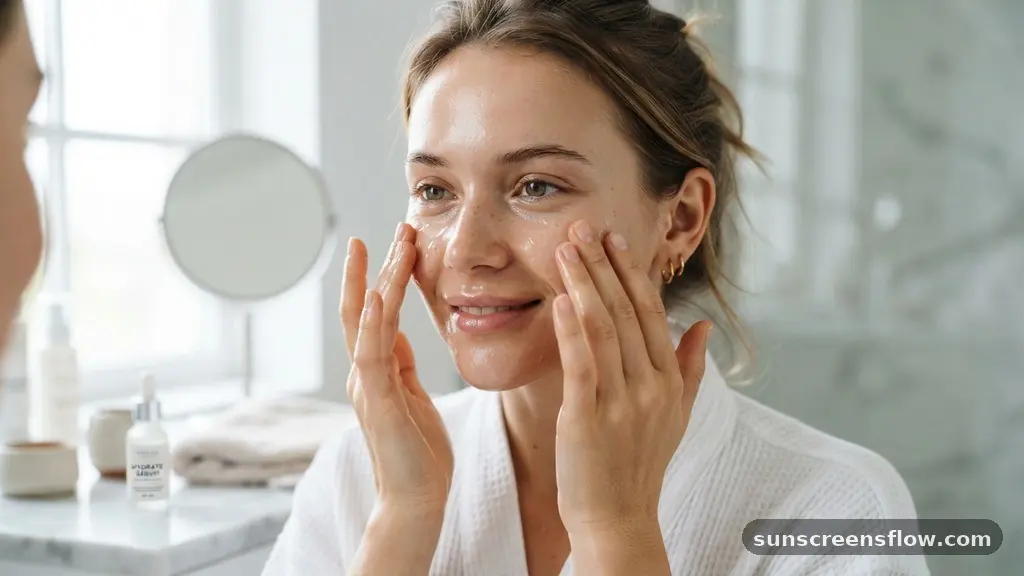
The primary reason why the order of application matters lies in the molecular weight of the ingredients within your products. Serums are formulated with smaller molecules, which are specifically designed to penetrate deep into the epidermis to deliver high concentrations of active ingredients like retinol, antioxidants, or peptides.
Because these formulas are typically water-based or lightweight, they need direct access to the skin to function correctly. If you were to apply a heavy, oil-based product first, you would essentially be creating a physical barrier that prevents these smaller molecules from reaching their intended destination, effectively rendering the treatment ineffective.
Think of your skin like a sponge. If you coat a sponge in a thick layer of wax, water will simply bead off the surface rather than soaking in. Similarly, if you apply a dense cream before a serum, the serum simply sits on top of the cream, wasting your expensive products and denying your skin the targeted benefits it needs.
By applying your serum first, you allow those high-performance ingredients to sink into the skin’s surface layers. Once that initial layer has had a moment to absorb, you can follow up with a moisturizer to lock in hydration and provide a protective shield for the rest of the day or night.
Understanding Absorption Rates: From Thin to Thick
When determining your routine, remember the golden rule: always move from the thinnest consistency to the thickest. Absorption rates are heavily influenced by the viscosity of the product. A watery, lightweight serum will almost always absorb within seconds, whereas a thick, rich cream takes longer to settle.
If you apply a thick moisturizer first, the subsequent application of a serum will likely cause pilling or a tacky, uncomfortable residue that never fully sinks in. This is why experts emphasize that your skincare routine should prioritize the most fluid products at the start.
Beyond just the physical texture, consider the goal of each product. Serums are the “workhorses” of your routine; they are meant to treat specific concerns like hyperpigmentation, fine lines, or dehydration. Moisturizers are the “protectors” that maintain the integrity of the skin barrier by preventing moisture from escaping.
If you prioritize the protector over the treatment, you compromise the efficacy of your entire regimen. Always start with your treatment-focused serums on clean, damp skin to maximize the delivery of beneficial compounds, then follow with your nourishing creams.
The Role of Humectants and Occlusives in Your Routine
To truly master your skincare, you must understand the difference between humectants and occlusives. Humectants, such as hyaluronic acid, are ingredients that pull water from the air or deeper layers of the skin to the surface. These are almost always found in serums.
Because they attract water, they work best when applied to slightly moist skin, which is why applying products to damp skin is a common recommendation among dermatologists. If you apply a humectant-rich serum and then leave it exposed to dry air, it can sometimes pull water out of your skin, leading to more dryness.
This is where occlusives come into play. Occlusives are substances that form a physical seal over the skin to prevent transepidermal water loss. Common examples include squalane, ceramides, and shea butter, which prevent evaporation.
These are usually the primary components of your moisturizer. By placing the occlusive layer on top of the humectant layer, you trap the hydration inside, ensuring that your skin stays plump and supple for hours. If you try to reverse this order, the occlusives act as a wall, preventing the humectants from doing their job and potentially leaving your skin feeling tight or dehydrated despite your best efforts.
Why You Should Avoid Applying Occlusive Cream First
Applying an occlusive cream first is a common mistake that undermines the entire purpose of a multi-step skincare regimen. Many people assume that if they have dry skin, they should apply the thickest product first to provide immediate relief. However, this logic ignores how skin cells actually absorb topical treatments.
If you cover your face in a thick, waxy, or oil-heavy moisturizer, you are effectively sealing the surface of the skin. When you then attempt to apply a serum, the active ingredients will struggle to penetrate that barrier.
Furthermore, applying heavier products first can lead to clogged pores and breakouts, especially for those with oily or acne-prone skin. A heavy barrier can trap sebum and dead skin cells beneath it, leading to congestion. By applying your serum first, you allow the skin to receive the necessary nutrients without the interference of heavy emollients.
Only after the serum has had time to dry—usually about 30 to 60 seconds—should you introduce your moisturizer. This timing is crucial for maintaining the balance of your complexion and ensuring that every product you apply is actually doing what it claims to do on the bottle.
The Importance of Damp Skin for Better Penetration
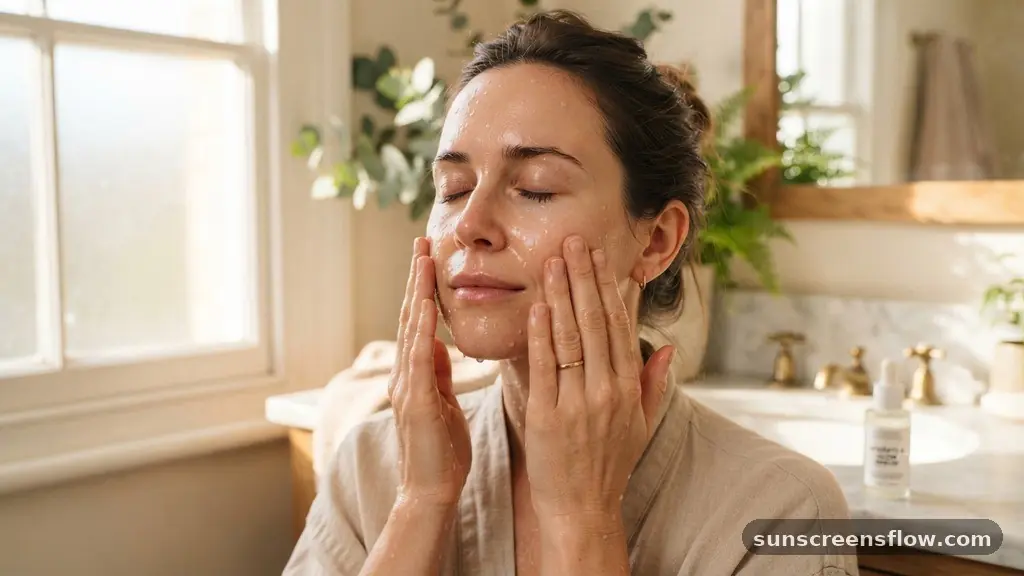
There is a significant benefit to applying your serums to damp skin. When your skin is slightly moist, the stratum corneum (the outermost layer of the skin) is more permeable, which allows for better absorption of water-soluble ingredients like vitamin C or hyaluronic acid. This is a simple trick that can significantly improve the performance of your skincare products.
When you wash your face, pat it dry gently but leave it slightly wet before reaching for your serum. This creates a hydration gradient that helps pull the active ingredients deeper into the skin.
This technique is particularly useful if you are using high-molecular-weight ingredients. By keeping the skin hydrated during the application process, you ensure that the serum glides on smoothly and covers the face evenly.
However, be cautious: some powerful ingredients, such as certain forms of retinol or strong chemical exfoliants, can be too irritating when applied to damp skin because the increased absorption can lead to sensitivity. Always check the instructions on your specific products, but for most hydrating and antioxidant serums, a damp base is an excellent way to boost efficacy.
Strategic Layering: A Comparison Table
To help visualize how different products interact within a routine, the following table breaks down the typical categories of skincare products based on their primary function and order of application.
| Product Type | Primary Function | Typical Order |
|---|---|---|
| Cleanser | Removes dirt and debris | Step 1 |
| Toner/Essence | Balances skin pH | Step 2 |
| Treatment Serum | Delivers active ingredients | Step 3 |
| Moisturizer | Seals in moisture | Step 4 |
| Sunscreen/Oil | Protection and final seal | Step 5 |
This structure ensures that you are not just applying products, but building a functional system that addresses your skin’s needs in the correct sequence. By following this progression, you avoid the common pitfalls of layering that lead to poor absorption or product waste.
Key Ingredients to Watch: Peptides, Squalane, and Ceramides
When selecting your serums and moisturizers, it helps to know which ingredients belong in which category. Peptides are short chains of amino acids that serve as the building blocks of proteins like collagen and elastin; these are almost always found in lightweight serums because they need to reach the deeper layers of the skin to signal cellular repair. If you put a heavy cream containing squalane or shea butter over the top, you are essentially “capping” those peptides, ensuring they stay in the skin rather than evaporating or being wiped away.
Ceramides are another essential component that often appear in moisturizers. They are lipids that help restore the skin barrier, making them the perfect “final touch” for your routine. By using a serum loaded with hyaluronic acid to hydrate and then a moisturizer loaded with ceramides to protect, you are creating a synergistic effect.
The serum provides the fuel, and the moisturizer provides the structure. This combination is the gold standard for maintaining a healthy, glowing complexion, regardless of your specific skin type or concerns.
Common Mistakes in Skincare Layering
Even with the best intentions, many people fall into habits that prevent their products from working. One of the most frequent mistakes is rushing the application. If you apply your moisturizer immediately after your serum without giving it time to “set,” you end up mixing the two products together.
This essentially turns your serum into a diluted version of your moisturizer, which can reduce the concentration of the active ingredients reaching your skin. Give each layer a moment to be absorbed before moving on to the next.
Another common error is applying too many products at once. A skincare routine does not need to be ten steps long to be effective. In fact, layering too many serums can sometimes lead to irritation, especially if you are using multiple potent actives like retinol and exfoliating acids.
If you are unsure about whether a product should go first, look at the texture. If it is runny, it goes first.
If it is creamy or thick, it goes later. Keep it simple, consistent, and focused on the health of your skin barrier rather than just the number of products you own.
Adapting Your Routine for Different Skin Needs
While the “thin to thick” rule is universal, your specific skin type might require minor adjustments. For example, those with very oily skin might find that a water-based serum followed by a lightweight gel moisturizer is sufficient, whereas those with dry skin might need a heavy, oil-rich cream as their final step.
Regardless of your skin type, the serum should always come before the moisturizer. The only exception to the rule is if you are using a specialized treatment like a spot treatment for acne, which is often applied directly to the affected area before or after serum, depending on the product’s instructions.
If you are using a facial oil, remember that oil is heavier than cream. Oils should generally be applied after your moisturizer, as they are the ultimate occlusives and can penetrate most other products. By thinking of your skincare as a series of barriers, you can easily determine where each product fits.
The goal is to provide the skin with the water-based nutrients it needs first, followed by the oil-based protection it requires to stay healthy. This systematic approach ensures that you get the most out of every drop of your skincare collection.
Frequently Asked Questions
Can I mix my serum and moisturizer in my hand before applying?
While it might seem like a time-saver, mixing products in your hand is generally discouraged. Each product is formulated with a specific delivery system in mind. Mixing them can alter the pH and stability of the active ingredients, which may reduce their effectiveness or cause unwanted reactions on the skin.
How long should I wait between applying serum and moisturizer?
Ideally, you should wait about 60 seconds between applications. This gives the serum enough time to sink into the skin and “set.” You will know it is ready when your skin feels slightly tacky but not wet. This ensures that the moisturizer won’t move the serum around.
Do I need a serum if my moisturizer already has active ingredients?
Not necessarily. Many modern moisturizers are formulated with potent ingredients like niacinamide or antioxidants. If your skin is happy and you are seeing results, you may not need a separate serum. However, if you have specific, stubborn concerns, a targeted serum is usually more concentrated and effective.
Is it okay to use multiple serums in one routine?
Yes, you can layer multiple serums, but always apply them from the thinnest to the thickest consistency. Be cautious with active ingredients like retinol or AHAs; using too many powerful treatments at once can compromise your skin barrier and lead to redness, irritation, or increased sensitivity.
Conclusion
Understanding what comes first serum or moisturizer is a fundamental step toward achieving your skincare goals. By adhering to the principles of applying thinner, treatment-focused products before thicker, protective creams, you ensure that your skin receives the maximum benefit from your chosen regimen. Remember that your skincare routine is a process of layering, where each step serves a specific purpose—whether it is delivering deep hydration via hyaluronic acid or sealing it in with ceramides.
By respecting the molecular weight of your products and allowing for proper absorption rates, you protect your skin barrier and prevent the common issue of transepidermal water loss. Keep your routine simple, consistent, and focused on the needs of your skin, and you will see the long-term benefits in the health and appearance of your complexion. Whether you are using peptides, retinol, or simple squalane, the order you apply them in is the key to unlocking their full potential.


