

Achieving optimal hair health often starts beneath the surface, specifically at the level of the skin that supports your follicles. Many individuals searching for a solution to thinning hair or lackluster growth wonder, does Divi scalp serum work? The answer requires a nuanced look at how topical treatments interact with the skin barrier and the biological mechanisms of hair production.
Rather than acting as a miracle cure for genetic hair loss, this product is designed to foster an environment where hair can thrive, focusing on the root cause of many common issues: poor scalp conditions. By addressing dryness, inflammation, and nutrient delivery, the serum aims to create a foundation that supports the natural life cycle of each hair strand.
The Science of Scalp Health and Topical Absorption
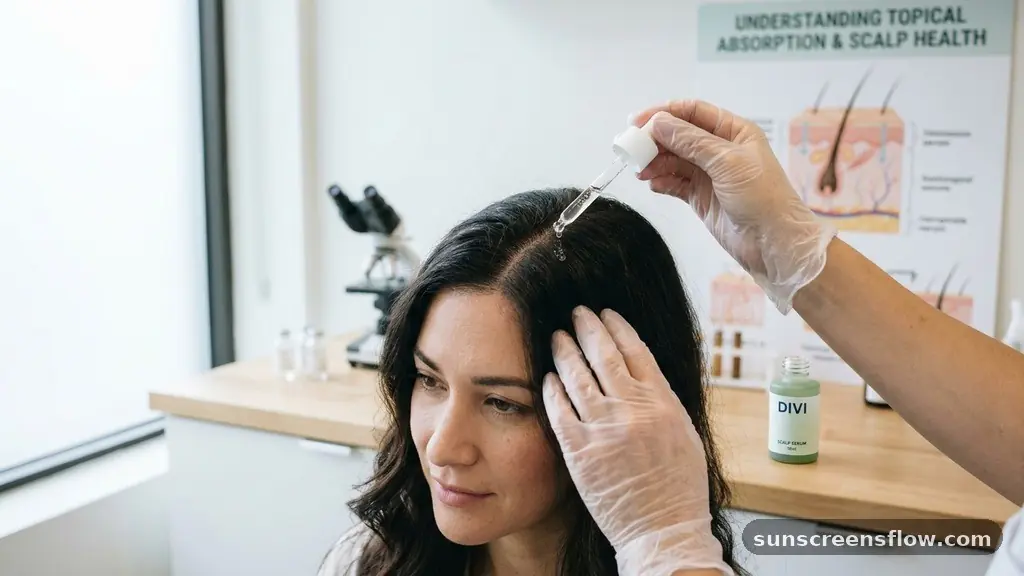
When evaluating if a product is effective, it is essential to understand the biological reality of the scalp. The skin on your head is dense with hair follicles, each requiring a consistent supply of nutrients, oxygen, and blood flow to function properly.
When we ask does Divi scalp serum work, we are essentially asking if the ingredients in the formula can penetrate the skin barrier and influence the health of these follicles. Unlike hair conditioners that coat the hair shaft, this serum is formulated to nourish the skin itself.
The efficacy of any topical serum depends heavily on the molecular weight of its ingredients and the presence of delivery agents. Many of the components found in this serum are chosen for their ability to soothe the epidermis while providing essential building blocks for cellular repair. By targeting the skin, the serum helps to remove debris, balance oil production, and calm irritation that might otherwise impede healthy growth.
It is important to note that the product is intended to treat the skin, not the hair strands themselves. When you apply the serum, you are creating a more hospitable environment for new growth, which is a subtle but vital distinction in the world of hair care.
Understanding the Formulation: Key Ingredients
The effectiveness of any cosmetic treatment is defined by its ingredient list. The formulation strategy behind this serum centers on a blend of botanical extracts and active compounds designed to support long-term follicle health.
One of the primary ingredients is caffeine, which is widely recognized in dermatological research for its ability to stimulate microcirculation. When applied topically, caffeine can help counteract the effects of dihydrotestosterone (DHT) on the hair follicles, potentially extending the growth phase of the hair cycle.
Beyond stimulants, the inclusion of tea tree oil serves a vital role in maintaining a clean and balanced scalp environment. Known for its antimicrobial and anti-inflammatory properties, tea tree oil helps to clear away bacterial or fungal buildup that could block the follicle openings. Furthermore, the serum is enriched with various amino acids, which act as the essential proteins required for keratin production.
Keratin is the structural protein that makes up the hair, and by providing these amino acids directly to the scalp, the serum supports the internal building blocks of hair growth. This synergistic approach—combining circulation stimulants, cleansers, and protein precursors—is the core reason proponents believe the product is effective.
Addressing Inflammation and Scalp Hydration
A major contributor to hair thinning is chronic, low-level inflammation. When the scalp is inflamed, the follicles can become restricted, leading to weaker hair or premature shedding. Ultimately, reducing inflammation is one of the most critical steps in any hair regrowth strategy.
This serum works by providing a cooling, soothing sensation that helps to mitigate the redness and discomfort often associated with an unhealthy scalp. By calming the skin, it allows the follicles to return to their normal, active state without the interference of inflammatory cytokines.
Hydration is equally important. A dry, tight scalp is often a malnourished scalp. The serum utilizes humectants that draw moisture into the skin, ensuring that the follicle remains supple and flexible.
This moisture balance is crucial; if the scalp is too dry, it can lead to flaking and irritation, while an overly oily scalp can clog the pores. By normalizing the moisture levels, the serum helps maintain the integrity of the skin barrier, which is the first line of defense for the delicate hair follicles. Consistent use helps to restore this delicate equilibrium, which is often lost due to environmental stressors, harsh shampoos, or heat styling.
Realistic Expectations for Results
One of the biggest hurdles for consumers is managing their expectations. Many people want to know, does Divi scalp serum work overnight? The reality is that hair growth is a slow, cyclical process.
The hair growth cycle consists of the anagen (growth), catagen (transition), and telogen (resting) phases. It takes several months for any change in the scalp environment to manifest as visible, thicker, or longer hair. Because of this, users must be patient and consistent.
When evaluating results, it is helpful to look at the following table, which contrasts the speed of immediate scalp benefits with the long-term nature of hair growth.
| Effect Type | Timeframe for Noticeable Change | Primary Mechanism |
|---|---|---|
| Scalp Soothing | 1 to 2 Weeks | Anti-inflammatory agents |
| Oil/Hydration Balance | 2 to 4 Weeks | Moisture retention |
| Follicle Strengthening | 3 to 6 Months | Nutrient delivery & stimulation |
| Visible Hair Density | 6 to 12 Months | Extended anagen phase |
As the table shows, the immediate benefits are felt by the user as a reduction in itchiness or dryness, but the structural changes to the hair density take significantly longer. This is why many users feel the product “doesn’t work” after just a few weeks of use; they are looking for hair growth before the follicle has had the time to go through its natural cycle.
Consistency: Applying Once or Twice Daily
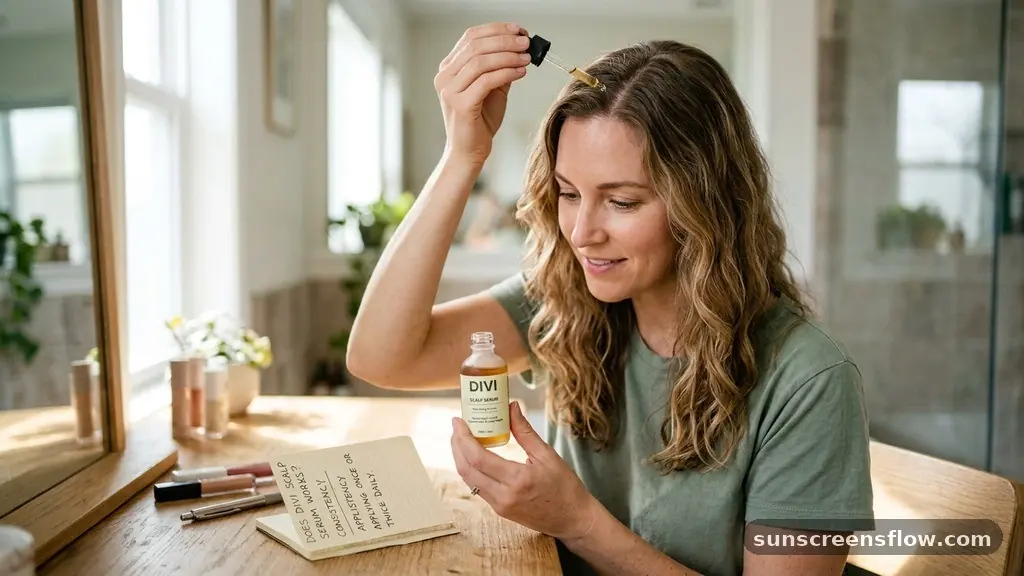
The instruction to apply the product once or twice daily is not a marketing suggestion; it is a clinical necessity for maintaining a steady concentration of active ingredients on the scalp. Because the skin is constantly undergoing renewal and the scalp is exposed to environmental factors like sweat, pollution, and UV rays, the active ingredients will eventually degrade or be washed away. Consistent application ensures that the follicles are receiving a “drip feed” of the nutrients they need to stay active.
Developing a routine is key to seeing the best results. Many successful users incorporate the serum into their morning or evening ritual, often applying it after a shower when the pores are most receptive. The goal is to ensure the serum makes direct contact with the skin, not just the hair.
Utilizing a dropper or a targeted nozzle to part the hair and apply the serum directly to the scalp is essential. If you are only applying the product to your hair, you are essentially wasting the serum, as the hair strands themselves are dead keratin and cannot absorb the nutrients in the same way living skin cells can.
Distinguishing Between Cosmetic Treatment and Medical Intervention
It is vital to draw a clear line between cosmetic scalp care and medical treatments for hair loss. The serum is categorized as a cosmetic product designed to improve the appearance and health of the scalp and hair.
It is not the hair strands themselves that are being treated, but rather the ecosystem from which they grow. This is fundamentally different from pharmaceutical treatments like minoxidil or finasteride, which operate on a hormonal or blood-flow-altering level to force hair growth.
For those with diagnosed alopecia or other medical conditions that cause hair loss, this serum should be viewed as a supportive measure rather than a standalone cure. It can certainly help improve the quality of the hair that is currently growing and create a healthier scalp, but it cannot override genetic patterns of hair loss or underlying systemic medical conditions.
If you are experiencing sudden, patchy, or severe hair loss, it is imperative to consult with a dermatologist. They can determine if your hair loss is hormonal, autoimmune, or nutritional in nature, and advise whether a cosmetic serum is appropriate for your specific clinical needs.
The Role of Lifestyle in Hair Growth
While the serum provides external support, it cannot fully compensate for a poor internal environment. Hair is often called the “canary in the coal mine” of the body; if you are stressed, sleep-deprived, or lacking essential nutrients in your diet, your body will deprioritize hair growth to preserve energy for vital organs. The serum works best when combined with a holistic approach to wellness.
- Maintain a diet rich in iron, zinc, and B-vitamins to support keratin synthesis.
- Manage stress levels, as high cortisol can trigger a shift in the hair cycle.
- Avoid tight hairstyles that cause traction alopecia and put unnecessary strain on the follicles.
- Use gentle, sulfate-free shampoos that do not strip the scalp of its natural protective oils.
- Ensure adequate sleep to allow the body’s natural repair mechanisms to function.
By pairing the serum with these lifestyle adjustments, you maximize the product’s potential. Think of the serum as the fertilizer for a garden; while it provides the nutrients, you still need to ensure the soil is healthy, the plants are getting water, and the environment isn’t constantly being trampled.
Addressing Topical Gaps: Common Misconceptions
A common gap in the current discussion around scalp serums is the confusion between “growth” and “retention.” Many users expect a serum to sprout new hair from dormant follicles that have been inactive for years. In reality, most hair serums, including this one, are much better at follicle health and retention.
By strengthening the hair already present and ensuring the scalp is not inflamed, the product helps prevent premature breakage and shedding. This leads to the appearance of thicker hair, not necessarily because new hair is growing, but because the existing hair is being retained for longer.
Another point of confusion is the “shedding phase.” Some users report increased hair loss after starting a new serum and assume the product is causing damage. In many cases, this is actually a process called “telogen release,” where the serum stimulates the scalp and pushes out old, resting hairs to make room for new, healthy ones.
This is a common phenomenon with many hair treatments. It is not necessarily a sign that the product is failing, but rather an indicator that the biological cycle is being influenced. However, if shedding is excessive or painful, it is always best to pause use and consult a professional.
Conclusion: Is the Investment Worth It?
When we circle back to the question, does Divi scalp serum work, the answer is a qualified “yes” for those who have realistic expectations and a consistent application routine. The product is not a magic wand for genetic baldness, but it is an effective tool for improving the quality, health, and resilience of your scalp. By focusing on the skin barrier, reducing inflammation, and providing the building blocks for keratin production, it addresses the fundamental needs of hair follicles.
Ultimately, the value of the serum lies in its ability to improve the environment of your scalp. If your hair thinning is caused by environmental damage, dryness, or a lack of proper scalp care, this product can provide the necessary support to help your hair reach its full potential.
By committing to a consistent routine and viewing the serum as part of a larger wellness strategy, you are giving your hair the best possible chance to grow strong, healthy, and vibrant. Patience is the final, and perhaps most important, ingredient in this process.
Frequently Asked Questions
How long does it take to see results?
Most users begin to notice a difference in scalp comfort within a few weeks, but visible changes in hair texture and density usually require three to six months of consistent daily use. Hair growth cycles are slow, so patience is required to see the full benefits.
Can this serum stop genetic hair loss?
This serum is designed to support scalp health and follicle vitality, which can improve the appearance of existing hair. However, it is not a cure for genetic conditions. If you have hereditary hair loss, it is best used as a complementary treatment alongside medical interventions.
Do I need to wash my hair before applying the serum?
You do not need to wash your hair every time you apply the serum, but it works best on a clean scalp. If your scalp is heavy with product buildup or excess oil, the serum may not be able to penetrate effectively to reach the follicles.
Is it safe to use with other hair products?
Yes, the serum is generally compatible with other hair care products. However, it is best applied directly to the scalp before styling products. Ensure that your other products do not cause irritation, as this could counteract the soothing benefits of the serum.


