

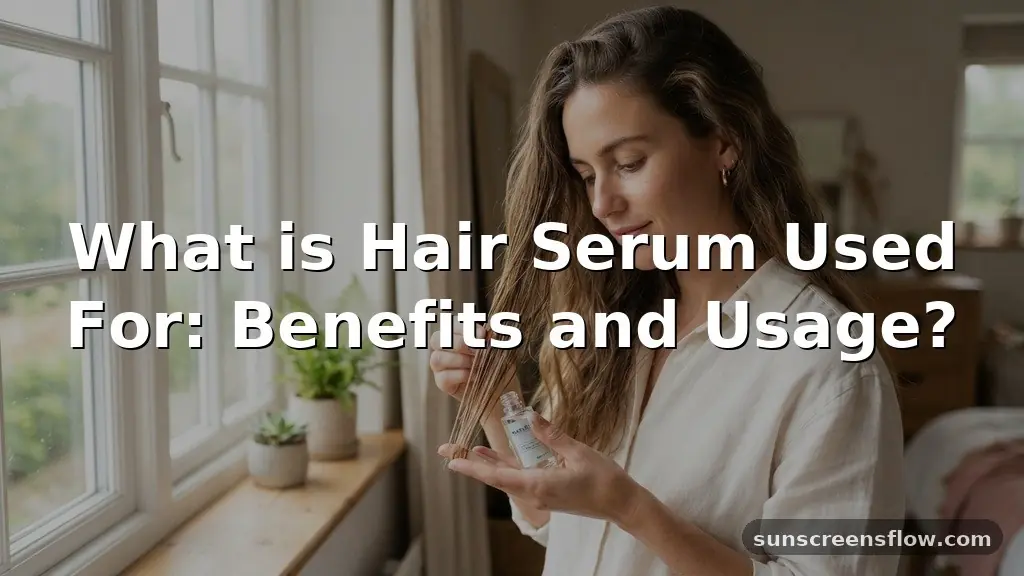
Most people encounter hair serum as that small, often expensive bottle sitting on a salon shelf, but understanding what hair serum is used for can completely change how you manage your daily style. Unlike heavy conditioners or styling gels, these concentrated formulas are designed to coat the surface of the hair, providing an immediate barrier against environmental stressors and styling damage.
By learning how to select and apply the right product, you can effectively manage frizz, improve the appearance of split ends, and give your hair a polished finish that lasts throughout the day. Whether you deal with coarse, curly strands or thin, straight hair, this liquid solution offers a versatile way to improve manageability and overall hair health.
The Core Function of Hair Serum

At its most basic level, a hair serum acts as a protective shield for your strands. While conditioners work from the inside out by penetrating the cortex to provide moisture, serums are primarily surface-level treatments.
They are formulated with high concentrations of active ingredients, most notably silicone-based polymers, which create a thin, transparent film over the hair cuticle. This film is the secret behind the immediate smoothing effect most users notice upon application.
Because these products are designed to sit on top of the hair rather than soak into it, they are exceptionally effective at sealing the cuticle. When the cuticle is flat and smooth, the hair reflects more light, which results in that sought-after hair shine.
If you have ever wondered why your hair looks dull even after washing it, it is often because the cuticle layers are raised, causing light to scatter rather than bounce off. Serum fills in those microscopic gaps, smoothing the surface and making the hair appear healthier and more vibrant.
Managing Frizz and Flyaways
One of the most common reasons people reach for a bottle of serum is for frizz control. Frizz is essentially the result of hair absorbing moisture from the air when the internal structure is dry or damaged.
Because serums contain hydrophobic ingredients like silicones or lightweight oils, they act as a physical barrier that prevents humidity from entering the hair shaft. This is why individuals living in humid climates often find serum to be an indispensable part of their routine.
Beyond just preventing new frizz, serums are excellent for taming existing flyaways. If you have ever struggled with those annoying, static-charged hairs that stand up around your part, a tiny drop of serum can weight them down just enough to blend them back into the rest of your style. The key here is moderation.
Because serums are concentrated, you only need a pea-sized amount to cover a significant portion of your hair. Applying too much can lead to an oily, weighed-down appearance, so always start with less and work your way up if needed.
Thermal Protection and Heat Styling
If you are a regular user of blow dryers, flat irons, or curling wands, you likely need a heat protectant to avoid permanent damage. Many modern hair serums are formulated specifically to withstand high temperatures. They create a sacrificial layer on the hair shaft that absorbs the brunt of the heat, preventing the internal proteins of your hair from denaturing or burning under the intense pressure of hot tools.
Using a serum before heat styling serves two purposes: it provides a barrier against thermal damage and it makes the styling process smoother. A good serum reduces the friction between the hair and the plates of your flat iron, allowing the tool to glide through your hair without snagging or pulling.
This reduction in physical stress is a major factor in preventing long-term hair breakage. Just ensure that the product you choose is explicitly labeled for heat protection, as some lighter finishing serums may not provide a high enough threshold for heavy styling.
Addressing Hair Porosity and Texture
Understanding your hair porosity is essential for choosing the right hair care products. High porosity hair, which has gaps or tears in the cuticle, tends to absorb moisture quickly but loses it just as fast.
For these individuals, a serum is vital because it locks that hydration in, acting as a sealant after you have applied your leave-in treatment or cream. Without a sealant, your hair might feel dry again within a few hours of styling.
For those with low porosity hair, the challenge is different. Low porosity hair struggles to absorb moisture, and heavy products can sit on the surface, making it look greasy.
If you fall into this category, look for lightweight oils or water-based serums that offer shine and manageability without adding excess weight. The right serum can balance out your hair texture, making coarse, unruly hair feel softer and more pliable, while helping fine hair look polished without losing its volume.
Strategic Application for Best Results
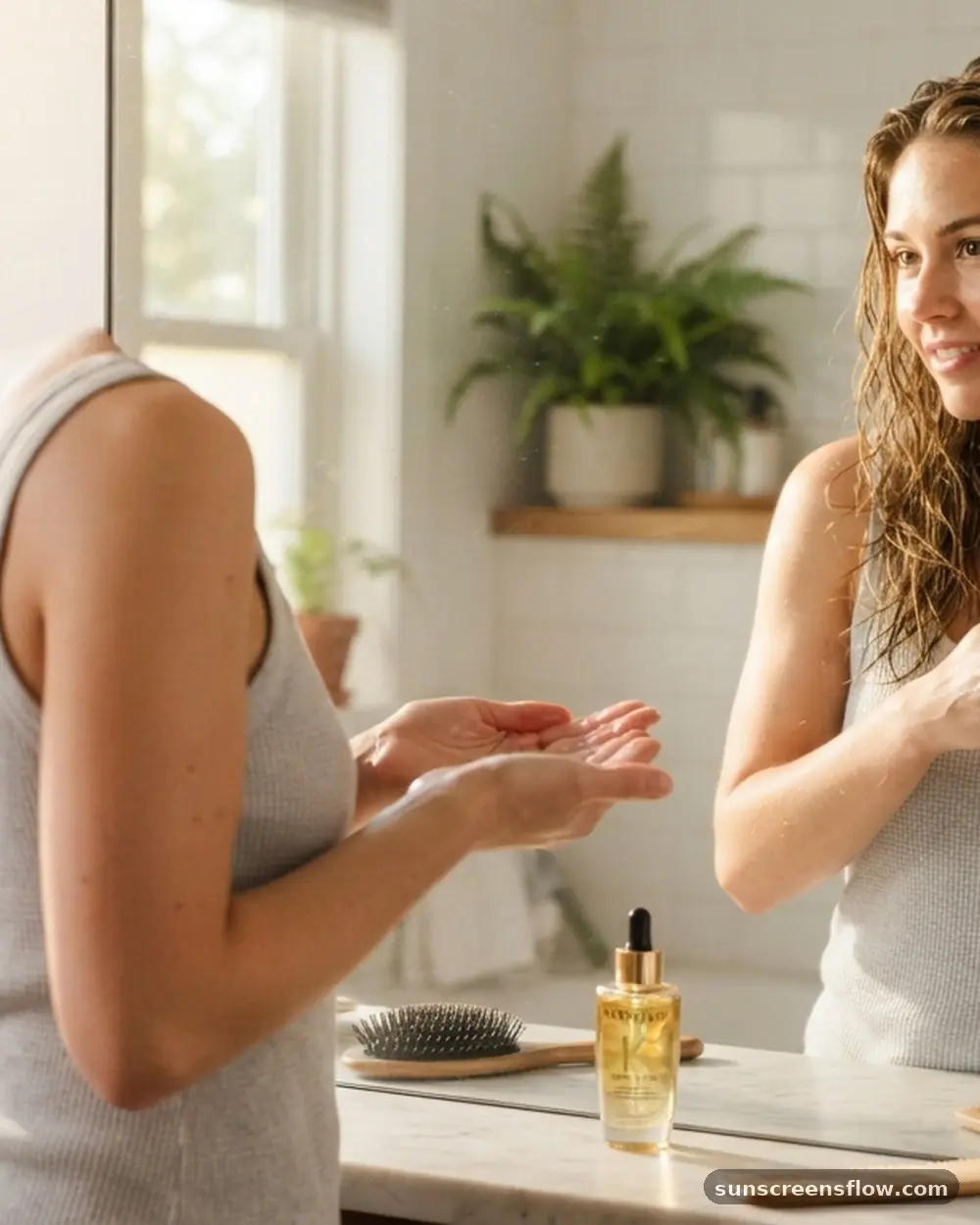
Knowing when to apply serum is just as important as knowing why. While some products can be used on dry hair to tame flyaways, most experts recommend applying them to damp hair.
When your hair is damp, it is slightly more porous, which allows the product to distribute more evenly across the strands. This ensures that you get full coverage without needing to use a large amount of product.
| Application Method | Best For | Primary Benefit |
|---|---|---|
| On Damp Hair | Hydration & Heat Protection | Seals moisture and prepares for styling |
| On Dry Hair | Finish & Shine | Tames flyaways and adds luster |
| As a Pre-Wash | Deep Treatment | Adds extra nourishment to dry ends |
To apply correctly, dispense a small amount of serum into your palms and rub them together to distribute the product evenly. Start by working the serum into the mid-lengths and ends of your hair, as these are the oldest and most damaged parts.
Avoid applying serum directly to your roots, especially if you have an oily scalp, as it can make your hair look flat and unwashed. Using your fingers like a comb, pull the serum through the hair to ensure every strand gets a light coating.
Ingredients to Look For
Not all serums are created equal, and the ingredient list can tell you a lot about what the product is actually doing for your hair. Silicone-based polymers are the industry standard for smoothing and shine, but they are not the only option. Many brands now incorporate natural ingredients to provide long-term care alongside the immediate aesthetic benefits.
- Argan Oil: A classic ingredient that provides deep nourishment and adds a natural, healthy glow.
- Keratin: Often added to help reinforce the hair shaft and repair minor surface damage.
- Humectants: Ingredients like glycerin that draw moisture into the hair, which is helpful if your hair is particularly parched.
- Botanical Extracts: Used to soothe the scalp and provide antioxidant protection against environmental pollutants.
- Lightweight Oils: Such as jojoba or almond oil, which provide hydration without the heavy residue of mineral oils.
When shopping, pay attention to the order of ingredients. If you are looking for a product that focuses on hair health, look for oils or proteins in the first few lines of the list. If your main goal is purely aesthetic—like achieving a sleek, red-carpet look—silicone-heavy formulas will typically provide the most dramatic results.
Distinctions Between Serum and Other Products
It is common to confuse hair serum with hair oil, leave-in conditioners, or creams, but each serves a distinct purpose. A leave-in conditioner is designed to provide internal moisture and detangle, whereas a serum is primarily for the outer layer. Think of a leave-in conditioner as the “drink” for your hair, and the serum as the “sealant” that keeps that drink from evaporating.
Hair oils are often confused with serums as well. While many serums contain oils, a pure hair oil is often thicker and intended for deep conditioning or scalp health. Serums are usually lighter and formulated with specific polymers that offer better glide and heat protection.
If you are trying to decide which to use, ask yourself if you need more moisture or more protection. If you need moisture, reach for a cream or oil; if you need to smooth, shine, and protect, reach for a serum.
Addressing Topical Gaps
There is a common misconception that serums can cure split ends or stimulate hair growth. It is important to clarify that no topical product can permanently repair a split end.
Once the hair shaft has split, the only way to remove it is through a haircut. Serum simply glues the split ends together temporarily, making them look less noticeable and preventing the split from traveling further up the hair shaft.
Regarding hair growth, most serums are designed to coat the hair, not to interact with the follicles in the scalp. While some specialized scalp serums contain ingredients like caffeine or peptides meant to stimulate circulation, the average styling serum will not make your hair grow faster.
If your goal is to combat hair breakage, however, a serum is highly effective. By reducing the friction and heat damage mentioned earlier, a serum keeps your existing hair intact for longer, which can help you reach your length goals by preventing the ends from snapping off.
Frequency and Daily Use
Is it okay to use hair serum every day? For most people, the answer is yes, provided you are using the right amount and the right formula.
If you wash your hair daily, you should apply a fresh layer of serum after each wash to protect your hair during the drying process. If you go several days between washes, you might only need a tiny amount of serum on the second or third day to refresh your style and tame any morning frizz.
The main risk of daily use is product buildup. Because many serums contain silicones, they can accumulate on the hair shaft over time, making it feel heavy, dull, or difficult to style. To prevent this, make sure you are using a clarifying shampoo at least once a week or every two weeks.
This will strip away the old layers of product and allow your hair to start fresh. If your hair starts to feel “gummy” or unusually dry despite using your serum, it is a clear sign that you have a buildup of product and need a thorough wash.
Frequently Asked Questions
Does hair serum expire?
Yes, like all beauty products, hair serum has a shelf life. Most bottles will have a small symbol indicating the number of months the product is good for after opening. If your serum starts to smell rancid, changes color, or becomes cloudy, it is time to discard it.
Can I use serum on my scalp?
Generally, no. Most hair serums are formulated for the mid-lengths and ends where the hair is driest and most prone to damage. Applying them to the scalp can clog pores and lead to an oily, flat appearance at the roots, which is usually counterproductive to a voluminous style.
Do I need to wash out hair serum?
No, hair serum is a leave-in treatment. It is designed to remain on the hair to provide ongoing protection and shine throughout the day. You do not need to rinse it out; it will naturally be removed the next time you wash your hair with shampoo.
Is serum necessary for all hair types?
Not necessarily, but most hair types can benefit from it in some capacity. If you have very fine, thin hair, you might find that even a small amount of serum is too heavy. In that case, look for specialized “weightless” formulas or hair mists that offer similar benefits without the density.
Conclusion
Incorporating hair serum into your routine is one of the simplest ways to elevate your daily styling and protect your hair from the stresses of modern life. By understanding that hair serum is used for smoothing the cuticle, shielding strands from heat, and providing a final touch of shine, you can make smarter choices about the products you bring into your home. Start with a small amount, focus on your ends, and pay attention to how your hair responds to different formulations.
Whether you are aiming to tame unruly frizz or simply want a more polished, professional look, the right serum acts as a versatile tool in your grooming arsenal. Experiment with application techniques, keep an eye on product buildup, and enjoy the improved manageability and health of your hair.
Meta Description: Discover what hair serum is used for and how it protects, shines, and smoothes your hair. Learn the best application techniques for your hair type.


