


Determining whether you put hair serum on wet or dry hair often depends on the specific result you want to achieve with your strands. While many people reach for a bottle of serum as a final touch, the reality is that its placement in your routine significantly alters how it interacts with your hair shaft.
By understanding the science of moisture retention and cuticle sealing, you can better tailor your styling habits to suit your unique hair texture. Whether you are battling stubborn flyaways or looking to add a glossy finish to a blowout, knowing when to apply this product is the secret to a professional-looking mane.
Understanding the Role of Hair Serum in Your Routine
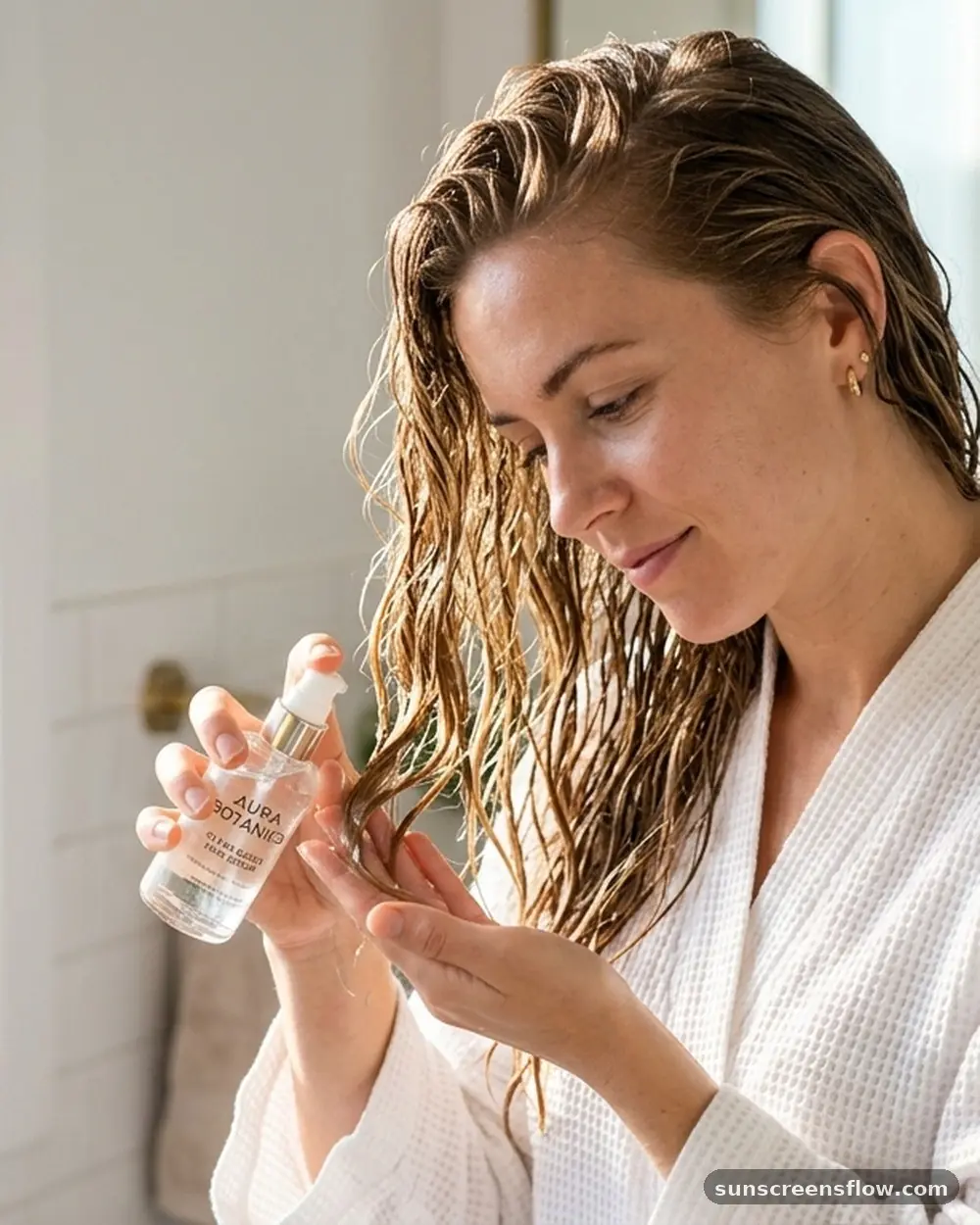
At its core, a hair serum is a concentrated styling product designed to coat the surface of your hair rather than penetrate deep into the cortex like a mask or a deep conditioner. Its primary function is to provide a protective layer that manages frizz control and adds immediate shine enhancement.
Many modern formulations are silicone-based, which allows them to sit on top of the strand to smooth down the rough edges of the cuticle. When you apply serum, you are essentially creating a physical barrier against environmental stressors and humidity.
The decision of whether you put hair serum on wet or dry hair rests on what you want that barrier to do. If you apply it to damp hair, you are locking in existing hydration and preparing the hair for thermal tools. If you use it on dry hair, you are focusing on surface aesthetics, such as taming flyaways or adding a final touch of luster.
Because serums are highly concentrated, a little goes a long way. Understanding your specific hair type—whether it is fine, medium, or coarse—will guide how much product you actually need to avoid looking greasy.
Applying Serum to Damp Hair for Protection
When you apply serum to towel-dried hair, you are essentially priming your locks for the drying process. This is the ideal time to use a formula that doubles as a heat protectant, as it distributes evenly across the strands while they are most receptive to moisture. By applying it while the hair is damp, you ensure that the product is dispersed throughout the entire length, preventing the uneven application that sometimes happens when you try to rake it through dry, tangled hair.
Using a serum on damp hair is particularly effective for those with coarse hair that tends to puff up when air-dried. The product helps to smooth the hair shaft as it dries, which significantly reduces the need for excessive brushing or manipulation later.
It acts as a sealant, locking in the water that your hair absorbed during your wash, which aids in long-term moisture retention. If you follow up with a blow dryer, the heat will help seal the serum into the cuticle, resulting in a sleeker, more polished appearance that lasts throughout the day.
Using Serum on Dry Hair for Finishing Touches
Applying serum to completely dry hair is a common technique used for instant visual correction. If you have finished your styling and notice that your ends look a bit parched or you have persistent frizz control issues, a small drop of serum can fix these problems in seconds. This method is excellent for hiding the appearance of split ends by temporarily smoothing them down, which makes the hair look healthier and more uniform until your next trim.
However, caution is required when applying serum to dry hair. Because there is no water left to help move the product, it is very easy to overload the hair and create a heavy, oily look. You should always emulsify the product by rubbing it between your palms before touching your hair.
This warms the serum and ensures that you aren’t depositing a concentrated glob in one spot. Focus primarily on the mid-lengths to the ends, and avoid the roots entirely to maintain volume and keep your scalp health in check.
The Influence of Hair Porosity and Texture
Your hair porosity plays a massive role in how well your hair absorbs and retains product. High-porosity hair, which often feels dry and brittle, will drink up serum rapidly, meaning you can often afford a slightly heavier hand or a thicker, oil-based serum.
Conversely, low-porosity hair tends to repel moisture and can easily become weighed down by excess silicones. If you have low-porosity hair, you should be very sparing with your application, focusing only on the very tips.
Hair texture also dictates the frequency and method of application. Fine hair requires lightweight, water-based serums that won’t compromise volume. If you have fine hair, you might find that applying serum to dry hair is too risky, as it can make your hair look stringy.
Instead, stick to a light application on damp hair before blow-drying. On the other hand, thick or curly hair often craves the extra weight and nourishment that a richer serum or a light hair oil provides, regardless of whether it is wet or dry.
Common Mistakes to Avoid During Application
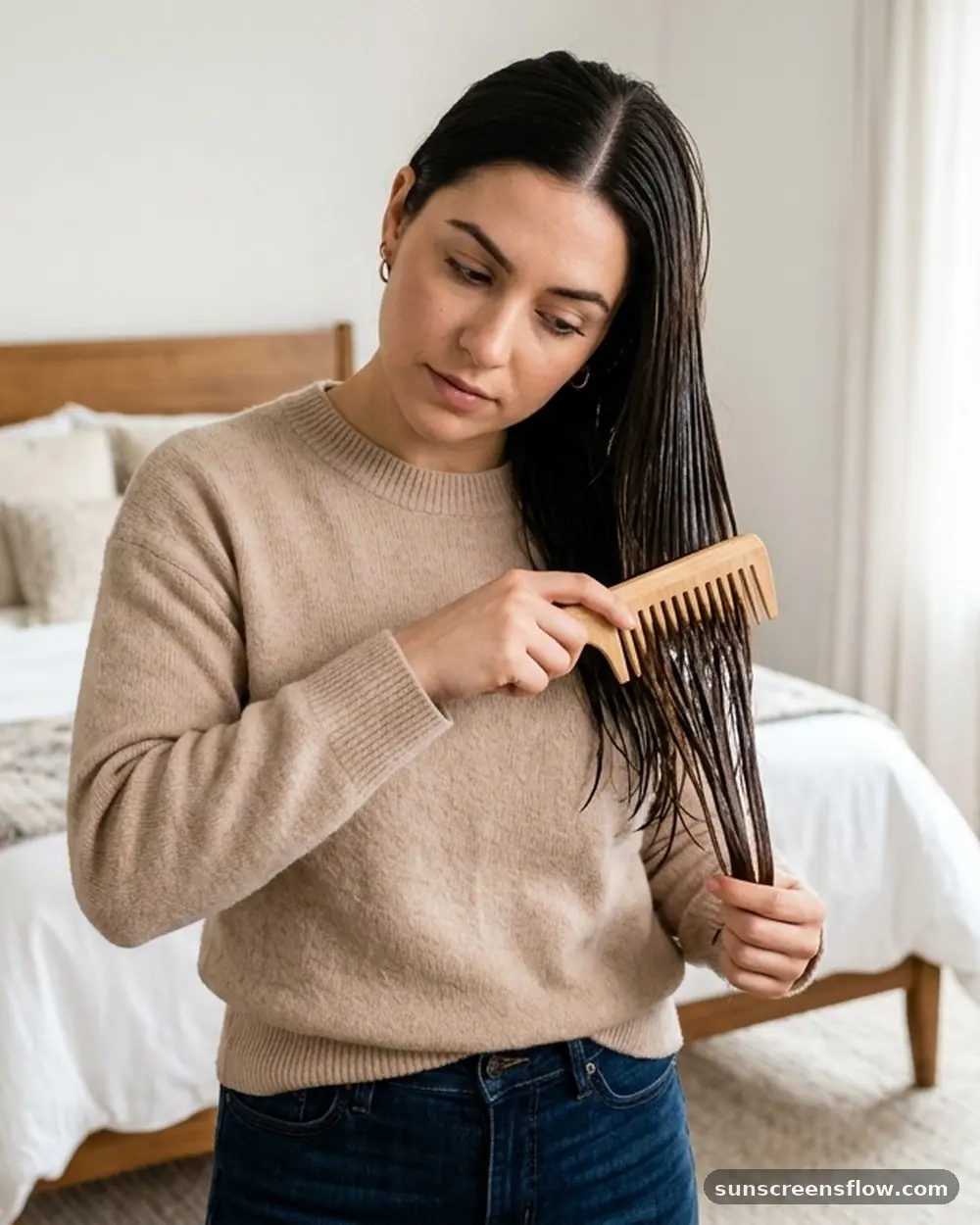
One of the most frequent errors people make is applying serum to the roots. Your scalp produces its own natural oils, and adding a synthetic serum on top of that can lead to rapid product buildup and a flat, unwashed appearance.
Always start at the ends and work your way up only as far as the mid-lengths. If you find your hair looking dull or heavy, you might be using too much product, or you may need a clarifying shampoo to remove the layers of silicone that have accumulated over time.
Another mistake is failing to brush through the hair after application. Using a wide-tooth comb or a soft brush helps to distribute the serum evenly, ensuring that every strand gets a bit of the protective benefits. If you just slap it on with your fingers, you’ll likely end up with hotspots of product.
It is also important to remember that serum is not a replacement for a leave-in conditioner. While serum seals the cuticle, it does not provide the deep hydration that a conditioner does. Using them in tandem—leave-in first, serum second—is often the golden rule for healthy hair.
| Application Time | Primary Benefit | Best For |
|---|---|---|
| Damp Hair | Heat protection & moisture sealing | Blow-drying & coarse textures |
| Dry Hair | Frizz taming & shine enhancement | Quick touch-ups & flyaway control |
Addressing Topical Gaps: Serum vs. Hair Oil
Many users confuse serums with hair oil, but they serve distinct purposes. While a serum is designed to sit on the surface to smooth and protect, a high-quality natural oil can penetrate the hair shaft to provide genuine nourishment.
If you are looking for long-term health and moisture, an oil might be better suited for a pre-wash treatment. If you are looking for an immediate, sleek aesthetic, the silicone-based serum is the superior choice.
There is also the question of whether serum can replace other products. Some people wonder if they can skip a heat protectant if their serum contains protective ingredients. While many modern serums do include thermal protection, it is always best to check the label.
If your serum is strictly for shine, you should never use it as your sole defense against hot tools. Combining your products based on their specific strengths will lead to a more effective routine and better results over the long term.
Selecting the Right Serum for Your Needs
Not all serums are created equal, and choosing the right one starts with reading the ingredient list. Look for lightweight silicones like dimethicone if you want high shine, or plant-based alternatives if you prefer a more natural approach.
If you frequently use heat styling tools, ensure that your serum is explicitly labeled as a thermal protectant. The absorption rate of the product is also a factor; a thinner, more liquid-like serum will absorb more quickly into damp hair, whereas a thicker, gel-like serum might be better for smoothing stubborn, dry frizz.
- Start with a pea-sized amount; you can always add more, but you can’t take it away.
- Always warm the product between your hands to emulsify it before touching your hair.
- Focus on the ends, which are the oldest and most fragile part of your hair.
- Avoid the scalp area to prevent excess grease and maintain volume.
- Use a comb to distribute the product evenly from mid-lengths to ends.
- Check the label to see if your serum offers heat protection before using it with a flat iron.
The Impact of Environmental Factors
Your environment plays a significant role in how your hair interacts with styling products. In high-humidity climates, a serum acts as a shield against moisture, preventing the hair from expanding and frizzing. In these cases, applying the serum while the hair is damp is crucial, as it creates a lasting barrier before you even step outside.
In dry, arid climates, your hair is more prone to static and brittle ends. Here, you might find that a light application of serum on dry hair throughout the day helps to keep your style looking fresh and prevents the hair from snapping.
Consider how your lifestyle affects your hair as well. If you are an active person who exercises daily, you might be washing your hair more often. Frequent washing can strip natural oils, leaving your hair more porous and in need of extra protection.
A serum can help bridge the gap between washes by keeping the cuticle closed and preventing the damage that comes from friction against pillows or clothing. By adjusting your serum usage based on the season and your daily activities, you can maintain a consistent look regardless of external conditions.
Professional Tips for Maximum Shine
To get the most out of your serum, treat it as the final step in a multi-layered approach to hair health. Start with a clean base, use a hydrating conditioner, and then apply your leave-in treatment. By the time you reach the serum, your hair should be mostly prepped.
Applying serum to dry hair should be done sparingly, almost like you are applying a top coat of polish to a manicure. The goal is to catch the light, not to weigh the hair down.
If you find that your hair remains dull despite using high-quality products, consider the water quality in your home. Hard water can leave mineral deposits on the hair shaft that prevent serums from adhering correctly.
A clarifying rinse once or twice a month can remove this buildup, allowing your serum to work as intended. When the hair is clean and the cuticle is smooth, even a small amount of product will provide a noticeable difference in shine and manageability, keeping your hair looking salon-fresh between visits.
Frequently Asked Questions
Can I apply hair serum every day?
Yes, you can use hair serum daily, provided you are using a light formula and applying it only to the mid-lengths and ends. Daily application on the roots or using too much product can lead to buildup, which may make your hair appear greasy or weighed down over time.
Does hair serum work as a heat protectant?
Some hair serums are formulated with thermal protection ingredients, but not all are. Always check the packaging for specific heat-protection claims. If your serum is designed solely for shine or frizz control, you should apply a dedicated heat protectant spray before using any hot styling tools.
What happens if I put too much serum on my hair?
Applying too much serum will typically result in hair that looks oily, stringy, or flat. Because serums are concentrated, they can coat the hair in a way that attracts dust and dirt. If you accidentally use too much, you can try blotting it with a dry towel or using dry shampoo.
Should I apply serum before or after a leave-in conditioner?
You should apply a leave-in conditioner first to damp hair to provide hydration and detangling benefits. Once the conditioner has been absorbed, follow up with the serum to seal the cuticle and lock in that moisture, creating a smooth, protected outer layer for your final style.
When deciding whether you put hair serum on wet or dry hair, keep in mind that the best results come from understanding your hair’s specific needs. Applying it to damp hair creates a solid foundation for heat protection and moisture retention, while using it on dry hair is perfect for taming flyaways and adding a final glossy finish. By starting with a small amount and focusing on the ends, you can easily control how much shine and smoothness you achieve without overloading your strands.
Experimenting with these methods will help you find the balance that works best for your unique texture, ensuring your hair stays healthy, vibrant, and perfectly styled throughout the week. Don’t be afraid to adjust your routine as the seasons change or as your hair’s needs evolve over time.
Meta Description: Do you put hair serum on wet or dry hair? Learn the best application methods to achieve frizz control, shine, and protection based on your hair type.


