


Mastering the CeraVe Resurfacing Retinol Serum how to use process is the key to unlocking smoother skin without the typical irritation associated with potent actives. Because this formula features a specific blend of ingredients designed to support the skin barrier, it serves as an excellent entry point for those looking to address texture and post-acne marks.
By understanding the proper application order and frequency, you can effectively incorporate this treatment into your regimen. Whether you are new to vitamin A or looking for a more gentle approach to refining your complexion, getting the application right ensures you see visible improvements in skin clarity and tone over time.
Understanding the Role of Encapsulated Retinol

The star component in this serum is encapsulated retinol. Unlike traditional forms of vitamin A that can release their potency all at once, leading to significant surface irritation, the encapsulated version is designed for a slow, steady release into the skin. This technology allows the active ingredients to penetrate more effectively while minimizing the risk of redness or flaking that often accompanies topical vitamin A usage.
When you apply this serum, the microscopic capsules protect the retinol from degradation by light and air, ensuring that the product remains potent from the first pump to the last. This stability is crucial for consistent results.
Because the retinol is buffered, it works alongside the skin’s natural processes to accelerate cell turnover. This turnover is what helps in fading post-acne marks and smoothing out uneven skin texture, making it a highly effective solution for those dealing with the aftermath of breakouts or mild photoaging.
Key Ingredients Beyond Retinol
While retinol is the primary agent for resurfacing, the efficacy of this product relies heavily on its supporting cast. CeraVe is famous for its inclusion of three essential ceramides, which are lipids that help restore and maintain the natural moisture barrier.
When you use a resurfacing treatment, your barrier can become compromised if it isn’t properly supported. These ceramides act as a safety net, keeping the skin hydrated and resilient against the potential drying effects of the retinol.
Additionally, the formula contains niacinamide, a powerhouse ingredient known for its soothing properties. Niacinamide works in tandem with the retinol to calm the skin while simultaneously helping to improve its overall texture.
You will also find licorice root extract in the list, which is often included for its ability to brighten the complexion and address hyperpigmentation. This combination of ingredients ensures that you aren’t just stripping or irritating your skin, but rather nurturing it back to a healthier, more balanced state.
Integrating into Your Evening Skincare Routine
When determining the CeraVe Resurfacing Retinol Serum how to use strategy, the timing of your application is non-negotiable. Retinol should strictly be part of your evening skincare routine.
During the day, your skin is exposed to environmental stressors like UV rays and pollution, which can make the skin more reactive. Furthermore, retinol can make your skin more sensitive to sunlight, increasing the risk of sunburn if you apply it in the morning.
By applying this serum at night, you allow the active ingredients to work during your skin’s natural repair cycle. Your body naturally focuses on cellular regeneration while you sleep, making it the ideal window for a resurfacing treatment to do its job. Start by cleansing your face thoroughly to remove dirt and oil.
Once your skin is clean, ensure it is completely dry before applying the serum. Applying retinol to damp skin can increase absorption too quickly, which often leads to unnecessary irritation.
The Importance of a Patch Test
Before you apply any new active product to your entire face, a patch test is a standard safety measure you should never skip. Even if a product is dermatologist-developed and non-comedogenic, individual skin chemistry varies wildly. To perform a patch test, apply a small amount of the serum to a discreet area, such as the inside of your wrist or behind your ear.
Wait at least 24 hours to monitor for any adverse reactions. If you notice significant redness, itching, or burning, it is a clear sign that your skin may be too sensitive for this specific concentration of retinol.
If the area remains calm, you can proceed to use it on your face. This simple step saves you from the discomfort of a full-face reaction and helps you gauge how your skin tolerates the formula before integrating it into your regular cycle.
Managing the Retinization Process
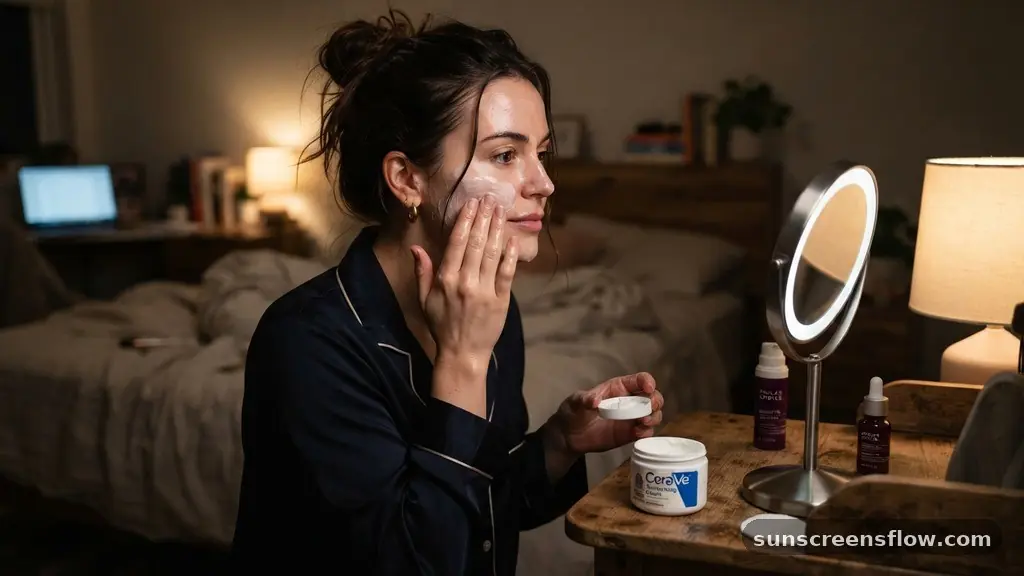
When you first start using this serum, you might experience a phenomenon known as retinization. This is the period during which your skin is adjusting to the increased rate of cell turnover.
During this phase, it is common to experience mild dryness, tightness, or slight flaking. It is important to distinguish this temporary adjustment from an actual allergic reaction.
If you find that your skin is becoming overly irritated, reduce your frequency of use. You do not need to use the serum every single night to see results. Many people find success by starting with a “sandwich” method or by applying it only two or three times a week.
Once your skin builds a tolerance, you can slowly increase the frequency to nightly use. Patience is your best asset here; rushing the process will only set you back.
Addressing Potential Skin Purging
A common concern among users is the concept of skin purging. When you introduce an effective resurfacing agent like retinol, it speeds up the life cycle of your skin cells.
This process can bring underlying congestion—such as micro-comedones—to the surface more quickly than usual. Consequently, you might notice a temporary increase in breakouts or tiny bumps.
Do not be discouraged if this happens. Purging is a sign that the product is actually working to clear out the debris that was already trapped in your pores.
This phase is usually temporary and typically subsides within a few weeks as your skin clears. If you continue to see persistent, worsening acne that doesn’t seem to resolve, it may be time to consult a dermatologist, but for most, this is just a short-term hurdle on the way to clearer skin.
What to Avoid Mixing with Retinol
One of the most frequent mistakes users make is layering too many active ingredients at once. To get the best results from the CeraVe Resurfacing Retinol Serum, you must avoid mixing it with certain other products in the same application. Specifically, you should steer clear of layering it with other strong exfoliating acids or high-strength treatments.
| Ingredient Type | Interaction with Retinol | Recommendation |
|---|---|---|
| Alpha Hydroxy Acids (AHAs) | High risk of irritation and barrier damage. | Use on alternating nights. |
| Beta Hydroxy Acids (BHAs) | Can lead to over-exfoliation and dryness. | Space out usage by 24 hours. |
| Vitamin C | Potential for instability and skin sensitivity. | Use Vitamin C in the morning. |
By keeping your routine simple, you reduce the risk of inflammation. If you love using AHAs or BHAs, alternate them with your retinol nights rather than using them together. This ensures your skin gets the benefits of both without the compromise of its integrity.
Prioritizing Sun Protection
Because retinol increases your skin’s sensitivity to UV light, the use of broad-spectrum sunscreen every single morning is mandatory. Even on cloudy days, UV radiation reaches your skin and can cause damage. If you are using a resurfacing serum to fade post-acne marks or improve texture, failing to wear sunscreen will essentially undo all your hard work.
Look for a non-comedogenic sunscreen that won’t clog your pores. Apply a generous amount as the final step of your morning routine.
Think of your sunscreen as the protective shield that allows your nighttime resurfacing treatment to be effective. Without this step, you are leaving your skin vulnerable to photoaging, which is the exact opposite of what you are trying to achieve with your retinol serum.
Common FAQs for New Users
Is it better to use the serum at night or in the morning?
You should always use this serum at night. Retinol is sensitive to light and can degrade when exposed to sunlight, losing its effectiveness. Additionally, it increases your skin’s sensitivity to UV rays, making nighttime application the only safe and effective way to use it in your routine.
Can I use this serum every day?
While it is formulated to be gentle, you should start by using it only a few times a week. Once your skin has successfully completed the retinization process without significant irritation, you can gradually transition to nightly use. Listen to your skin’s cues rather than following a rigid schedule.
What should I never mix with this retinol serum?
Avoid applying strong exfoliating acids like AHAs (glycolic or lactic acid) or BHAs (salicylic acid) at the same time as this serum. Also, avoid using high-concentration vitamin C treatments simultaneously, as these combinations often lead to severe irritation, redness, and a compromised moisture barrier for many users.
What if my skin starts to peel?
Mild peeling is a normal part of the retinization process. If it becomes uncomfortable, take a break from the serum for a few days and focus on heavy hydration with a gentle, ceramide-rich moisturizer. Once the flaking subsides, resume use at a lower frequency to let your skin adjust.
Maintaining Long-Term Skin Health
Achieving the best results with your skincare routine is a marathon, not a sprint. The CeraVe Resurfacing Retinol Serum is a powerful tool, but its true value is realized through consistent, long-term use rather than overnight miracles. By respecting the strength of the active ingredients and maintaining a focus on skin barrier repair, you can enjoy a smoother, more radiant complexion.
Remember that skincare is inherently personal. What works for one person might require more adjustment for another. Keep your routine focused on hydration, protection, and gentle exfoliation, and don’t hesitate to pull back if your skin feels overwhelmed.
If you stay patient and consistent, you will find that the process becomes second nature, leading to the clear, healthy skin you are aiming for. Feel free to reach out to a professional if you have specific concerns about your skin type or if you are not seeing the progress you expected after several months of consistent use.


