

Determining whether your serum belongs before or after your moisturizer is a common point of confusion for many who are trying to build an effective skincare routine. The short answer is that you almost always apply your serum first because of its lighter consistency and concentrated active ingredients.
By placing these potent formulas directly onto clean, slightly damp skin, you ensure that the specialized components can penetrate effectively without being blocked by heavier creams. Understanding the science behind product layering is the best way to ensure your skin receives the full benefits of every bottle you purchase, rather than letting expensive ingredients sit uselessly on the surface of your face.
The Fundamental Rule of Skincare Layering
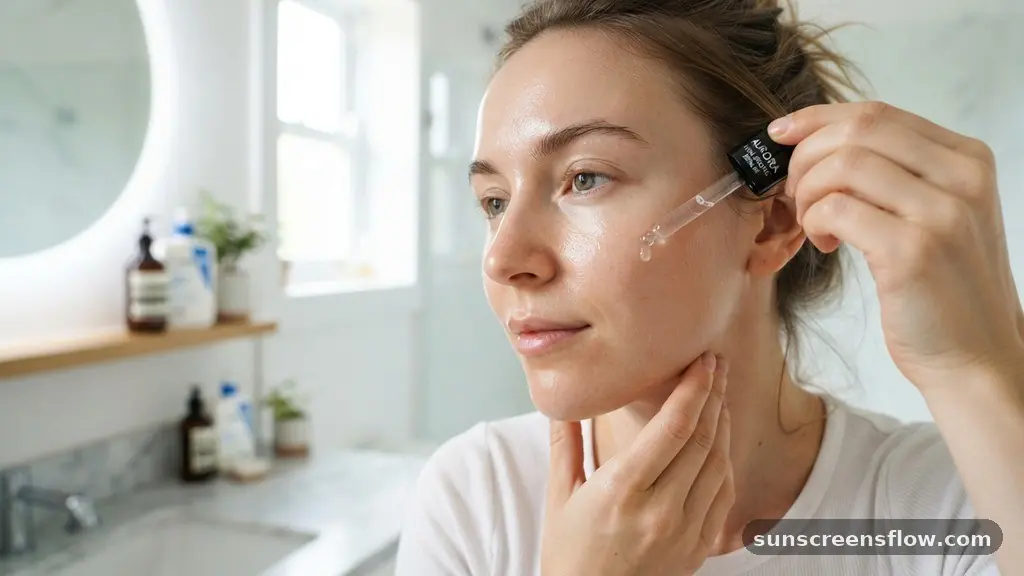
The golden rule of layering skincare products is to move from the lightest consistency to the heaviest. Serums are purposefully engineered with a lower molecular weight, allowing them to travel deeper into the epidermis where they can address specific concerns like hyperpigmentation, fine lines, or dehydration.
If you were to apply a thick, emollient-rich face cream first, you would essentially be creating a physical barrier that prevents your lightweight serum from reaching those deeper layers. This is why asking does serum go on before or after moisturizer is the first step toward optimizing your daily regimen.
By applying your serum on clean, toned skin, you maximize the absorption rate of the active ingredients. Think of your skin like a sponge; once it is saturated with a heavy oil or butter, it cannot easily soak up a water-based treatment.
Furthermore, many serums contain volatile ingredients that need to be locked in immediately to prevent evaporation. When you follow your serum with a moisturizer, you are essentially sealing those active components into the skin, creating a protective environment that allows them to work their magic throughout the day or night.
Understanding Molecular Weight and Absorption
The science of skincare relies heavily on the concept of molecular weight. Products with smaller molecules, such as hyaluronic acid or vitamin c, are designed to penetrate the skin barrier quickly. If you apply these after a thick cream, their progress is impeded by the larger molecules found in heavier emollients and occlusives.
This is the primary reason why serums are categorized as treatment steps rather than moisturizing steps. When you layer correctly, you are respecting the biological limitations of your skin’s surface.
It is also helpful to consider the texture of your products as a visual guide. If you hold a drop of serum next to a dollop of cream, the serum will almost always run or spread much faster. This fluidity is a sign that the product is designed for rapid delivery.
When you apply your skincare, wait about thirty to sixty seconds between layers to allow the serum to set. This brief pause prevents the products from pilling or mixing together on your skin, which can happen if you apply a cream while the serum is still completely wet.
The Role of Occlusives and Humectants
To understand why the order matters, you need to know how different ingredients function. Humectants, which are common in many serums, pull moisture into the skin. If you leave a humectant-rich serum exposed to dry air without a protective layer over it, it can actually pull water out of your skin through a process known as trans-epidermal water loss.
This is where your moisturizer becomes essential; it acts as an occlusive agent. Occlusives form a seal over the skin, trapping the moisture provided by your serum and preventing it from evaporating.
In a well-structured routine, your serum provides the hydration and the specific treatment, while your moisturizer provides the protection. By following this sequence, you prevent the drying effects of the environment from undoing the work of your serum. This synergy is what makes a multi-step routine effective.
Without the occlusive layer, your skin might feel tight or dehydrated shortly after applying a serum, even if the serum itself is high-quality. Always view the moisturizer as the “cap” that keeps your treatment ingredients working where they are needed most.
Common Mistakes in Product Application
Many people accidentally negate the benefits of their expensive products by applying them in the wrong order or at the wrong time. One of the most frequent errors is applying a thick night cream before a lightweight, water-based serum. This mistake ensures that the active ingredients in the serum never reach their target destination.
Another common issue is failing to let the toner or essence dry completely before starting the serum phase. If your face is soaking wet with water, the serum may not adhere or penetrate as well as it would on slightly damp, prepped skin.
Another mistake involves the amount of product used. More is not always better. Because serums are highly concentrated, you typically only need a few drops to cover the entire face and neck.
Applying too much product can leave a sticky residue that interferes with the application of your moisturizer or makeup. If your skin feels tacky for more than a few minutes after your full routine, you are likely using too much product or not allowing enough time for each layer to be absorbed.
| Product Type | Typical Texture | Layering Order |
|---|---|---|
| Cleanser | Liquid/Gel | 1 |
| Toner | Watery | 2 |
| Serum | Lightweight/Gel | 3 |
| Moisturizer | Cream/Lotion | 4 |
| Sunscreen | Cream/Fluid | 5 |
Addressing Topical Gaps: When to Deviate from the Rule

While the general rule is to apply serums before moisturizers, there are specific scenarios where you might need to adjust your approach. For example, if you are using a very strong chemical exfoliant or a high-percentage retinol, your dermatologist might recommend a “sandwich” method.
This involves applying a thin layer of moisturizer, followed by the active treatment, and then another layer of moisturizer. This technique is designed to buffer the intensity of the active ingredients, making them more tolerable for sensitive skin types.
If you are using an oil-based serum, the rules shift slightly. While most serums are water-based, some treatment oils are designed to penetrate deeper than creams. However, if your oil is very thick, it may act as an occlusive itself.
In these cases, you should apply your water-based serums first, followed by your moisturizer, and finally your facial oil. The oil serves as the final seal, which is the most effective way to lock in all the previous layers. Always observe how your skin reacts to these variations, as individual skin texture and needs can change based on the season or climate.
Ingredients That Need Special Attention
Certain active ingredients require more care during the layering process. Vitamin C, for instance, is highly sensitive to pH levels and light. It is best applied in the morning on clean, dry skin to ensure it can effectively brighten and protect against environmental pollutants.
If you apply a heavy, alkaline cream over it too quickly, you might alter the pH of the vitamin c, rendering it less effective. Give your vitamin c serum a few minutes to sink in before moving to your moisturizer or sunscreen.
Retinol is another ingredient that demands respect. Because it accelerates cell turnover, it can cause initial dryness or irritation. When you are first introducing retinol into your routine, applying it after your moisturizer can help reduce side effects without sacrificing the long-term benefits.
Once your skin builds up a tolerance, you can move it to the step immediately following your toner to increase its potency. Always remember that the skin barrier is delicate; if you notice redness or stinging, simplify your routine and focus on gentle, barrier-repairing ingredients like ceramides or peptides.
The Impact of Skin Type on Layering
Your skin type plays a significant role in how well your products absorb. Those with oily skin might find that they only need a very light serum and a gel-based moisturizer.
In this case, the serum provides the hydration needed to prevent the skin from overproducing oil, while the light moisturizer keeps the skin barrier healthy without causing pore clogging. If you have oily skin, avoid heavy, oil-based creams that might sit on top of the skin and cause congestion.
Conversely, those with dry or mature skin may benefit from layering multiple serums, such as a hyaluronic acid serum followed by a peptide or vitamin-rich treatment. Because dry skin often lacks the lipids necessary to hold onto moisture, following these treatments with a rich emollient cream is essential.
The combination of humectants from the serum and emollients from the cream creates a powerful defense against dehydration. Regardless of your skin type, the order remains the same: treat first with serums, then protect with moisturizer.
Optimizing Your Routine for Maximum Results
To get the most out of your skincare, consistency is just as important as the order of application. You should aim to use your chosen products for at least six to eight weeks before deciding if they are working. Many people switch products too quickly, not giving their skin the time it needs to adjust to new active ingredients.
Additionally, always store your serums in a cool, dark place. Many active ingredients, such as vitamin c, are unstable and can degrade if exposed to heat or sunlight, which makes them less effective regardless of how well you layer them.
- Cleanse your face thoroughly to remove dirt and pollutants.
- Apply toner while the skin is still slightly damp to aid absorption.
- Use a small amount of serum, focusing on areas of concern.
- Allow the serum to set for one minute to ensure it penetrates.
- Apply moisturizer to seal in the active ingredients.
- Finish with sunscreen during the day to protect the skin barrier.
Common Questions About Serum and Moisturizer
Does serum replace moisturizer?
No, a serum is not a replacement for a moisturizer. Serums are designed to deliver targeted active ingredients deep into the skin, while moisturizers are formulated to hydrate the surface and create a protective seal to prevent moisture loss. You generally need both to maintain a healthy, balanced skin barrier.
Can I mix my serum into my moisturizer?
While some people mix them to save time, it is generally better to apply them separately. Applying the serum first allows the active ingredients to penetrate the skin directly. Mixing them can dilute the serum and may prevent it from reaching its intended target, potentially reducing the efficacy of your treatment.
How long should I wait between serum and moisturizer?
A good rule of thumb is to wait about thirty to sixty seconds, or until the serum feels slightly tacky but not wet. This allows the serum to absorb into the skin without being wiped away or disrupted by the application of your heavier moisturizer or cream.
Does the order change at night?
The fundamental rule of applying serums before moisturizers remains the same regardless of the time of day. At night, you might choose to use more intensive treatments like retinol or thicker creams, but the order from thinnest to thickest consistency is the best way to ensure optimal product performance.
Maintaining Your Skin Barrier
The health of your skin barrier is the foundation for a glowing complexion. When you correctly layer your products, you are supporting this barrier by providing hydration and protection.
If you find that your skin is constantly irritated or dry, it may be a sign that your routine is too aggressive or that you are stripping the skin with harsh cleansers. Always listen to your skin’s feedback; if it feels tight, itchy, or red, simplify your steps.
Focusing on the basics—cleansing, treating with serums, and sealing with moisturizer—will give you the best results over time. Remember that skincare is a marathon, not a sprint. By understanding the science of why serum goes on before moisturizer, you are already ahead of most people in your quest for healthy, radiant skin.
If you have questions about specific product combinations or how to address a particular concern, consulting with a dermatologist is always a reliable way to tailor your regimen. Keep experimenting with what works for you, and enjoy the process of caring for your skin each day.


