


Finding the right sequence for your daily regimen is essential for getting the most out of your products. Many people often ask if the toner go on before serum, and the answer is rooted in the fundamental principles of skincare chemistry and physics.
Because facial toner is designed to prep the skin, it almost always precedes your more concentrated treatments. Understanding this logic helps you maximize the efficacy of your active ingredients while ensuring your skin remains balanced and hydrated throughout the day.
The Fundamental Rule of Skincare Layering
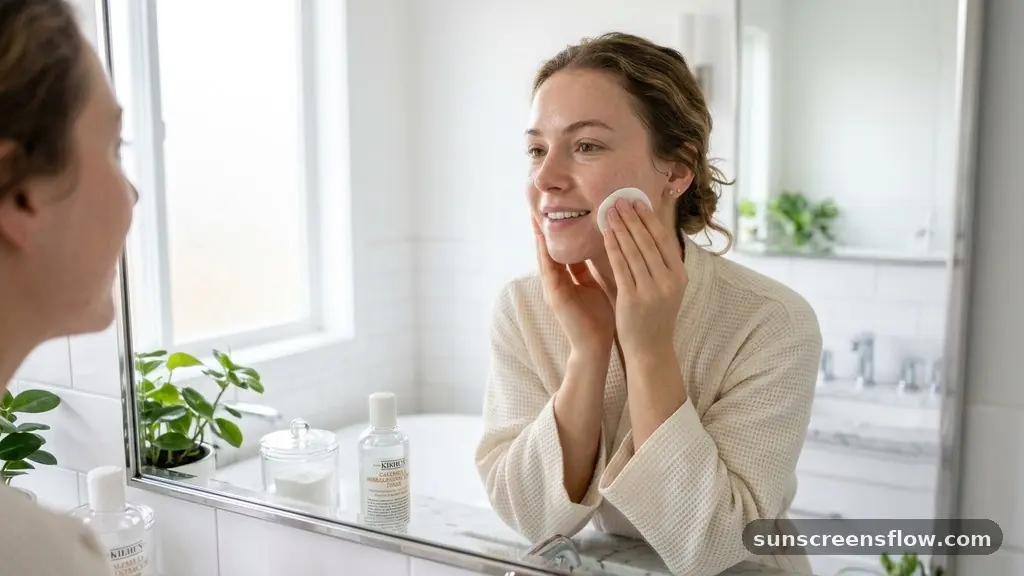
When building a skincare routine, the golden rule is to apply products from the thinnest consistency to the thickest. This principle exists because lighter, water-based products struggle to penetrate heavy creams, oils, or occlusives.
Since your facial toner is typically a water-thin solution designed to remove residual impurities, it serves as the perfect foundation for everything that follows. Applying it first allows the skin to receive the benefits of its pH-balancing properties before you introduce more viscous, nutrient-dense treatments.
If you were to apply a thick serum before a watery toner, the toner would likely sit on top of the serum, failing to reach the skin surface where it performs its primary functions. By following the standard order—cleanser, toner, serum, moisturizer—you ensure that each layer has direct contact with your skin barrier. This layering method respects the viscosity of each formula, allowing your pores to drink up the hydration from the toner before the active serum begins its work on a clean, receptive canvas.
Understanding the Role of Facial Toner
Many users view toners as mere afterthoughts, but they play a crucial role in modern skincare. Their primary job is to provide pH balancing after cleansing, as many soaps and cleansers can disrupt the natural acid mantle of your skin.
A well-formulated toner helps restore this balance, creating an optimal environment for your subsequent products to function correctly. Some toners also provide light exfoliation or soothing hydration, depending on their specific ingredient profile.
Modern toners have evolved far beyond the harsh, alcohol-based astringents of the past. Today, they are often packed with soothing botanicals, humectants, and gentle acids designed to hydrate and prep the skin.
When you apply your toner while your skin is still slightly damp, you are effectively creating a hydration base that helps the rest of your products glide on more smoothly. This step is vital for those who want to see real results from their more expensive, concentrated treatments.
Why Serum Follows Toner
An active serum is a concentrated powerhouse, usually packed with potent ingredients like vitamin C, niacinamide, or peptides. Because these products are formulated to target specific concerns—such as hyperpigmentation, fine lines, or acne—they need to be as close to the skin as possible to ensure maximum absorption. By applying your toner first, you remove any remaining debris and prime the skin, which significantly improves the skin absorption of the active ingredients contained in your serum.
Think of your toner as the primer for a painting and the serum as the color. You wouldn’t try to paint the detail before prepping the canvas. When you apply a serum, you want it to penetrate deeply rather than just sitting on the surface.
Toner creates a slightly hydrated, permeable layer that acts as a conduit for the serum to travel into the epidermis. This synergy is why dermatological standards consistently advocate for this specific sequence in your morning and evening routines.
The Science of Skin Absorption and Viscosity
The efficiency of your skincare routine depends heavily on the molecular weight and viscosity of your products. Water-based products, such as toners and essences, have a low molecular weight that allows them to move quickly into the top layers of the skin.
Serums, while also often water-based, usually contain a higher concentration of active molecules that require a clean, damp surface to be effective. If your skin is dry or clogged with residual cleanser, these molecules will struggle to penetrate, leading to product waste.
Skincare absorption time is also a factor to consider. After applying your toner, letting it sit for a moment—or applying your serum to slightly damp skin—can enhance the delivery of active ingredients. This method is often referred to as hydration layering.
By keeping the skin hydrated with the toner, you prevent the serum from drying out too quickly, giving it more time to work its way into the skin barrier. This small adjustment in your technique can lead to more noticeable improvements in your skin texture and tone over time.
Integrating Essences and Specialty Treatments

Where does an essence fit into the mix? If you use an essence, it typically falls between the toner and the serum. An essence is essentially a lighter, more concentrated form of hydration that bridges the gap between the watery toner and the thicker serum.
The sequence remains consistent: you want to move from the most liquid consistency to the most viscous. If you have a complex routine, keeping this order ensures that no product is blocked by another.
For those using multiple serums, the rule of thumb remains the same: apply the thinnest one first. For example, if you are using a watery vitamin C serum and a thicker, gel-like hyaluronic acid serum, apply the vitamin C first.
This ensures that the lighter formula reaches the skin before the thicker one creates a barrier. By maintaining this order, you avoid pilling and ensure that each product has the best possible chance to deliver its promised results.
Common Mistakes in Skincare Sequencing
One of the most frequent errors people make is applying their products in the wrong order or rushing through the steps. Skipping the toner or applying it after a heavy serum can negate the work of your entire routine.
Another common mistake is failing to allow enough time for each product to sink in. While you don’t need to wait ten minutes between steps, giving each layer thirty seconds to settle can prevent the products from mixing on the surface of your skin rather than absorbing.
Another point of confusion is the use of occlusives. An occlusive, like a heavy night cream or a face oil, is designed to lock in moisture. If you apply these before your serum, you are creating an impenetrable wall that prevents your active treatments from doing their job.
Always save your heaviest products for the very end of your routine. This ensures that your active ingredients are working where they are needed, while your moisturizer seals everything in for long-lasting hydration.
Comparing Common Skincare Textures
To help visualize how these products interact, it is helpful to look at their typical characteristics. The following table highlights the order of application based on the general viscosity and purpose of common skincare items.
| Order | Product Type | Primary Function |
|---|---|---|
| 1 | Cleanser | Removes dirt and oil |
| 2 | Toner | pH balancing and prep |
| 3 | Essence/Serum | Targeted active treatment |
| 4 | Moisturizer | Hydration and sealing |
| 5 | SPF/Oil | Protection and occlusion |
By following this table, you can easily determine where any new product fits into your existing regimen. If you are ever in doubt, check the label or the brand’s recommended usage instructions. Most manufacturers design their products to work within this standard framework, so deviating from it often results in less-than-ideal outcomes for your complexion.
Addressing Topical Gaps: Myths and Realities
There is a persistent myth that you should wait for your face to be bone-dry before applying your serum. In reality, applying products to slightly damp skin can actually enhance the penetration of ingredients like hyaluronic acid, which acts as a humectant by drawing water into the skin. When you use a toner and then immediately follow up with a serum, you are trapping that extra moisture against your skin, which can lead to a more plump and hydrated appearance.
Another gap in common knowledge involves pore refinement. Many people believe that toner physically shrinks pores, but that is not the case. Instead, toner helps keep pores clear of debris, which makes them appear smaller and more refined.
When you pair this with a serum containing niacinamide or salicylic acid, you are attacking the issue of pore congestion from two different angles. This dual approach is much more effective than relying on a single product to solve all your skin concerns.
Establishing a Consistent Routine
Consistency is the most important factor in any skincare journey. Even the most expensive, high-quality products will not deliver results if they are used sporadically or in the wrong order.
By establishing a routine where you reliably apply your toner before your serum, you create a habit that your skin will eventually adapt to. Over time, you will likely notice improvements in your skin’s clarity, texture, and overall health as your barrier becomes stronger and more resilient.
If you are just starting out, keep it simple. Start with a basic cleanse, tone, and moisturize routine. Once you are comfortable with that, introduce a single active serum to address a specific concern.
Monitor how your skin reacts for a few weeks before adding more steps. This gradual approach allows you to see what is working and helps you identify any potential sensitivities, making it easier to maintain a healthy, glowing complexion in the long run.
- Always cleanse your face thoroughly to remove surface impurities.
- Apply your toner while the skin is still slightly damp for better absorption.
- Layer your products from thinnest to thickest to ensure proper penetration.
- Allow each layer to settle for a few seconds before applying the next.
- Finish with a moisturizer to lock in the hydration from your toner and serum.
- Use sun protection every morning to protect your results from UV damage.
FAQ
Why is it necessary to use a toner at all?
A toner helps restore the skin’s natural pH level after cleansing, which can be disrupted by tap water or harsh cleansers. It also acts as a bridge, removing any lingering impurities and prepping the skin to better absorb the active ingredients in your serums and moisturizers.
Can I apply serum to completely dry skin?
While you can apply serum to dry skin, many experts recommend applying it to slightly damp skin. This is because humectants found in many serums, like hyaluronic acid, work by pulling moisture into the skin. A damp surface provides a reservoir of water for the serum to utilize.
Does the order change at night?
The fundamental order of applying products from thinnest to thickest remains the same regardless of the time of day. However, your evening routine might include heavier creams or oils that you wouldn’t use in the morning. Always save these thicker, occlusive products for the very last step.
What happens if I use a toner after my serum?
Applying a toner after your serum is generally counterproductive. The watery texture of the toner may wash away or dilute the active ingredients in your serum, and it may struggle to penetrate the layer of serum already on your skin. Always stick to the toner-first sequence.
Conclusion
Understanding the correct order for your skincare products is a simple yet transformative change for your daily routine. By ensuring that your facial toner precedes your active serum, you create the optimal conditions for your skin to absorb the nutrients it needs to stay healthy and vibrant.
This systematic approach—cleansing, balancing with toner, treating with serum, and sealing with moisturizer—is the gold standard for a reason. It respects the science of skin absorption and allows each product to perform its intended function effectively.
If you have been questioning your current process, try making these small adjustments for a few weeks and observe how your skin responds. Consistency and proper layering are the true keys to achieving your skincare goals.
Feel free to experiment with products that suit your specific skin type, but remember to keep the fundamental sequence intact to get the best results possible. Your skin will thank you for the extra care and attention to detail.


